Source Steam Heating Hotel Ironing Board for Home, Hotel, Travel
Find 30 listings for Steam Heating Hotel Ironing Board options featuring portable designs and durable construction. Buyers can compare models like AL503Y with varying dimensions and customization availability from Guangdong suppliers.
Key considerations
Products List


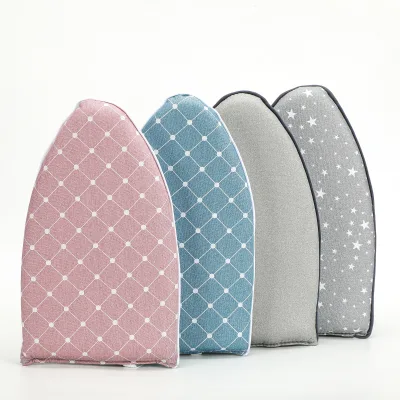
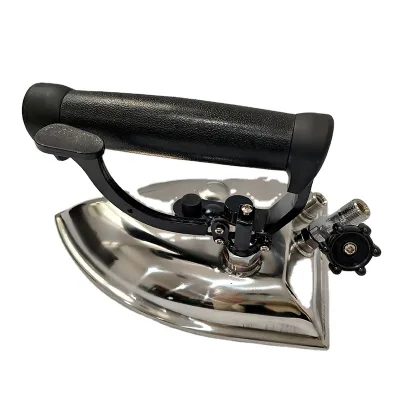


Comprehensive Sourcing Guide
Strategic Sourcing Guide for Steam Heating Hotel Ironing Boards
The global hospitality sector demands equipment that balances operational efficiency with guest satisfaction. For procurement specialists targeting steam heating hotel ironing boards, the market offers a diverse array of solutions ranging from traditional stationary units to innovative handheld devices. This guide provides a disciplined approach to sourcing these critical amenities, focusing on verified product attributes, technical specifications, and supply chain realities derived from current market data. Buyers must navigate a landscape where product definitions vary significantly, requiring a clear distinction between heavy-duty floor-standing units and portable accessories designed for specific tasks.
Technical Specifications and Product Architecture
Understanding the technical architecture of steam heating ironing equipment is the first step in defining a successful procurement strategy. The market presents distinct categories based on heating mechanisms and physical form factors. While the core keyword emphasizes "steam heating," current product listings reveal a complex mix of technologies. Some units are explicitly defined by their heating type as "Steam Heating," utilizing internal boilers or steam generators to produce moist heat for fabric relaxation. However, other entries in the supply chain highlight "Ironing Gloves" or "Handheld Ironing Pads" with specific dimensions and weights that suggest a different operational paradigm.
For a hotel environment, the physical specifications of the board are paramount. Standard stationary units often adhere to specific dimensional tolerances, such as a width of 320mm and a height ranging between 1200mm and 1240mm. These dimensions ensure compatibility with standard ironing stations and housekeeping carts. In contrast, portable solutions may feature compact single package sizes, such as 30x28x13 cm, with a thickness of 2.5 cm. The material composition is equally critical; while some boards utilize a cotton-based surface for heat retention and fabric protection, others may specify "100% Cotton" as the primary fabric type for the ironing surface. Buyers must verify whether the "Steam Heating" attribute applies to the entire unit or if it is a feature of a specific accessory, such as a handheld glove designed for quick touch-ups.
The structural design also influences performance. Features such as a "Double V Leg" provide stability for floor-standing models, ensuring the board remains secure during vigorous ironing. Conversely, handheld options are designed with a "Palm" shape and "Handheld" functional design, weighing as little as 0.18 kg per unit. The installation type varies significantly, with options ranging from "Floor Type" to "Handheld" configurations. Procurement teams must align these physical attributes with the specific needs of the hotel's housekeeping department. A large resort may require multiple floor-standing units with "Three-Layer" storage capabilities, while a boutique hotel might prioritize portable, lightweight solutions that can be easily transported to guest rooms.
Compliance, Certification, and Safety Standards
In the hospitality industry, safety and compliance are non-negotiable. When sourcing steam heating equipment, buyers must rigorously verify that products meet international safety standards. Although specific certification data such as ISO 9001, CE, or RoHS may appear in general market contexts, these should not be assumed for every listed product without direct verification from the supplier. The absence of explicit certification claims in product descriptions necessitates a proactive approach to due diligence.
Buyers should request proof of compliance from suppliers before finalizing orders. For electrical components involved in steam generation, adherence to regional electrical safety codes is essential. The "Steam Heating" function implies the presence of high-temperature elements and water reservoirs, which introduces risks of scalding or electrical failure if not manufactured to strict standards. Suppliers must demonstrate that their production processes align with recognized quality management systems. While some product listings mention "Carved" technics or specific design acceptances, these aesthetic or functional details do not substitute for safety certifications.
Furthermore, the material safety of the ironing surface is a critical compliance area. Products listing "100% Cotton" as the board material or fabric type must be verified for fire resistance and chemical treatment. Hotels are subject to strict fire safety regulations, and the ironing surface must not be a source of ignition. Buyers should inquire about the fire-retardant properties of the cotton fabric and ensure that any adhesives or coatings used in the "Carton Package" or assembly process do not release harmful fumes under heat. The "Place of Origin" being China (Mainland) Guangdong is a common data point, but it does not inherently guarantee compliance. Verification of the specific factory's audit history and certification status is required to mitigate liability risks.
Cost Drivers and Pricing Dynamics
The pricing structure for steam heating hotel ironing boards is influenced by a complex interplay of factors, including material costs, manufacturing complexity, and order volume. The observed market price range spans from approximately 0.9 USD to 12,000 USD, indicating a vast disparity between basic accessories and comprehensive, high-end ironing stations. This wide range underscores the importance of defining the exact scope of the procurement. A unit priced at 0.9 USD likely represents a simple handheld accessory or a single component, whereas a price near 12,000 USD suggests a fully integrated, industrial-grade steam station with advanced features.
Minimum Order Quantity (MOQ) is a significant cost driver. The market data indicates an MOQ range from 1 to 2,000 units, with specific listings showing an MOQ of 500 pieces for certain models. Higher order volumes typically unlock better unit pricing, but they also require careful inventory management. For hotels with multiple locations, consolidating orders to meet higher MOQ thresholds can result in substantial savings. However, buyers must balance this against the risk of overstocking, especially for products with specific customization requirements.
Customization is another key factor affecting cost. Many suppliers offer "Customization: Available" and "Accept Custom Designs," allowing hotels to brand the equipment with their logo or select specific colors like "Silver/Black" or "any color." These value-added services often incur additional charges and may extend lead times. The "Supply Ability" of the manufacturer, noted as 10,000 pieces per month for some suppliers, suggests that large orders can be fulfilled without significant delays, provided the customization requirements are clear. Buyers should request detailed cost breakdowns that separate the base unit price from customization fees, shipping, and packaging costs to ensure transparency in the total cost of ownership.
Typical Applications and Operational Fit
The application of steam heating ironing boards varies significantly based on the type of hotel and the specific operational workflow. In large resorts and full-service hotels, the primary application is often in the housekeeping department, where staff need efficient tools to press linens, uniforms, and guest garments. Floor-standing units with "Double V Leg" stability and "Three-Layer" storage are ideal for these environments, allowing for the organization of irons, steam generators, and accessories in a dedicated station. These units are designed for high-volume, continuous use and must withstand the rigors of a busy hotel schedule.
For smaller hotels, boutique inns, or specific guest services, portable solutions offer a more flexible approach. Handheld ironing gloves or pads, with dimensions like 25x15x3.5 cm and a weight of 0.18 kg, are perfect for quick touch-ups in guest rooms. These devices are often marketed for "Travel Usage" and "Household Usage," making them suitable for housekeeping staff who need to move between rooms without the burden of a heavy cart. The "Portable" style and "Handheld" functional design allow for discreet service, enhancing the guest experience by minimizing noise and disruption.
The "Applicable Space" for these products includes living rooms, hotels, and household usage, but the specific needs of a commercial hotel environment require a focus on durability and ease of maintenance. Products listed with "Iron Clothing" as a function must be capable of handling various fabric types, from delicate silks to heavy cottons. The "100% Cotton" fabric type on the board surface is particularly relevant here, as it provides a soft, heat-retentive surface that protects delicate fabrics while ensuring efficient steam penetration. Buyers should assess the specific workflow of their housekeeping team to determine whether a stationary or portable solution best fits their operational model.
Supplier Evaluation and Supply Chain Reliability
Selecting the right supplier is critical for ensuring product quality and supply chain continuity. The "Place of Origin" for many products is listed as Guangdong, China, a region known for its manufacturing capabilities. However, the presence of a location does not guarantee quality. Buyers should evaluate suppliers based on their "Supply Ability," which is stated as 10,000 pieces per month for some manufacturers. This capacity indicates the ability to handle large orders, but it must be balanced with the supplier's track record for on-time delivery and quality consistency.
The "Packaging Details" and "Product Packing" methods are also important indicators of supplier professionalism. Standard practices include "1pc/pp bag, packed into standard carton" or "Carton Package." These packaging methods protect the product during transit and ensure that items arrive in perfect condition. Buyers should verify that the packaging is robust enough to withstand international shipping, especially for fragile components like steam generators or glass surfaces.
Customization capabilities are another key evaluation criterion. Suppliers offering "Design: Accept Custom Designs" and "Customization: Available" provide greater flexibility for branding and specific requirements. However, buyers must ensure that the supplier has the technical expertise to execute these customizations without compromising product integrity. The "Model Number" variations, such as AL503Y, AL503, AL502, and AL501set, suggest a range of products with different specifications. Buyers should request detailed catalogs and samples to verify that the specific model meets their technical requirements before committing to a large order.
Quality Control and Long-Term Procurement Considerations
Quality control is essential for maintaining the reputation of the hotel and ensuring the safety of guests and staff. Buyers should implement a rigorous quality assurance process that includes pre-shipment inspections and post-delivery testing. For steam heating units, this involves checking the integrity of the steam generation system, the stability of the legs, and the durability of the ironing surface. The "Dimensional Tolerance" of less than ±1cm is a specific standard that buyers should verify to ensure that the product fits within designated spaces and meets design specifications.
Long-term procurement considerations extend beyond the initial purchase. Buyers should evaluate the availability of spare parts and the supplier's support for maintenance. Products with "Ironing Board" and "Ironing Mat" as accessories suggest a modular design that may require replacement parts over time. Ensuring a steady supply of these accessories is crucial for minimizing downtime. Additionally, the "Single Gross Weight" and "Single Package Size" data should be used to calculate shipping costs and storage requirements, which are significant factors in the total cost of ownership.
Finally, buyers should consider the environmental impact and sustainability of the products. The use of "100% Cotton" as a material is a positive attribute, but the sourcing of this cotton and the manufacturing process should be evaluated for sustainability. Suppliers who can demonstrate a commitment to sustainable practices may offer a competitive advantage in the increasingly eco-conscious hospitality market. By focusing on these long-term considerations, buyers can build a resilient supply chain that supports the operational needs of the hotel while adhering to high standards of quality and safety.
FAQs
What heating type is available for steam heating hotel ironing boards?
Steam heating is the confirmed heating type for specific models in this category. Buyers should verify if the unit includes an internal boiler or steam generator, as some listings describe handheld gloves that may not function as full steam heating boards.
Which dimensions are standard for floor-standing steam heating ironing boards?
Standard stationary units often feature a width of 320mm and a height between 1200mm and 1240mm. These dimensions ensure compatibility with standard hotel ironing stations, though portable models may have compact sizes like 30x28x13 cm.
Can buyers request custom designs for steam heating hotel ironing boards?
Customization is available for many products in this supply chain, allowing for specific colors or branding. Buyers can request custom designs, but they should confirm if this affects the lead time or unit price compared to standard silver or black options.
What is the minimum order quantity for steam heating hotel ironing boards?
The minimum order quantity ranges from 1 to 2000 units depending on the supplier and model. Specific listings indicate an MOQ of 500 pieces for certain models, so buyers must check the exact requirement for their selected product code.
Where are steam heating hotel ironing boards typically manufactured?
The place of origin is primarily China, specifically Guangdong. Buyers should verify the specific factory location and audit history, as the region is a manufacturing hub but does not automatically guarantee specific safety certifications for every listed item.
What material is used for the ironing surface of these boards?
The board material and fabric type are often listed as 100% cotton for heat retention and fabric protection. Buyers must verify if the cotton surface is treated for fire resistance to meet hotel safety regulations regarding ignition risks.