Source Steam Heated Wood Drying Box for Lumber, Timber, and Pallets
Find 30 Steam Heated Wood Drying Box options from Chinese manufacturers. Compare automatic and semi-automatic models with cross-flow or contra-flow designs for various wood types.
Key considerations
Products List


Aluminium Kiln Dryer Timber Dryer Oven Timber Heating Chamber Wood Drying Equipment
$5000.00 - $9500.00
MOQ: 1 Pieces


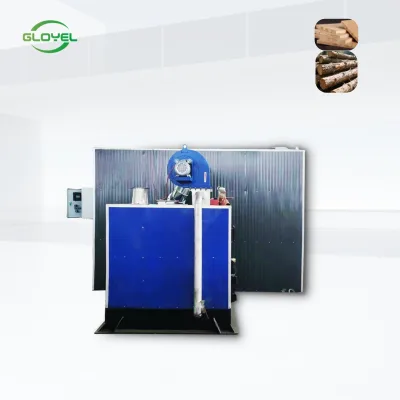
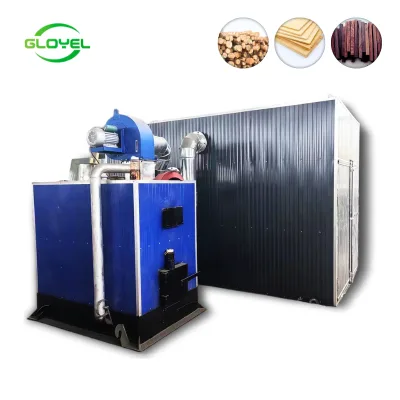

Heat Pump Drying Timber/Lumber/Wood Drying Chamber, Wood Drying Room, Wood Dryer
$6000.00 - $15000.00
MOQ: 1 Pieces

Drying Machine Wood Kiln Furniture Wood Dryer Dry Wood Heat Pump Dryer
$6000.00 - $15000.00
MOQ: 1 Pieces

Heat Pump Drying Timber/Lumber/Wood Drying Chamber, Wood Drying Room, Wood Dryer
$2350.00 - $13500.00
MOQ: 1 Sets


Automatic Hot Air Heating Wood Drying Chamber Timber Lumber Kiln Dryer
$5400.00 - $10800.00
MOQ: 1 Sets


Comprehensive Sourcing Guide
Steam Heated Wood Drying Box Sourcing Guide
Selecting the right Steam Heated Wood Drying Box requires a careful balance of thermal efficiency, structural integrity, and operational control. These systems are designed to manage moisture content in timber through controlled convective heating, ensuring consistent quality across various wood species. Buyers must prioritize equipment that offers precise temperature and humidity regulation, as these factors directly influence the final grade of the dried lumber. The choice between automatic and semi-automatic control systems will dictate the level of labor required and the consistency of the drying cycle, making it a critical decision point for procurement teams aiming to optimize throughput and reduce energy waste.
The physical configuration of the drying box also plays a significant role in performance, with options ranging from combined drier structures to specific flow types such as cross-flow or contra-flow. Understanding the airflow dynamics is essential for ensuring uniform drying across the entire stack of wood. Additionally, the material composition of the drying box, including insulation properties and boiler construction, affects heat retention and operational safety. Buyers should evaluate these technical attributes against their specific production volume and wood type requirements to avoid bottlenecks or uneven drying results that could compromise product quality.
Product Scope and Observed Listing Signals
The market for steam heated wood drying boxes presents a diverse range of models, with observed listing prices spanning from $2,350 to $19,500 USD. This wide variance reflects differences in capacity, automation levels, and material quality, with some units designed for smaller batches and others for industrial-scale operations. The minimum order quantity (MOQ) for these products is typically set at one unit, allowing buyers to procure single systems for pilot testing or immediate deployment without committing to large inventory volumes. This flexibility is particularly beneficial for small to medium-sized sawmills looking to upgrade their drying infrastructure incrementally.
Listing signals indicate that manufacturers often offer customization options, allowing buyers to tailor the drying box to specific operational needs. The standard capacity for many units is around 10 cubic meters, though this can be customized to accommodate larger stacks, with some models supporting up to 200 cubic meters based on stack configuration. The drying medium is consistently air, heated via convective methods, and the systems are designed to handle all kinds of wood drying applications. Buyers should pay close attention to the stated capacity and customization availability to ensure the selected unit aligns with their daily processing targets and spatial constraints.
Technical Specifications to Verify
When evaluating technical specifications, the control system is a primary differentiator, with options including automatic and semi-automatic modes. Automatic systems offer enhanced precision in managing temperature and humidity, reducing the risk of human error and ensuring consistent drying outcomes. Semi-automatic systems may require more manual intervention but can be sufficient for operations with experienced operators. The type of flow, whether cross-flow or contra-flow, also impacts drying efficiency, with contra-flow systems often providing better heat utilization and more uniform moisture removal. Buyers should verify the specific flow type and control mechanism to match their operational expertise and quality standards.
The construction materials and insulation properties are critical for maintaining thermal efficiency and safety. The drying box material often includes middle insulation fiber cotton to minimize heat loss, while the boiler is typically constructed from special steel plate to withstand high temperatures and pressures. The steam generator, with a thickness of 8mm, is a key component that must be durable and reliable. Additionally, the chimney diameter and wall thickness, such as 280mm diameter and 2mm wall thickness, affect the exhaust efficiency and safety of the system. Buyers should request detailed material specifications and insulation ratings to ensure the equipment meets their long-term operational needs.
Compliance and Safety Documentation
Compliance with safety standards is paramount when sourcing steam heated wood drying boxes, as these systems operate under high pressure and temperature. Certifications such as CE and ISO are commonly listed, indicating that the equipment meets certain European and international quality and safety benchmarks. Buyers should verify the validity and scope of these certifications, ensuring they cover the specific components of the drying box, such as the boiler and steam generator. Documentation should include pressure vessel certificates, electrical safety compliance, and operational manuals that detail safety protocols and emergency procedures.
Safety features such as automatic exhaust steam rafts, cast iron steam valves, and cast steel faucets are essential for controlling pressure and preventing accidents. The water bucket, typically made of steel plate, and the chimney design also contribute to the overall safety of the system. Buyers should ensure that all safety components are made from durable materials and are designed to withstand the operational stresses of continuous use. Requesting detailed safety documentation and certification reports from the supplier is crucial to mitigate risks and ensure regulatory compliance in the buyer’s jurisdiction.
Cost Drivers and Commercial Terms
The cost of a Steam Heated Wood Drying Box is influenced by several factors, including capacity, automation level, and material quality. Larger capacity units with advanced automatic controls and superior insulation tend to be more expensive, reflecting the higher manufacturing costs and enhanced performance capabilities. The heating mode, whether convective or other, and the type of atomization, such as pressure atomization, also impact the price. Buyers should consider the total cost of ownership, including energy consumption and maintenance requirements, rather than just the initial purchase price, to make a informed procurement decision.
Commercial terms such as payment methods and packaging are also important considerations. The standard payment method is often T/T (Telegraphic Transfer), which requires buyers to arrange secure payment channels. Packaging varies, with options including container, wood case, and standard export package, depending on the size and complexity of the unit. Buyers should clarify the packaging details to ensure safe transportation and minimize the risk of damage during shipping. Additionally, the nearest port of shipment, such as Shanghai, can affect logistics costs and lead times, so buyers should factor these into their overall procurement strategy.
Supplier Qualification and Quality Control
Supplier qualification is a critical step in ensuring the reliability and quality of the Steam Heated Wood Drying Box. Buyers should verify the supplier’s manufacturing capabilities, including their experience in producing drying equipment and their adherence to quality management systems. The brand name, such as Xinan, can provide insights into the supplier’s reputation and market presence. Buyers should request references or case studies from previous clients to assess the supplier’s track record in delivering high-quality equipment and providing after-sales support.
Quality control measures should be clearly defined and communicated by the supplier. This includes inspection protocols during manufacturing, testing procedures for the boiler and steam generator, and final quality checks before shipment. Buyers should inquire about the supplier’s quality assurance processes and request documentation of these procedures. Additionally, buyers should consider the supplier’s ability to provide customization and technical support, as these factors can significantly impact the long-term success of the procurement. Establishing a clear communication channel with the supplier for ongoing support and troubleshooting is essential for maintaining operational efficiency.
Long-Term Procurement Checks
Long-term procurement checks involve monitoring the performance and durability of the Steam Heated Wood Drying Box over time. Buyers should establish a maintenance schedule that includes regular inspections of the boiler, steam generator, and insulation materials to prevent wear and tear. The type of fuel used, such as wood or coal, can affect the maintenance requirements and operational costs, so buyers should ensure that the system is compatible with their available fuel sources. Regular cleaning and servicing of the chimney and exhaust systems are also necessary to maintain efficiency and safety.
Feedback from operational staff and performance data should be used to evaluate the effectiveness of the drying box. Buyers should track metrics such as drying time, energy consumption, and wood quality to assess whether the equipment meets their expectations. If issues arise, buyers should work closely with the supplier to resolve them, leveraging the supplier’s technical support and warranty provisions. Continuous improvement initiatives, such as upgrading control systems or enhancing insulation, can help extend the lifespan of the equipment and improve overall productivity. By maintaining a proactive approach to procurement and maintenance, buyers can maximize the value of their investment in steam heated wood drying boxes.
FAQs
What certifications do the steam heated wood drying boxes have?
The steam heated wood drying boxes carry CE and ISO certifications. These certifications indicate compliance with specific safety and quality standards required for industrial equipment operating in various international markets.
Can the drying capacity be customized for specific needs?
Yes, the drying capacity is fully customizable to meet specific operational requirements. The standard capacity starts at 10 cubic meters but can be adjusted to accommodate different production volumes and stack sizes.
Which heating modes are available for the wood drying process?
The available heating modes include convective heating and steam generation. The system is designed to use wood or coal as the main fuel source to generate the necessary heat for drying various types of wood.
How is the control system configured for operation?
The control system is available in both automatic and semi-automatic configurations. This flexibility allows operators to choose the level of automation that best fits their workflow and staffing capabilities.
What materials are used in the construction of the drying box?
The drying box is constructed using aluminum, concrete, and brick materials. The drying box itself features middle insulation fiber cotton insulation to ensure efficient thermal retention during the drying cycle.
What is the standard packaging method for shipping these units?
The standard packaging methods include container shipping, wood cases, and standard export packages. The specific packaging type depends on the model and size of the unit being shipped to the destination.