Source Steam Heating Automatic Cooking Machine for Bakery, Catering, and Food Processing
Compare 30 steam heating automatic cooking machines from verified Chinese suppliers. Buyers can evaluate specifications like 304 stainless steel construction, voltage options, and capacity ranging from 3.5L to 2500L for diverse industrial food applications.
Key considerations
Products List


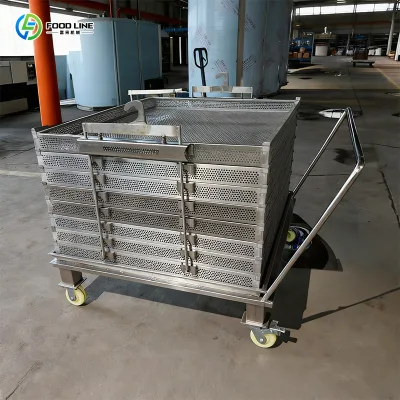
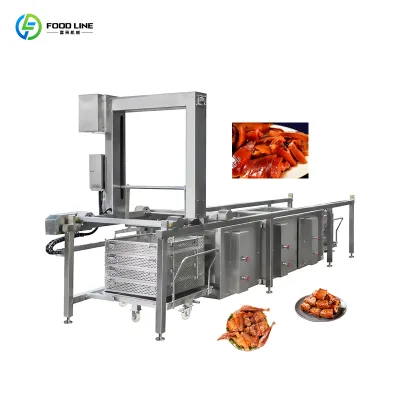

Automatic Control Rice/Chicken Thigh/Shrimp Food Steam Cooking Machine for Sales
$590.00 - $1985.00
MOQ: 1 Pieces

Industrial Automatic Gas Steam Electric Heating Pressure Cooker Machine with Stirrer
$4800.00 - $15000.00
MOQ: 1 Pieces


Steam Heating Commercial Pressure Cooker Machine Gas Heating Instant Cooking Pot on Sale
$3600.00 - $15000.00
MOQ: 1 Pieces

Electric Gas Steam Heating Automatic Control Pressure Cooker Industrial Pressure Pot Machine
$3600.00 - $15000.00
MOQ: 1 Pieces

Big Industrial Commercial Pressure Cooking Machine Steam Heating Cooker on Hot Sale
$3600.00 - $15000.00
MOQ: 1 Pieces


Automatic Cooking Machine with Stainless Steel Jacketed Kettle Design
$2000.00 - $2500.00
MOQ: 1 Boxes

Stainless Steel Gas Steam Electrical Jacketed Pot Jacket Kettle Cooking Machine
$5000.00 - $5500.00
MOQ: 1 Pieces


Stainless Steel Pressure Steam Electric Industrial Cooker Kettle Cooking Pot Machine
$5300.00 - $5500.00
MOQ: 1 Sets


Steel Steam Commercial Pressure Cooker Machine Gas Electric Cooking Pot on Sale
$5300.00 - $5500.00
MOQ: 1 Sets


Comprehensive Sourcing Guide
Strategic Sourcing Guide for Steam Heating Automatic Cooking Machines
The global demand for industrial food processing equipment has driven a significant shift toward automated, energy-efficient solutions. Among these, the Steam Heating Automatic Cooking Machine stands out as a critical asset for commercial kitchens, food manufacturing plants, and large-scale catering operations. Sourcing such specialized equipment requires a rigorous approach that balances technical performance, regulatory compliance, and total cost of ownership. This guide provides a structured framework for buyers to navigate the procurement landscape, ensuring that the selected machinery aligns with operational needs and safety standards without relying on unverified marketing claims.
Technical Specifications and Operational Parameters
When evaluating steam heating automatic cooking machines, the primary focus must be on the core technical specifications that define the machine's capacity and efficiency. The observed market data indicates a wide variance in specifications, suggesting that buyers must clearly define their production volume requirements before engaging with suppliers. For instance, some units are designed with a working water capacity of 2500 liters, suitable for high-volume industrial processing, while others may feature a capacity range of 50 to 60 liters per time cycle, targeting smaller batch operations.
The effective size of the equipment is another critical dimension. Specifications such as 10500x800x300mm or 11500x1200x2000mm highlight the substantial footprint these machines often occupy. Buyers must verify that their facility layout can accommodate these dimensions, including necessary clearance for maintenance and steam venting. The standard dimensions provided, such as 1350x1420x1650mm, serve as a reference for specific models, but the actual physical requirements should be confirmed against the specific model number, such as TSPT-120 or HT-CSJ00L.
Power requirements are equally vital. The data shows power ratings ranging from 1.1kW to over 1000W, with voltage specifications often fixed at 380V for industrial applications. This voltage requirement necessitates a check of the facility's electrical infrastructure to ensure compatibility. Furthermore, the heating mode is a key differentiator; while some units operate exclusively on electric power, others offer a hybrid Gas/Electric heating mode, providing flexibility in fuel sourcing. The presence of a temperature control device is a standard feature in high-end models, ensuring precise thermal regulation within a range of up to 100 degrees, which is essential for consistent cooking results.
Compliance and Certification Verification
In the B2B food machinery sector, compliance is not merely a formality but a prerequisite for market entry and operational safety. The supply chain for these machines frequently lists certifications such as CCC, CE, and RoHS. These designations indicate adherence to specific safety, electromagnetic compatibility, and environmental standards. However, buyers must treat these certifications as observations that require individual verification rather than universal guarantees for all listed products.
The CE mark, for example, suggests conformity with European health, safety, and environmental protection standards, but its presence on a product listing does not automatically validate the specific unit's compliance without accompanying documentation. Similarly, the CCC (China Compulsory Certification) is relevant for products sold within the Chinese market, while RoHS indicates compliance with restrictions on hazardous substances. Buyers should request valid certification certificates directly from the supplier and cross-reference them with the issuing authority's database.
Material composition is another critical compliance factor. The industry standard for food contact surfaces often involves 304 Stainless Steel, which is noted in several product attributes as the material for the inner pot and general construction. This material choice is crucial for corrosion resistance and food safety. Buyers should verify that the "304 Stainless Steel" claim is backed by material test reports, especially since some listings allow for material selection "According to Customer Requirement," which could introduce variability in quality.
Cost Drivers and Pricing Structure
The pricing landscape for steam heating automatic cooking machines is highly variable, with observed ranges spanning from $65 to $300,000 USD. This vast disparity is driven by several factors, including machine capacity, automation level, material quality, and the complexity of the heating system. A unit with a 2500L water capacity and advanced temperature control will naturally command a higher price than a basic 3.5L unit designed for smaller applications.
The Minimum Order Quantity (MOQ) is another significant cost driver, with observed ranges from 1 to 500 units. For buyers seeking a single unit for a pilot project, an MOQ of 1 is ideal, whereas large-scale deployments may benefit from bulk purchasing at an MOQ of 500. The production cycle, often cited as 7 working days, influences the lead time and potentially the cost structure, especially if expedited shipping is required.
Packing and logistics also contribute to the total cost. Products may be shipped in color boxes, export wooden crates, or fumigation-free wooden cases. The choice of packaging affects the final price and the safety of the equipment during transit. Buyers should clarify whether the quoted price includes export packaging and logistics, as these can vary significantly depending on the destination and the supplier's location, such as Henan, China.
Typical Applications and Market Segmentation
Steam heating automatic cooking machines are versatile tools applicable across various sectors of the food industry. The observed data highlights specific applications, such as the production of biscuits, indicating that these machines are not limited to general cooking but are specialized for specific food types. The "Integral Type" design and "Modern" shape suggest that these units are engineered for integration into existing production lines, offering a streamlined workflow.
The market segmentation for these machines is broad, with a notable focus on the European market. This suggests that the design and safety standards of these machines are often aligned with European regulations, making them suitable for export to that region. However, the "Automatic Cooker" classification implies a wide range of uses, from large-scale industrial processing to commercial catering. The "Non-Stick" feature mentioned in some attributes is particularly valuable for applications requiring easy cleaning and reduced food waste.
Buyers should assess whether the machine's specific model, such as the SB-25 or CHQC-500, aligns with their intended application. The "Appearance: Horizontal" specification might be relevant for facilities with space constraints or specific workflow layouts. Understanding the intended usage, whether for biscuits or other food items, is essential for selecting the correct model and ensuring the machine meets the specific processing requirements of the buyer's operation.
Supplier Evaluation and Origin Verification
Evaluating suppliers for industrial cooking equipment requires a deep dive into their origin and operational capabilities. The data indicates that many products originate from China, with specific mentions of Henan as a production hub. While this provides insight into the supply chain, buyers must verify the supplier's actual manufacturing capabilities rather than relying solely on the listed origin.
The "Customized" attribute and the availability of customization options are strong indicators of a supplier's flexibility. Buyers should assess the extent of this customization, such as the ability to modify dimensions, voltage, or material specifications. The "According to Customer Requirement" notes for packing and material suggest that suppliers are willing to adapt, but this requires clear communication and detailed specifications to avoid misunderstandings.
When evaluating a supplier, buyers should look for evidence of a robust production cycle, such as the cited 7 working days, and a reliable transport logistics network. The "Transport: Logistics" attribute implies that the supplier has established shipping channels, but buyers should confirm the specific logistics partners and insurance coverage. Additionally, the "Design: New" and "Style: Integral Type" attributes suggest that the supplier is investing in modern engineering, which can be a proxy for their commitment to innovation and quality.
Quality Control and Long-Term Procurement
Ensuring long-term reliability and quality is paramount when investing in heavy industrial machinery. The presence of a "Temperature Control Device" and "Timing Device" in some models, while others lack a timing device, highlights the need for buyers to specify their exact control requirements. A machine with precise timing and temperature control is essential for consistent product quality, reducing the risk of batch failures.
Quality control should extend beyond the initial purchase to include maintenance and spare parts availability. The "304 Stainless Steel" construction is a positive indicator of durability, but buyers should inquire about the warranty period and the availability of replacement parts. The "Export Wooden Box Packaging" and "Fumigation-Free Wooden Case" options suggest that the supplier considers the integrity of the product during shipping, which is a precursor to the care taken in manufacturing.
For long-term procurement, buyers should consider the scalability of the equipment. The wide range of capacities, from 3.5L to 2500L, allows for phased expansion. However, the "Roller diameter: 650mm" and other specific dimensions should be evaluated for compatibility with future production needs. Establishing a relationship with a supplier who offers customization and has a transparent quality control process will mitigate risks and ensure a steady supply of high-quality equipment.
Final Procurement Considerations
The procurement of steam heating automatic cooking machines is a complex process that demands careful attention to technical details, compliance, and supplier reliability. By focusing on the verified attributes such as voltage, material, and capacity, buyers can make informed decisions that align with their operational goals. The wide range of prices and specifications requires a tailored approach, where the specific needs of the buyer dictate the selection criteria.
Ultimately, the success of the procurement lies in the ability to verify the claims made by suppliers and to ensure that the equipment meets the rigorous standards required for food processing. By adhering to the guidelines outlined in this guide, buyers can navigate the market effectively, selecting equipment that offers the best balance of performance, compliance, and cost. The journey from specification to installation is a critical phase, and a disciplined, evidence-based approach is the key to securing a successful partnership with the right supplier.
FAQs
What certifications do steam heating automatic cooking machines typically have?
These machines often carry CCC, CE, and RoHS certifications to ensure safety and environmental compliance. Buyers should verify specific certificates for each unit rather than assuming all listed products share the same documentation.
Can I customize the material and dimensions of the cooking machine?
Yes, customization is available for materials like 304 Stainless Steel and dimensions according to customer requirements. Buyers must provide detailed specifications to ensure the final product meets their specific operational needs.
What is the voltage requirement for industrial steam heating cooking machines?
The standard voltage for these industrial units is 380V to support high-power operations. Facilities must verify their electrical infrastructure can handle this voltage before installation to ensure safe and efficient performance.
How long is the production cycle for a custom steam heating cooker?
The typical production cycle is 7 working days for standard orders. This timeline may vary depending on the complexity of customization and the specific model selected, such as the TSPT-120 or HT-CSJ00L.
Which capacity ranges are available for steam heating automatic cookers?
Available capacities range from small units like 3.5 liters to large industrial tanks with 2500 liters of working water capacity. Buyers should select a model based on their specific batch size and production volume requirements.
What packaging options are used for shipping these machines?
Packaging options include export wooden crates, fumigation-free wooden cases, and color boxes depending on the model. The choice of packaging affects shipping safety and cost, so buyers should confirm the specific packing method.