Source Steamed Pure Onion Flakes for Meat, Baking, Seasoning
Find 30 listings for Steamed Pure Onion Flakes sourced from China. Compare options with HACCP certification, varying moisture levels, and bulk packaging to suit meat products, baking, and seasoning applications; compare the available evidence and request quotations based on your requirements.
Updated
Key considerations
Products List
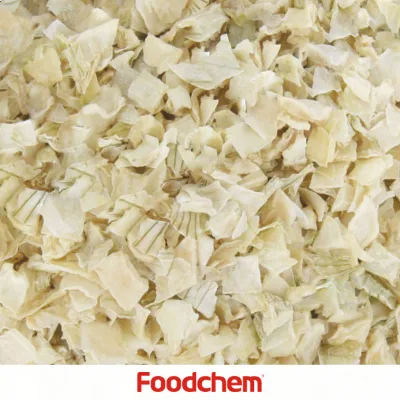
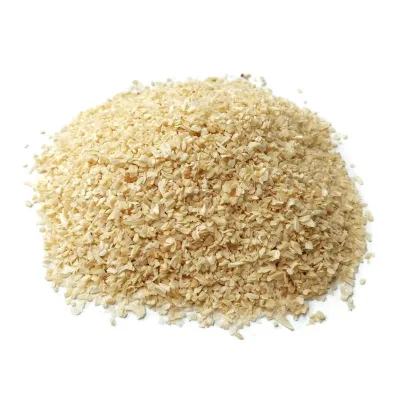


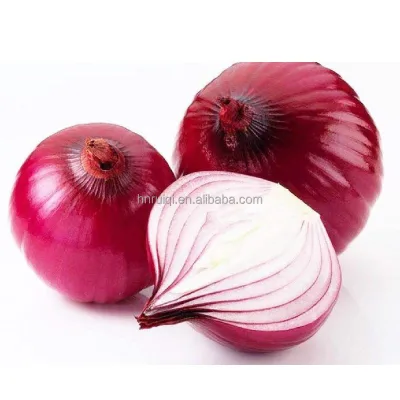
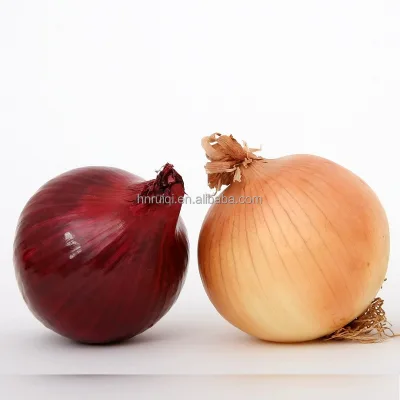
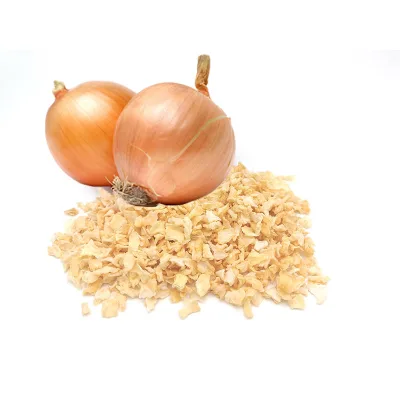
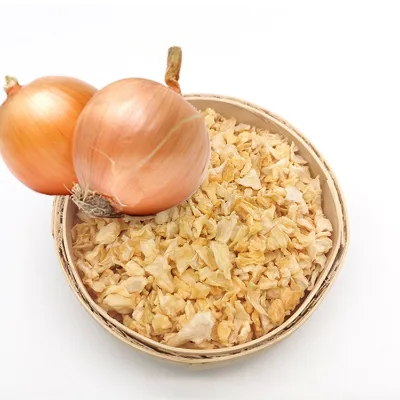
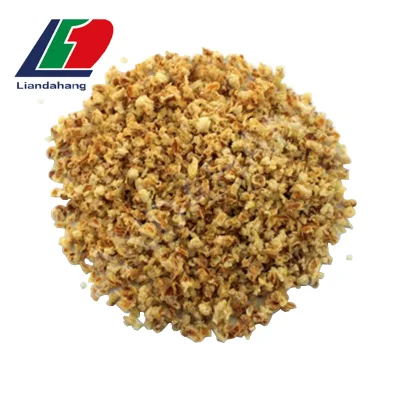
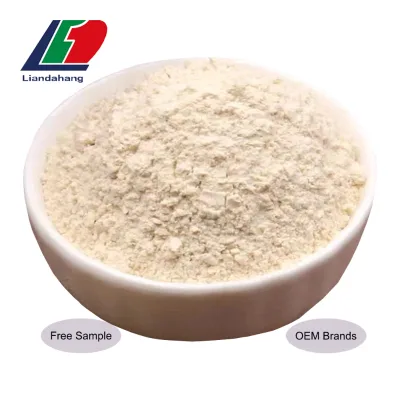
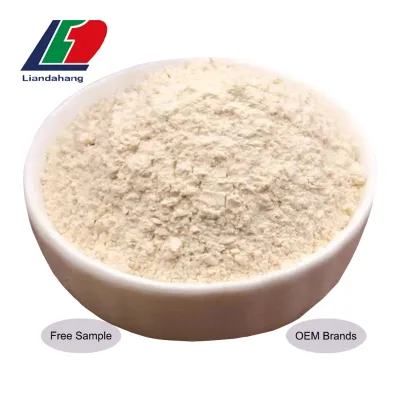
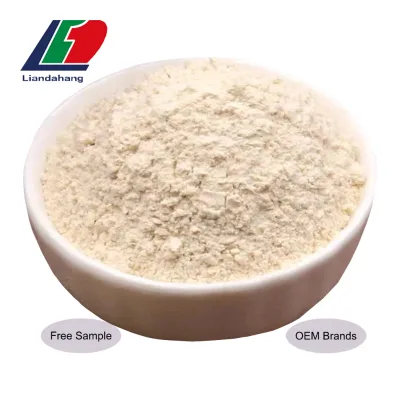

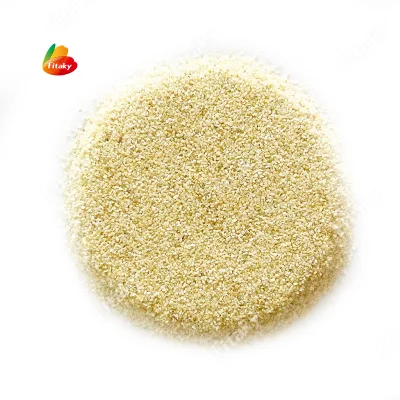
Dry Onion Flakes Good Make Dried Onion Flakes Dehydrated Red Onion Minced
$1.10 - $2.50
MOQ: 500 kilograms
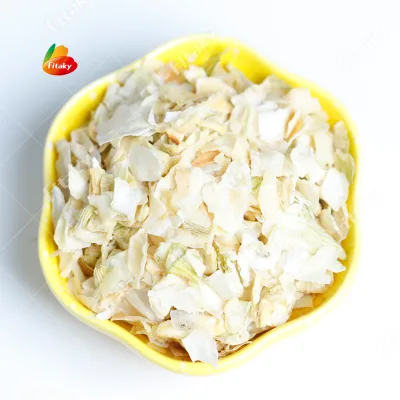
Red Onion Flakes 1 Tone Dried Onion Price Cheap Organic Onion Granules
$2.60 - $3.60
MOQ: 500 kilograms
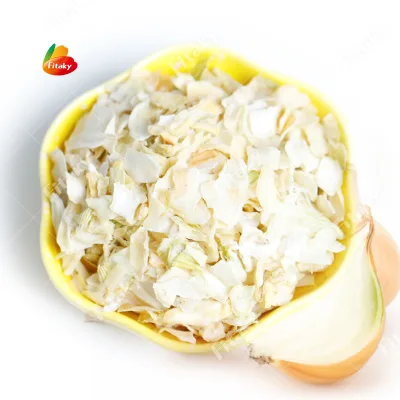
Food Grade Dried Onion Factory Make Dried Onion Flakes Dried Onion Yellow Slice
$1.10 - $3.00
MOQ: 500 kilograms
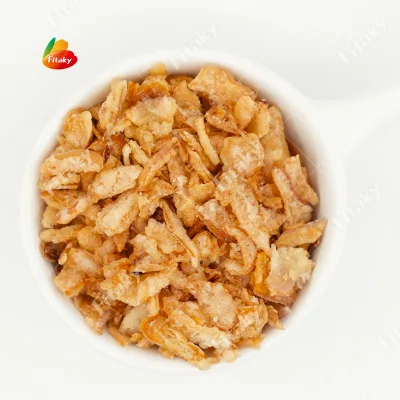
China Fried Onion Dehydrated Fried Onion Flakes Crisp Fried Onion Granules for Cooking Noodles
$2.60 - $3.00
MOQ: 500 kilograms
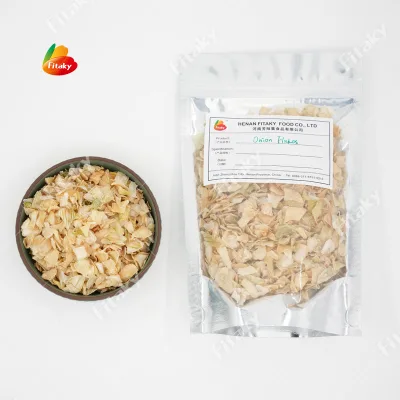
$2.6689 - $3.6951
MOQ: 500 kilograms
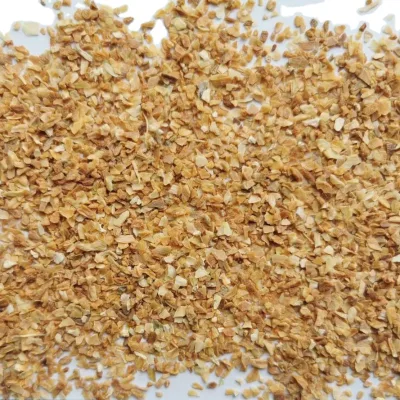
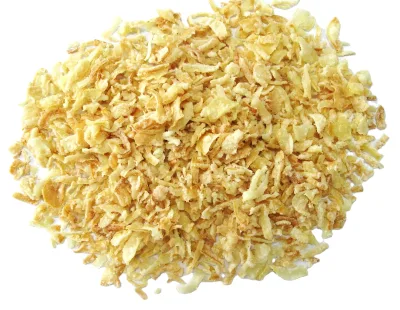
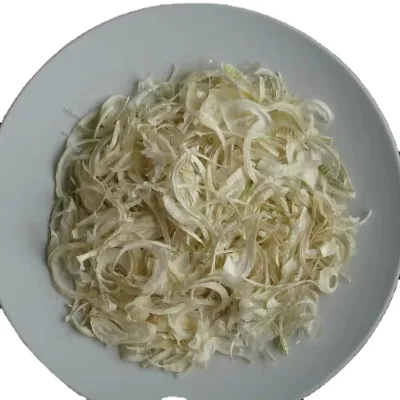
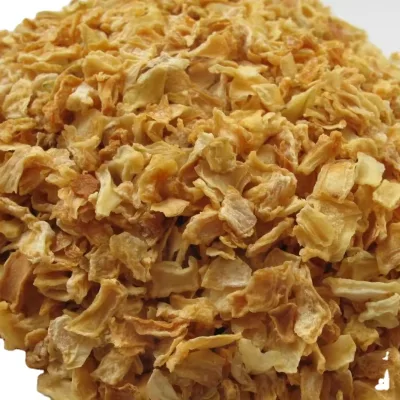
Comprehensive Sourcing Guide
Steamed Pure Onion Flakes Sourcing Guide
Procuring Steamed Pure Onion Flakes requires a nuanced understanding of processing variations, as market listings often conflate dehydrated, fried, and baked forms under similar terminology. Buyers must distinguish between products labeled as "steamed" and those described as "baked" or "fried," as these processes yield distinct textural and flavor profiles critical for specific culinary applications. The supplied data indicates a prevalence of dehydrated onion products with moisture contents ranging from 6% to 8%, which serves as a baseline for dryness but does not confirm steaming. Consequently, sourcing teams must verify the specific thermal treatment method used by the supplier to ensure the final product meets the intended sensory requirements for meat products, baking, or seasoning blends.
Commercial availability is broad, with supply abilities reaching up to 2000 metric tons per month from origins such as China and Gansu Province. However, the observed product attributes reveal significant heterogeneity, including variations in shape from obround to sliced, and forms ranging from whole to powder and granules. This diversity necessitates precise specification alignment during the inquiry phase. Buyers should not assume that all listed "onion" products are interchangeable; instead, they must explicitly request confirmation of the steaming process, as many suppliers offer standard dehydrated or fried alternatives that may not deliver the desired mildness or rehydration characteristics associated with steamed varieties.
Product Scope and Observed Listing Signals
The current market landscape for onion-based ingredients is dominated by dehydrated forms, with observed listings highlighting attributes such as "Dehydrated Onion," "Baked" processing, and "Fried" producting types. While the core keyword specifies "steamed," the available evidence primarily reflects dried, sliced, or powdered variants with light yellow or white coloration. Buyers should interpret these signals as indicative of the general supply base rather than a direct match for steamed specifications. The presence of "Whole" and "Sliced" shapes alongside "Powder" forms suggests that suppliers may offer multiple processing routes, requiring careful filtering to identify those capable of or specializing in steamed preparation methods.
Packaging and weight specifications vary widely, with common offerings including 25 kg cartons, woven bags, mesh bags, and tinned options. The observed MOQ range spans from 1 to 2000 units, indicating flexibility for both trial orders and large-scale industrial procurement. However, the discrepancy between the "steamed" keyword and the "dehydrated" or "baked" attributes in the data underscores the need for rigorous clarification. Buyers must treat the observed "Dehydration" maturity and "Baked" processing types as standard market defaults, actively seeking suppliers who can deviate from these norms to provide true Steamed Pure Onion Flakes, ensuring the product aligns with specific formulation needs for pungency and aroma control.
Technical Specifications to Verify
Moisture content is a critical technical parameter, with observed values ranging from 6% to 8% for dehydrated products. For Steamed Pure Onion Flakes, buyers must verify if the steaming process affects the final moisture retention compared to standard dehydration. The observed "Max. Moisture (%): 6" and "Moisture: 8%" provide reference points for dryness, but steamed products may require different thresholds to maintain texture and prevent microbial growth. Buyers should request specific moisture analysis reports to ensure the product meets stability requirements for long-term storage, typically cited as 18 months in the observed data, while confirming that the steaming process does not compromise shelf life or require modified storage conditions.
Physical form and appearance are equally important, with observed attributes including "Free Flowing Powder/Granules/Flakes," "Light Yellow" or "White" color, and "Obround" or "Sliced" shapes. The term "pure" implies a 100% onion ingredient content, which is supported by the observed "Ingredient: Onion 100%" data. Buyers must verify that the steamed flakes are free from additives and maintain the typical pungent onion flavor and aroma without off-odors. Additionally, the shape and size distribution should be confirmed to ensure compatibility with downstream processing equipment, whether for direct seasoning, rehydration in sauces, or incorporation into baked goods, ensuring consistent product performance.
Compliance and Safety Documentation
Food safety certifications are paramount, with HACCP explicitly observed in the supplied data. Buyers must verify that the supplier maintains valid HACCP certification and inquire about additional standards such as ISO22000, which is mentioned in the low-confidence background but not confirmed. For Steamed Pure Onion Flakes, it is essential to confirm that the steaming process effectively reduces microbial load, complementing the observed "E. Coli: Negative" test results. Buyers should request recent third-party laboratory reports to validate pathogen absence and ensure that the processing environment adheres to strict hygiene protocols, minimizing the risk of contamination during the thermal treatment and subsequent drying stages.
Allergen and contamination controls must be rigorously documented, especially given the potential for cross-contamination in facilities handling multiple onion varieties or other allergens. Buyers should verify that the supplier has clear protocols for preventing foreign material inclusion, as observed attributes like "Free Flowing Powder" suggest a fine particulate nature that may be susceptible to contamination. Additionally, the "Customized" total plate count and other microbial limits observed in the data indicate that suppliers may offer tailored safety specifications. Buyers must ensure that these customized limits align with their internal quality standards and regulatory requirements in their target markets, particularly regarding heavy metals and pesticide residues.
Cost Drivers and Commercial Terms
Pricing for onion-based ingredients is influenced by raw material quality, processing complexity, and packaging specifications. The observed price range of 1.1 to 2000 USD reflects significant variation, likely driven by differences in form, quantity, and supplier tier. For Steamed Pure Onion Flakes, the additional steaming step may introduce cost premiums compared to standard dehydrated or fried products. Buyers should anticipate that pricing will be sensitive to the volume ordered, with the observed supply ability of 2000 metric tons per month suggesting economies of scale for larger commitments. It is crucial to request detailed quotations that break down costs by processing method, packaging type, and logistics to understand the true cost structure.
Commercial terms such as MOQ, lead time, and port of dispatch are key variables in procurement planning. The observed MOQ range of 1 to 2000 units and port of dispatch from SHANGHAI provide a baseline for logistical expectations. Buyers must clarify lead times for steamed products, as the additional processing step may extend production cycles compared to standard dehydrated items. Additionally, packaging details like "25 KG/CTN" or "Mesh Bags" impact handling and storage costs. Buyers should negotiate terms that align with their inventory management strategies, ensuring that payment terms and delivery schedules accommodate the specific production and distribution requirements of their supply chain.
Supplier Qualification and Quality Control
Supplier qualification should begin with a thorough review of manufacturing capabilities and quality management systems. Buyers must verify that the supplier has dedicated equipment for steaming processes, as the observed data highlights "Baked" and "Fried" methods as common alternatives. Facilities that offer multiple processing routes may have the flexibility to produce steamed flakes, but buyers should conduct virtual or on-site audits to confirm the integrity of the steaming infrastructure. Additionally, the observed "Customization: Available" attribute suggests that suppliers may accommodate specific product requirements, but buyers must ensure that these customizations are supported by robust quality control protocols and consistent production capabilities.
Quality control measures should include regular testing for moisture, microbial load, and sensory attributes. Buyers should establish clear acceptance criteria for color, aroma, and texture, ensuring that the steamed flakes meet the expected "Pungent Onion Flavor" and "No off Odor" standards observed in the data. Furthermore, buyers must verify the supplier's ability to provide batch-specific certificates of analysis, ensuring traceability from raw material to finished product. The observed "Place of Origin: China" and "Gansu Province" indicate key sourcing regions, and buyers should assess the local agricultural conditions and supply chain stability to mitigate risks associated with raw material availability and seasonal variations.
Long-Term Procurement Checks
Long-term procurement success depends on continuous monitoring of supplier performance and market dynamics. Buyers should establish key performance indicators (KPIs) for delivery reliability, product quality consistency, and responsiveness to issues. Given the observed "Shelf Life: 18 Months," buyers must implement inventory rotation strategies to ensure product freshness and minimize waste. Additionally, buyers should regularly review supplier certifications and audit reports to ensure ongoing compliance with food safety standards. The dynamic nature of the onion market, with variations in raw material quality and processing techniques, requires proactive engagement with suppliers to address potential challenges and maintain supply chain resilience.
Strategic sourcing decisions should also consider diversification of suppliers and geographic origins to mitigate risk. While the observed data highlights China and Gansu Province as key origins, buyers should explore alternative sources to ensure supply continuity. Furthermore, buyers should stay informed about regulatory changes and market trends that may impact the availability and cost of Steamed Pure Onion Flakes. By maintaining a flexible and informed procurement strategy, buyers can optimize their sourcing operations, ensure product quality, and achieve cost-effective supply of Steamed Pure Onion Flakes for their specific application needs.
FAQs
What is the moisture content of dehydrated onion flakes?
The maximum moisture content is 6% for baked dehydrated onion products. Some variations may list 8% moisture depending on the specific processing type. This low moisture level ensures a long shelf life of 18 months when stored in a cool and dry place. The product is free flowing and maintains a pungent onion flavor without off odors.
Can I customize the packaging for bulk orders?
Yes, customization is available for packaging requirements. Standard options include 25 kg cartons, woven bags, mesh bags, or tinned cans. You can also request customized weights such as 20 kg or other specific sizes. The supplier offers a supply ability of 2000 metric tons per month to accommodate large-scale bulk orders efficiently.
Which certifications apply to these dehydrated onion products?
The products are certified under HACCP standards to ensure food safety. The ingredient is 100% onion, prepared from fresh mature onions. E. Coli tests are negative, and the total plate count can be customized to meet specific buyer requirements. This certification supports safe usage in meat products, baking, and general seasoning applications.
What are the typical specifications for onion flakes?
Specifications include 25 kg per carton or bag, with model numbers like DEHYDRATED ONION. Sizes range from 50 grams to 60 grams and up. The shape is obround or oval, and the color is light yellow or white. The product is available in sliced, powder, or flake forms, suitable for various industrial food processing needs.
Where are these dehydrated onions sourced from?
The place of origin is China, specifically Gansu Province. The port of dispatch is Shanghai, facilitating international logistics. The brand name is FOODCHEM, and the product is made from normal onion material. This location ensures access to established supply chains for bulk agricultural exports.
How should dehydrated onion flakes be stored?
Store the product in a cool and dry place to maintain quality. The shelf life is 18 months under these conditions. The product appears as free-flowing powder, granules, or flakes. Proper storage prevents moisture absorption and preserves the typical pungent aroma and flavor, ensuring the product remains suitable for seasoning and baking applications.