Source Steaming Rice Cart Rubber Gasket for Machinery, Hydraulic Cylinder, and Industrial Component
Compare 30 listings for Steaming Rice Cart Rubber Gasket from suppliers in China. Buyers can review customized sizes, NBR material options, and OEM capabilities for applications in machinery and hydraulic systems.
Key considerations
Products List


Temperature Resistance Steamer Oven Food Grade Silicone Rubber Sealing Gasket
$0.10 - $2.00
MOQ: 100 Meters


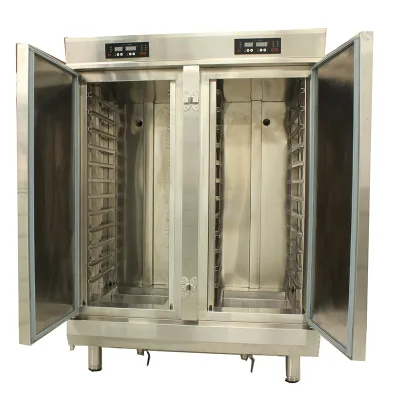


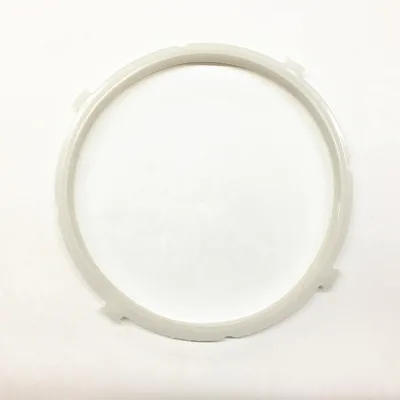


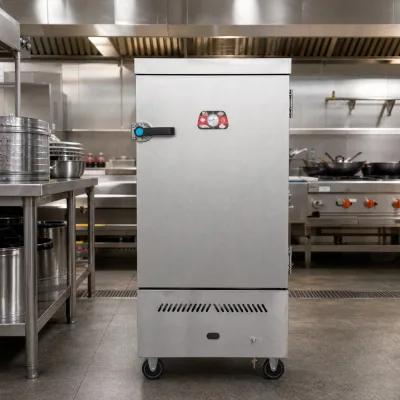
Comprehensive Sourcing Guide
Strategic Sourcing Guide for Steaming Rice Cart Rubber Gaskets
Understanding Product Specifications and Material Composition
When sourcing rubber gaskets specifically designed for steaming rice carts, buyers must first distinguish between generic sealing components and those engineered for high-temperature, high-humidity food processing environments. The core material selection is the primary determinant of performance. Based on available industry data, Nitrile Butadiene Rubber (NBR) is a prevalent material choice for such applications due to its robust resistance to oils and fuels, which often accompany food preparation equipment. However, for steaming applications, the material must also withstand thermal stress. The observed hardness range for similar industrial rubber components typically spans from 20 to 90 Shore A, a metric that dictates the gasket's flexibility and compression set resistance. A gasket that is too soft may extrude under pressure, while one that is too hard may fail to seal the irregular surfaces often found in rice cart lids.
The cross-section shape is another critical specification. While O-rings are a standard configuration for many sealing applications, the specific geometry required for a steaming rice cart may vary depending on the groove design of the cart itself. Some products in the market are categorized by their lip structure, such as single-lip designs, which are often utilized to prevent dust ingress while maintaining a seal. The working temperature range is a non-negotiable parameter; for steaming processes, the gasket must remain stable in environments ranging from -35°C to +120°C. Exceeding these thermal limits can lead to premature hardening, cracking, or loss of elasticity, compromising the steam integrity and potentially affecting food safety. Buyers should verify that the specific gasket model they are considering, whether designated by a model number like YB-005 or G-J34, explicitly lists compatibility with these thermal conditions.
Compliance, Certification, and Safety Standards
In the food processing sector, compliance is not merely a regulatory hurdle but a fundamental requirement for market access and consumer trust. When evaluating potential suppliers for steaming rice cart gaskets, buyers must prioritize vendors who can demonstrate adherence to recognized quality management systems. The presence of ISO 9001:2008 certification is a significant indicator of a supplier's commitment to consistent manufacturing processes and quality control. Additionally, while specific food-grade certifications are not explicitly detailed in all product listings, the presence of SGS testing capabilities suggests a capacity for third-party verification of material safety and performance.
Buyers must exercise caution when interpreting standard labels. Some product descriptions may list "Standard" or "Nonstandard" as the standard type, which is a generic classification rather than a specific regulatory compliance. It is essential to request documentation that confirms the rubber compound meets food contact regulations, such as FDA 21 CFR or equivalent regional standards, even if the product page does not explicitly state this. The material composition, often listed as "Hard Rubber" or specific polymers like NBR, must be verified to ensure it does not leach harmful substances under high heat and steam. Furthermore, the "Condition" of the product should always be confirmed as "100% New" to avoid issues with recycled materials that might compromise the seal or introduce contaminants. The origin of the product, often listed as Zhejiang or Hebei in China, should be cross-referenced with the supplier's ability to provide traceability for the raw materials used in the gasket production.
Cost Drivers and Pricing Variables
The pricing of rubber gaskets for steaming rice carts is influenced by a complex interplay of factors, including material costs, customization requirements, and order volume. The observed price range in the market can vary significantly, from as low as $0.01 to as high as $485 per unit, depending on the scale and specificity of the order. This wide disparity is primarily driven by the "Selling Units" structure; many suppliers list prices for single items, while bulk pricing is negotiated based on the Minimum Order Quantity (MOQ). The MOQ can range from a single unit to 2,000 units, meaning that small-scale buyers may face a higher per-unit cost compared to large industrial purchasers.
Customization is a major cost driver. While some suppliers offer standard sizes, the "Size" attribute for many gaskets is listed as "Customized" or "Standard or Customized." Developing a custom mold for a specific rice cart model incurs additional tooling costs, which are often amortized over the order quantity. The "Packaging Details" also play a role in the final cost; options such as "15kg Per Carton" or "Paper or Plastic Film + Carton" affect logistics and handling expenses. Furthermore, the "Supply Ability" of the manufacturer, which can be as high as 500,000,000,000 pieces per week, suggests that high-volume suppliers may offer more competitive pricing due to economies of scale. Buyers should also consider the "Lead Time," which is often listed as "Customized." Rush orders or expedited shipping from ports like Ningbo will inevitably increase the total landed cost. Therefore, a comprehensive cost analysis must look beyond the unit price to include tooling fees, packaging variations, and logistics expenses associated with the port of dispatch.
Typical Applications and Functional Requirements
The primary application for these rubber gaskets is in the sealing of machinery and industrial components, specifically within the domain of hydraulic cylinders and food processing equipment. For steaming rice carts, the gasket serves a dual purpose: maintaining a tight seal to retain steam pressure and preventing the ingress of dust and contaminants. The "Effect" of the seal is described as "Hole with Seal," indicating a specific design intent to block fluid or gas escape through a central aperture. The "Application" field often explicitly mentions "Hydraulic Cylinder," suggesting that the gaskets may be repurposed or designed for similar pressure-sealing needs in rice cart mechanisms that utilize pneumatic or hydraulic lifting systems.
The functional requirements extend beyond simple sealing. The "Feature" list often includes attributes such as "Durable," "Oil-Resistant," "Heat Resistant," and "Dustproof." These characteristics are critical for the longevity of the gasket in a steaming environment. The "Dustproof" attribute is particularly relevant for food safety, ensuring that external particles do not contaminate the rice during the steaming process. The "Pressure" type is noted as "Pressure Type," implying that the gasket is designed to withstand internal pressure fluctuations common in steamers. Additionally, the "Spring Type" and "Damping Force Direction" attributes, while more common in suspension systems, highlight the versatility of rubber components in absorbing shock and maintaining contact under dynamic conditions. For a steaming rice cart, this translates to the gasket's ability to maintain a seal even when the lid is subjected to thermal expansion or mechanical vibration during operation.
Supplier Evaluation and Verification Protocols
Evaluating a supplier for steaming rice cart gaskets requires a rigorous due diligence process that goes beyond the information provided on a product page. Buyers should verify the "Place of Origin," which is frequently listed as Zhejiang or Hebei, China, and confirm the supplier's physical presence and manufacturing capabilities in these regions. The "Brand Name" or "Brand" listed, such as "Ys" or "Tokico," should be investigated to ensure it represents a legitimate manufacturer rather than a trading company with limited control over quality. The "OEM" (Original Equipment Manufacturer) capability is a crucial factor; a "Yes" response indicates the supplier can produce custom designs, which is often necessary for specialized rice cart models.
Buyers must also scrutinize the "After Sale Service" terms. A standard offering of "12 Months" service provides a baseline for warranty coverage, but the specifics of what is covered—such as premature failure or material defects—must be clarified in the contract. The "Stock" availability, described as "Rich in Size and Quantity," is a positive indicator for immediate fulfillment, but buyers should confirm if this stock is held locally or requires shipping from the factory. The "Port of Dispatch," typically Ningbo, should be factored into the logistics planning, as shipping times and costs will vary based on the destination. Finally, the "Standard" attribute, which may list "SGS, ISO9001-2008" or "Standard, Nonstandard," should be treated as a claim to be verified with current certificates rather than an absolute guarantee. Requesting recent audit reports or third-party test results is essential to validate these claims before placing a large order.
Quality Control and Long-Term Procurement Considerations
Ensuring consistent quality in rubber gasket procurement involves establishing clear quality control (QC) protocols and planning for long-term supply chain stability. The "Condition" of the product must be strictly defined as "100% New," and buyers should implement incoming inspection procedures to verify this. The "Hardness" of the rubber, measured in Shore A, should be tested against the specified range of 20-90 to ensure it meets the design requirements for the specific rice cart model. Additionally, the "Working Temperature" range must be validated through thermal cycling tests to confirm that the gasket does not degrade under repeated steaming cycles.
For long-term procurement, buyers should consider the "Lead Time" and "Supply Ability" of the supplier. A supply ability of 500,000,000,000 pieces per week suggests a robust manufacturing capacity, but the actual lead time may vary based on order size and customization needs. Establishing a relationship with a supplier that offers "Customized" lead times and sizes can provide flexibility for future product iterations. The "Packaging Details," such as "Carton Box" or "Paper or Plastic Film + Carton," should be evaluated for their ability to protect the gaskets during transit and storage, preventing deformation or contamination. Finally, buyers should monitor the "Standard" compliance of the supplier over time, ensuring that any changes in manufacturing processes or material sources do not compromise the quality or safety of the gaskets. By maintaining a proactive approach to QC and supplier management, buyers can ensure a reliable supply of high-performance rubber gaskets for their steaming rice cart operations.
FAQs
What materials are used for steaming rice cart rubber gaskets?
NBR and hard rubber are common materials used for these gaskets. They offer oil resistance and durability suitable for industrial components and hydraulic cylinders.
Which certifications do suppliers typically provide for these gaskets?
Suppliers often list SGS and ISO9001-2008 certifications for their products. These standards indicate adherence to quality management systems and material safety verification.
How is the hardness of the rubber gasket measured?
The hardness is measured on the Shore A scale, typically ranging from 20 to 90. This range ensures flexibility and compression set resistance for effective sealing.
Can I customize the size and color of the gasket?
Yes, both size and color can be customized to meet specific requirements. Standard options include red, yellow, grey, and black, with sizes available in standard or custom dimensions.
What is the working temperature range for these rubber gaskets?
The working temperature range is typically between -35 and +120 degrees Celsius. This ensures stability during high-temperature steaming processes without losing elasticity.
Where are these gaskets manufactured and shipped from?
Products originate from regions like Zhejiang and Hebei in China. They are typically dispatched from the Ningbo port for international shipping.
What is the minimum order quantity for purchasing these gaskets?
The minimum order quantity ranges from 1 to 2000 units depending on the supplier. Customization often influences the specific MOQ required for an order.
How long is the lead time for custom orders?
Lead times are often customized based on order volume and specific requirements. Buyers should confirm the exact timeline with the manufacturer before placing an order.