Source Organic Dried Chinese Black Jujube for Snacks, Tea, and Medicine
Compare 30 listings for Organic Dried Chinese Black Jujube from Chinese suppliers. Review specifications including moisture, size, and packaging options to find the right product for your needs.
Key considerations
Products List


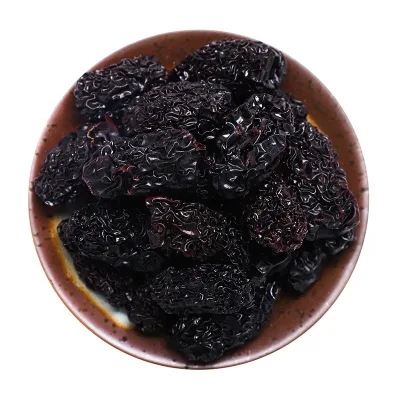


Halal Cert Good Package China Red Jujube Best Quality Healthy Snack Dry Jujube
$2000.00 - $3500.00
MOQ: 1 Tons


Comprehensive Sourcing Guide
Strategic Sourcing Guide for Organic Dried Chinese Black Jujube
Understanding Product Variability and Core Attributes
Sourcing Organic Dried Chinese Black Jujube requires a nuanced understanding of the product's inherent variability. Unlike standardized industrial components, agricultural commodities exhibit significant fluctuations based on origin, harvest time, and processing methods. The core keyword "Organic Dried Chinese Black Jujube" encompasses a range of products that may appear similar but differ fundamentally in chemical composition, physical structure, and regulatory compliance. Buyers must recognize that the term "black jujube" often refers to a specific stage of drying or a specific cultivar, yet the market also includes products described as "red dried date" or "purple black" varieties that may serve similar culinary or medicinal functions.
The physical appearance of the product is a primary differentiator. Observed attributes in the supply chain indicate a spectrum of colors ranging from "Red to Purplish-Red Skin" to "Black" and "Purple Black." These color variations are not merely aesthetic; they often correlate with the drying process and the specific cultivar, such as the Hotan, Ruo Qiang, or Shanxi Jujube. The shape is consistently observed as "Indehiscent," meaning the fruit does not split open upon drying, which is a critical quality indicator for intact fruit. Furthermore, the style is predominantly "Whole," distinguishing it from sliced or powdered derivatives. Buyers should verify that the specific lot they are purchasing matches the visual expectations of "black" or "purple black" jujubes, as some suppliers may list red varieties under broader organic categories.
Technical Specifications and Quality Parameters
Technical specifications form the backbone of any procurement agreement for dried fruits. For Organic Dried Chinese Black Jujube, moisture content is the most critical parameter affecting shelf life and microbial stability. The observed data presents a range of moisture levels, with some specifications citing "18%" while others allow for "Abt 20%" or a range of "18%-22%." A stricter limit of "<22%" is also noted. This variance necessitates that buyers explicitly define their acceptable moisture threshold in the purchase order, as higher moisture content can accelerate spoilage and reduce the effective shelf life.
Nutrient composition is another vital technical aspect. The product is characterized by a rich profile including "Mineral, Vitamin, Protein, Amino Acid, and Lipid." However, the specific balance of these nutrients can vary. Some product descriptions highlight "Mineral, Vitamin, Protein" as the primary components, while others include "Amino Acid" and "Lipid" in the list. Buyers should request a Certificate of Analysis (CoA) that details the specific nutrient profile of the current batch rather than relying on general descriptions.
Physical integrity and purity are equally important. The "Bad Fruit Rate" is observed to be "<2.0%" in high-quality listings, indicating a strict standard for removing defective or under-ripe fruit. Impurities should be "Not Detected," ensuring the product is free from foreign matter such as stones, twigs, or soil. The taste profile is described as having "The Unique Jujube Flavor and Sweet and Sour Taste" or simply "Sweet," with an odor described as "Fresh Jujube Smell" or "Characteristic of Red Dates." These sensory attributes are subjective but should be verified through sample tasting before bulk ordering.
Compliance, Certification, and Regulatory Standards
The "organic" designation is a critical compliance factor that requires rigorous verification. The supply chain supports multiple certification standards, including "Conventional/Nop/EU" and specific organic certifications like "EU/USDA/Canada/Mexico Organic." The presence of the "organic" standard in product specifications confirms that the cultivation and processing adhere to organic farming regulations, which prohibit synthetic pesticides and fertilizers. However, buyers must not assume that all listed products are certified organic unless the specific certificate is provided.
The regulatory landscape for importing dried jujubes involves adherence to standards in both the country of origin and the destination market. The observed standards include "EU/USDA/Canada/Mexico Organic," suggesting that suppliers may be capable of meeting the diverse requirements of North American and European markets. Additionally, the product standard "100-110pcs/500g" or "90 size per 500g" indicates that size grading is a part of the quality control process. Buyers must ensure that the supplier's certification covers the specific organic standard required by their local regulations.
It is essential to distinguish between "Conventional" and "Organic" standards. While some product data lists "Conventional/Nop/EU," the core keyword specifies "organic." Therefore, procurement teams must explicitly filter for suppliers who can provide valid organic certificates from recognized bodies. The absence of a specific certification in the product listing does not imply non-compliance, but it does require the buyer to demand proof of certification before finalizing a contract.
Cost Drivers and Economic Considerations
The economic landscape for sourcing Organic Dried Chinese Black Jujube is influenced by several distinct cost drivers. The Minimum Order Quantity (MOQ) is a significant factor, with observed ranges spanning from "1" to "1830" units, though a specific high-confidence fact cites an MOQ of "500kg." This discrepancy highlights the importance of clarifying the unit of measurement and the specific supplier's requirements. A lower MOQ may be available for trial orders or smaller batches, but it often comes with a higher unit price. Conversely, larger orders may benefit from economies of scale but require significant capital outlay and storage capacity.
Packaging specifications also impact the total cost. The observed packaging formats include "12kg/Carton" and "10kg/ Carton," with some products using generic "Carton" packaging. The choice of packaging affects logistics costs, as heavier cartons may require different handling equipment or result in higher shipping fees. Additionally, the "prod_packing" specification of "12kg/Carton" suggests a standardized unit that facilitates efficient palletization and transport.
Lead times and storage conditions are additional cost considerations. The "Storage" requirement is listed as "Low Temperature" or "Room Temperature," depending on the specific product grade. Maintaining low-temperature storage during transit and warehousing adds to the operational costs but is necessary to preserve the "Shelf Life" of 12 to 24 months. The "Drying Process" is noted as "AD" (likely Air Drying), which is a traditional method that may influence the final price compared to freeze-dried alternatives. Buyers should factor in the cost of cold chain logistics if the product requires low-temperature storage to maintain its quality and extend its shelf life.
Supplier Evaluation and Verification Protocols
Evaluating suppliers for Organic Dried Chinese Black Jujube requires a multi-faceted approach that goes beyond price comparison. The origin of the product is a key indicator of quality and authenticity. The observed locations include "China" generally, with specific mentions of "Hebei, China" and cultivars like "Hotan Jujube" and "Ruo Qiang Jujube." These specific origins are known for producing high-quality jujubes, and buyers should verify that the supplier can trace the product back to these specific regions.
Supplier credibility is further established through their ability to provide comprehensive documentation. Buyers should request a full set of documents, including the Certificate of Origin, Organic Certificate, and a detailed Certificate of Analysis. The "Standard" field in the product data lists various certifications, and the supplier must be able to provide the actual certificate corresponding to the "EU/USDA/Canada/Mexico Organic" or "Nop" standards. The absence of these documents is a red flag that should halt the procurement process.
The "Corp" attribute, listed as "2024," suggests that the supplier's corporate status or the product's certification year is relevant. Buyers should verify the validity of the supplier's business license and their organic certification status for the current year. Additionally, the "Style" being "Whole" and the "Appearance" being "Red Dried Date" or "Black" should be confirmed against physical samples. A reliable supplier will be transparent about their production processes, including the "Drying Process" and any post-harvest treatments.
Quality Control and Inspection Strategies
Implementing a robust quality control (QC) strategy is essential to mitigate the risks associated with agricultural sourcing. The first line of defense is the pre-shipment inspection, which should focus on the visual and physical attributes of the product. Inspectors must verify the color, ensuring it matches the "Black" or "Purple Black" description, and check for the "Indehiscent" shape. The "Bad Fruit Rate" must be strictly monitored to ensure it remains below the "<2.0%" threshold. Any deviation from these standards should result in the rejection of the lot.
Laboratory testing is another critical component of QC. Buyers should mandate testing for moisture content, ensuring it falls within the agreed-upon range of "18%" to "<22%". Testing for ash content, with an observed limit of "<5.0%", is also recommended to ensure the product is free from excessive soil or mineral contamination. The "Impurity" level should be confirmed as "Not Detected" through visual and mechanical inspection. Furthermore, microbial testing is necessary to ensure the product meets food safety standards, although specific test results are not provided in the source data.
The "Shelf Life" of the product, ranging from "12 Months" to "24 Months," depends heavily on storage conditions. Buyers should verify that the supplier has implemented proper storage protocols, such as "Low Temperature" or "Room Temperature" storage, to maintain the product's integrity. The "Taste" and "Odor" should also be evaluated to ensure they meet the "Unique Jujube Flavor" and "Fresh Jujube Smell" criteria. Any off-flavors or odors could indicate spoilage or improper handling.
Long-Term Procurement and Supply Chain Resilience
Establishing a long-term relationship with suppliers of Organic Dried Chinese Black Jujube requires a focus on supply chain resilience and consistency. The "Kinds of Jujube" available, such as "Hotan Jujube," "Ruo Qiang Jujube," and "Shanxi Jujube," offer opportunities for diversification. Buyers should consider maintaining relationships with multiple suppliers to mitigate the risk of supply disruptions due to weather events or geopolitical factors.
The "prod_model" identifiers, such as "H2," "PBJ001," "PJJ2402-1," and "PBJ2601," serve as unique product codes that help in tracking specific batches and maintaining consistency. Buyers should use these codes to ensure that the same product specifications are delivered over time. The "Standard" of "60/70/100/130pcs per 500g" or "200-230 pcs/ kg" provides a clear metric for size grading, which should be maintained across all orders to ensure product uniformity.
Sustainability and ethical sourcing are increasingly important in the organic market. Buyers should inquire about the supplier's farming practices and their commitment to organic principles. The "Warmth" attribute, listed as "Normal," may refer to the thermal properties of the fruit or its processing, but it is less critical than the overall quality and safety. By focusing on long-term partnerships, buyers can secure a stable supply of high-quality Organic Dried Chinese Black Jujube while fostering a sustainable and ethical supply chain.
Comparative Analysis of Product Specifications
To facilitate decision-making, the following table summarizes the key technical and compliance attributes observed in the supply chain for Organic Dried Chinese Black Jujube. This comparison highlights the variability in specifications that buyers must navigate.
| Attribute | Observed Range/Value | Verification Requirement |
|---|---|---|
| Color | Black, Purple Black, Red to Purplish-Red | Visual inspection against sample |
| Moisture | 18%, Abt 20%, 18%-22%, <22% | Lab test for specific batch |
| Shelf Life | 12 Months, 24 Months | Storage condition verification |
| Standard | Conventional/Nop/EU, EU/USDA/Canada/Mexico Organic | Certificate of Analysis & Organic Cert |
| MOQ | 1-1830 (High-confidence: 500kg) | Contract negotiation |
| Packing | 12kg/Carton, 10kg/Carton, Carton | Physical inspection of packaging |
| Bad Fruit Rate | <2.0% | Visual inspection of sample |
| Origin | China, Hebei, China | Certificate of Origin |
| Nutrient Profile | Mineral, Vitamin, Protein, Amino Acid, Lipid | Lab test for nutrient content |
| Shape | Indehiscent | Visual inspection |
This table underscores the necessity of precise specification definition. Buyers should not rely on general descriptions but must demand specific data points that align with their operational needs. By adhering to these rigorous standards, buyers can ensure the procurement of high-quality Organic Dried Chinese Black Jujube that meets both regulatory and consumer expectations.
FAQs
What certifications are available for Organic Dried Chinese Black Jujube?
Products can meet Conventional, NOP, EU, USDA, Canada, and Mexico organic standards. Buyers must verify specific certificates for the required market rather than assuming all listed items are certified organic.
How is the moisture content controlled in these dried jujubes?
Moisture levels typically range from 18% to 22%, with some specifications requiring less than 22%. Strict control is necessary to ensure shelf life stability and prevent microbial spoilage during storage.
Which packaging formats are commonly used for bulk orders?
Common packaging includes 12kg per carton or 10kg per carton, with some generic carton options available. Standardized units facilitate efficient palletization and reduce logistics costs during international shipping.
Can suppliers provide customization for specific jujube varieties?
Customization is available for varieties like Hotan, Ruo Qiang, and Shanxi jujubes. Buyers should confirm if the supplier can source specific cultivars to match their regional quality expectations.
What is the typical shelf life for organic dried jujubes?
Shelf life ranges from 12 to 24 months depending on storage conditions. Products stored at room temperature or low temperature maintain quality, but specific storage requirements must be verified for each batch.
How do suppliers define the size specification for these dates?
Size is defined by count per weight, such as 60 to 130 pieces per 500g or 200 to 230 pieces per kg. Buyers must specify their preferred size grade to ensure consistency in the final product.