Source Steel Bike Cassette for MTB, Road, and Commuter Bikes
Find 30 Steel Bike Cassette options with varying speeds from 7 to 10 and tooth counts ranging from 14 to 36. Buyers can compare specifications including material, weight, and certification standards from suppliers in China.
Key considerations
Products List
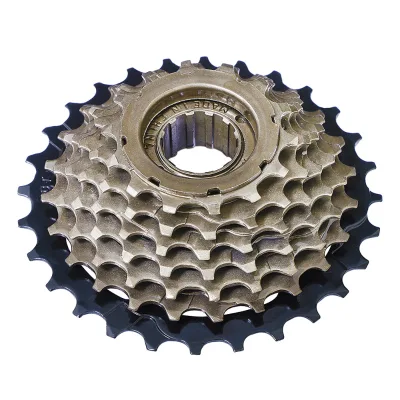
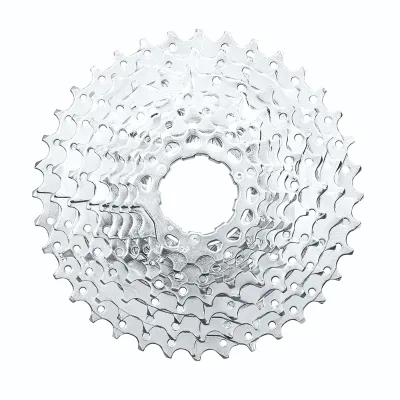


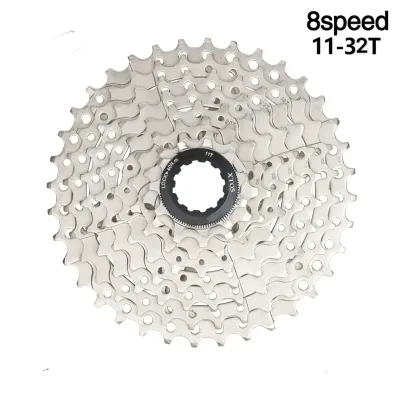
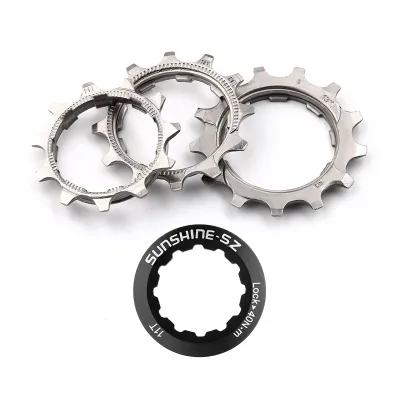
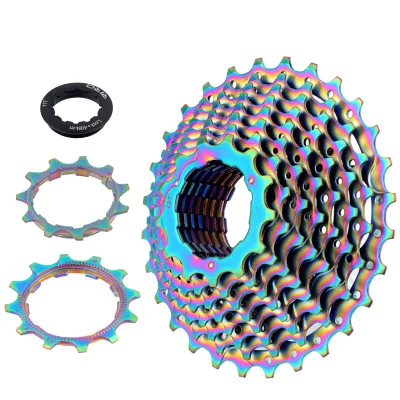
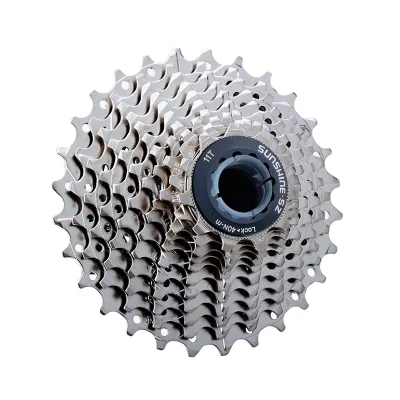
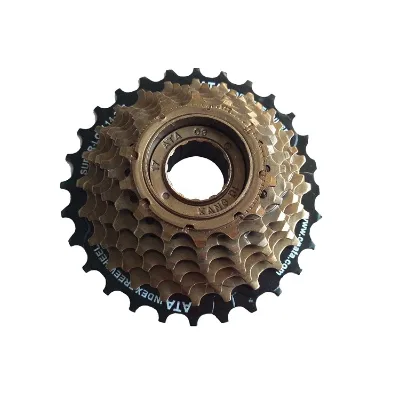


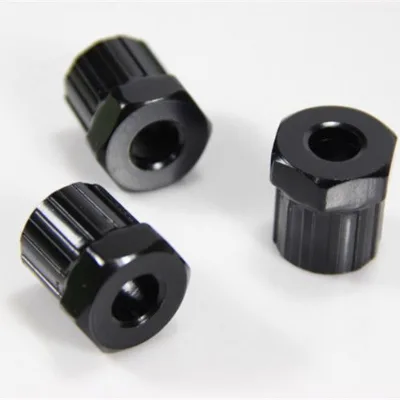

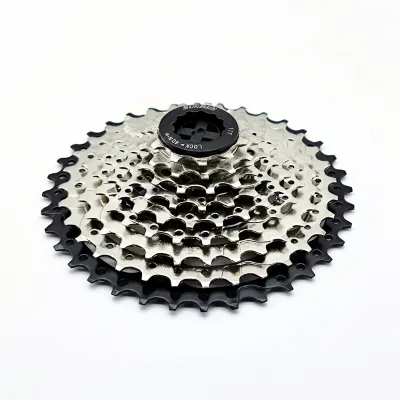
Bicycle Parts Freewheel Cassette Sprocket 9 Speed 11-36T Cassette Freewheel
$4.46 - $5.95
MOQ: 100 pieces
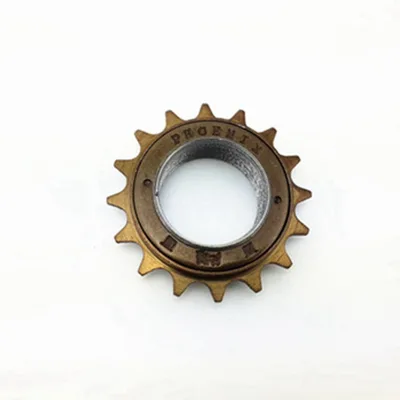
Comprehensive Sourcing Guide
Strategic Sourcing Guide for Steel Bicycle Cassettes
Understanding Technical Specifications and Variants
When sourcing a steel bicycle cassette, the primary objective is to align the component's mechanical properties with the specific drivetrain requirements of the target bicycle. The core material, steel, offers a distinct balance of durability, weight, and cost-effectiveness compared to aluminum or carbon fiber alternatives. Based on observed market data, steel cassettes are frequently categorized by their speed compatibility and tooth count ranges. Buyers must distinguish between 7-speed and 10-speed configurations, as these dictate the width of the cog spacing and the compatibility with existing shifters and chains.
The tooth configuration is a critical technical variable. For 7-speed systems, the observed range typically spans from 14 to 28 teeth, providing a moderate gear ratio suitable for general riding. In contrast, 10-speed steel cassettes often feature a wider spread, such as 11-12-15-19-21-24-28-32-36 teeth, designed to offer a broader range of gearing for varied terrain. The physical dimensions of the package are also essential for logistics planning; a standard single package size for these components is approximately 16x16x7 cm. Weight is another significant factor, with observed values ranging from 418 grams to 480 grams depending on the specific speed and tooth count. These variations directly impact the overall weight of the bicycle and the rotational mass, which influences acceleration and climbing efficiency.
Compliance, Certification, and Quality Standards
In the B2B procurement of bicycle components, verifying compliance and certification is non-negotiable for ensuring product safety and market access. The supply chain for steel cassettes often originates from manufacturing hubs in China, specifically regions like Guangdong and Hebei Province. When evaluating suppliers, buyers should look for explicit certification marks. Observed data indicates that products may carry ISO and CE certifications, which are vital for European and international markets. Additionally, some suppliers reference ISO9001 and CCC (China Compulsory Certification) standards, while others may list SGS as a quality verification body.
It is crucial to treat these certifications as observations of specific supplier capabilities rather than universal guarantees for every listed product. A buyer must verify that the specific batch of steel cassettes being ordered holds the necessary documentation to meet the regulatory requirements of the destination country. The presence of a "New" condition status is a standard expectation, but the underlying manufacturing standards, such as ISO9001, provide the framework for consistent quality control. Without these verified standards, the risk of receiving components that fail to meet safety or performance benchmarks increases significantly. Buyers should request current certification copies before finalizing orders to ensure that the steel material and the manufacturing process adhere to the declared international norms.
Cost Drivers and Pricing Dynamics
The pricing of steel bicycle cassettes is influenced by a complex interplay of material costs, manufacturing complexity, and order volume. The observed price range in the market spans from $0.12 to $40.59 USD, a wide disparity that reflects differences in speed configurations, brand positioning, and order quantities. The lower end of this spectrum typically corresponds to basic 7-speed models or bulk orders with high Minimum Order Quantities (MOQ), while the higher end may reflect specialized 10-speed setups or smaller batch sizes.
MOQ values are a significant cost driver, with observed ranges extending from 2 units to 10,000 units. Suppliers often structure their pricing tiers to incentivize larger orders, which helps amortize the fixed costs of tooling and production setup. The material cost of steel is relatively stable, but the machining required to cut precise teeth and ensure smooth shifting adds to the final price. Furthermore, packaging costs play a role; some suppliers use poly bags with 20 pieces per bag, while others utilize cartons with 20 pieces per carton. These packaging variations can affect the per-unit shipping cost, especially for smaller orders. Buyers should analyze the total landed cost, including shipping and duties, rather than focusing solely on the unit price, as high-volume discounts on the unit price may be offset by increased inventory holding costs.
Typical Applications and Performance Context
Steel cassettes are versatile components designed for a wide array of bicycle types, including Mountain Bikes (MTB) and Road Bikes. The choice of a steel cassette is often driven by the need for durability and cost-efficiency in entry-level or mid-range bicycles. The observed data indicates that these cassettes are suitable for both MTB and road applications, suggesting a robust design capable of handling various riding conditions. The weight of the cassette, ranging between 418g and 480g, is a key performance metric; heavier cassettes may be preferred for durability in rugged terrain, while lighter options might be sought for road performance where weight savings are prioritized.
The gear teeth configuration directly influences the bike's performance characteristics. A 10-speed cassette with a range of 11-36T offers a wide gear spread, beneficial for climbing steep hills or tackling technical trails. Conversely, a 7-speed cassette with a 14-28T range provides a more compact gear set, ideal for flat terrain or recreational riding. It is important to note that while the material is steel, the specific heat treatment and surface finishing processes determine the wear resistance and friction characteristics. Buyers should ensure that the selected cassette matches the derailleur capacity and chain width of the bicycle to prevent mechanical failures. The compatibility with brake components, such as levers or caliper brakes, is also a consideration, although the cassette itself does not directly interact with the braking system.
Supplier Evaluation and Sourcing Channels
Evaluating suppliers requires a meticulous review of their operational capabilities and geographic location. The supply chain for these components is concentrated in specific regions of China, including Guangdong and Hebei Province, with specific manufacturing hubs noted in locations like Guangzong, Xingtai, and Xingtai, Hebei. When assessing a potential supplier, buyers should verify the origin of the product to ensure it aligns with their supply chain strategy. The presence of customization options is a valuable indicator of a supplier's flexibility, allowing buyers to tailor products to specific brand requirements or market needs.
The production capacity and lead times are critical factors in supplier selection. While specific lead times are not universally standardized in the provided data, the ability to handle MOQs ranging from 2 to 10,000 units suggests a range of production scales. Buyers should inquire about the supplier's ability to scale production during peak demand periods. Additionally, the packaging standards, such as the use of poly bags or cartons, should be evaluated to ensure they meet the logistics requirements of the buyer's distribution network. The "Selling Units" attribute, often listed as "Single item," indicates that suppliers may offer flexible purchasing options, but bulk purchasing is generally more cost-effective. A thorough due diligence process should include checking the supplier's history, customer reviews, and their adherence to the stated certifications and standards.
Quality Control and Long-Term Procurement Considerations
Implementing a robust quality control (QC) protocol is essential for maintaining the integrity of the steel cassette supply chain. Given the mechanical nature of the product, QC should focus on dimensional accuracy, tooth profile consistency, and material hardness. The observed specifications, such as spoke hole counts ranging from 16-22h to 32-40h, highlight the need for precise manufacturing tolerances. Buyers should establish clear acceptance criteria for these dimensions before production begins. Regular inspections, including random sampling and functional testing, can help identify defects early in the production process.
Long-term procurement considerations involve building a sustainable relationship with suppliers who can consistently deliver high-quality products. This includes monitoring the supplier's adherence to quality standards like ISO9001 and their ability to maintain certification over time. The "Condition: New" attribute is a baseline expectation, but long-term reliability depends on the supplier's ability to maintain consistent quality across multiple production runs. Buyers should also consider the environmental impact of their sourcing decisions, as steel is a recyclable material, and sustainable manufacturing practices can enhance the brand value of the final product. By focusing on technical specifications, compliance, and supplier reliability, buyers can secure a steady supply of high-performance steel cassettes that meet the demands of the global bicycle market.
Comparative Analysis of Key Attributes
To facilitate informed decision-making, the following table summarizes the key attributes observed in the market for steel bicycle cassettes. This comparison highlights the variations in speed, weight, and certification that buyers must consider when selecting a product.
| Attribute | 7-Speed Configuration | 10-Speed Configuration | Notes |
|---|---|---|---|
| Teeth Range | 14-28T | 11-12-15-19-21-24-28-32-36T | Wider range in 10-speed for varied terrain |
| Weight | 480g | 418g | Weight varies by specific model and speed |
| Material | Steel | Steel | Consistent material across configurations |
| Certification | ISO, CE | ISO, CE | Verify specific batch documentation |
| Origin | Guangdong, China | Guangdong, China | Check for specific factory locations |
| Packaging | 16x16x7 cm | 16x16x7 cm | Standard single package size |
| Color | Black Silver | Silver | Aesthetic variations available |
| Customization | Available | Available | Confirm specific requirements with supplier |
This table serves as a reference point for buyers to quickly identify the differences between common configurations. It underscores the importance of verifying specific details, as variations in weight and tooth count can significantly impact the performance and compatibility of the final product. By leveraging this data, buyers can make more precise selections that align with their specific product requirements and market demands.
FAQs
What are the available speed configurations for steel bike cassettes?
Steel bike cassettes are available in 7-speed and 10-speed configurations. The 7-speed models typically feature a 14-28T tooth range, while 10-speed versions offer a wider 11-36T spread for varied terrain.
Which certifications are commonly associated with these steel cassettes?
Common certifications include ISO, CE, and ISO9001 standards. Some suppliers also reference CCC or SGS verification, ensuring the products meet international safety and quality norms for the bicycle industry.
Can I find steel bike cassettes with customization options?
Yes, customization is available for steel bike cassettes. Buyers can request specific modifications to meet brand requirements, provided they coordinate directly with the manufacturer to confirm feasibility and lead times.
How does the weight vary between different speed models?
Weight varies by model, with 7-speed cassettes weighing approximately 480g and 10-speed versions around 418g. These differences impact rotational mass and overall bicycle performance depending on the intended use.
What is the typical packaging format for bulk orders?
Packaging formats include poly bags with 20 pieces per bag or cartons with 20 pieces per carton. Standard single package dimensions are roughly 16x16x7 cm, suitable for efficient logistics and storage.
Where are the primary manufacturing locations for these components?
Primary manufacturing locations are in Guangdong and Hebei Province, China. Specific hubs include Guangzong, Xingtai, and other areas within these regions known for bicycle component production.
What is the minimum order quantity for purchasing these cassettes?
Minimum order quantities range from 2 units up to 10,000 units depending on the supplier. Lower MOQs allow for smaller batch testing, while higher volumes often secure better pricing tiers.