Source Steel Formwork Shuttering Plate for Walls, Columns, and Bridges
Find 30 verified options for Steel Formwork Shuttering Plate designed for walls, columns, and bridge construction. Buyers can compare specifications, customization levels, and certifications like CE and ISO to select the right system for their projects.
Key considerations
Products List


Durable Q355 Steel Shuttering Formwork with Plywood for Walls and Columns
$53.00 - $55.00
MOQ: 100 Pieces


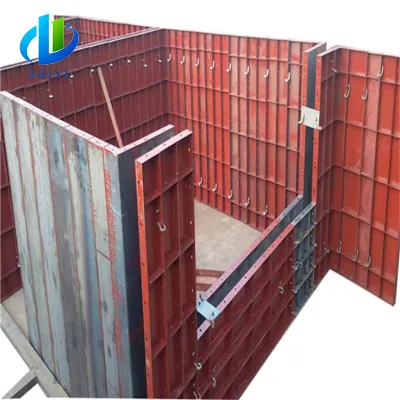
Steel Panel Formwork Wall Steel Formwork System Metal Concrete Formwork
$140.00 - $180.00
MOQ: 3999 Pieces


$80.00 - $120.00
MOQ: 500 Square Meters




Comprehensive Sourcing Guide
Strategic Sourcing Guide for Steel Formwork Shuttering Plates
The global construction industry relies heavily on durable, reusable formwork systems to ensure structural integrity and efficiency during concrete pouring operations. Among the various materials available, steel formwork shuttering plates have emerged as a critical component for large-scale infrastructure, high-rise buildings, and complex architectural projects. Sourcing these components requires a disciplined approach that balances technical specifications, compliance verification, and long-term value. This guide provides a comprehensive framework for procurement professionals evaluating steel formwork shuttering plates, utilizing observed market data and industry standards to inform decision-making without relying on unverified claims.
Technical Specifications and Material Composition
The foundation of any successful procurement strategy lies in understanding the precise technical attributes of the product. Steel formwork shuttering plates are defined by their material composition, which is predominantly steel, offering high stiffness and the ability to withstand repeated turnover cycles. In the current market, observed specifications indicate that these plates often come in slab formwork configurations, designed to support the weight of wet concrete while maintaining dimensional accuracy.
Buyers must scrutinize the physical dimensions and structural standards. Market observations reveal specific standard configurations such as 1201208 mm, though custom dimensions like 3300/3000/2400/1200 mm and 1800/900 mm are frequently available to meet project-specific demands. The thickness of the steel is a critical variable; while some products adhere to a standard thickness of 8 mm, others allow for thickness to be determined "According to Design," necessitating close collaboration with the supplier's engineering team.
The manufacturing process significantly influences the final product's performance. Many high-quality shuttering plates utilize forging techniques to enhance structural integrity. Surface treatment is another vital technical aspect; products are often painted to prevent corrosion, with options for customized colors such as red or blue, or specific finishes tailored to project requirements. The weight of these components is substantial, with observed ranges indicating a weight of 20-24 kg per meter, which impacts logistics planning and on-site handling requirements.
Compliance, Certification, and Regulatory Standards
Navigating the regulatory landscape is essential for international procurement. Steel formwork systems must adhere to rigorous quality and safety standards to ensure they perform reliably under load. A primary observation in the market is the prevalence of ISO certifications, with specific mentions of ISO 9001 for quality management systems. Additionally, CE marking is frequently cited, indicating compliance with European safety, health, and environmental protection requirements.
When evaluating potential suppliers, buyers should verify the presence of these certifications rather than accepting them as generic assertions. The supply chain often originates from specific manufacturing hubs in China, such as Jiangsu and Yancheng, where industrial clusters support large-scale production. However, the place of origin does not automatically guarantee compliance; the specific factory must provide valid, up-to-date documentation for the batch being purchased.
Standards for the formwork itself vary. While some products adhere to standardized dimensions, others are fully customized to fit unique architectural designs. Buyers should request proof of adherence to relevant national or international construction standards, particularly regarding load-bearing capacity and safety factors. The "Standard & Customized" nature of the market means that a one-size-fits-all approach to compliance is insufficient. Procurement teams must ensure that the specific model numbers, such as "Steel Waler Shuttering" or "D00AA," are backed by the necessary engineering calculations and certification documents.
Cost Drivers and Pricing Dynamics
Understanding the cost structure of steel formwork is crucial for budgeting and negotiation. The observed price range in the market is extensive, spanning from $0.01 to $1,500 USD. This wide variance is not indicative of a single product type but rather reflects differences in size, thickness, customization level, and the complexity of the manufacturing process. A low unit price may correspond to a small, standard component, while the upper end of the range likely covers large, custom-engineered systems or complete formwork sets.
Several factors drive the final cost. Customization is a primary cost driver; while standard sizes are more economical, "According to Design" specifications require additional engineering time and specialized tooling. The surface treatment, such as painting or specialized coatings, also adds to the expense. Furthermore, the weight of the product influences shipping costs, which can be significant given the density of steel.
Minimum Order Quantities (MOQ) also play a role in the total cost of ownership. Market data shows an MOQ range from 1 to 3,999 units. For small projects, the ability to order single units or small batches is advantageous, though the per-unit cost may be higher. Conversely, large infrastructure projects can leverage bulk purchasing to reduce unit costs, provided the supplier can meet the volume requirements. Buyers should analyze the total landed cost, including packaging (often on steel pallets or in containers) and logistics, rather than focusing solely on the unit price.
Typical Applications and Project Suitability
Steel formwork shuttering plates are versatile and find application across a diverse range of construction sectors. The observed market data highlights their use in hotels, wall construction, columns, core tubes, and bridge formwork. The high stiffness and durability of steel make it particularly suitable for projects requiring high repetition, with some systems capable of being reused more than 300 times. This reusability is a key economic advantage for large-scale developments where the same formwork patterns are repeated across multiple floors or sections.
The application extends to complex structural elements. For instance, "Steel Waler Shuttering" is specifically designed for wall and column support, ensuring that the concrete is held in place with precision. The "Slab Formwork" type is essential for horizontal surfaces, providing a flat, stable base for concrete pouring. The "Project Solution Capability" of suppliers often includes graphic design and 3D model design, allowing for the visualization of complex formwork systems before fabrication begins.
When selecting formwork for a specific project, buyers must consider the environment. The "Repeatedly Turnover" feature is critical for projects with tight schedules, where rapid dismantling and reassembly are necessary. The design style, often modern, allows for seamless integration into contemporary architectural aesthetics. However, the suitability of steel formwork depends on the specific load requirements and the desired finish of the concrete surface, which can be influenced by the surface treatment and the quality of the steel plate.
Supplier Evaluation and Technical Support
Selecting the right supplier involves more than just comparing prices; it requires a deep dive into their technical capabilities and support infrastructure. A reliable supplier should offer comprehensive technical support, ranging from remote service to on-site instruction. This is particularly important for complex projects where the formwork system must be assembled correctly to ensure safety and structural integrity.
The "After Sales Service" provided by suppliers is a critical differentiator. Options such as online technical support, onsite training, and remote service indicate a commitment to long-term customer success. Buyers should verify the supplier's ability to provide "Total Solution" services, which may include the design, fabrication, and installation guidance of the formwork system. The brand name, such as "Lianggong," may appear in listings, but the evaluation should focus on the specific capabilities of the manufacturing entity rather than brand recognition alone.
Furthermore, the customization capabilities of the supplier are paramount. The ability to accept "Customized" orders and provide "Customised" surface treatments demonstrates flexibility. Buyers should assess the supplier's capacity to handle "Project Solution Capability" involving 3D model design and graphic design, ensuring they can translate architectural plans into functional formwork systems. The "Finished" state of the product, whether painted or treated, should align with the project's environmental and aesthetic requirements.
Quality Control and Long-Term Procurement Considerations
Quality control is the backbone of a successful procurement strategy for steel formwork. Given the high stakes involved in concrete construction, any failure in the formwork system can lead to catastrophic results. Buyers must implement rigorous quality control measures, including verification of material composition, dimensional accuracy, and surface treatment quality. The "Forged" nature of the product suggests a manufacturing process that enhances strength, but this must be verified through quality assurance protocols.
Long-term procurement considerations extend beyond the initial purchase. The "Reusable Times" of the formwork, often cited as more than 300 times, is a key metric for calculating the total cost of ownership. Buyers should evaluate the supplier's warranty policies and their ability to provide replacement parts or repairs if the formwork is damaged during use. The "Standard Package" or "Container" packing methods should be assessed to ensure that the products arrive in pristine condition, ready for immediate deployment.
Sustainability is also becoming a significant factor in procurement. The ability to reuse steel formwork hundreds of times reduces waste compared to single-use alternatives. Buyers should inquire about the supplier's environmental practices and the recyclability of the steel components. Additionally, the "After-Sale Service" should include provisions for maintenance and refurbishment, ensuring that the formwork remains in good condition for subsequent projects.
Final Procurement Strategy and Verification
In conclusion, sourcing steel formwork shuttering plates requires a meticulous approach that integrates technical knowledge, compliance verification, and strategic supplier evaluation. The market offers a wide array of options, from standard slab formwork to fully customized systems for bridges and high-rise buildings. Buyers must navigate the complexities of specifications, certifications, and cost drivers to make informed decisions.
The observed data indicates a robust market with suppliers capable of providing high-quality, durable products. However, the responsibility lies with the buyer to verify all claims, from certification status to performance metrics. By focusing on technical specifications, ensuring compliance with standards like ISO and CE, and evaluating the supplier's technical support capabilities, procurement professionals can secure formwork systems that meet the demanding requirements of modern construction projects. The ultimate goal is to achieve a balance between cost efficiency, quality assurance, and long-term operational success, ensuring that the steel formwork shuttering plates deliver value throughout their lifecycle.
FAQs
What certifications do steel formwork shuttering plates typically have?
These plates commonly hold CE and ISO certifications, including ISO 9001 for quality management. Buyers must verify specific batch documentation rather than assuming generic compliance, as origin locations like Jiangsu or Yancheng do not automatically guarantee valid certificates for every unit.
How are steel formwork plates customized for specific projects?
Customization is available for dimensions, thickness, and surface treatments like painting. Specifications can range from standard sizes like 120*120*8 mm to fully customized designs, allowing suppliers to tailor products for unique architectural needs such as wall, column, or bridge applications.
Which applications are suitable for steel formwork shuttering plates?
These plates are designed for hotels, walls, columns, core tubes, and bridge formwork. Their high stiffness and repeated turnover capability, often exceeding 300 times, make them ideal for large-scale infrastructure and high-rise buildings requiring durable concrete pouring support.
Can buyers find steel formwork plates with specific weight requirements?
Yes, observed weight ranges indicate approximately 20 to 24 kg per meter for standard configurations. This substantial weight impacts logistics planning and on-site handling, so buyers should account for these figures when calculating shipping costs and structural load requirements.
What technical support is available for steel formwork systems?
Suppliers offer remote service, online technical support, and onsite training for installation. This support ensures correct assembly for safety and integrity, with some vendors providing total solution capabilities including graphic design and 3D model design to visualize complex formwork systems.
How does the price range vary for steel formwork shuttering plates?
Market prices span from 0.01 to 1500 USD depending on size and customization. Low prices often reflect small standard components, while higher costs cover large custom-engineered systems, requiring buyers to analyze total landed costs including packaging and logistics rather than just unit price.
What packaging options are used for shipping steel formwork plates?
Products are typically packed on steel pallets or in standard containers to ensure safe transport. The packaging method, such as steel pallets or container loading, is critical for protecting the painted or treated surfaces and ensuring the items arrive in pristine condition for immediate deployment.