Source Steel Prop for Building Construction and Support
Find 30 Steel Prop options from verified Chinese suppliers. Compare specifications, customization, and pricing for concrete support in building construction projects.
Key considerations
Products List


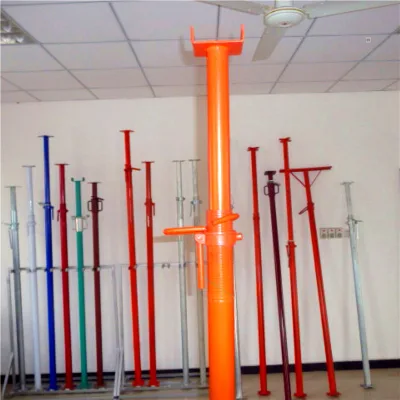


$6.00 - $10.00
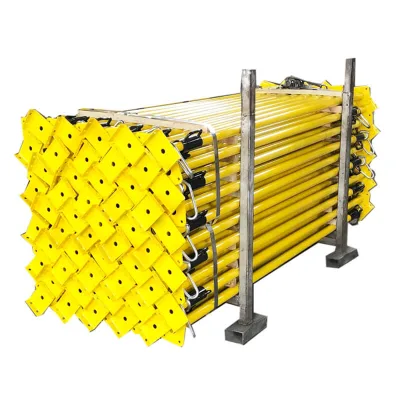
MOQ: 100 Pieces


Comprehensive Sourcing Guide
Strategic Sourcing Guide for Steel Props in Construction
The global construction sector relies heavily on temporary support systems to ensure structural integrity during the building process. Among these, the Steel Prop serves as a critical component for vertical load bearing, particularly in concrete formwork and slab support. For procurement professionals, navigating the market for these essential items requires a disciplined approach that balances technical specifications, regulatory compliance, and supply chain reliability. This guide outlines the essential factors for sourcing steel props, drawing from verified product attributes and industry standards to facilitate informed decision-making.
Technical Specifications and Structural Variations
Understanding the technical diversity of steel props is the first step in accurate procurement. The market offers a range of configurations designed to meet specific load-bearing requirements and site conditions. A primary observation in the current supply landscape is the prevalence of the "Combined Scaffolding" framework, which integrates various structural elements for enhanced stability. These units are frequently categorized by their supporting mode, which dictates their application. Buyers will encounter options ranging from "Floor Type Scaffolding" and "Suspended Scaffolding" to "Wall Hanging Scaffolding" and "Projecting Scaffolding." The selection of the correct supporting mode is vital, as it determines the prop's ability to handle lateral loads and specific erection positions, whether internal or external to the building structure.
Material composition is another fundamental specification. The vast majority of high-performance units are constructed from steel, with some listings specifying "Metal" or "Iron" for specific components like handles. The structural style often varies, with "Multi-Pole Scaffolding" being a common configuration for heavy-duty applications. Dimensions and adjustability are equally critical. Standard product models often feature adjustable lengths, with specific ranges observed in the market such as 2.2-4 meters or 2000-4000mm. The diameter of the tubes is a key differentiator, with standards frequently citing sizes like 48mm, 56mm, 60mm, 76mm, and 89mm. Procurement teams must verify that the selected model number, such as "MTM PROP" or "scaffolding jack prop," aligns with the specific load requirements of the project. Furthermore, the "Lapping Form" can vary from "Single Row Scaffolding" to "High Formwork," influencing how the props are stacked and secured on-site.
Compliance, Certification, and Standard Verification
In the realm of construction safety, compliance is non-negotiable. While specific test results vary by manufacturer, the market generally adheres to recognized international frameworks. Buyers should verify that suppliers provide documentation confirming adherence to major safety and quality standards. Common certifications observed in the sector include ISO, RoHS, and CE. These certifications indicate that the manufacturing processes and final products meet specific environmental, safety, and quality benchmarks. It is essential to note that while some products may reference "European American Standard" or specific tube diameters like 48*60mm, these are often general descriptors rather than universal guarantees.
Procurement officers must actively request proof of compliance rather than relying on marketing claims. The presence of a "Galvanized" surface treatment is a standard requirement for corrosion resistance, with some products offering a combination of galvanization and printing. This treatment is crucial for extending the lifespan of the Steel Prop, especially in outdoor environments where exposure to moisture and concrete chemicals is inevitable. When evaluating a supplier, ask for the specific standard codes associated with their galvanization process and structural testing. Do not assume that a product labeled as "Galvanized" meets the specific thickness requirements of your local building code without explicit verification. The "Place of Origin" is also a factor in compliance; products originating from regions like Hebei or Tianjin in China are common, but the local regulatory environment must be cross-referenced with the destination country's safety laws.
Cost Drivers and Pricing Dynamics
The pricing of steel props is influenced by a complex interplay of material costs, manufacturing complexity, and logistics. The observed price range in the market spans from approximately 3 to 1499 USD, a wide variance that reflects differences in size, load capacity, and customization levels. The primary cost driver is the raw material, specifically steel. Fluctuations in global steel prices directly impact the final unit cost. Additionally, the surface treatment process, such as hot-dip galvanization versus electro-galvanization, adds significant cost. Products with "Customerized" colors or specific branding may also command a premium.
Minimum Order Quantity (MOQ) is another critical financial factor. The market typically requires an MOQ ranging from 30 to 2000 units. Smaller orders may incur higher per-unit costs due to the inefficiencies of small-batch production and shipping. Conversely, larger orders often benefit from economies of scale but require significant capital outlay and storage capacity. Lead times also affect the total cost of ownership. Standard delivery windows are often cited as 10-20 days, but this can vary based on the supplier's current production load and the complexity of the order. Buyers should factor in the cost of "Tray and Bandage Packing" or "by Sea" shipping, as packaging and freight can constitute a substantial portion of the total landed cost. Understanding these variables allows for more accurate budgeting and prevents unexpected cost overruns during the procurement cycle.
Typical Applications and Usage Scenarios
Steel props are versatile tools used across a broad spectrum of construction activities. Their primary application is in "building construction" and "concrete construction support," where they provide temporary vertical support for formwork until the concrete cures. The "Modern" design style of these props allows them to be integrated into various architectural projects, including hotels, villas, apartments, and office buildings. Beyond residential and commercial structures, these props are essential for industrial facilities such as warehouses, workshops, and factories. They are also utilized in public infrastructure projects like schools, hospitals, malls, and sports venues.
The specific application dictates the required specifications. For instance, "High Formwork" applications require props with greater load-bearing capacity and stability, often utilizing "Multi-Pole Scaffolding" structures. In contrast, "Internal Scaffolding" might prioritize ease of movement and compact storage. The "Move Method" is another consideration; some projects require "Lifting Bridge" capabilities, while others may need "Horizontal mobile Scaffolding" for easier repositioning. The "Power Source" is typically manual, relying on the operator's strength to adjust the prop height, though this can vary based on the specific model. Understanding the end-use environment helps in selecting the right prop type, ensuring that the equipment is neither under-specified nor unnecessarily expensive for the task at hand.
Supplier Evaluation and Sourcing Strategy
Selecting the right supplier is as important as selecting the right product. A robust sourcing strategy involves evaluating suppliers based on their production capabilities, quality control systems, and after-sales support. Look for suppliers who offer "Project Solution Capability" and "After-sale Service," as these indicate a commitment to long-term partnership rather than a one-time transaction. The ability to provide "Customized" solutions is a significant advantage, allowing buyers to tailor products to unique project requirements.
When evaluating potential partners, verify their production location and logistics capabilities. Suppliers based in regions like Hebei or Tianjin have established infrastructure for manufacturing and exporting, but buyers should confirm their ability to meet specific delivery timelines. The "Delivery Time" of 10-20 days is a common benchmark, but this should be confirmed in writing. Additionally, assess the supplier's packaging standards. Options like "Tray and Bandage Packing" or "by Sea" shipping require specific handling to prevent damage during transit. A reliable supplier will provide detailed packing lists and ensure that the products are secured against corrosion and physical damage. Finally, check for transparency in communication and the willingness to provide samples or detailed technical drawings before committing to a large order.
Quality Control and Long-Term Procurement Considerations
Ensuring the quality of steel props is paramount for site safety and project success. Quality control should begin at the design stage and continue through manufacturing, packaging, and delivery. Buyers should insist on rigorous inspection protocols that verify the material thickness, weld quality, and galvanization coating thickness. The "Surface Treatment" process, particularly galvanization, must be consistent to prevent rust and ensure longevity. Regular visual inspections and, where necessary, third-party testing can help identify defects before the products reach the construction site.
Long-term procurement considerations involve building a sustainable supply chain. This includes establishing relationships with suppliers who can consistently meet quality standards and delivery schedules. It is also important to consider the lifecycle of the equipment. Steel props are durable assets that can be reused multiple times if maintained correctly. Buyers should inquire about maintenance guidelines and the availability of replacement parts. The "Adjustable" nature of these props means that components like screws and pins may wear out over time; a supplier who offers these parts ensures the longevity of the investment. Furthermore, consider the environmental impact of the products. Certifications like RoHS indicate compliance with restrictions on hazardous substances, which is increasingly important in modern construction projects. By focusing on quality and sustainability, buyers can minimize downtime and maximize the value of their procurement investments.
Conclusion
Sourcing steel props requires a meticulous approach that integrates technical knowledge with strategic supplier evaluation. By understanding the diverse specifications, verifying compliance with international standards, and analyzing cost drivers, procurement professionals can make informed decisions that enhance project safety and efficiency. The market offers a wide array of options, from standard models to highly customized solutions, each suited to different construction needs. Ultimately, the success of a procurement strategy lies in the ability to balance cost, quality, and reliability, ensuring that the temporary support systems used in construction are as robust and dependable as the permanent structures they help to build.
FAQs
What certifications do steel props typically have?
Steel props typically hold ISO, RoHS, and CE certifications. These indicate compliance with international safety and quality benchmarks, ensuring the products meet environmental and structural standards required for construction projects.
How long is the delivery time for steel props?
The standard delivery time for steel props is 10 to 20 days. This timeframe applies to orders placed with suppliers in China, though actual lead times may vary based on production load and order complexity.
Which specifications are available for Steel Prop models?
Available specifications include tube diameters of 48, 56, 60, 76, and 89mm. Models also feature adjustable lengths ranging from 2.2 to 4 meters, with specific configurations like MTM PROP and scaffolding jack prop.
Can steel props be customized for specific projects?
Yes, steel props can be customized with specific colors and branding. Suppliers offer customization options to meet unique project requirements, allowing buyers to tailor the appearance and certain features of the scaffolding props.
What is the minimum order quantity for steel props?
The minimum order quantity ranges from 30 to 2000 units depending on the supplier. Smaller orders may incur higher per-unit costs, while larger orders benefit from economies of scale in production and shipping.
How are steel props packed for shipping?
Steel props are commonly packed using tray and bandage packing or shipped by sea. This packaging method ensures the products are secured against corrosion and physical damage during transit to the destination site.