Source Steel Rear Cargo Pet Barrier for SUVs, Vans, and Trucks
Compare 30 Steel Rear Cargo Pet Barrier options from verified suppliers in Zhejiang, China. Buyers can evaluate adjustable sizes, materials like PVC mesh and steel, and customization features for safe pet transport in various vehicle types.
Key considerations
Products List
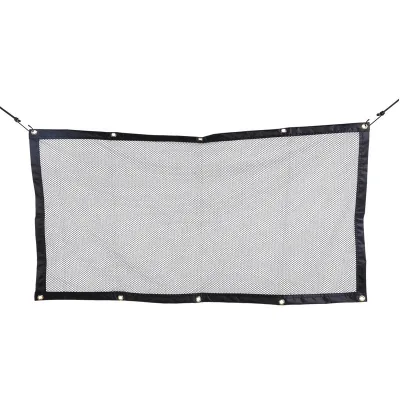
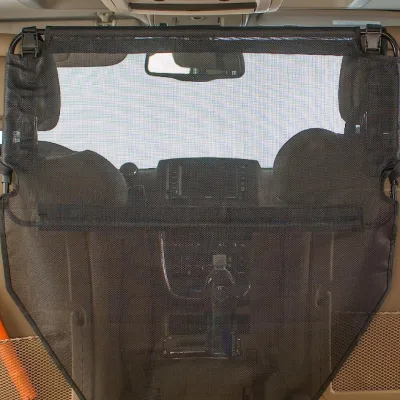
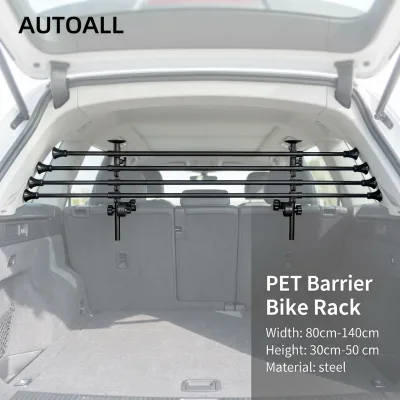

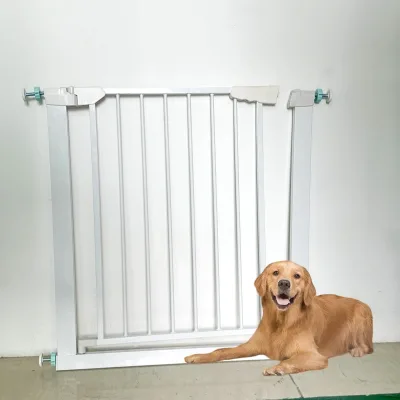


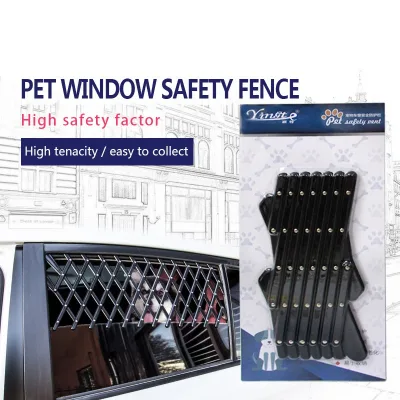


Custom Adjustable Wire Mesh Pet Divider Dog Car Barrier for SUV Vehicle
$6.71 - $7.35
MOQ: 1000 Pieces


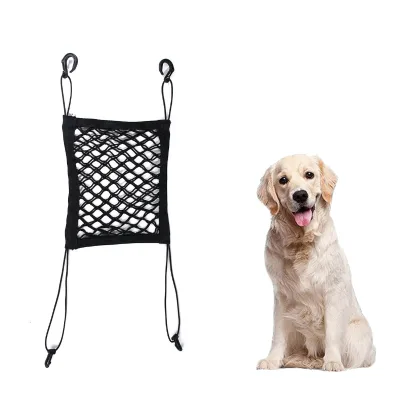


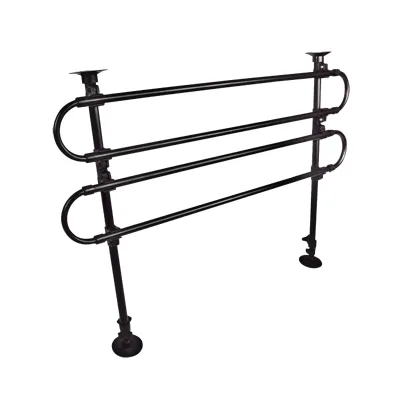


China Supplier Car Parking Steel Safety Bollard Traffic Post Steel Barrier
$15.00 - $40.00
MOQ: 20 Pieces
Comprehensive Sourcing Guide
Steel Rear Cargo Pet Barrier Sourcing Guide
Sourcing steel rear cargo pet barriers requires a disciplined approach to balancing structural integrity with vehicle compatibility. These barriers serve as critical safety components, designed to prevent pets from entering the driver’s cabin during transit while protecting vehicle interiors from damage. Buyers must prioritize products that offer robust load-bearing capabilities without compromising the vehicle’s existing safety systems, such as airbag deployment zones. The selection process involves evaluating material thickness, weld quality, and mounting mechanisms to ensure the barrier remains secure under sudden braking or collision conditions.
The market offers a variety of configurations, ranging from simple mesh nets to rigid steel gates with adjustable widths. Procurement teams should focus on verifying the specific fitment for target vehicle models, as universal designs often require additional adapters or drilling. It is essential to distinguish between barriers intended for light-duty use and those engineered for heavier breeds or commercial transport. Understanding the mechanical stress points and the quality of the steel alloy used in manufacturing will help buyers avoid products that may bend, rust, or fail over time, ensuring long-term reliability and passenger safety.
Product Scope and Observed Listing Signals
Current market listings indicate a diverse range of pet barrier solutions, with observed price points spanning from $0.90 to $300 USD. This wide variance reflects differences in material composition, such as PVC mesh combined with stainless steel versus heavy-duty steel frames with ABS plastic components. Buyers should note that lower-priced items often utilize lighter materials or simpler hanging bar designs, which may lack the rigidity required for larger vehicles or aggressive pets. Conversely, higher-priced options typically feature adjustable steel gates with custom logo acceptance and OEM capabilities, catering to branded retail or fleet procurement needs.
Minimum Order Quantities (MOQ) observed in the market range from 50 to 1,000 pieces, suggesting flexibility for both small retailers and large distributors. Some suppliers offer low MOQs of 50 pieces, which is advantageous for testing market demand or fulfilling small-scale orders, while others require bulk commitments of 500 or 1,000 units. Packaging methods vary significantly, with options including OPP bags, PVC bags, and standard cartons, which directly impact shipping costs and product protection during transit. Buyers must align their order volume with supplier MOQs while considering storage capacity and cash flow implications.
Technical Specifications to Verify
When evaluating technical specifications, buyers must scrutinize dimensions and adjustability features to ensure proper fitment. Observed sizes include configurations such as 115x62 cm, 96x98 cm, and adjustable ranges like 75-82 cm, highlighting the importance of precise measurement for each vehicle model. Adjustable strap types and hanger bar designs offer versatility, but buyers should verify the maximum and minimum width capabilities to ensure the barrier can securely span the cargo area without gaps. Additionally, single package dimensions and gross weights, such as 0.200 kg for mesh nets versus 1.5 kg for steel gates, influence logistics planning and handling requirements.
Material composition is a critical factor in determining durability and safety. Products are constructed from various materials, including polyester mesh, stainless steel, and steel combined with ABS plastic. Buyers should verify the thickness of steel components and the quality of welds to prevent failure under stress. The presence of features like "stretchable" mesh or "square" shapes indicates specific design intents, but the underlying material strength must be confirmed. It is also important to check if the product includes protective coatings to prevent rust and corrosion, especially for barriers installed in rear cargo areas exposed to moisture and dirt.
Compliance and Safety Documentation
Safety compliance is paramount for pet barriers, as these devices must not interfere with vehicle safety systems or pose risks to passengers. Buyers should request documentation confirming that the barrier does not obstruct airbag deployment zones or interfere with seatbelt mechanisms. While specific certification standards may vary by region, buyers must ensure that the product meets local automotive accessory regulations. This includes verifying that the mounting hardware is robust enough to withstand impact forces and that the barrier itself is free from sharp edges or protrusions that could injure pets or passengers.
Documentation should also include detailed installation instructions and compatibility charts to ensure correct fitting. Buyers should verify that the supplier provides clear guidelines on weight limits and usage restrictions. For products claiming to be "universally" compatible, buyers must request specific vehicle model lists to avoid fitment issues. Additionally, any claims regarding "protection + decoration" or "safe usage" should be backed by engineering data or test results, ensuring that the product performs as advertised under real-world driving conditions.
Cost Drivers and Commercial Terms
Several factors influence the final cost of steel rear cargo pet barriers, including material costs, manufacturing complexity, and customization options. Products featuring custom logos, OEM branding, or specialized colors often carry higher price points due to the additional setup and production steps involved. Buyers should also consider the impact of packaging choices on total landed cost; heavier or bulkier packaging, such as cartons for steel gates, will increase shipping expenses compared to compact OPP or PVC bag packaging for mesh nets.
Commercial terms, including MOQs and payment conditions, play a significant role in procurement strategy. Suppliers with lower MOQs may charge higher unit prices to cover setup costs, while bulk orders can leverage economies of scale. Buyers should negotiate terms that align with their inventory turnover rates and cash flow capabilities. It is also important to clarify responsibilities for shipping, insurance, and returns in case of defective products. Understanding these commercial dynamics helps buyers optimize their total cost of ownership and maintain healthy profit margins.
Supplier Qualification and Quality Control
Supplier qualification is essential to ensure consistent product quality and reliable delivery. Buyers should verify the supplier’s manufacturing capabilities, including their experience in producing automotive accessories and their quality control processes. Factories located in regions like Zhejiang, China, often have established supply chains for steel and plastic components, but buyers must still conduct due diligence to confirm production standards. Requesting samples is a critical step to evaluate material quality, finish, and ease of installation before committing to large orders.
Quality control measures should include inspections for weld integrity, surface finish, and dimensional accuracy. Buyers should establish clear acceptance criteria for defects, such as rust spots, loose fittings, or incorrect dimensions. Implementing a pre-shipment inspection protocol can help identify issues before products leave the factory, reducing the risk of receiving non-conforming goods. Additionally, buyers should assess the supplier’s responsiveness to custom requests and their ability to provide ongoing support, which is crucial for long-term partnerships and addressing any post-sale issues.
Long-Term Procurement Checks
Long-term procurement success depends on continuous monitoring of product performance and supplier reliability. Buyers should track customer feedback and return rates to identify any recurring issues with fitment, durability, or safety. Regularly reviewing supplier performance metrics, such as on-time delivery rates and defect percentages, helps maintain high standards and identifies potential risks early. Building a relationship with suppliers who are committed to continuous improvement ensures access to updated designs and materials that meet evolving market demands.
It is also important to stay informed about changes in automotive safety regulations and vehicle designs that may impact barrier compatibility. As vehicle models evolve, universal barriers may require updates to maintain fitment and safety standards. Buyers should work with suppliers who invest in R&D to adapt their products to new vehicle platforms. By maintaining a proactive approach to supplier management and product evaluation, buyers can ensure a steady supply of high-quality pet barriers that meet the safety and aesthetic expectations of their customers.
FAQs
What material is used for the Steel Rear Cargo Pet Barrier?
The barrier is constructed from stainless steel combined with PVC mesh or polyester. This durable material mix ensures safety while allowing visibility inside the vehicle. Some models also incorporate ABS plastic components for added structural integrity and ease of installation.
Can the pet barrier be customized with a specific logo?
Yes, customization is available for branding purposes including customized logos and OEM services. Buyers can request specific designs to match their corporate identity. This option allows businesses to create branded safety equipment for their fleet or retail customers.
Which sizes are available for the Steel Rear Cargo Pet Barrier?
Available sizes include dimensions like 115 by 62 cm, 96 by 98 cm, and 75 to 82 cm. Specific models also feature a height range of 30 to 50 cm. These variations accommodate different vehicle cargo areas and pet sizes effectively.
How is the pet barrier installed in the car?
The product features an easy installation design using adjustable straps and hanger bars. It is designed to fit universally across various car models without requiring complex tools. This ensures quick setup for safe pet transport in the vehicle interior.
What is the minimum order quantity for purchasing this barrier?
Minimum order quantities vary by supplier, with observed ranges starting from 50 pieces up to 500 pieces. Some listings indicate a baseline of 100 pieces for certain models. Buyers should verify specific MOQ requirements with the manufacturer before placing an order.
Where are the steel rear cargo pet barriers manufactured?
These products are primarily manufactured in Zhejiang, China. This region is known for producing automotive accessories and pet safety equipment. The location influences shipping logistics and lead times for international buyers sourcing these items.