Source Steel Roofing Panel Auto Stacker for Roof Floor Wall
Find 30 verified listings for the Steel Roofing Panel Auto Stacker suitable for roof, floor, and wall applications. Buyers can compare models like ZH150 and ZH90, specifications, and prices ranging from 8.9 to 150,000 USD with delivery times of 40 days.
Key considerations
Products List


Roofing Panel Auto Stacker with Adjustable Thickness and Test Reports
$9000.00 - $10000.00
MOQ: 1 Sets


12 Meters Auto Stacker for Metal Double Layer Roofing panel Roll Forming Machine
$10000.00 - $15000.00
MOQ: 1 Pieces

Fast Speed 40m/Min Roofing Wall Panel Roll Forming Machine with Auto Stacker
$50000.00 - $60000.00
MOQ: 1 Pieces


12m Auto Stacker for Metal Roofing Metal Deck Roll Forming Machine
$10000.00 - $15000.00
MOQ: 1 Pieces

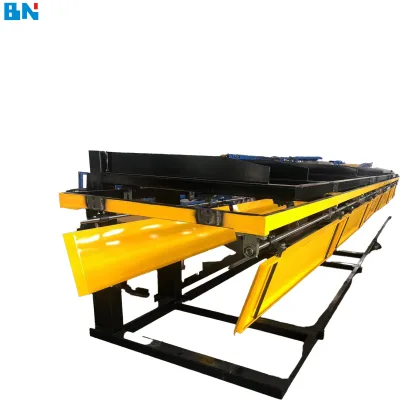


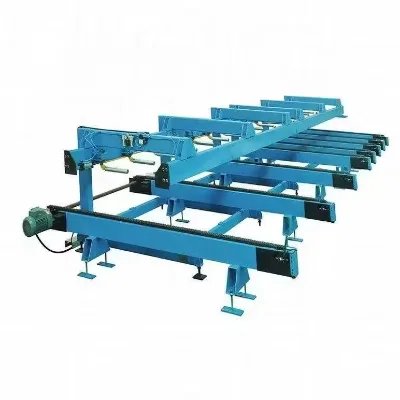
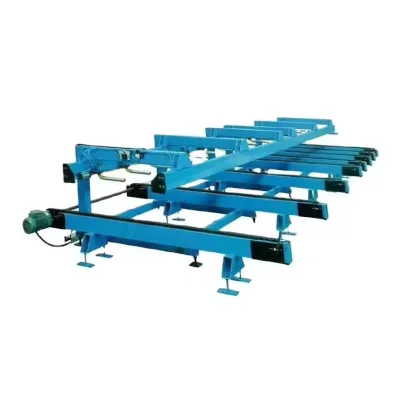
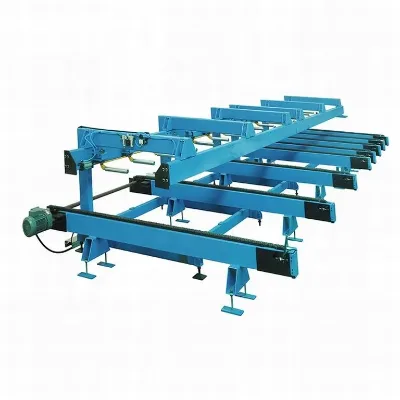
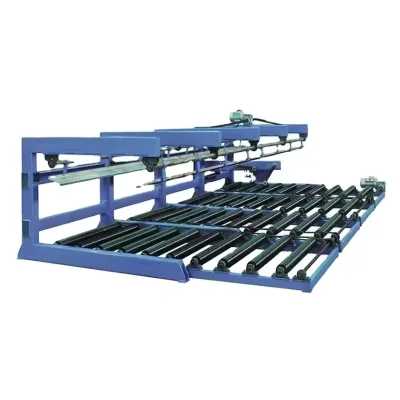

Colored Steel Roof Panel Wall Sheet Auto Stacker Machine for Roll Forming Line
$9000.00 - $18000.00
MOQ: 1 Sets

3-12 Meters Automatic Stacker for Double Layer Metal Roof Panel Roll Forming Machine
$9000.00 - $18000.00
MOQ: 1 Sets


12m Length Automatic Roof Stacker for Metal Forming Machine with Good Price
$10000.00 - $15000.00
MOQ: 1 Sets


Indoor Outdoor Car Parking Lift Double Floor Hydraulic Auto Stacker
$1700.00 - $2500.00
MOQ: 1 unit/units


Comprehensive Sourcing Guide
Strategic Sourcing Guide for Steel Roofing Panel Auto Stacker Systems
The global construction and manufacturing sectors rely heavily on automated material handling solutions to maintain efficiency and safety. Among these, the Steel Roofing Panel Auto Stacker represents a critical piece of equipment designed to manage the post-production workflow of metal roofing sheets. For procurement professionals, sourcing this specific machinery requires a nuanced understanding of technical capabilities, compliance standards, and supply chain logistics. The following guide synthesizes available market data and industry best practices to assist buyers in making informed decisions without relying on unverified supplier claims.
Technical Specifications and Operational Capabilities
When evaluating a Steel Roofing Panel Auto Stacker, the primary focus must be on the machine's physical specifications and operational parameters. The equipment is generally categorized by its transmission method and power source. Market observations indicate that these systems often utilize an electric transmission method coupled with a hydraulic pressure power source, ensuring robust performance under heavy loads. The control architecture is frequently based on a Programmable Logic Controller (PLC) system, which allows for precise automation and ease of operation, a key selling point for modern facilities.
The physical dimensions and capacity of the stacker are paramount. Available data points to specific models, such as the ZH150, ZH90, and ZH14, each potentially serving different throughput requirements. A critical specification to verify is the stacking length, with observed configurations reaching up to 12 meters. The maximum stacking thickness is another vital metric, with some units capable of handling stacks up to 300mm thick. In terms of weight capacity, the equipment is designed to manage loads of approximately 5 tons, which aligns with the density of steel roofing panels.
The material handling components also require scrutiny. The swing arms, a crucial part of the stacking mechanism, are often constructed from 45 Steel and are chromed to resist wear and corrosion. The suitable materials for these machines include both colored steel and galvanized steel, reflecting the versatility needed in roofing production lines. The speed of operation is another performance indicator, with observed rates reaching 40 meters per minute, facilitating rapid processing of large volumes. Buyers should verify that the power configuration, often listed as dual 3kw units, matches their facility's electrical infrastructure.
Compliance, Certification, and Regulatory Standards
In the B2B procurement of industrial machinery, compliance is non-negotiable. The machinery must adhere to international safety and quality standards to ensure operational safety and legal market access. A primary certification observed in the market is the CE mark, which indicates conformity with health, safety, and environmental protection standards for products sold within the European Economic Area. Some listings also reference ISO certification, suggesting adherence to international quality management systems.
Beyond the CE mark, buyers should look for additional verification such as SGS certification, which provides third-party validation of the product's quality and safety. The standard product specifications often include dimensional references, such as 7800mm by 1.55mm by 1.3mm or 6800mm by 1.35mm by 1.3mm, though these figures likely represent specific panel dimensions the machine is calibrated to handle rather than the machine's own footprint. It is essential to confirm that the "Standard" column in supplier documentation explicitly lists these certifications rather than relying on general claims.
The condition of the equipment is another compliance factor. The market data consistently indicates that available units are "New," which is a standard expectation for high-value industrial assets. However, buyers must ensure that the "New" status is accompanied by a valid warranty period. Observed warranty terms include a 12-month coverage, which serves as a baseline for after-sales support. Any deviation from these standard certifications or warranty terms should trigger a deeper due diligence process regarding the supplier's legitimacy and the machine's origin.
Cost Drivers and Pricing Dynamics
The pricing of steel roofing panel auto stackers is influenced by a complex interplay of factors, including customization, material costs, and logistical requirements. The observed price range in the market is exceptionally broad, spanning from approximately $8.90 to $150,000. This wide variance suggests that the market includes everything from basic components or smaller auxiliary units to fully integrated, high-capacity automated systems. Buyers must be cautious not to equate the lowest price with the most suitable solution; the cost is heavily dependent on the specific model, such as the ZH165 or ZH135, and the level of customization required.
Customization is a significant cost driver. The product attributes indicate that customization is available, allowing buyers to tailor the machine to specific production line layouts or panel types. This flexibility often comes at a premium compared to standard off-the-shelf models. The material of the swing arms, specified as 45 Steel with chrome plating, adds to the manufacturing cost but ensures durability. Furthermore, the "High Quality" and "Durable Parts" selling points suggest that higher-priced units may offer superior longevity and reduced maintenance costs over the long term.
Logistics and packaging also impact the final landed cost. Observed packing methods range from "Plastic File" to "by Sea" or "No Packing," depending on the shipping method and the supplier's standard practices. The origin of the machinery, primarily from regions like Hebei and Jiangsu in China, influences shipping costs and lead times. Buyers should calculate the total cost of ownership, including freight, insurance, and potential import duties, rather than focusing solely on the unit price. The Minimum Order Quantity (MOQ) is another financial consideration, with observed ranges between 1 and 100 units, allowing for flexibility in procurement volume.
Typical Applications and Usage Scenarios
The primary application of the Steel Roofing Panel Auto Stacker is in the post-production handling of roofing materials. The product attributes explicitly list "Roof" as a usage category, confirming its role in the roofing manufacturing sector. However, the versatility of these machines extends beyond a single application. Some models are designed for multi-purpose use, with attributes indicating suitability for "Floor," "Wall," and "Roof" applications. This adaptability makes them valuable assets for manufacturers producing various types of metal cladding and structural components.
The "Easy to Operate" feature is particularly relevant for applications where labor efficiency is critical. These machines are designed to automate the stacking process, reducing the physical strain on workers and minimizing the risk of injury associated with manual handling of heavy steel panels. The "High Efficiency" attribute further underscores their role in streamlining production lines, ensuring that finished roofing panels are stacked and ready for shipment or storage without bottlenecks.
The "Use Widely" advantage suggests that these machines are applicable across various industries, including construction, warehousing, and metal fabrication. The ability to handle different materials, such as colored and galvanized steel, makes them suitable for diverse roofing projects. Whether for residential, commercial, or industrial construction, the auto stacker ensures that panels are organized efficiently, facilitating easier transport and installation. The stacking height capability, ranging from 800mm to 15000mm, allows for flexible storage solutions in facilities with varying ceiling heights.
Supplier Evaluation and Geographic Considerations
When evaluating potential suppliers, geographic origin plays a significant role in logistics and communication. The supplied data indicates that the primary manufacturing hubs for these machines are located in Hebei and Jiangsu, China. These regions are known for their robust manufacturing infrastructure and specialization in steel processing equipment. Buyers should verify the specific origin of the machine, as this can impact lead times and shipping costs.
Supplier evaluation should also focus on the "Condition" and "Customization" aspects. The consistent listing of "New" condition and "Customized" availability suggests a market that prioritizes modern, tailored solutions. However, buyers must verify the supplier's ability to deliver on these promises. The "Forging Forming Method" is another indicator of manufacturing quality, with options ranging from "Free Forging" to "Mold Forging." Mold forging typically implies a higher degree of precision and consistency, which may be preferable for high-volume production environments.
The "Machine Name" and specific model numbers, such as "12m Auto Stacker," provide clear identification for communication with suppliers. Buyers should ensure that the supplier can provide detailed technical drawings and specifications for the exact model they are purchasing. The "Color" of the machine, often observed as blue and yellow, is a standard safety feature that enhances visibility in busy industrial environments. When selecting a supplier, buyers should prioritize those who demonstrate transparency regarding their manufacturing processes and provide clear documentation of their certifications and standards.
Quality Control and Long-Term Procurement Considerations
Ensuring the long-term reliability of a Steel Roofing Panel Auto Stacker requires a rigorous quality control strategy. The "Durable Parts" and "High Quality" attributes are critical indicators of a machine's potential lifespan. Buyers should request detailed information on the materials used, such as the 45 Steel and chrome-plated swing arms, to verify their resistance to wear and tear. The "12 Months" warranty is a standard baseline, but buyers should negotiate extended warranty terms or service level agreements (SLAs) to protect their investment.
Maintenance and operational continuity are also key considerations. The "PLC" control system should be supported by comprehensive manuals and training materials to ensure that facility staff can operate and troubleshoot the machine effectively. The "High Efficiency" and "Easy to Operate" features should translate into reduced downtime and lower operational costs. Buyers should also consider the "Stacking Length" and "Max Stacking Thickness" in the context of their future production needs, ensuring the machine can scale with business growth.
Finally, the "Delivery Time" is a critical factor in procurement planning. Observed lead times of around 40 days should be factored into the project schedule. Buyers must confirm that this timeline includes manufacturing, testing, and shipping. The "by Sea" packing method suggests that ocean freight is the primary mode of transport, which may require additional time for customs clearance. To mitigate risks, buyers should establish clear communication channels with the supplier and request regular updates on the production status. By focusing on these quality control and logistical aspects, buyers can secure a reliable and efficient Steel Roofing Panel Auto Stacker that meets their operational demands.
FAQs
What certifications do steel roofing panel auto stackers have?
These machines typically carry CE certification and may include ISO or SGS verification. Some listings also reference CE SGS standards. Buyers should verify that documentation explicitly lists these certifications rather than relying on general claims.
Can the machine be customized for specific production needs?
Yes, customization is available for these auto stackers to tailor them to specific layouts. The product attributes confirm that customized options exist. This flexibility allows buyers to match the machine to their unique production line requirements.
How long is the delivery time for these stacking machines?
The observed delivery time is approximately 40 days for these units. This timeline includes manufacturing, testing, and shipping preparations. Buyers must confirm that this period covers all necessary logistics before finalizing the order.
Which materials are suitable for the swing arms of the stacker?
The swing arms are constructed from 45 Steel and are chromed for durability. This material choice resists wear and corrosion during operation. The machine is also suitable for handling colored steel and galvanized steel panels.
What is the maximum stacking weight capacity of the system?
The equipment is designed to manage loads of approximately 5 tons. This capacity aligns with the density of steel roofing panels. It ensures efficient handling of heavy stacks without compromising safety or performance.
Where are these steel roofing panel auto stackers manufactured?
The primary manufacturing hubs are located in Hebei and Jiangsu, China. These regions specialize in steel processing equipment and offer robust infrastructure. Buyers should verify the specific origin to calculate accurate shipping costs and lead times.