Source Steering Offset Seat for Trucks, Buses, and Construction Vehicles
Explore 30 listings for Steering Offset Seat options tailored for trucks, buses, and construction vehicles. Buyers can compare specifications, pricing, and customization features from verified suppliers to find the right fit.
Key considerations
Products List


Adjustable Backrest Driver Seat Agricultural Vehicle Seat Tractor Seat
$168.00 - $177.00
MOQ: 50 Pieces

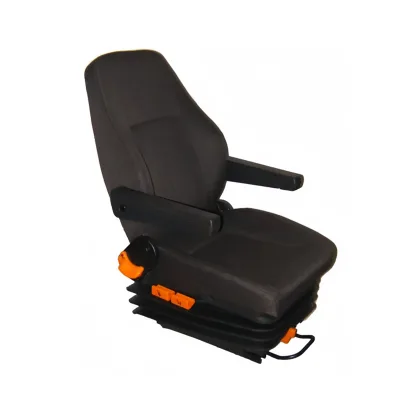
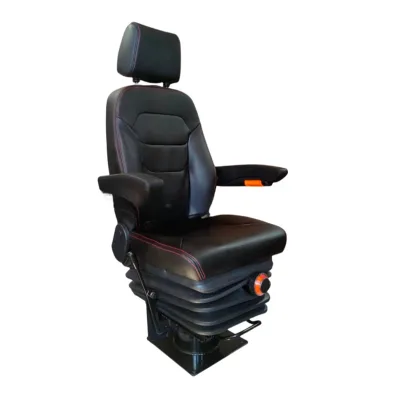
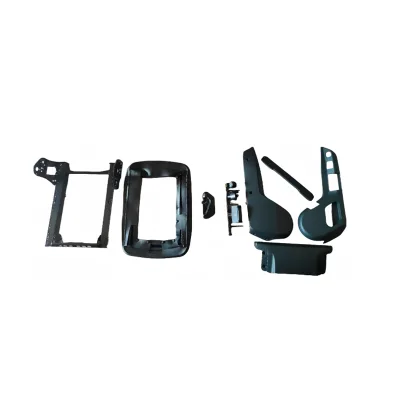

Simple Operate Suspension Driver Seat with Basic Recline Adjustment Control
$538.00 - $608.00
MOQ: 2 Pieces


Wide Fit Suspension Driver Seat with Universal Equipment Compatibility Range
$528.00 - $578.00
MOQ: 4 Pieces

Comfortable Driver Seat for Trucks with Adjustable Suspension Features
$186.00 - $210.00
MOQ: 4 Pieces


$8.30 - $10.00
MOQ: 1 Pieces

$8.30 - $10.00
MOQ: 1 Pieces
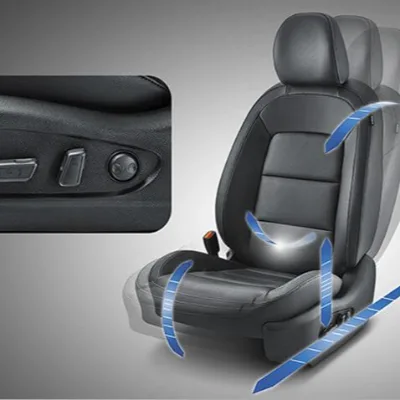
Power Seat 6 Ways for Driver Seat 4 Ways for Co-pilot With Memory Function
$220.00 - $253.00
MOQ: 1 sets


Good Performance/High Quality/Good After-Sales/Hot Sale/Mechanical/Sealing Seat
$1.00 - $240.00
MOQ: 1 Pieces

Comprehensive Sourcing Guide
Strategic Sourcing Guide for Steering Offset Seat Components
Understanding the Product Category and Technical Variations
The term "Steering Offset Seat" in a B2B procurement context typically refers to specialized seating assemblies designed to accommodate specific vehicle configurations, often involving adjustments to the driver's position relative to the steering column or dashboard. While the specific keyword "Steering Offset Seat" may not appear as a single standardized product name in all catalogs, the underlying requirements align with general automotive seating, suspension seats, and interior parts that offer positional flexibility. Buyers must recognize that the market offers a spectrum of products ranging from general seat parts to fully integrated air suspension seats.
Technical specifications for these components vary significantly based on the intended application, whether for light passenger vehicles, heavy-duty trucks, or specialized machinery. The supplied data indicates that models such as the SLA-21 and SLM-7 are categorized as air suspension seats, which are critical for applications requiring vibration dampening and operator comfort over long durations. These units often feature specific dimensions, such as a seat size of 570mm x 560mm x 950mm, which defines the spatial envelope required for installation. The "offset" nature of the seat often implies a need for a rotating mechanism or an adjustable backrest, features explicitly noted in the available product data, such as an adjustable range of 80° + 41°.
Furthermore, the material composition plays a pivotal role in the durability and comfort of the seat. Observations from the market show a prevalence of PU (Polyurethane) materials, often described as having a "round, soft surface" to enhance user experience. The structural integrity is frequently supported by a leatheriness classification, with "A Class" leather being a noted attribute for premium applications. However, buyers must also consider alternative material profiles, as some listings specify "Other" materials or generic surface finishes. The customization of the seat is a dominant feature in this category, with many suppliers offering customizable colors and specific model numbers like H002, H003, and H004, which likely correspond to different mounting or dimension profiles.
Compliance, Certification, and Regulatory Standards
Navigating the regulatory landscape for automotive seating is essential for ensuring that procured components meet safety and quality benchmarks. The primary standard cited in the available data is ECE R44, which is a well-known European regulation regarding child restraint systems, though its presence in the data alongside "Car Make: Volkswagen" suggests a specific context of compatibility or certification verification. For general automotive seating, including steering offset variants, buyers must verify compliance with relevant regional standards, such as FMVSS in the United States or ECE R17 for adult seating, which are not explicitly listed in the provided facts but are industry norms.
When evaluating suppliers, it is crucial to distinguish between products that are "Universal Adaptation" and those designed for specific car makes. The data mentions "Car Fitment: Universal" for certain models, indicating a broader compatibility range, while other entries reference specific brands like Britax, which is primarily associated with child safety seats. This distinction is vital; a "steering offset" seat for a commercial truck will have different certification requirements than a child seat or a passenger car seat. Buyers should not assume that a product labeled with a specific brand or standard automatically fits their specific vehicle make without verification.
The "prod_standard" field in the data presents a mix of "Customized" and specific dimensional standards (e.g., 85x75x60cm, 60X55X50cm). These dimensions likely refer to packaging or the physical footprint of the seat assembly rather than a safety certification standard. Procurement teams must verify that the supplier can provide documentation proving that the seat meets the safety standards required for the target market. Relying solely on the "Customized" standard label is insufficient; explicit test reports or certification documents confirming compliance with the relevant automotive safety regulations must be requested.
Cost Drivers and Pricing Dynamics
The pricing for steering offset seats and related automotive interior parts is influenced by a complex array of factors, including material quality, customization levels, and the complexity of the suspension system. The observed price range in the market spans from $0.64 to $608 USD, a variance that highlights the difference between individual components, such as seat parts, and fully assembled units like air suspension seats. The lower end of the spectrum likely corresponds to generic seat parts or accessories, while the higher end reflects complete, branded units with advanced features like air suspension and rotating mechanisms.
Material costs are a significant driver of price. Seats utilizing "A Class" leather or high-grade PU with soft, round surfaces will command a premium compared to those with generic "Other" materials. Additionally, the inclusion of accessories such as handrests, headrests, and rotating mechanisms adds to the overall cost. The "Waterproof" feature noted in the data also suggests a higher manufacturing complexity and material cost, as it requires specialized treatments or coatings to ensure durability against moisture and wear.
Minimum Order Quantity (MOQ) is another critical cost factor. The data reveals an MOQ range from 1 to 906 units. For buyers seeking small batches or prototypes, suppliers with an MOQ of 2 or 50 pieces are preferable, whereas large-scale procurement might benefit from suppliers with higher volume thresholds to achieve economies of scale. The "Welcomed OEM" attribute indicates that many suppliers are open to custom branding, which can affect pricing structures. Customization, while offering flexibility, often incurs additional tooling or setup costs, which should be factored into the total cost of ownership. Buyers must balance the desire for specific features and branding against the per-unit cost and the required order volume.
Typical Applications and Industry Use Cases
The versatility of steering offset seats and related automotive components makes them suitable for a wide range of applications. The data explicitly mentions "Suspension Truck Seat" and "Air suspension seats," indicating a strong presence in the heavy-duty transport and commercial vehicle sectors. In these environments, the ability to adjust the backrest and the presence of air suspension are critical for reducing operator fatigue and preventing long-term health issues associated with vibration and rough terrain. The "Universal Adaptation" feature suggests that these seats can be retrofitted into various vehicle models, making them ideal for fleet operators who need to standardize their equipment across different vehicle types.
Beyond heavy trucks, the mention of "Baby Seat Brand: Britax" and "ECE R44" standards points to applications in passenger vehicles, specifically regarding child safety. While a "steering offset" seat is less common in this context, the data suggests that suppliers often offer a diverse portfolio that includes both adult and child seating solutions. This implies that buyers may need to source different components for different vehicle segments from the same supplier or a specialized network.
The "General Seat" and "Seat Parts" categories further expand the application scope to include general automotive manufacturing and aftermarket modifications. The "Car interior parts" designation confirms that these components are integral to the interior design of vehicles, where aesthetics and comfort are paramount. The "Customizable" color options and specific model numbers (e.g., SLA-21, H004) allow manufacturers to tailor the seating to the specific design language of their vehicles. Whether for a luxury passenger car, a rugged off-road vehicle, or a commercial fleet, the ability to customize the seat's dimensions, material, and functionality is a key requirement for modern automotive design.
Supplier Evaluation and Geographic Considerations
Evaluating suppliers for steering offset seats requires a careful assessment of their geographic location, production capabilities, and flexibility. The data indicates that the primary origins of these products are in China, specifically in regions like Weifang, Shandong Province, and Shaanxi. These regions are known for their manufacturing clusters, which can offer competitive pricing and a wide range of suppliers. However, buyers must verify the specific capabilities of each supplier, as the "prod_origin" and "Country of Origin" fields may vary even within the same region.
The "Customized" standard and "OEM: Welcomed OEM" attributes suggest that many suppliers are capable of handling bespoke orders. This is a crucial factor for buyers who require specific dimensions or branding. However, the presence of multiple model numbers and varying standards (e.g., 85x75x60cm vs. 60X55X50cm) indicates that suppliers may have a diverse product line. Buyers should ensure that the supplier has the technical expertise to produce the specific variant they require, rather than simply offering a generic product.
Lead times and delivery capabilities are also essential for supplier evaluation. The data mentions a delivery time of 7-15 days, which is a reasonable timeframe for standard orders. However, for customized orders, lead times may vary. Buyers should confirm the specific lead time for their order, as it can impact production schedules and inventory management. The "prod_packing" options, which include "Plywood Cases" or "Carton," also reflect the supplier's ability to handle different shipping requirements, which is important for international procurement.
Quality Control and Long-Term Procurement Strategy
Ensuring the quality of steering offset seats is paramount, given the safety implications of automotive seating. The "A Class" leatheriness and "Waterproof" features are indicators of high-quality materials, but buyers must verify these claims through independent testing or certification. The "New" condition of the products is a baseline requirement, but buyers should also inspect for consistency in manufacturing, such as the uniformity of the "Round, soft surface" and the functionality of the "Rotating mechanism."
Long-term procurement strategies should focus on building relationships with suppliers who demonstrate reliability and consistency. The "OEM" capability suggests that suppliers are willing to work closely with buyers to develop custom solutions, which can lead to long-term partnerships. However, buyers must maintain a rigorous quality control process, including pre-shipment inspections and post-delivery testing, to ensure that the products meet the specified standards.
The "Customizable" nature of the products also means that buyers should establish clear specifications and communication channels with suppliers to avoid misunderstandings. Regular audits and performance reviews can help maintain high standards over time. Additionally, buyers should consider the availability of spare parts and the supplier's ability to support the product throughout its lifecycle, ensuring that the procurement strategy remains sustainable and cost-effective in the long run.
Comparative Analysis of Key Product Attributes
To facilitate decision-making, the following table summarizes the key attributes observed in the market for steering offset seats and related components. This comparison highlights the diversity in specifications, materials, and capabilities available to buyers.
| Attribute | Observation 1 | Observation 2 | Observation 3 |
|---|---|---|---|
| Product Type | Air suspension seats | Suspension Truck Seat | General Seat / Seat Parts |
| Material | PU | Other | Round, soft surface |
| Standard | ECE R44 / Customized | 85x75x60cm | 60X55X50cm |
| Origin | Weifang, Shandong | Shandong, China | Shaanxi, China |
| MOQ | 2 Pcs | 50 Pcs | 1-906 (Range) |
| Features | Waterproof, Rotating | Adjustable 80°+41° | Universal Adaptation |
| Color | Customizable | Black | Customizable |
| Brand | SLA, SL, SLYT | Britax | BeiXin Machinery |
This table underscores the importance of matching specific buyer requirements with the correct product variant. For instance, a buyer requiring a waterproof seat for a truck would prioritize the "Suspension Truck Seat" with "Waterproof" features, while a buyer seeking a customized passenger seat might focus on the "General Seat" with "Customizable" color options. By carefully analyzing these attributes, buyers can make informed decisions that align with their technical and commercial needs.
FAQs
What customization options are available for steering offset seats?
Customization is available for steering offset seats, allowing buyers to specify colors and models. Suppliers offer adjustable backrest ranges and specific dimensions like 570mm by 560mm by 950mm. Buyers can request custom packaging such as plywood cases or cartons based on their needs.
Which certifications apply to these automotive seating products?
Some products meet the ECE R44 standard, which is relevant for child restraint systems. Other listings indicate customized standards or specific dimensional requirements rather than universal safety certifications. Buyers should verify specific compliance documents for their target market regulations.
How do MOQs vary for air suspension seat suppliers?
Minimum Order Quantities range from 2 pieces to 906 units depending on the supplier and product type. Some vendors accept small orders of 50 pieces for specific models, while others require larger volumes. Buyers should check individual listings to confirm the exact MOQ for their required quantity.
Can I find universal adaptation seats for various vehicle makes?
Yes, universal adaptation seats are available that fit multiple vehicle types without specific brand restrictions. These units often feature rotating mechanisms and adjustable backrests for versatile installation. However, some listings specify compatibility with brands like Volkswagen, so verification is necessary.
What materials are used for the surface of these seats?
Surfaces are commonly made from PU material with a round, soft finish for comfort. Some premium options feature A Class leatheriness, while others use unspecified materials. The material choice impacts durability and the overall aesthetic of the automotive interior component.
Where are the primary manufacturing locations for these seats?
Manufacturing origins are primarily located in China, specifically in Weifang, Shandong Province, and Shaanxi. These regions host factories capable of producing both general seats and specialized air suspension units. Buyers should confirm the specific place of origin for each supplier they consider.
What is the typical delivery time for these automotive parts?
The standard delivery time is between 7 to 15 days for most orders. This lead time applies to standard configurations, though customized orders may vary. Buyers should confirm the specific timeline with the supplier before finalizing the purchase agreement.