Source Biodegradable Knife Fork Spoon Set for Parties, Hotels, and Weddings
Find and compare 30 listings for Biodegradable Knife Fork Spoon Set options made from bamboo, wood, and cornstarch. Evaluate customization, packaging, and eco-friendly features for restaurants, hotels, and weddings.
Key considerations
Products List


Biodegradable Wholesale Disposable Bamboo Cutlery Knife Fork Spoon Sets
$0.02 - $0.02
MOQ: 50000 Pieces

8inch Disposable Knife Fork Spoon Biodegradable Cornstarch Cutlery Set
$0.01 - $0.02
MOQ: 50000 Pieces


Wooden Fork with Logo Biodegradable Wooden Disposable Eco Cutlery Spoon Fork Knife Set
$0.01 - $0.02
MOQ: 50000 Pieces


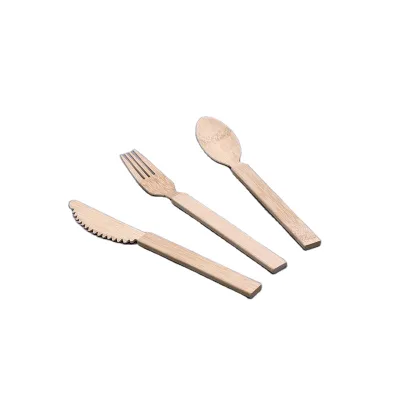


Biodegradable Wooden Disposable Cutlery Sets Knife Spoon Fork Wholesale
$0.05 - $0.06
MOQ: 50000 Pieces


High Quality Biodegradable Disposable Plastic Forks Knives Spoons Sets
$0.02 - $0.08
MOQ: 50000 Pieces


Comprehensive Sourcing Guide
Biodegradable Knife Fork Spoon Set Sourcing Guide
Sourcing biodegradable cutlery sets requires a nuanced understanding of material science, supply chain transparency, and regulatory compliance. Unlike traditional plastic alternatives, these products are designed to decompose under specific environmental conditions, offering a sustainable solution for the food service industry. Buyers must navigate a complex landscape where "biodegradable" is often used as a marketing term without standardized verification. This guide provides evidence-based procurement strategies to help buyers identify genuine sustainable products, verify supplier claims, and mitigate risks associated with greenwashing or non-compliant materials.
The transition to eco-friendly tableware is driven by increasing consumer demand and tightening global regulations on single-use plastics. However, the market is fragmented, with products ranging from wood-based utensils to plant-starch composites. Each material type offers distinct advantages and limitations regarding durability, cost, and end-of-life disposal. Procurement teams must align their purchasing decisions with their organization’s sustainability goals, ensuring that the selected cutlery sets not only meet functional requirements but also deliver verifiable environmental benefits throughout their lifecycle.
Product Scope and Observed Listing Signals
The current market for biodegradable cutlery sets encompasses a diverse range of materials, primarily bamboo, wood, and cornstarch-based polymers. Observed listings indicate that bamboo and wood remain dominant choices for disposable flatware, often marketed with natural color profiles and eco-friendly certifications. These materials are frequently sourced from regions like Anhui and Xiamen in China, where manufacturing capabilities are concentrated. Buyers should note that while bamboo is often highlighted for its rapid renewability, wood-based options may vary in grain density and finish, affecting both the aesthetic appeal and the structural integrity of the final product.
Cornstarch-based cutlery represents a growing segment, offering alternatives in white, black, or green hues that mimic the appearance of traditional plastic. These sets often include forks, spoons, and knives, packaged in various configurations such as OPP bags, kraft bags, or custom boxes. The observed data suggests that customization is widely available, allowing buyers to tailor product sizes, packaging, and branding to their specific needs. However, buyers must distinguish between products that are merely biodegradable and those that are compostable, as the latter requires specific industrial conditions to break down effectively.
Technical Specifications to Verify
Dimensional accuracy and material composition are critical factors in ensuring the functionality of biodegradable cutlery sets. Standard specifications for bamboo forks, for instance, may include dimensions such as 85mm in length with specific width and thickness parameters. Similarly, wooden knives might be standardized at 160mm in length. Buyers should verify these dimensions against their operational needs, as variations in size can impact user experience and compatibility with existing tableware storage systems. Customization options often allow for adjusted sizes, but these changes may affect production lead times and minimum order quantities.
Packaging specifications play a significant role in logistics and product protection. Common packaging formats include 100 pieces per bag with 20 bags per carton, or 50 pieces per bag with 100 bags per carton. The choice of packaging material, such as kraft paper or OPP bags, can also influence the product’s overall sustainability profile. Buyers should confirm whether the packaging itself is biodegradable or recyclable, as this contributes to the total environmental impact of the product. Additionally, verifying the folded or unfolded state of the cutlery can help in planning storage and distribution logistics, ensuring that the product arrives in optimal condition.
Compliance and Safety Documentation
Regulatory compliance is paramount when sourcing biodegradable cutlery, particularly for products intended for food contact. Certifications such as FDA, BRC, BSCI, CE, MSDS, and ISO9001 are frequently cited in product listings, indicating adherence to specific safety and quality standards. Buyers must verify the validity and scope of these certifications, ensuring that they cover the specific materials and manufacturing processes used in the production of the cutlery sets. For example, FDA compliance is essential for products used in the United States, while BRC and BSCI certifications may be required for European markets.
Beyond regulatory certifications, buyers should seek documentation related to biodegradability and compostability. While FSC certification is mentioned in some contexts, it primarily addresses sustainable forestry practices rather than the end-of-life decomposition of the product. Buyers should request test reports from accredited laboratories to verify claims of biodegradability, ensuring that the products meet recognized standards such as ASTM D6400 or EN 13432 for compostable plastics. This due diligence helps prevent greenwashing and ensures that the purchased cutlery sets deliver on their environmental promises.
Cost Drivers and Commercial Terms
The cost of biodegradable cutlery sets is influenced by several factors, including material type, customization level, and order volume. Observed price ranges vary significantly, reflecting the diversity of products and suppliers in the market. Buyers should expect higher costs for customized products, such as those with specific logos, colors, or packaging designs. Minimum order quantities (MOQs) can also impact pricing, with larger orders typically benefiting from economies of scale. Understanding these cost drivers allows buyers to negotiate more effectively and align their purchasing strategy with their budget constraints.
Delivery times and payment terms are other critical commercial considerations. Lead times for biodegradable cutlery sets can range from 20 to 35 days, depending on the complexity of the order and the supplier’s production capacity. Buyers should factor in these lead times when planning their inventory, ensuring that they have sufficient stock to meet demand without overstocking. Additionally, negotiating favorable payment terms, such as partial upfront payments or letters of credit, can help manage cash flow and reduce financial risk. Clear communication regarding shipping methods and incoterms is also essential to avoid unexpected costs or delays.
Supplier Qualification and Quality Control
Selecting a reliable supplier is crucial for ensuring the consistent quality and supply of biodegradable cutlery sets. Buyers should conduct thorough due diligence, verifying the supplier’s manufacturing capabilities, quality control processes, and track record. Requesting samples before placing large orders allows buyers to assess the product’s quality, including its durability, finish, and packaging integrity. Additionally, suppliers should be able to provide detailed information about their raw material sources, ensuring that the bamboo, wood, or cornstarch used is sourced sustainably and ethically.
Quality control measures should be integrated into the procurement process to minimize the risk of defects or non-conformities. Buyers should establish clear quality standards and inspection criteria, which can be verified through third-party inspections or in-house audits. Regular communication with the supplier regarding production progress and any potential issues can help prevent delays and ensure that the final product meets expectations. Implementing a robust quality management system, aligned with ISO9001 standards, can further enhance the reliability and consistency of the supply chain.
Long-Term Procurement Checks
Sourcing biodegradable cutlery sets is an ongoing process that requires continuous monitoring and evaluation. Buyers should regularly review supplier performance, assessing factors such as delivery reliability, product quality, and responsiveness to issues. Establishing key performance indicators (KPIs) can help quantify supplier performance and identify areas for improvement. Additionally, staying informed about industry trends, regulatory changes, and new material innovations can help buyers make informed decisions and adapt their procurement strategies accordingly.
Sustainability should remain a central focus in long-term procurement planning. Buyers should periodically reassess their sustainability goals and evaluate whether their current suppliers are helping them achieve these objectives. Engaging in dialogue with suppliers about their environmental initiatives and future plans can foster a collaborative relationship and drive continuous improvement. By prioritizing transparency, accountability, and innovation, buyers can build a resilient and sustainable supply chain for biodegradable cutlery sets, contributing to a more environmentally responsible future.
FAQs
What materials are used for biodegradable knife fork spoon sets?
These sets are made from 100% bamboo, wood, or cornstarch materials. Suppliers offer natural wood color or white, black, and green options depending on the specific product model selected for your order.
Can I request a customized logo on these disposable cutlery sets?
Yes, customized logos are acceptable for these products. Manufacturers allow branding customization while maintaining the eco-friendly and biodegradable features required for party, restaurant, and hotel applications.
What are the standard packaging specifications for these cutlery sets?
Packaging typically includes 100 pieces per bag with 20 bags per carton or 100 pieces per bag with 100 bags per carton. Some suppliers use OPP bags, kraft bags, or custom boxes based on order requirements.
Which certifications do these biodegradable cutlery sets hold?
Products often carry BRC, BSCI, CE, MSDS, and ISO9001 certifications. Specific items like wooden knives may also hold FDA certification to ensure safety for food contact in various dining environments.
How long does delivery take for these disposable flatware sets?
Delivery time is typically within 20 to 35 days from the order date. This lead time applies to standard orders originating from manufacturing locations in Anhui or Xiamen, China.
What sizes are available for these biodegradable knife fork spoon sets?
Available sizes include 85mm, 140mm, 150mm, 160mm, and 170mm depending on the specific set type. Different cutlery sets have different standard dimensions, and custom sizes can be requested for specific needs.