Source Sterile Cryo Tube with O-Ring Cap for Lab Storage
Compare 30 listings of Sterile Cryo Tube with O-Ring Cap from verified Chinese manufacturers. Buyers can evaluate capacities ranging from 0.5ml to 50ml, sterilization methods like gamma radiation, and customization options for laboratory and medical sample collection needs.
Key considerations
Products List


Disposable Plastic Freezing Cryovials Cryogenic Vials Cryo Tubes with Cap
$0.01 - $0.03
MOQ: 1800 Pieces


Plastic Cryovial Cryogenic 2ml Cryo Vial Tubes Clear Freezing Tube for Lab
$0.01 - $0.03
MOQ: 1800 Pieces


10ml Plastic Cryogenic Vial Graduated Cryo Tube with External Screw Cap
$0.02 - $0.03
MOQ: 1000 Pieces


Colorful 1.5ml 3ml Cryovial Tube with Screw Lid Cap Cryo Plastic Cryotube
$0.01 - $0.07
MOQ: 10000 Pieces
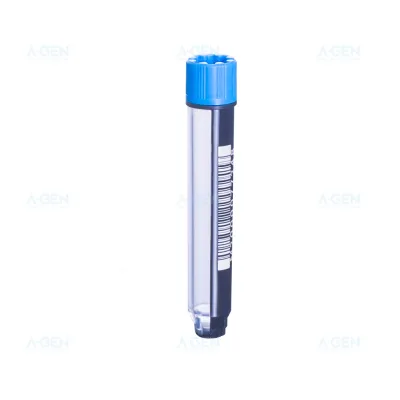
Comprehensive Sourcing Guide
Sterile Cryo Tube with O-Ring Cap Sourcing Guide
Procurement professionals seeking sterile cryo tubes with O-ring caps must first distinguish between standard screw-top vials and those featuring specialized sealing mechanisms for extreme temperature stability. The observed market data indicates a prevalence of external thread cryogenic vials, typically available in 1.8ml, 2ml, and 5ml capacities, which are designed for self-standing stability in liquid nitrogen storage. Buyers should verify if the specific O-ring configuration is integrated into the screw cap design to ensure a hermetic seal that prevents sample evaporation or cross-contamination during long-term storage.
The product listings reveal a diverse range of materials, primarily polypropylene and rubber-plastic composites, which dictate the chemical resistance and thermal shock tolerance of the vessel. While many items are marketed as disposable laboratory consumables, the presence of custom packaging and variable color options for caps suggests that suppliers can tailor the visual identification system for different sample types. Sourcing strategies must account for these material variations, as the choice between pure plastic and rubber components directly impacts the tube's ability to withstand repeated freeze-thaw cycles without cracking or leaking.
Product Scope and Observed Listing Signals
The current market inventory for cryogenic storage solutions includes a wide spectrum of volumes, ranging from microcentrifuge tubes at 0.5ml to larger conical tubes at 50ml, alongside specialized cardboard freezer boxes for bulk organization. Listings frequently highlight "External Thread Cryogenic Vials" and "Self Standing" designs, indicating that the physical geometry is optimized for automated handling systems and secure stacking in cryostorage racks. Buyers must carefully cross-reference the stated capacity with the actual internal volume, as some listings conflate the tube size with the box capacity or the volume of the freezing medium.
Observations of product attributes show a strong emphasis on customization, with suppliers offering specific cap colors like red, green, and purple to facilitate rapid visual sorting of biological samples. The availability of "Custom" packing options, such as bulk bags or individual cartons, allows laboratories to align procurement logistics with their internal inventory management protocols. However, the presence of generic terms like "Lab Test Tube" alongside specific cryogenic models requires buyers to scrutinize the product model codes to ensure the item is rated for cryogenic temperatures rather than standard room-temperature centrifugation.
Technical Specifications to Verify
When evaluating the technical integrity of a sterile cryo tube, the sealing mechanism is the primary focus, specifically the interaction between the screw cap and the O-ring gasket. The observed data confirms the existence of screw-top designs, but the specific material composition of the O-ring—whether rubber or a specialized polymer—must be confirmed to ensure it remains flexible at temperatures as low as -196°C. A failure in this seal can lead to sample loss, making it essential to request detailed specifications on the gasket material's thermal contraction properties before placing a large order.
Capacity and dimensional consistency are equally critical, as the listings mention standards ranging from 1.5ml to 5ml, with some products explicitly labeled as 1.8ml for cryogenic use. Buyers should verify that the graduated markings, if present, remain legible after exposure to extreme cold and that the tube wall thickness is sufficient to prevent bursting during expansion. The distinction between "Reactant State" and "Sterile" conditions in the product descriptions also necessitates a clear understanding of whether the tube is intended for active chemical reactions or passive biological sample preservation.
Compliance and Safety Documentation
Safety and regulatory compliance are paramount when sourcing laboratory consumables, with the observed listings citing certifications such as ISO and CE as standard indicators of quality management systems. These certifications suggest that the manufacturing processes adhere to international standards for medical and laboratory equipment, though buyers must verify that the specific batch of cryo tubes carries the relevant documentation for their intended application. The presence of Ethylene Oxide Sterilization and Gamma Radiation Sterile options in the product attributes indicates that suppliers offer multiple sterilization pathways, each with distinct implications for residual toxicity and material integrity.
Documentation regarding the origin of the product, specifically noting "China" and "Zhejiang" as production locations, should be accompanied by a Certificate of Analysis (CoA) for every shipment. This document must confirm that the materials used, such as the polypropylene and rubber components, are free from cytotoxic substances and do not leach harmful chemicals into the stored samples. Procurement teams should also ensure that the sterilization method claimed, whether gamma radiation or ethylene oxide, is validated for the specific packaging configuration to guarantee that sterility is maintained until the point of use.
Cost Drivers and Commercial Terms
The pricing structure for sterile cryo tubes is influenced by the complexity of the sealing mechanism, the volume of the container, and the level of customization required for cap colors or branding. The observed price range of 0.01 to 8.5 USD reflects the disparity between basic microcentrifuge tubes and specialized, high-performance cryogenic vials with advanced O-ring seals. Buyers should anticipate that orders requiring specific capacity standards, such as the 1.8ml or 5ml variants, or those demanding custom packaging, will incur higher unit costs due to the additional manufacturing steps involved.
Minimum Order Quantities (MOQs) vary significantly across the market, with observed ranges extending from 1 unit to 100,000 units, allowing flexibility for both small research labs and large-scale industrial procurement. The flexibility in MOQs suggests that suppliers are willing to accommodate trial orders, but buyers must weigh the per-unit cost savings of bulk purchasing against the storage costs and potential obsolescence of specialized items. Understanding the lead times associated with custom orders is also crucial, as the production of specific cap colors or unique sealing configurations may extend the delivery schedule beyond standard stock items.
Supplier Qualification and Quality Control
Supplier qualification should begin with a rigorous review of their manufacturing capabilities, specifically their ability to maintain tight tolerances on the screw threads and O-ring seating surfaces. The observed product attributes indicate a focus on "Disposable" and "Sterile" items, which implies a need for cleanroom environments and strict contamination control protocols during the assembly process. Buyers should request evidence of the supplier's quality control procedures, including in-process testing for seal integrity and visual inspection rates for defects in the cap and tube body.
Quality control extends to the packaging and labeling process, where the observed "Custom" packing options must be verified to ensure that the tubes remain sterile and undamaged during transit. The use of plastic bags in bulk quantities, as noted in some listings, requires validation that the packaging material is compatible with the sterilization method used and does not introduce particulate contamination. Establishing a clear communication channel for reporting quality issues is essential, as the performance of cryo tubes is often only fully tested after they have been subjected to the extreme conditions of liquid nitrogen storage.
Long-Term Procurement Checks
Establishing a long-term procurement strategy requires regular audits of the supplier's ability to maintain consistent product quality over time, particularly regarding the durability of the O-ring seals. The observed data suggests that while many products are designed for single-use, the reliability of the seal is critical for the long-term preservation of valuable biological samples. Buyers should implement a periodic re-qualification process to ensure that the supplier continues to meet the specified standards for capacity, material composition, and sterilization efficacy.
Monitoring the supply chain for potential disruptions is also vital, given that the production of specialized laboratory consumables often relies on specific raw materials like high-grade polypropylene and rubber compounds. The observed origin in Zhejiang, China, highlights the importance of diversifying suppliers or maintaining safety stock to mitigate risks associated with geopolitical or logistical challenges. Regular performance reviews should include feedback from end-users regarding the ease of use, the clarity of graduations, and the overall reliability of the cryo tubes in daily laboratory operations.
FAQs
What certifications do the sterile cryo tubes have?
The sterile cryo tubes hold RoHS, ISO, and CE certifications. These standards ensure the products meet international safety and quality requirements for laboratory use. Buyers can verify these credentials directly on the product page before placing orders for bulk supplies.
Can I request custom packaging for these cryogenic vials?
Yes, customization is available for packaging and product specifications. Suppliers offer options like custom boxes or bulk plastic bags depending on order volume. This flexibility allows buyers to tailor the delivery format to their specific laboratory storage and shipping needs effectively.
Which capacities are available for the external thread vials?
Available capacities include 0.5ml, 1.5ml, 2ml, and 5ml options. The product list also mentions 1.8ml self-standing vials and 50ml conical tubes. Buyers should select the specific volume that matches their sample collection requirements when reviewing the detailed product specifications.
How are the cryogenic vials sterilized before shipment?
The vials undergo Ethylene Oxide Sterilization or Gamma Radiation Sterilization processes. This ensures the tubes are free from contaminants and safe for sensitive biological samples. The specific sterilization method depends on the product model selected by the buyer from the available options.
What is the minimum order quantity for these tubes?
The minimum order quantity ranges from 1 to 100,000 units depending on the supplier. Flexible MOQs allow small labs to test products while accommodating large-scale industrial procurement. Buyers should confirm the specific MOQ with the vendor before finalizing their purchase agreement.
Where are these laboratory consumables manufactured?
These products originate from China, specifically from regions like Zhejiang. The manufacturing location ensures competitive pricing and efficient logistics for international buyers. Buyers can expect consistent quality standards aligned with the ISO and CE certifications mentioned in the product details.
Are the screw cap vials available in different colors?
Yes, the screw caps come in various colors such as red, green, and purple. This color coding helps users easily distinguish between different sample types or storage conditions. The transparent body of the vials allows for clear visibility of the contents inside.