Source LDPE Graduated Plastic Washing Bottle for Lab, Cleaning, and Packing
Compare 30 LDPE Graduated Plastic Washing Bottle options from verified suppliers. These bottles feature capacities like 150ml and 500ml, with sealing types including droppers and screw caps for laboratory, cleaning, and packing applications; compare the available evidence and request quotations based on your requirements.
Key considerations
Products List
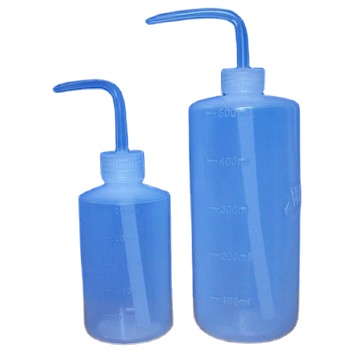
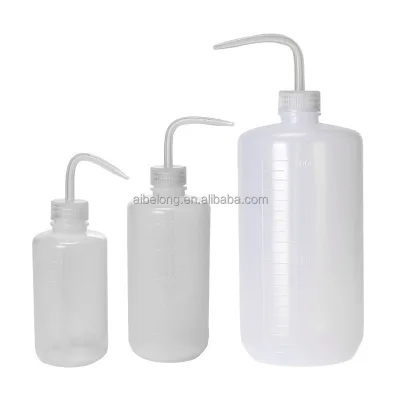
IBELONG Wholesale LDPE Soft Plastic Chemical Washing Bottles150ml Supplier
$0.19 - $0.39
MOQ: 100 Minimum


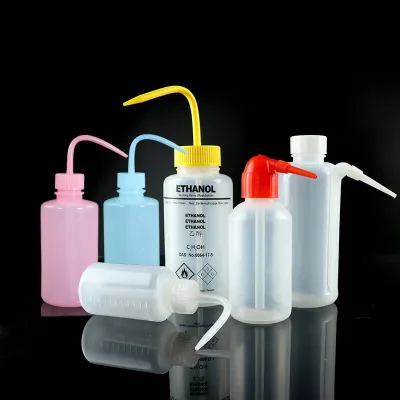


750ml 25oz HDPE Cleaning Liquid Detergent Bottle Plastic Toilet Cleaner Bottle
$0.30 - $0.45
MOQ: 5000 Pieces


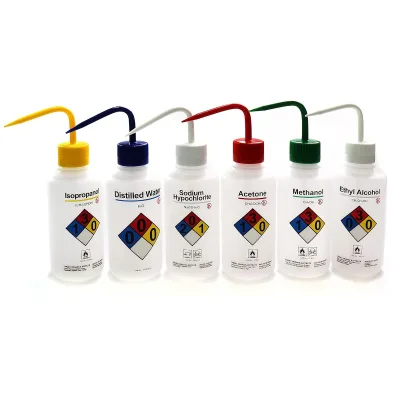


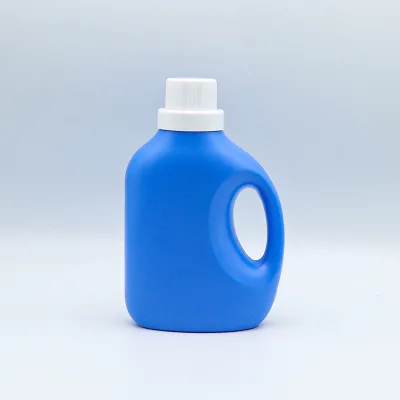
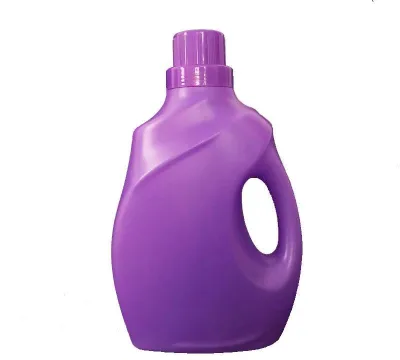

650ml PE Plastic Sanitizing Liquid Bottle Refill Disinfectant Storage Bottle
$0.03 - $0.30
MOQ: 10000 Pieces
Comprehensive Sourcing Guide
LDPE Graduated Plastic Washing Bottle Sourcing Guide
Sourcing LDPE graduated plastic washing bottles requires a careful balance between material flexibility, chemical compatibility, and precise volume measurement. These containers are widely used in laboratory, industrial, and cleaning applications where accurate dispensing of liquids is critical. The low-density polyethylene construction offers excellent chemical resistance and durability, making it suitable for a variety of clean liquids and washing agents. Buyers must prioritize suppliers who can provide consistent wall thickness and accurate graduation markings to ensure reliable performance in high-volume operations.
The procurement process involves evaluating multiple product attributes, from sealing mechanisms to packaging efficiency. Observed market listings indicate a wide range of capacities, including 150ml, 250ml, and 500ml options, with varying minimum order quantities. Understanding these variations is essential for aligning inventory needs with supplier capabilities. Additionally, the choice between screw caps and dropper seals will significantly impact the bottle’s suitability for specific liquid viscosities and usage environments.
Product Scope and Observed Listing Signals
The current market for LDPE washing bottles presents a diverse array of specifications, reflecting varied end-use requirements. Listings frequently highlight capacities such as 150ml, 250ml, and 500ml, with some models featuring round shapes and transparent or clear finishes. These visual characteristics allow users to easily monitor liquid levels and detect any particulate contamination. The material is consistently identified as plastic, specifically PE or LDPE, which provides the necessary flexibility for squeezing and dispensing without cracking or deforming under pressure.
Commercial signals also reveal significant variation in minimum order quantities and packaging details. Some suppliers offer low MOQs starting at 100 pieces, catering to small-scale laboratory needs, while others require bulk orders of 5,000 to 10,000 pieces for industrial applications. Packaging methods range from individual OPP bags to bulk carton boxes, with some listings specifying 700 pieces per carton. Buyers should carefully review these logistical details to ensure that the supplier’s packaging standards align with their storage and handling capabilities, minimizing damage during transit.
Technical Specifications to Verify
Verifying technical specifications is crucial for ensuring that the washing bottles meet functional requirements. Key attributes to confirm include the sealing type, which may be a screw cap or a dropper mechanism, depending on the desired dispensing control. The nozzle color and closure type should also be specified to prevent cross-contamination or user error. Additionally, the thickness of the plastic, often cited around 0.1 mm, influences the bottle’s durability and resistance to puncture, which is particularly important for bottles intended for heavy-duty industrial washing tasks.
Graduation accuracy and printing quality are equally important technical considerations. Buyers should request samples to verify that volume markings are precise and legible, as inaccurate graduations can lead to significant errors in liquid measurement. The printing method, whether UV or screen printing, affects the longevity of the markings against chemical exposure and frequent handling. Furthermore, the single package dimensions and gross weight should be calculated to optimize shipping costs and warehouse space utilization, ensuring that the logistical footprint is minimized without compromising product protection.
Compliance and Safety Documentation
Compliance with international standards is a non-negotiable aspect of sourcing plastic washing bottles, especially for laboratory and medical applications. Buyers must verify that suppliers hold relevant certifications, such as ISO 9001 for quality management and FDA compliance for material safety. These certifications indicate that the manufacturing process adheres to strict quality controls and that the materials used are safe for contact with various liquids. Without proper documentation, there is a risk of introducing contaminants or using materials that may degrade when exposed to specific chemicals.
Additionally, suppliers should provide material safety data sheets and test reports confirming the absence of harmful substances like BPA or phthalates. For products intended for clean liquid applications, leak-proof guarantees are essential to prevent spills and waste. Buyers should inquire about the supplier’s quality assurance protocols, including how they handle defects and ensure batch-to-batch consistency. Understanding the supplier’s commitment to safety and compliance helps mitigate risks associated with product liability and regulatory non-compliance in the end market.
Cost Drivers and Commercial Terms
Several factors influence the final cost of LDPE washing bottles, including material prices, mold costs, and order volume. The choice of plastic type, such as LDPE versus other PE variants, affects both the raw material cost and the manufacturing complexity. Customization options, such as OEM branding or unique graduation markings, may incur additional setup fees. Buyers should also consider the impact of packaging choices on overall costs, as more intricate packaging solutions can increase per-unit expenses significantly.
Commercial terms, including payment methods, lead times, and shipping arrangements, play a critical role in the total cost of ownership. Typical delivery times range from 7 to 15 working days, but this can vary based on order size and supplier capacity. Buyers should negotiate clear terms regarding sample availability and costs, as well as policies for defective goods. Understanding these commercial dynamics allows for more accurate budgeting and helps in selecting suppliers who offer the best value proposition without compromising on quality or reliability.
Supplier Qualification and Quality Control
Evaluating supplier qualifications is essential for establishing a reliable supply chain for plastic washing bottles. Buyers should assess the supplier’s production capacity, typically measured in pieces per month, to ensure they can meet demand without delays. Geographic location, such as Guangdong or Shanghai in China, can impact logistics and communication efficiency. It is also important to verify the supplier’s experience in manufacturing similar products, as this indicates their proficiency in handling specific technical challenges and quality standards.
Quality control processes should be thoroughly reviewed to ensure consistent product quality. Buyers should inquire about the supplier’s inspection protocols, including in-process checks and final random inspections. Requesting pre-shipment samples is a practical step to verify that the products meet specified requirements before committing to large orders. Additionally, understanding the supplier’s approach to continuous improvement and customer feedback can provide insights into their long-term reliability and commitment to meeting buyer expectations.
Long-Term Procurement Checks
Establishing long-term procurement relationships requires ongoing monitoring and evaluation of supplier performance. Buyers should regularly review key performance indicators, such as on-time delivery rates, defect rates, and responsiveness to issues. Maintaining open communication channels with suppliers helps in addressing potential problems promptly and fosters a collaborative environment. Regular audits of the supplier’s quality management systems can also ensure that they continue to meet required standards over time.
Furthermore, buyers should stay informed about market trends and technological advancements in plastic packaging. This includes monitoring changes in material regulations, sustainability initiatives, and new manufacturing techniques that could impact product quality or cost. By staying proactive in supplier management and market analysis, buyers can mitigate risks and ensure a steady supply of high-quality LDPE washing bottles. Continuous improvement efforts, both on the buyer’s and supplier’s side, contribute to a more resilient and efficient procurement process.
FAQs
What materials are used for these washing bottles?
These bottles are made from LDPE plastic, specifically PE type, ensuring flexibility and chemical resistance for packing clean liquids. The material is transparent and suitable for industrial washing applications while maintaining durability during transport and storage.
Which capacities are available for these plastic bottles?
Available capacities include 150ml, 250ml, and 500ml options to suit various liquid packing needs. The specific model xc-229 offers 250ml and 500ml volumes, while other listings provide 150ml sizes with clear, round shapes for easy identification.
Can I customize the logo and packaging for these bottles?
Yes, customization is available for logos and packaging details like OPP bags or carton boxes. Buyers can request specific printing methods such as UV or screen printing, and the supplier accepts custom orders for branding and unique packaging requirements.
What certifications do these manufacturers hold?
Manufacturers hold ISO9001 and FDA certifications, ensuring quality and safety standards for the plastic washing bottles. These credentials verify that the production processes meet international requirements for materials used in packing clean liquids and laboratory applications.
How long is the delivery time for these products?
The standard delivery time ranges from 7 to 15 working days after order confirmation. This lead time applies to the supply ability of one million pieces per month, ensuring timely fulfillment for bulk orders from Guangdong or Shanghai origins.
What is the minimum order quantity for these bottles?
Minimum order quantities vary, with some listings requiring 100 pieces while others specify 5000 or 10000 pieces. Buyers should check specific supplier terms as MOQs depend on the model number, customization level, and packaging configuration selected for the order.
Where are these plastic bottles manufactured?
These bottles are manufactured in Guangdong and Shanghai, China, providing access to established plastic production hubs. The location ensures efficient logistics and competitive pricing for international buyers seeking reliable sources for LDPE graduated washing bottles with specific sealing types.