Source Organic Barley Grass Superfood Powder for Medicine, Food, and Health Care
Find 30 verified listings for Organic Barley Grass Superfood Powder suitable for medicine, food, and health care products. Buyers can compare specifications, certifications, and pricing from multiple suppliers in China.
Key considerations
Products List






Comprehensive Sourcing Guide
Organic Barley Grass Superfood Powder Sourcing Guide
Sourcing high-quality organic barley grass powder requires a disciplined approach to verifying botanical identity, processing standards, and supply chain transparency. Buyers must distinguish between generic green superfood powders and those that meet specific organic and pharmaceutical-grade criteria. The market offers a variety of forms, including capsules, tablets, and bulk powders, each serving different end-use applications in health care products, food manufacturing, and dietary supplements. Understanding the distinction between Hordeum vulgare (barley) and Triticum aestivum (wheat) is critical, as some listings may conflate these botanical sources despite their distinct nutritional profiles and allergen considerations.
Procurement decisions should be driven by clear technical specifications and compliance documentation rather than marketing claims alone. Verified attributes such as assay methods, pesticide residue limits, and heavy metal standards provide the necessary baseline for risk mitigation. Buyers should prioritize suppliers who offer transparent data on cultivation methods, such as artificial planting versus wild harvesting, and who provide free samples for preliminary quality assessment. This guide outlines the essential verification steps, commercial considerations, and long-term checks required to secure a reliable supply of Organic Barley Grass Superfood Powder.
Product Scope and Observed Listing Signals
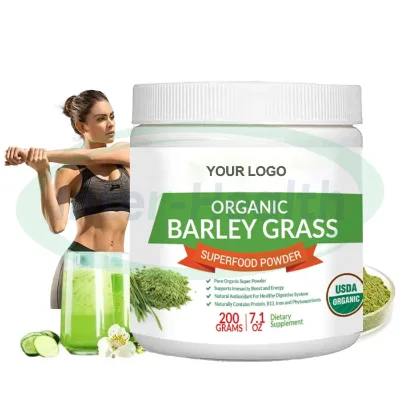
The product landscape for barley grass powder includes variations in particle size, packaging, and botanical origin. Observed listings indicate a range of models, such as BARLEY-5, Comext-barl, and BARE02, suggesting that suppliers may offer different grades or processing standards under similar product names. The physical state is consistently reported as a green powder, with some descriptions specifying "Green Superfood Barley Grass Powder" or "Organic Barley Grass Powder." Buyers should verify the exact botanical name, as some entries list Triticum aestivum (wheat grass) alongside barley grass, which may indicate a blended product or a listing error. The used part is typically the leaf, harvested at a specific growth stage to maximize nutrient density.
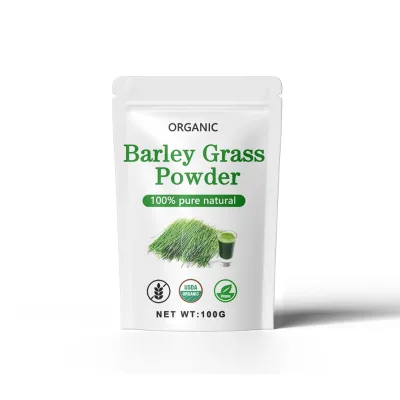
Packaging and storage requirements are significant factors in maintaining product integrity. Common packaging formats include 1kg bags and 25kg drums, with some suppliers offering vacuum-packed options or plastic containers to protect against moisture and oxidation. The shelf life is generally stated as two years, provided the product is stored in a cool, dry place. Buyers should confirm the single package size and weight to calculate logistics costs accurately. Additionally, the availability of free samples, typically 10-20g, allows for preliminary sensory and laboratory evaluation before committing to larger orders.
Technical Specifications to Verify
Technical verification begins with the assay method and active ingredient concentration. High-performance liquid chromatography (HPLC) is a standard method for quantifying active compounds, ensuring consistency across batches. Buyers should request a Certificate of Analysis (CoA) that details the assay results for key phytochemicals, such as chlorophyll, vitamins, and minerals. The particle size is another critical specification, with some products requiring that not less than 95% pass through an 80-mesh sieve. This ensures uniformity in mixing and dissolution, which is particularly important for applications in capsules, tablets, and functional foods.
Loss on drying and moisture content are vital for stability and shelf life. A typical loss on drying value of 5.0% indicates the water content, which must be controlled to prevent microbial growth and caking. Buyers should also verify the identification standards, ensuring the powder conforms to established pharmacopoeial or industry standards. The grade of the product, often labeled as Food Grade, should be confirmed against the intended application, whether for direct human consumption, food fortification, or further processing into health care products.
Compliance and Safety Documentation
Compliance with international standards is non-negotiable for organic and food-grade ingredients. Certifications such as ISO, HACCP, and FDA registration are commonly cited, indicating adherence to quality management systems and food safety regulations. Buyers must verify the validity of these certifications and ensure they cover the specific manufacturing facility and product line. Organic certification is particularly important for products marketed as "organic," requiring verification from accredited bodies to prevent greenwashing. The cultivation method, whether artificial planting or wild harvesting, should be documented to support organic claims.
Safety testing for contaminants is essential to mitigate health risks. Pesticide residue limits should meet or exceed USP/EP standards, ensuring that harmful chemicals are below detectable or acceptable thresholds. Polycyclic aromatic hydrocarbons (PAHs) should be tested, with some suppliers claiming levels below 50ppb. Buyers should request comprehensive test reports for heavy metals, microbial counts, and other potential contaminants. The place of origin, such as Shaanxi, China, should be cross-referenced with regulatory databases to ensure the region has a clean agricultural profile and does not pose additional environmental risks.
Cost Drivers and Commercial Terms
Pricing for organic barley grass powder varies based on quality, certification, and order volume. Observed price ranges in the market span from $0.82 to $58 per unit, reflecting differences in grade, packaging, and supplier positioning. Minimum order quantities (MOQ) typically range from 1 to 1000 units, allowing flexibility for both small-scale testers and large-scale manufacturers. Buyers should negotiate pricing based on volume tiers and long-term contracts to secure better rates. The cost of organic certification and sustainable farming practices often commands a premium, which should be factored into the total cost of ownership.
Delivery time and logistics are key components of the commercial terms. Standard delivery times are often cited as 2-3 working days, indicating efficient supply chain operations. However, buyers should confirm lead times for custom orders or large shipments, as these may vary based on production schedules and shipping methods. Packaging options, such as drums or vacuum packs, can impact shipping costs and storage requirements. Buyers should also consider the cost of sample orders, which are often provided free of charge, to evaluate the supplier's responsiveness and product quality before finalizing a purchase.
Supplier Qualification and Quality Control
Supplier qualification involves assessing the manufacturer's capabilities and quality control processes. Buyers should verify the supplier's production capacity, equipment, and quality assurance protocols. The brand name, such as Inter-Healthcare, may indicate a reputable manufacturer with established market presence. However, buyers should conduct due diligence to confirm the supplier's legal status, financial stability, and track record. Requesting references from existing clients and visiting the manufacturing facility, if possible, can provide valuable insights into operational standards.
Quality control measures should include batch-to-batch consistency checks and traceability systems. Buyers should ensure that the supplier maintains detailed records of raw material sourcing, processing steps, and final product testing. The availability of a dedicated quality control team and laboratory facilities is a positive indicator of reliability. Buyers should also inquire about the supplier's approach to handling non-conforming products and their policy for product recalls. Establishing a clear communication channel for quality issues is essential for maintaining a strong supplier relationship.
Long-Term Procurement Checks
Long-term procurement success depends on continuous monitoring and relationship management. Buyers should establish key performance indicators (KPIs) for quality, delivery, and service, reviewing them regularly with the supplier. Periodic audits of the supplier's facilities and quality management systems can help identify areas for improvement and ensure ongoing compliance. Building a collaborative partnership with the supplier can lead to better pricing, priority production, and access to new product developments.
Market trends and regulatory changes should be monitored to anticipate shifts in demand and compliance requirements. Buyers should stay informed about updates to organic standards, food safety regulations, and consumer preferences for superfood ingredients. Diversifying the supplier base can mitigate risks associated with supply chain disruptions or quality issues. Regularly reviewing and updating procurement strategies ensures that the organization remains competitive and resilient in the dynamic market for Organic Barley Grass Superfood Powder.
FAQs
What certifications does the barley grass powder have?
The product holds ISO, HACCP, and FDA certifications. These standards ensure the powder meets international safety and quality requirements for food and health care applications.
How long is the shelf life of this powder?
The shelf life is two years when stored correctly. You should keep the powder in a cool, dry place to maintain its quality and antioxidant properties over time.
Can I get free samples of the barley grass powder?
Yes, free samples of 10 to 20 grams are available for testing. This allows buyers to verify the green powder quality before committing to larger orders.
What is the lead time for delivery?
The delivery time is typically 2 to 3 working days. This fast turnaround supports urgent procurement needs for food and medicine applications requiring quick restocking.
Which packaging options are available for bulk orders?
Packaging includes 1kg bags and 25kg drums. These options accommodate various order sizes while ensuring the powder remains vacuum packed or protected in plastic containers.
What is the particle size specification for the powder?
At least 95% of the powder passes through an 80 mesh screen. This fine particle size ensures smooth integration into capsules, tablets, and baked goods.
Is the product suitable for organic applications?
Yes, the product meets organic standards and is labeled as organic barley grass powder. It is derived from Hordeum Vulgare L. leaves grown via artificial planting methods.