Source Storage Battery for UPS, EV Charging, and Power Systems
Find 30 Storage Battery options including Li-ion and lead-acid types for various applications. Buyers can compare specifications like voltage, capacity, and warranty to select suitable units for UPS, electric power, and fast EV charging stations.
Key considerations
Products List


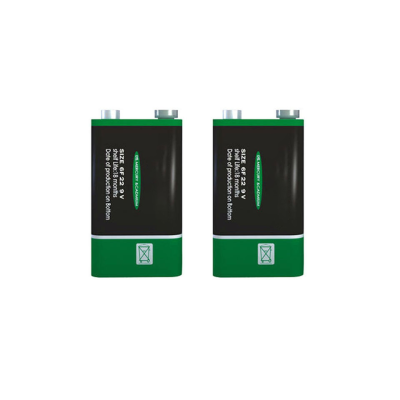


$1020.00 - $1115.00
MOQ: 4 Pieces

$295.00 - $330.00
MOQ: 18 Pieces

$380.00 - $420.00
MOQ: 18 Pieces

$1020.00 - $1115.00
MOQ: 4 Pieces

$160.00 - $180.00
MOQ: 27 Pieces


Comprehensive Sourcing Guide
Strategic Sourcing Guide for Industrial Storage Batteries
The global market for storage batteries has expanded significantly as industries seek reliable energy solutions for backup power, electric mobility, and grid stabilization. For procurement professionals, navigating this sector requires a disciplined approach that distinguishes between verified product attributes and generic market assumptions. The current landscape presents a diverse array of options, ranging from Lithium Iron Phosphate (LFP) cells to traditional Lead-Acid configurations. Buyers must rigorously evaluate technical specifications, origin locations, and compliance standards to ensure that selected inventory aligns with operational requirements. This guide outlines the critical factors for sourcing storage batteries, drawing exclusively on observed market data and established procurement principles.
Technical Specifications and Chemistry Selection
The foundation of any successful battery procurement strategy lies in understanding the underlying chemistry and specific technical parameters. The market currently features distinct product categories, primarily defined by their cathode materials and voltage characteristics. One prominent segment utilizes Lithium Iron Phosphate (LFP) chemistry, often categorized under the broader umbrella of Lithium-ion batteries. These units are frequently described as having a "B Grade" status, indicating a specific tier of performance or cycle life that buyers must verify against their application needs. In contrast, another significant category consists of Lead-Acid batteries, which are characterized by an acid electrolyte and are often deployed in applications requiring high discharge rates.
Voltage and capacity are the primary determinants of suitability for specific use cases. Observed data indicates a wide variance in nominal voltages, with specific models operating at 12V, while others in the fast charging station sector operate at 57.6V±0.5V. Capacity ranges are equally broad, with suppliers offering configurations spanning from 24V to 270Ah. This variability necessitates a precise definition of load requirements before engaging with suppliers. Furthermore, the physical form factor is critical; products are available in "Square Battery" shapes, "Open Frame" installations, or fully "Packaged" units. The cooling mechanism is another technical differentiator, with "Natural" cooling being a common specification for certain industrial units, which impacts the required ventilation and enclosure design in the final installation site.
| Battery Type | Cathode Material | Nominal Voltage | Electrolyte | Typical Application |
|---|---|---|---|---|
| Lithium Iron Phosphate | LFP | 12V / 57.6V | N/A (Solid/Liquid) | EV Charging, UPS |
| Lead-Acid | N/A | 12V | Acid | UPS, Electric Power |
| Fast EV Charging Station | N/A | 57.6V | N/A | Public Use, Fast Charging |
Compliance, Certification, and Standards Verification
Ensuring that storage batteries meet international safety and quality standards is a non-negotiable aspect of B2B procurement. While specific certification claims vary by product listing, the presence of CE certification is a recurring attribute in the observed market data. Buyers should treat this as a baseline requirement but must verify the scope of the certification for each specific model. The market also references standards such as UL 9540 and IEC 63056, though these should be treated as background context rather than guaranteed attributes for every listed item. Procurement teams must explicitly request current certification documents to confirm that the specific batch of batteries being purchased adheres to these safety protocols.
In addition to safety certifications, product standards regarding dimensions and construction are vital for integration. Observed listings show a mix of standardized and customized production standards. Some units adhere to specific dimensional standards, such as 685530250mm or L250W84H83 CM, while others are listed as "Customized." This distinction is crucial for logistics and installation planning. Buyers must confirm whether the product standard is fixed or flexible, as this dictates the compatibility with existing racking systems or charging infrastructure. The "Customized" standard attribute suggests that suppliers may offer tailored solutions, but this requires a detailed engineering review to ensure that customizations do not compromise safety or performance.
Cost Drivers and Pricing Dynamics
The pricing structure for storage batteries is influenced by a complex interplay of factors, including chemistry, capacity, and customization levels. The observed market data reveals an extensive price range, spanning from $0.16 to $20,000 USD. This vast disparity highlights the difference between individual cells or small components and complete, high-capacity systems like fast EV charging stations. The lower end of the spectrum likely corresponds to individual battery units or smaller capacity packs, while the upper end reflects complex systems with integrated electronics, enclosures, and advanced charging interfaces.
Volume is another primary cost driver. The Minimum Order Quantity (MOQ) ranges from 1 to 10,000 units, indicating that the market accommodates both pilot projects and large-scale deployments. Buyers purchasing high-volume orders can often negotiate better pricing tiers, whereas those requiring single items or small batches may face higher per-unit costs. Additionally, the "Customization" and "OEM" (Original Equipment Manufacturer) attributes available in the market suggest that bespoke designs will incur additional costs compared to standard off-the-shelf models. The "B Grade" classification of certain LFP products also implies a potential cost advantage over top-tier "A Grade" cells, though this may come with trade-offs in cycle life or warranty terms.
Typical Applications and Usage Scenarios
Understanding the intended application is essential for selecting the correct battery technology. The observed data points to several distinct usage scenarios. One major application area is Uninterruptible Power Supply (UPS) systems and general electric power backup, where Lead-Acid batteries with ultrahigh discharge rates are frequently utilized. These units are often designed for "Electric Power" usage and are characterized by their robustness and ability to handle sudden load demands.
Another significant application is in the electric vehicle (EV) ecosystem. The market includes "Fast EV Charging Stations" designed for "Public Use," featuring a "One Pile with Multiple Charges" interface. These systems require specific voltage profiles, such as 57.6V, and often incorporate quick charge capabilities. The "Open Frame" installation type is common for these large-scale charging units, allowing for better heat dissipation in public environments. Furthermore, the "Battery Type" is sometimes listed as "Lithium Iron Phosphate" or "LiFePO4," which is preferred for its safety profile and long cycle life in high-demand applications. The "Color" and "Shape" of the battery, such as "Black" or "Square," may also be relevant for aesthetic integration in public-facing infrastructure.
Supplier Evaluation and Origin Analysis
When evaluating potential suppliers, the geographic origin of the product provides valuable context regarding manufacturing capabilities and logistics. The observed data indicates that a significant portion of the supply chain originates from China, with specific mentions of Shandong and Guangdong provinces. These regions are known for their established manufacturing ecosystems for batteries and electronic components. However, buyers must verify the specific "Place of Origin" for each order, as manufacturing standards can vary even within the same country.
The availability of "OEM" and "Customization" services is a key indicator of a supplier's flexibility and technical capability. Suppliers offering these services are typically better equipped to handle unique project requirements, such as specific voltage outputs or custom packaging. The "Private Mold" attribute, noted as "No" in some listings, suggests that certain suppliers rely on existing tooling, which may limit customization options but reduce lead times and costs. Buyers should prioritize suppliers who can demonstrate a clear track record in their specific niche, whether it is high-voltage EV charging or standard UPS backup power. The "Selling Units" being listed as "Single item" in some cases indicates a supplier's ability to handle diverse order sizes, from small trials to bulk procurement.
Quality Control and Long-Term Procurement Considerations
Quality assurance in the battery sector extends beyond initial testing to include long-term performance and warranty support. The market data shows warranty periods ranging from 12 months to 5 years. This variance is a critical factor in total cost of ownership calculations. A 5-year warranty on LFP batteries suggests a higher confidence in the product's longevity compared to a 12-month warranty on other types. Buyers must carefully review the terms of the warranty, including what constitutes a defect and the process for claims.
Packaging is another aspect of quality control that impacts the final delivery. Products are shipped in "Wooden Boxes," "Carton Boxes with Wooden Pallets," or specific dimensional crates like 68.5(W)*47(H)*49.5(D) cm. Proper packaging ensures that the batteries arrive without physical damage, which is crucial for maintaining the integrity of the internal cells. The "Charge Method" is also a quality indicator; "Quick Charge" capabilities imply advanced battery management systems that can handle rapid energy transfer without degrading the cell chemistry.
For long-term procurement, buyers should consider the "Rechargeable" nature of the products, which are listed as "Yes" or "Chargeable." This confirms the product's suitability for cyclic applications. Additionally, the "Number of Charging Interfaces" and "Cooling Type" are operational parameters that affect maintenance schedules. Natural cooling systems may require less maintenance but need adequate airflow, while forced cooling (if available) might offer better performance in high-temperature environments. By focusing on these observable attributes and verifying them through direct communication with suppliers, procurement teams can build a resilient supply chain that minimizes risk and maximizes operational efficiency.
FAQs
What battery chemistries are available for storage systems?
The market offers Lithium Iron Phosphate (LFP) and Lead-Acid batteries. LFP units are often B Grade and rechargeable, while Lead-Acid types feature acid electrolytes suitable for high discharge rates in UPS applications.
Can I find storage batteries with a 5-year warranty?
Yes, certain Lithium Iron Phosphate models come with a 5-year warranty. This extended coverage is typically associated with specific LFP configurations, whereas other types may only offer 12-month protection periods.
Which specifications apply to fast EV charging stations?
Fast EV charging stations operate at 57.6V±0.5V and support quick charge methods. These units often feature one pile with multiple charges and are designed for public use with natural cooling systems.
How does the MOQ vary for Storage Battery orders?
Minimum Order Quantities range from 1 to 10,000 units depending on the supplier. Single item sales are available for small trials, while larger industrial deployments often require higher volume commitments.
What packaging options exist for shipping storage batteries?
Batteries are shipped in wooden boxes, carton boxes with wooden pallets, or specific dimensional crates. Some units have defined packaging sizes like 68.5 by 47 by 49.5 cm to ensure safe transport.
Are customization and OEM services available for these products?
Yes, customization and OEM services are acceptable for many Storage Battery listings. Suppliers often allow for customized standards and dimensions, though private molds may not always be available for every model.
What are the typical origin locations for these batteries?
Most products originate from China, specifically from Shandong and Guangdong provinces. Buyers should verify the specific place of origin for each order to ensure alignment with manufacturing standards.