Source Low Pressure Horizontal Centrifugal Pump for Industry Agriculture Water
Compare 30 listings for Low Pressure Horizontal Centrifugal Pump options from verified suppliers. Buyers can evaluate specifications like head, capacity, and impeller type to find suitable units for industrial, agricultural, and water treatment applications.
Key considerations
Products List


$50.00 - $1000.00
MOQ: 10 units


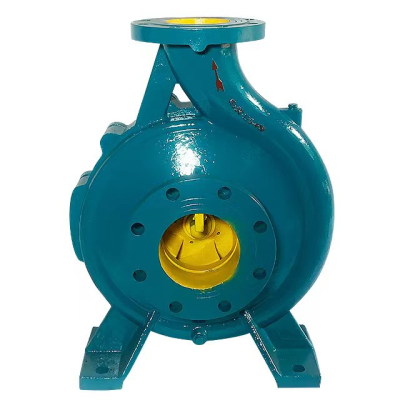


Comprehensive Sourcing Guide
Strategic Sourcing Guide for Low Pressure Horizontal Centrifugal Pumps
Understanding Technical Specifications and Configuration
When sourcing a Low Pressure Horizontal Centrifugal Pump, the primary objective is to align the mechanical configuration with specific hydraulic requirements. The market offers a diverse array of configurations, but the core definition of a horizontal pump dictates that the pump shaft is positioned horizontally, a feature explicitly observed in the available product data. This orientation is critical for applications requiring easy maintenance access and stable foundation mounting. The driving type for these units is consistently identified as motor-driven, ensuring direct power transmission from the electric motor to the impeller assembly.
A critical distinction in the horizontal category is the casing design. Buyers must verify whether the pump utilizes a horizontal split casing, which allows for the inspection and replacement of internal components without disconnecting the suction and discharge piping. This design is particularly advantageous for industrial maintenance cycles. Furthermore, the impeller configuration varies significantly between single-suction and double-suction types. Single-suction pumps are often selected for lower flow rates, while double-suction impellers are engineered to handle higher flow capacities with reduced axial thrust. The impeller itself may be closed or open; closed impellers generally offer higher efficiency for clean fluids, whereas open impellers are better suited for liquids containing solids or slurries.
The working pressure classification is a fundamental parameter. While the target keyword specifies "low pressure," the observed market data indicates a wide spectrum of pressure ratings, ranging from low-pressure units to high-pressure variants capable of exceeding 150 meters of head. For a low-pressure application, the buyer must specifically look for units with a maximum head in the range of 30 to 50 meters. Units with heads exceeding 150 meters or operating in the 50 to 80-meter range may be technically over-engineered or unsuitable for the intended low-pressure system. Additionally, the number of stages is a vital specification; single-stage pumps are standard for low-pressure duties, while multistage configurations are typically reserved for high-head applications.
Compliance, Certification, and Standard Verification
Navigating the compliance landscape for industrial pumps requires a rigorous verification process, as certification claims can vary widely between suppliers. The provided data highlights specific standards and certifications that buyers should look for, such as the CE mark, which indicates conformity with health, safety, and environmental protection standards for products sold within the European Economic Area. Some product listings reference specific power standards, such as 3kW or 5.5kW, which serve as indicators of the motor's rated capacity rather than a universal standard for the pump itself.
Certification claims in the supply chain must be treated with scrutiny. While some data points mention certifications related to membrane performance, such as "ISOSalt Rejection Rate:99.5%," this is specific to reverse osmosis filtration systems and not directly applicable to the mechanical integrity of a centrifugal pump. Buyers should not assume that a pump listing with a water treatment certification automatically meets mechanical safety standards. The presence of ISO 9001 or ISO 9905:1994 is often cited in general industry knowledge as a baseline for quality management and pump performance testing, but these should be verified directly with the supplier rather than assumed from general market descriptions.
When evaluating compliance, the origin of the product is a secondary but relevant factor. Many units are manufactured in Shanghai, China, a major hub for pump production. Buyers should request documentation proving that the specific batch of pumps adheres to the claimed standards. It is essential to distinguish between the pump's mechanical standard and the motor's electrical standard. For instance, a product listing might specify a "Caliber: 20~200mm" as a standard, which refers to the connection size rather than a regulatory compliance document. The buyer must ensure that the specific model, such as the LQDWJ(T)12-5 or LGCA, has the necessary certifications for the intended application environment, whether it be industrial, agricultural, or daily life usage.
Cost Drivers and Pricing Dynamics
The pricing structure for low pressure horizontal centrifugal pumps is influenced by a complex interplay of factors, including material composition, motor power, and customization options. The observed market data reveals a substantial price range, spanning from 1 USD to 7500 USD. This wide variance indicates that the "low pressure" designation does not correlate with a single price point but rather depends on the specific configuration and capacity of the unit. A basic single-stage pump with a small motor and standard casing will likely fall at the lower end of this spectrum, while a unit with a horizontal split casing, a high-efficiency motor, and specialized materials will command a premium price.
Material selection is a primary cost driver. Pumps designed for corrosive fluids or high-temperature applications require exotic alloys or specialized coatings, which significantly increase the manufacturing cost. The type of mechanical seal used is another critical factor; mechanical seal packaging is noted in some listings, suggesting that the quality of the sealing system is a differentiator. High-quality mechanical seals reduce leakage risks and extend maintenance intervals, justifying a higher initial investment. Additionally, the motor power rating, such as the 3kW or 5.5kW variants observed, directly impacts the cost. A 5.5kW motor will inherently cost more than a 3kW unit, affecting the total price of the pump assembly.
Customization is a significant variable in the cost equation. The availability of customization options allows buyers to tailor the pump to specific system requirements, such as unique mounting heights or specific impeller types. However, custom orders often incur higher unit costs and potentially longer lead times compared to standard off-the-shelf models. The packaging method also plays a role in the final delivered cost. While some units are shipped in cartons, others require wooden cases or wooden boxes to protect the machinery during transit, especially for larger or heavier units. These packaging requirements add to the overall logistics cost and must be factored into the total procurement budget.
Typical Applications and Operational Context
Low pressure horizontal centrifugal pumps are versatile machines deployed across a wide array of industries. The observed usage data categorizes these pumps for applications including water treatment, daily life, agriculture, and general industry. In the water treatment sector, these pumps are essential for circulating water through filtration systems or moving influent and effluent streams. The specific model designations, such as ISG40-250IB or LIHW, often correspond to specific application niches, such as condensate handling or slurry transport.
In agricultural settings, the pumps are utilized for irrigation and drainage, where reliability and ease of maintenance are paramount. The horizontal orientation facilitates installation in open fields or pump houses where space may be limited. For daily life applications, these pumps serve residential and commercial water supply systems, ensuring consistent pressure and flow for domestic use. The industrial sector represents the largest volume of application, where pumps are used for circulating cooling water, transferring process fluids, and managing slurry in mining or manufacturing operations.
The working pressure range of 30 to 50 meters is particularly suitable for low-head applications, such as moving water over short distances or maintaining circulation in closed-loop systems. However, buyers must be cautious not to confuse these with high-pressure units, which are designed for boosting pressure in tall buildings or long-distance pipelines. The impeller type also dictates the application; single-suction pumps are ideal for clean water, while double-suction variants are better for high-flow, low-head scenarios. The choice of pump must align with the fluid characteristics, ensuring that the impeller material and casing design can withstand the specific chemical and physical properties of the liquid being pumped.
Supplier Evaluation and Quality Assurance
Evaluating suppliers for low pressure horizontal centrifugal pumps requires a focus on technical capability, manufacturing consistency, and after-sales support. The origin of the product, often cited as Shanghai or China, suggests a concentration of manufacturing expertise in this region. However, the presence of a manufacturing location does not guarantee quality; buyers must verify the supplier's track record and production capacity. The ability to offer OEM services and customization is a strong indicator of a supplier's flexibility and technical competence.
Quality control measures should be a central part of the supplier evaluation process. Buyers should inquire about the testing protocols used for the pumps, including performance testing against the stated specifications such as head, capacity, and efficiency. The observed data mentions specific models like LMS and LDL, which implies that suppliers have established product lines with defined performance characteristics. It is crucial to request test reports or certification documents that validate these claims. The packaging method, whether wooden case or mechanical seal packaging, can also serve as an indicator of the supplier's attention to detail and commitment to protecting the product during shipping.
Supplier reliability is further assessed by their response to inquiries and their ability to provide technical documentation. A reputable supplier will offer detailed datasheets, installation manuals, and maintenance guides. The availability of spare parts, such as impellers and mechanical seals, is another critical factor. Buyers should ensure that the supplier has a robust supply chain for replacement parts to minimize downtime in the event of maintenance needs. The brand reputation, whether it is a recognized brand like Lyson or an OEM provider, should be weighed against the specific requirements of the project.
Long-Term Procurement and Lifecycle Management
Procuring a Low Pressure Horizontal Centrifugal Pump is not merely a one-time transaction but the beginning of a long-term operational relationship. The total cost of ownership (TCO) includes the initial purchase price, installation costs, energy consumption, and maintenance expenses. While the initial price may range from 1 to 7500 USD, the long-term costs are heavily influenced by the pump's efficiency and durability. Selecting a pump with a high-efficiency motor and a robust mechanical seal can significantly reduce energy bills and maintenance frequency over the lifespan of the equipment.
Maintenance planning is essential for maximizing the utility of the pump. The horizontal split casing design facilitates easier maintenance, allowing for the inspection of internal components without extensive disassembly. Buyers should establish a maintenance schedule that includes regular checks of the mechanical seal, bearing lubrication, and alignment of the motor and pump shaft. The availability of customization options can also play a role in long-term management, as tailored solutions may offer better compatibility with existing systems and reduce the need for future modifications.
The lead time and minimum order quantity (MOQ) are also factors to consider in long-term procurement. The observed MOQ range of 1 to 100 units suggests flexibility for both small-scale projects and large industrial deployments. Buyers should negotiate lead times that align with their project schedules, as delays in pump delivery can disrupt entire production lines. Finally, the supplier's ability to provide technical support and training for the maintenance team is crucial for ensuring the long-term reliability of the pump system. By focusing on these lifecycle considerations, buyers can make informed decisions that balance immediate needs with long-term operational efficiency.
FAQs
What is the maximum head for low pressure horizontal centrifugal pumps?
The maximum head typically ranges from 30 to 50 meters for low pressure applications. Units exceeding 150 meters are classified as high pressure and may be unsuitable for this specific duty.
Which impeller types are available for horizontal centrifugal pumps?
Available impeller types include single suction, double suction, closed, and open configurations. Single suction suits lower flows while double suction handles higher capacities with reduced axial thrust.
Can these pumps be customized for specific industrial needs?
Yes, customization is available to tailor pumps for specific requirements. Buyers can request unique mounting heights, impeller types, or casing designs to match their operational environment.
What certifications are commonly associated with these pump models?
Some models carry CE certification indicating conformity with European safety standards. Other listings may reference specific power standards like 3kW or 5.5kW rather than universal mechanical certifications.
How are these pumps typically packaged for shipping?
Packaging options include wooden cases, wooden boxes, or cartons depending on the model size. Mechanical seal packaging is also noted for specific high-quality units to ensure protection during transit.
Where are these pumps primarily manufactured?
Most units originate from Shanghai, China, a major production hub for this equipment. Buyers should verify specific batch documentation to confirm origin and adherence to claimed standards.
What is the price range for low pressure horizontal centrifugal pumps?
The observed price range spans from 1 to 7500 USD depending on configuration. Costs vary based on motor power, material composition, and whether customization or specialized packaging is required.
Which applications are suitable for these horizontal pumps?
These pumps serve water treatment, daily life, agriculture, and general industry sectors. They are ideal for circulating water, moving slurry, or handling condensate in low-pressure systems.