Source Storage Boxes for Home, Hotel, and Hospital Use
Explore 30 verified Storage Boxes designed for living rooms, hotels, hospitals, and nursing homes. Compare options made from PP, plastic, and leather, featuring custom logos, handles, and nested or stacked packaging to meet diverse organizational needs; compare the available evidence and request quotations based on your requirements.
Key considerations
Products List


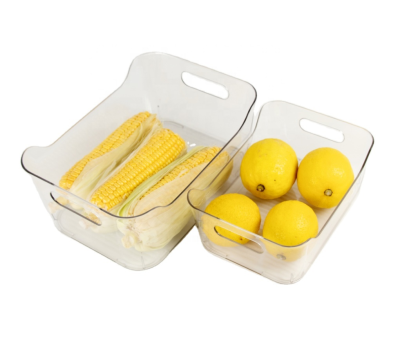
Space-Saving Plastic Storage Box, Plastic Bin Container/Plastic Storage Basket
$3.80 - $4.00
MOQ: 2000 Pieces




Comprehensive Sourcing Guide
Storage Boxes Sourcing Guide
Buyers evaluating Storage Boxes must first distinguish between the diverse product categories available, ranging from large plastic containers for living rooms to specialized PU card boxes for entertainment. The observed market data indicates a wide variance in material composition, with listings explicitly citing PP, plastic, and leather as primary construction materials. This diversity necessitates a clear definition of the intended use case, whether for general home organization, hospital laundry management, or hotel storage, as the material choice directly impacts durability and suitability for specific environments.
Procurement teams should also scrutinize the physical configuration and packaging logic before placing orders, as observed listings show significant variation in stacking methods and carton quantities. Some products are designed for nested packing to maximize container efficiency, while others utilize stacked configurations that may require different handling protocols. Understanding these logistical attributes is critical for calculating shipping costs and warehouse space requirements, ensuring that the selected storage solution aligns with the buyer's specific supply chain constraints and storage capacity.
Product Scope and Observed Listing Signals
The market for Storage Boxes presents a broad spectrum of applications, including specialized uses for nursing homes, hospitals, and hotels alongside general residential needs. Buyers will encounter products explicitly labeled for living room storage as well as those designed for complex entertainment applications like board games, which often feature specific dimensions and custom logos. This wide scope requires careful filtering to ensure the selected item matches the operational environment, as a box suitable for a hotel laundry room may differ significantly in construction from one intended for a living room or a game room.
Listing signals also reveal distinct customization capabilities that define the commercial value of these items. Many suppliers offer fully customized logos, colors, and dimensions, allowing buyers to tailor products to their brand identity or specific spatial requirements. However, the presence of customization options does not guarantee uniformity across all SKUs, as some models are fixed to standard sizes while others allow for bespoke specifications. Buyers must verify the extent of these customizations early in the process to avoid mismatches between the ordered product and the final delivered goods.
Technical Specifications to Verify
Dimensional accuracy and weight specifications are paramount when selecting Storage Boxes, as observed data shows models ranging from compact PU card cases to large cartons with specific dimensions like 443052cm. Buyers must verify the gross and net weights, which can vary significantly between nested and stacked packaging types, to ensure compatibility with existing logistics infrastructure. The listed weight data, such as 8.5kg gross weight for certain models, serves as a critical benchmark for freight calculations and handling equipment requirements, preventing unexpected costs or operational bottlenecks during transit.
Material composition and structural design further dictate the performance and longevity of the storage solution. While some products are constructed from durable PP or plastic suitable for heavy-duty industrial use, others utilize leather or PU materials for aesthetic or specialized entertainment purposes. The presence of handles, lids, and specific design styles like modern or abstract strategy themes indicates functional differences that must be validated against the intended usage. Buyers should request detailed technical drawings or samples to confirm that the material thickness and structural integrity meet the demands of the specific application environment.
Compliance and Safety Documentation
Safety and compliance documentation for Storage Boxes often involve verifying material safety standards, particularly when products are intended for use in sensitive environments like hospitals or nursing homes. While general market knowledge suggests the importance of non-toxic materials, buyers must explicitly request test reports confirming that the plastic, leather, or PP components meet relevant safety regulations for the target market. The absence of specific certification claims in general listings means that buyers cannot assume compliance and must actively seek documentation to ensure the products do not pose health risks to end-users.
Environmental and quality management standards also play a crucial role in the procurement of storage solutions, especially for large-scale commercial orders. Although some background information mentions standards like ISO9001, these should not be assumed without direct verification from the supplier. Buyers should require evidence of quality management systems and material safety data sheets to ensure that the production process adheres to recognized industry norms. This due diligence helps mitigate the risk of product recalls or regulatory penalties, ensuring that the supply chain remains robust and compliant with international trade requirements.
Cost Drivers and Commercial Terms
Pricing for Storage Boxes is heavily influenced by material costs, customization levels, and order volume, with observed ranges spanning from low-cost basic units to premium specialized items. The minimum order quantity (MOQ) varies significantly, ranging from single units to thousands, which directly impacts the unit price and overall budget allocation. Buyers must analyze the trade-off between lower MOQs and higher per-unit costs against the benefits of bulk purchasing, considering that larger orders often unlock better pricing tiers but require greater upfront capital and storage capacity.
Lead times and delivery terms are equally critical factors that affect the total cost of ownership and supply chain reliability. Observed delivery windows typically range from 15 to 20 days, but these figures can fluctuate based on the complexity of customization and current production capacity. Buyers should negotiate clear delivery schedules and penalty clauses for delays to protect against supply chain disruptions. Additionally, understanding the packaging configuration, such as nested versus stacked, is essential for optimizing freight costs and ensuring that the commercial terms align with the buyer's logistical capabilities.
Supplier Qualification and Quality Control
Supplier qualification for Storage Boxes requires a rigorous assessment of production capabilities, particularly regarding their ability to handle custom designs and varying material specifications. Buyers should verify the supplier's experience with OEM and ODM projects, as many listings indicate a willingness to accept custom logos and designs. This capability is essential for brands seeking unique products, but it also introduces complexity that must be managed through clear communication and detailed specification sheets to ensure the final output matches the initial design intent.
Quality control protocols must be established to maintain consistency across large orders, especially given the observed variation in product models and specifications. Buyers should implement pre-shipment inspections to verify dimensions, material quality, and packaging integrity, ensuring that the delivered goods meet the agreed-upon standards. The presence of multiple product models, such as those with specific model numbers like SY336007 or hw-65621, highlights the need for a robust tracking system to prevent mix-ups and ensure that each batch meets the specific requirements of the purchase order.
Long-Term Procurement Checks
Sustaining a successful procurement relationship for Storage Boxes involves regular performance reviews and continuous monitoring of supplier reliability over time. Buyers should establish key performance indicators (KPIs) related to delivery timeliness, defect rates, and responsiveness to customization requests to ensure that the supplier consistently meets expectations. Regular audits and feedback loops help identify potential issues early, allowing for corrective actions before they escalate into significant supply chain disruptions or quality failures.
Adaptability to market changes and evolving product requirements is another critical factor for long-term success in the storage box category. As consumer preferences shift towards more sustainable materials or specialized designs, buyers must ensure their suppliers can pivot quickly to meet these new demands. Maintaining a flexible supply chain that can accommodate changes in order volume, material sourcing, or design specifications ensures that the procurement strategy remains resilient and capable of supporting the buyer's long-term business goals.
FAQs
Can Storage Boxes be customized for specific branding needs?
Yes, customization is available for Storage Boxes to meet specific branding requirements. Buyers can request customized logos and colors to align with their corporate identity or product packaging standards. This flexibility allows businesses to create unique storage solutions that enhance brand visibility while maintaining functional utility for various storage applications.
What materials are commonly used for manufacturing Storage Boxes?
Storage Boxes are commonly manufactured using durable materials such as PP plastic and leather. These materials offer varying levels of strength and aesthetic appeal depending on the intended use. Plastic options provide lightweight and water-resistant properties, while leather variants offer a premium look suitable for entertainment or high-end storage needs.
What is the typical delivery time for bulk storage box orders?
The typical delivery time for bulk storage box orders ranges from 15 to 20 days. This lead time allows manufacturers to process production and prepare shipments efficiently. Buyers should account for this timeframe when planning inventory replenishment to ensure timely availability of storage solutions for their operational or retail requirements.
Which applications are suitable for these storage box products?
These Storage Boxes are suitable for diverse applications including living rooms, hospitals, nursing homes, hotels, and laundry facilities. They are designed to handle various storage needs in both indoor and outdoor environments. The versatile design supports use in residential, commercial, and institutional settings, ensuring practical utility across different sectors.
How are Storage Boxes packaged for shipping and handling?
Storage Boxes are typically packaged in cartons with stacked or nested configurations to optimize space. The packaging details may vary by model, with some items nested to reduce volume. This approach ensures efficient transportation and handling, minimizing damage risks while maximizing the number of units shipped per container load for cost-effective logistics.
What specifications are available for large storage box models?
Large storage box models are available with specific dimensions such as 44x30x52cm for carton sizes. Gross and net weights are specified, for example, 8.5kg and 7.5kg respectively. These specifications help buyers calculate shipping costs and storage capacity accurately, ensuring the selected models fit their logistical and spatial requirements effectively.