Source Stovetop Smoker for Meat and Fish for factories
Compare 30 Stovetop Smoker for Meat and Fish units from verified Chinese manufacturers. These automatic and semi-automatic machines feature stainless steel 304 construction, gas or electric power sources, and capacities ranging from 30 to 1000 kg per batch for diverse processing needs.
Key considerations
Products List


Fully Automatic Stainless Steel Smoker for Beef and Fresh Meat Grilling
$4500.00 - $4800.00
MOQ: 1 Pieces

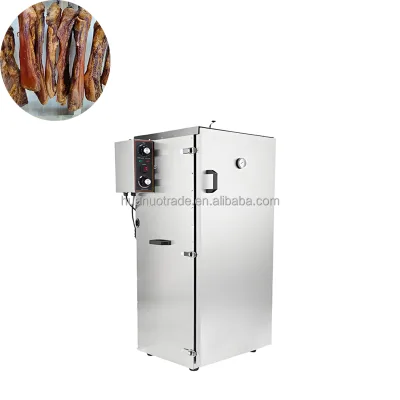
Smokehouse Electric Smoker Oven Hot and Meat Smoker Oven Dry Meat Machine
$3500.00 - $4000.00
MOQ: 1 Pieces

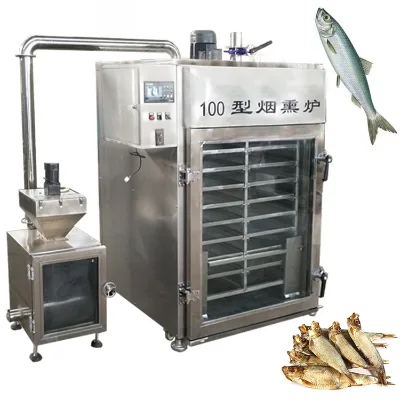
Smoker Oven Smoke House for Meat and Fish Smoking and Drying Machine
$1300.00 - $5500.00
MOQ: 1 Pieces


Stovetop Smoker Stainless Steel Fish Smoker Smoke Oven for Outdoor/Home/Garden
$1300.00 - $5500.00
MOQ: 1 Pieces

Smoked Furnace / Meat Smoking / Electric Smoker for Chicken, Fish Meat
$1300.00 - $5500.00
MOQ: 1 Pieces


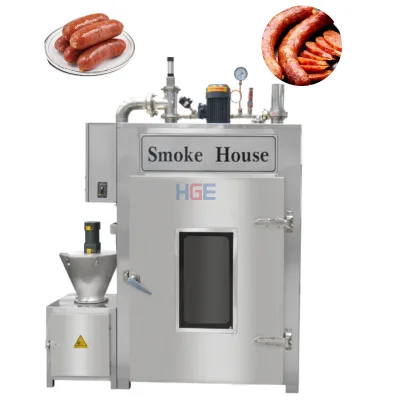
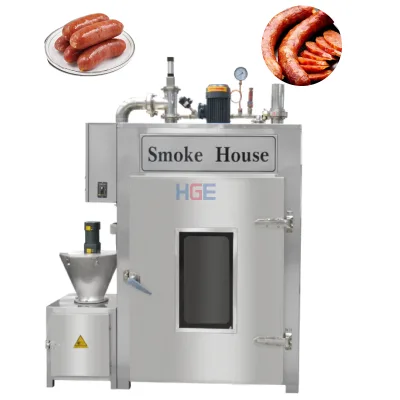

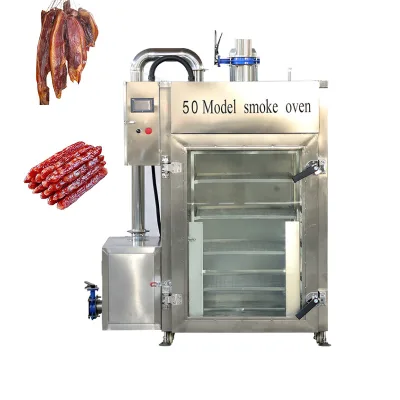
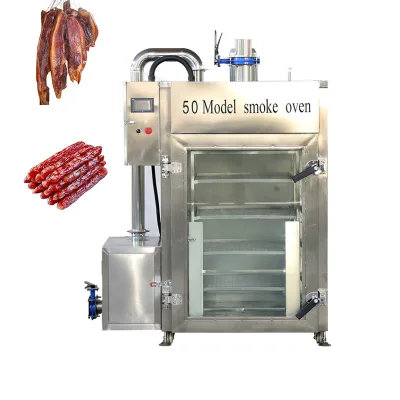

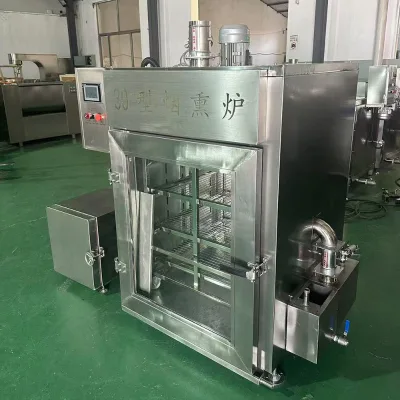
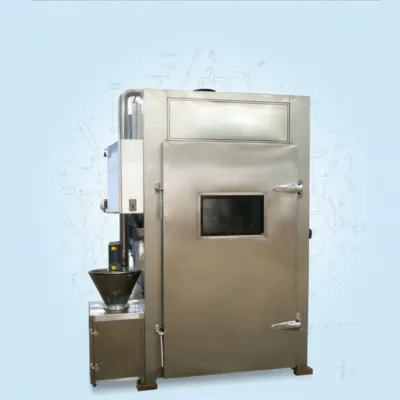
High Efficiency Smoker for Meat and Fish Industrial Meat Smoker Commercial Meat Smoker
$3240.00 - $3600.00
MOQ: 1 sets
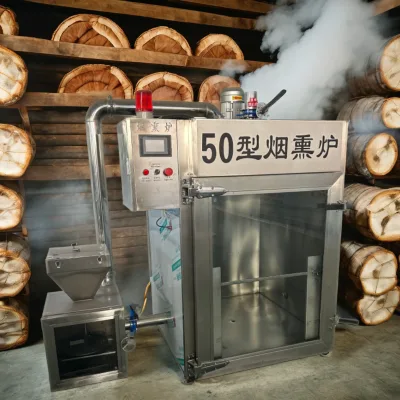
Smoker for Meats Smoked Meat Curing Oven Smoked Meat Chambers,User-friendly
$2192.46 - $2436.07
MOQ: 1 sets

Energy-Saving Meat Sausage Chicken Beef Strips Smoking Oven for Meat and Fish
$1900.00 - $2500.00
MOQ: 1 Pieces

Automatic Fish Smoking Stove Smoked Chicken Stove Sausage Smoker Oven Machine
$1900.00 - $2500.00
MOQ: 1 Pieces
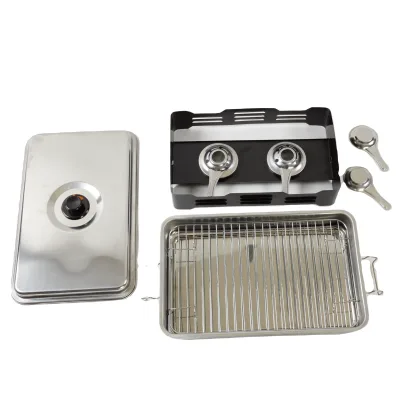


Compact Automatic Smoker for High-End Restaurant and Gourmet Kitchen
$10700.00 - $10900.00
MOQ: 1 Pieces

Professional Electric Smoker for Sausages and Fish Fillets Meat Smoker
$13500.00 - $14000.00
MOQ: 1 Pieces

Automatic Meat Smoking Chamber Fish Smoker Smoking Oven Smoke House Meat Smoker
$9000.00 - $26900.00
MOQ: 1 Pieces

Sausage Meat Chicken Duck Smokehouse Smoke Oven for Sale Meat Smoker
$13500.00 - $14000.00
MOQ: 1 Pieces
Comprehensive Sourcing Guide
Strategic Sourcing Guide for Industrial Meat and Fish Smoking Equipment
Understanding the Technical Landscape of Industrial Smoking Solutions
When sourcing equipment described as a Stovetop Smoker for Meat and Fish, buyers must immediately distinguish between consumer-grade countertop units and the industrial machinery typically available in the global B2B market. The supplied product data indicates that the core keyword often maps to complex industrial systems designed for high-volume production rather than simple kitchen appliances. These machines are frequently categorized as "Meat Smoking Processing Machines" or "Thermal Processing" units, featuring capacities ranging from 30 to 1000 kg per batch. The operational environment for these devices is typically a meat factory, meat shop, restaurant, or large-scale kitchen, requiring robust construction to handle continuous thermal processing cycles.
The technical specifications observed in the market reveal a diverse range of power configurations. While some units operate on 220V, others are designed for 380V 50 Hz industrial grids, with power consumption varying significantly from 2.5 kW to 27 kW depending on the model. The material composition is a critical differentiator; high-confidence data points to the use of 304 Stainless Steel for the machine body and internal components, ensuring corrosion resistance and hygiene compliance essential for food safety. The automatic grade of these machines varies, with options available for both fully automatic and semi-automatic operations, allowing buyers to select based on their labor constraints and production throughput needs.
Furthermore, the physical dimensions of these units are substantial, with specific models measuring approximately 1250 mm in width, 1700 mm in depth, and 2320 mm in height. The internal configuration often includes a variable number of trays, ranging from 3 to 28, which directly influences the batch size and processing efficiency. Buyers should note that the "stovetop" descriptor in search queries may refer to the heating mechanism, which can be electric or gas-powered, rather than a small tabletop appliance. The core components driving these systems often include gears and PLC (Programmable Logic Controllers) to manage the precise thermal cycles required for smoking, drying, and cold processing of salmon and fish products.
Compliance, Certification, and Regulatory Verification
In the B2B procurement of industrial smoking equipment, verifying compliance with international and local standards is paramount. The supplied context references specific product standards such as "GRT-S O - 75 0" and model identifiers like "GRT" and "JHY-T2," which serve as internal manufacturer codes rather than universal safety certifications. Buyers must not assume that a listed model number implies compliance with specific safety or food-grade regulations without explicit verification from the supplier.
When evaluating potential suppliers, procurement teams should request documentation regarding machinery test reports. The data indicates that some manufacturers provide these reports, which are essential for validating the performance and safety of the equipment before deployment. Additionally, the warranty period is a critical indicator of manufacturer confidence; a standard offering of 1 year is observed in the market, but buyers should negotiate terms that cover critical components like the PLC and heating elements.
Certification checks should extend beyond the machine itself to the materials used. The specification of 304 Stainless Steel is a baseline for food contact surfaces, but buyers must verify that the steel grade is genuine and that the welding processes meet sanitary standards. For operations targeting export markets, verifying that the equipment meets the specific electrical safety standards of the destination country (e.g., CE for Europe, UL for the US) is mandatory. The origin of the machinery, often listed as Shandong, China, requires buyers to assess the supplier's ability to provide necessary export documentation and compliance certificates for the specific region of import.
Cost Drivers and Financial Structure Analysis
The pricing structure for industrial smoking equipment is highly variable, with observed ranges spanning from $12 to $250,000 USD. This vast disparity is driven by several key factors, including the scale of production, the complexity of the automation, and the specific thermal processing capabilities. A unit priced at the lower end of the spectrum likely represents a smaller capacity, semi-automatic model with basic heating elements, whereas the higher-end figures correspond to fully automatic systems with advanced PLC control, larger batch capacities (up to 1000 kg), and integrated drying and smoking functions.
The Minimum Order Quantity (MOQ) is another significant cost driver, ranging from 1 unit to 500 units. Buyers purchasing a single unit for a small restaurant or pilot project will face different per-unit economics compared to those placing a bulk order for a meat processing factory. The payment terms observed in the market, typically T/T (Telegraphic Transfer), require careful financial planning. Buyers should structure their payment schedules to align with production milestones, such as a deposit upon order confirmation and the balance upon completion of factory acceptance testing.
Additional cost considerations include the packaging and logistics. The standard packaging for these heavy industrial units is a wooden case or wooden box, designed to protect the machinery during international transit. The seaport of origin, often Qingdao, influences the freight costs and insurance premiums. Buyers must also factor in the production cycle, which typically spans 7 to 15 days, into their overall project timeline and budget. The weight of the machinery, with some models reaching 870 kg, further impacts shipping costs and the requirements for on-site installation infrastructure, such as reinforced flooring and specialized lifting equipment.
Typical Applications and Operational Versatility
The versatility of industrial smoking equipment allows it to serve a wide array of applications within the food processing sector. The primary function of these machines is thermal processing, specifically tailored for meat smoking, drying, and cold smoking of fish products like salmon. The data confirms that these units are designed to handle both meat and fish, making them suitable for facilities that process a diverse range of protein products. The application scope extends from large-scale meat factories to smaller meat shops and commercial kitchens, indicating a scalability that benefits businesses at various stages of growth.
Specific operational modes include the production of cooked meat products and the cold smoking of fish, which requires precise temperature control to ensure food safety and quality. The ability to function as a dryer, smoker, and cold smoker in a single unit adds significant value, reducing the need for multiple pieces of equipment in a production line. The capacity range of 30 to 1000 kg per batch allows buyers to match the equipment to their specific production volume. For instance, a facility producing 150 kg per batch would select a model with that specific capacity, while a larger operation might opt for a 1000 kg batch unit to maximize throughput.
The trays within the machine, ranging from 3 to 28, provide flexibility in arranging products for optimal air circulation and heat distribution. This adaptability is crucial for maintaining consistent product quality across different batch sizes and product types. Whether the application involves smoking sausages, drying fish, or processing other meat products, the machine's design ensures that the thermal processing is uniform and efficient. The "New and Old Degree" of the equipment is typically listed as "Brand-New," ensuring that buyers receive fully functional, modern machinery without the risks associated with used or refurbished units.
Supplier Evaluation and Selection Criteria
Selecting the right supplier for industrial smoking equipment requires a rigorous evaluation process that goes beyond the initial product listing. Buyers should prioritize suppliers who provide detailed machinery test reports and offer a clear warranty period, typically 1 year. The presence of core components like gears and PLCs suggests a need for technical support and spare parts availability, which should be confirmed during the supplier selection phase. The brand name, such as "HG," may be a factor in brand recognition, but the technical specifications and after-sales support are more critical indicators of reliability.
The production cycle of 7 to 15 days is a standard metric, but buyers should verify the supplier's ability to meet these timelines consistently. Delays in production can disrupt supply chains, so a supplier with a proven track record of on-time delivery is essential. The location of the supplier, often in Shandong, China, should be considered in the context of logistics and communication. While the distance may present challenges, many suppliers in this region have extensive experience with international shipping and can navigate the complexities of exporting heavy machinery.
Buyers should also assess the customization capabilities of the supplier. The data indicates that customization is available, which is a significant advantage for facilities with unique requirements. Whether it involves modifying the voltage, adjusting the capacity, or customizing the tray configuration, the ability to tailor the machine to specific needs can provide a competitive edge. The payment terms, typically T/T, should be negotiated to ensure a fair balance of risk for both parties. Finally, the seaport of origin, such as Qingdao, should be factored into the logistics planning to ensure smooth transportation and customs clearance.
Quality Control and Long-Term Procurement Considerations
Implementing a robust quality control (QC) protocol is essential for ensuring the longevity and performance of industrial smoking equipment. Buyers should conduct factory inspections to verify the manufacturing processes, material quality, and assembly standards. The use of 304 Stainless Steel is a key quality indicator, but visual inspection and material certification are necessary to confirm compliance. The packaging in wooden cases is standard, but buyers should ensure that the packaging is sufficient to prevent damage during transit, especially given the heavy weight of the units.
Long-term procurement considerations include the availability of spare parts and the technical support provided by the supplier. The core components, such as the PLC and gears, are critical to the machine's operation and should be covered under the warranty. Buyers should negotiate a service agreement that includes regular maintenance checks and prompt response times for repairs. The production capacity of 150 kg per batch or higher should be validated through performance testing to ensure the machine meets the expected output.
Additionally, buyers should consider the energy efficiency of the equipment, as power consumption can range from 2.5 kW to 27 kW. Selecting a machine that balances performance with energy efficiency can reduce operational costs over the long term. The voltage requirements, whether 220V or 380V, must match the facility's electrical infrastructure to avoid costly modifications. Finally, the warranty period of 1 year should be reviewed to ensure it covers all critical components and that the supplier has a clear process for handling warranty claims. By prioritizing these quality control and long-term factors, buyers can secure reliable equipment that supports their production goals for years to come.
FAQs
What materials are used for the Stovetop Smoker for Meat and Fish?
The machine body is constructed from 304 Stainless Steel to ensure hygiene and corrosion resistance. This material is standard for food contact surfaces in industrial meat and fish processing environments.
How is the power source configured for these industrial units?
Power sources vary between electric and gas options depending on the specific model selected. Electric units typically operate at 220V or 380V with power ratings ranging from 2.5 kW to 27 kW.
Can the Stovetop Smoker for Meat and Fish handle cold smoking processes?
Yes, the equipment functions as a dryer, smoker, and cold smoker for fish and meat products. It is designed to manage thermal processing cycles for cooked meat and cold salmon smoking.
What is the typical production capacity for a batch of meat or fish?
Batch capacities range from 30 kg to 1000 kg per cycle depending on the machine model. Specific units may offer capacities like 150 kg per batch with 3 to 28 internal trays.
Which customization options are available for the Stovetop Smoker for Meat and Fish?
Customization is available to tailor the machine to specific production needs. Buyers can request adjustments to voltage, capacity, or tray configurations to fit their facility requirements.
How long is the production cycle for these industrial smoking machines?
The standard production cycle spans 7 to 15 days from order confirmation to completion. This timeline accounts for manufacturing, assembly, and initial quality checks before shipping.