Source Stress Relief Blank Squishy Toys for Office and School
Find 30 options for Stress Relief Blank Squishy Toys suitable for students, office workers, and high-stress individuals. Compare materials like silicone and plastic, check customization options, and review MOQs to find the best fit for your needs; compare the available evidence and request quotations based on your requirements.
Key considerations
Products List


Satisfying Squishy Toys - Slow Rising, Soft & Stretchy for Anxiety Relief
$2.00 - $2.70
MOQ: 96 Pieces


Halloween Stress Relief Funny Squeeze Stretchy Squishy Toys for Child Gifts
$0.28 - $0.43
MOQ: 100 Pieces


Cute Slow Rising Squishy Toy Perfect for Relaxing Mood and Decompression
$0.70 - $4.50
MOQ: 100 Pieces


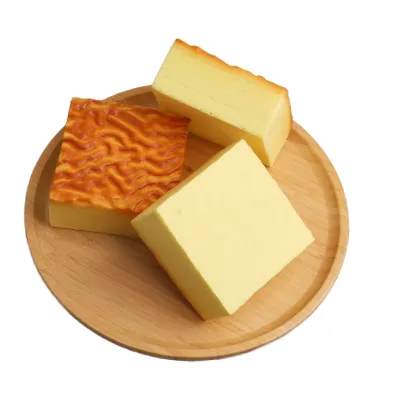

Squishy Toys, Valentines Day Gifts for Kids Classroom Stress Relief Squeeze Toys
$0.27 - $0.35
MOQ: 1000 Pieces


Comprehensive Sourcing Guide
Stress Relief Blank Squishy Toys Sourcing Guide
Sourcing Stress Relief Blank Squishy Toys requires a nuanced understanding of material science and consumer psychology, as these items serve as both tactile tools and promotional assets. Buyers must recognize that the market offers a diverse array of styles, with over one hundred distinct designs available to cater to varied aesthetic preferences. The primary target audience includes students, office workers, and individuals experiencing high stress levels, making the product’s ability to provide immediate sensory feedback critical for success.
The versatility of these toys allows for extensive customization, including logo printing and color selection, which makes them ideal for corporate promotions or branded merchandise. While the core function remains stress relief, the specific material composition—ranging from silicone rubber to TPR and PU—significantly impacts the user experience. Procurement teams must evaluate whether the desired slow-rebound effect or specific texture aligns with the end-user’s expectations, ensuring the final product delivers on its promise of easy and fun stress relief.
Product Scope and Observed Listing Signals
The observed market signals indicate a broad spectrum of product configurations, with prices ranging from $0.09 to $5.00 USD and minimum order quantities varying between 10 and 2,000 units. This wide variance suggests that buyers can source either low-cost, high-volume promotional items or higher-quality, specialized sensory toys depending on their budget and volume requirements. The presence of both standard sizes and custom options allows for flexible procurement strategies, accommodating everything from small trial orders to large-scale industrial production runs.
Key attributes observed include the availability of original brands and top-quality materials, with specific mentions of silicone rubber, plastic, and PU constructions. Some listings highlight cube shapes filled with maltose for a unique slow-rebound sensation, while others focus on simple stress ball designs. The packaging details also vary, with options ranging from thickened cartons to individual poly bags, indicating that logistics and presentation are significant factors in the final product cost and perceived value for the end consumer.
Technical Specifications to Verify
Verifying technical specifications is paramount when sourcing squishy toys, particularly regarding material composition and physical dimensions. Buyers should confirm whether the product is made from silicone rubber, TPR, or PU, as each material offers different durability, texture, and safety profiles. For instance, TPR materials often provide a maltose-filled slow-rebound effect, while silicone rubber may offer a smoother, more durable surface. The model numbers, such as S-18 or W8, serve as critical identifiers for ensuring consistency across large orders and preventing mix-ups during production.
Additionally, the age range suitability must be strictly verified, as some products are rated for children over three years old, while others are intended for ages six and up or even fourteen years and older. This distinction is crucial for compliance and liability purposes, especially when marketing to educational institutions or family-oriented brands. Buyers must also check the PCS per carton, which can be 96 or 144, as this directly impacts shipping volume and warehousing efficiency, ensuring that the logistical planning aligns with the physical characteristics of the product.
Compliance and Safety Documentation
Compliance with international safety standards is non-negotiable for stress relief toys, particularly those marketed toward children or students. Buyers must request and verify certifications such as EN71 and CE, which indicate that the products have undergone rigorous testing for mechanical, physical, and chemical safety. The presence of these certifications ensures that the materials used, such as silicone or TPR, do not contain harmful substances like phthalates or heavy metals, providing a safe tactile experience for users of all ages.
Furthermore, the term "ENCE" observed in some listings may indicate a specific regional or proprietary certification, requiring clarification from the supplier to ensure it meets the regulatory requirements of the destination market. Buyers should also inquire about eco-friendly claims, as many modern consumers prefer sustainable materials. Verifying that the product is indeed eco-friendly and free from toxic adhesives or dyes is essential for maintaining brand reputation and avoiding potential legal issues related to misleading environmental claims.
Cost Drivers and Commercial Terms
Several factors influence the final cost of Stress Relief Blank Squishy Toys, including material choice, customization complexity, and order volume. Custom colors and logos typically incur additional charges, with some suppliers requiring a minimum order quantity of 500 pieces for custom color runs. The manufacturing capacity, often cited as one million pieces per month, suggests that economies of scale are achievable, allowing buyers to negotiate better unit prices for larger orders while maintaining consistent quality across the production batch.
Lead times are another critical commercial term, with sample production typically taking five to seven working days and mass production requiring fifteen to twenty days. Buyers must account for these timelines when planning inventory, especially for seasonal promotions or back-to-school campaigns. The gross weight of the packaging, which can be up to 25 kilograms per carton, also impacts shipping costs, making it essential to optimize packaging density and choose the most cost-effective freight methods to minimize overall procurement expenses.
Supplier Qualification and Quality Control
Qualifying suppliers involves assessing their manufacturing capabilities, quality control processes, and ability to meet specific customization requests. Buyers should verify the supplier’s origin, with many manufacturers located in Guangdong or Yiwu, China, regions known for their robust toy manufacturing infrastructure. It is crucial to confirm that the supplier can handle the required production volume without compromising on quality, ensuring that the "top quality" claims are backed by consistent output and rigorous inspection protocols.
Quality control measures should include pre-production samples and in-line inspections to catch defects early in the manufacturing process. Buyers must ensure that the supplier accepts customized logos and designs, as this is a key feature for many promotional buyers. Additionally, verifying the supplier’s ability to provide accurate product models and standards, such as cube shapes or specific material grades, helps prevent discrepancies between the ordered product and the delivered goods, reducing the risk of returns or customer dissatisfaction.
Long-Term Procurement Checks
Long-term procurement success depends on establishing a reliable supply chain that can adapt to changing market demands and regulatory updates. Buyers should regularly review supplier performance metrics, including on-time delivery rates, defect rates, and responsiveness to quality issues. Maintaining open communication channels with suppliers ensures that any changes in material availability or production capacity are communicated promptly, allowing for proactive adjustments to procurement strategies and inventory levels.
It is also essential to stay informed about evolving safety standards and consumer preferences in the stress relief toy market. As new materials or designs emerge, buyers must be prepared to update their specifications and compliance requirements accordingly. By conducting periodic audits and fostering strong relationships with qualified suppliers, buyers can ensure a steady supply of high-quality, compliant stress relief toys that meet the needs of their target audience while maintaining cost efficiency and operational reliability.
FAQs
What materials are used for Stress Relief Blank Squishy Toys?
These toys are primarily crafted from silicone rubber, plastic, and PU materials. Some variants feature TPR construction with maltose filling to ensure a slow rebound effect. The choice of material impacts the texture and durability, allowing for different sensory experiences while maintaining the core stress-relief function for users.
Can I customize the logo on these Stress Relief Blank Squishy Toys?
Yes, customized logos are accepted for these Stress Relief Blank Squishy Toys. Buyers can request custom branding to enhance product identity. This customization option allows businesses to tailor the items for promotional use or specific brand campaigns, ensuring the final product aligns with their marketing goals and visual requirements.
What certifications are available for Stress Relief Blank Squishy Toys?
Available certifications for these Stress Relief Blank Squishy Toys include EN71 and CE standards. These certifications ensure the products meet specific safety and quality requirements for international markets. Buyers can verify these credentials to ensure compliance with regulatory standards, particularly when targeting regions with strict toy safety regulations.
What is the typical MOQ for Stress Relief Blank Squishy Toys?
The typical MOQ for Stress Relief Blank Squishy Toys ranges from 96 to 2000 pieces. Specific customization orders may require a higher MOQ, such as 500 pieces for custom colors. This flexibility allows buyers to choose quantities that match their inventory needs while accommodating different production scales and customization levels.
How long does production take for Stress Relief Blank Squishy Toys?
Sample production for Stress Relief Blank Squishy Toys typically takes 5-7 working days. Mass production lead times are generally 15-20 days. These timelines allow for efficient planning and delivery scheduling. Buyers should account for these durations when coordinating shipments and managing inventory levels for their specific market demands.
Which colors are available for Stress Relief Blank Squishy Toys?
Standard colors for Stress Relief Blank Squishy Toys include purple, pink, and blue. All colors are available, with custom color options also offered. Custom color requests may have specific MOQ requirements. This variety allows buyers to select hues that match their brand identity or appeal to specific target demographics effectively.