Find Stress Relief Fidget Ring for Office, School, and Therapy
Explore 30 Stress Relief Fidget Ring options to compare materials, sizes, and customization features. This selection supports buyers seeking durable sensory tools for various age groups and professional applications; compare the available evidence and request quotations based on your requirements.
Key considerations
Products List


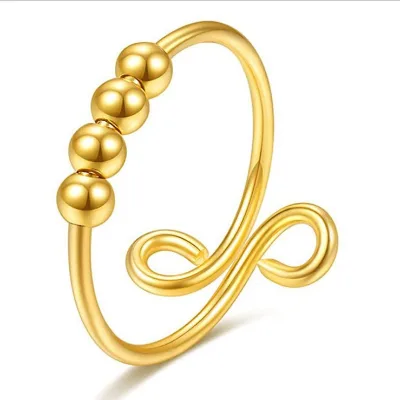
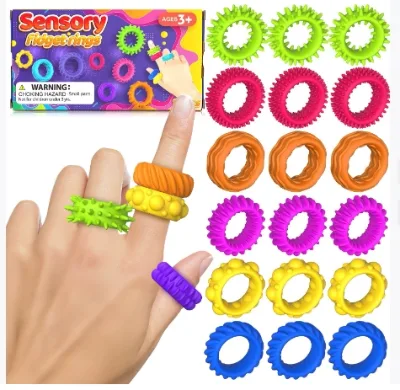
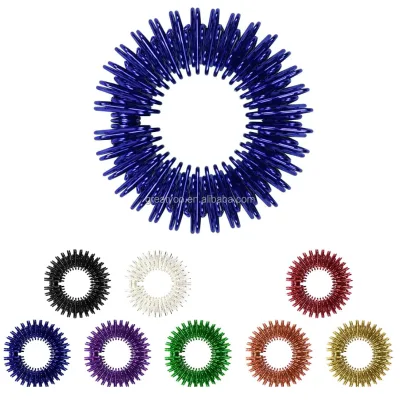
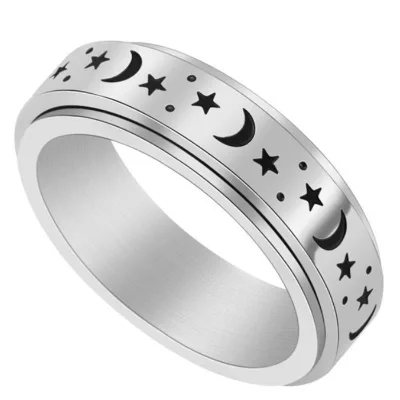

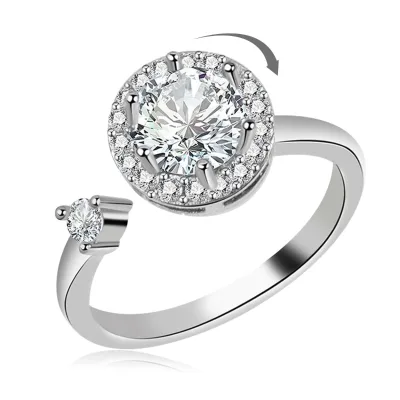


Unique Fun Relief Stress Magic Ring Toy Multi-Function Ring Gift Novelty Creative Toys
$1.99 - $3.00
MOQ: 100 Pieces



Comprehensive Sourcing Guide
Stress Relief Fidget Ring Sourcing Guide
Buyers must first distinguish between the diverse product categories that share the core keyword, as the supply chain for sensory rings differs significantly from industrial seals. The observed market includes items explicitly labeled as sensory fidget toys with age ranges from 6 to 13 years, alongside products described as shaft seals with specific hardness ratings like 70 Shore. This distinction is critical because a toy intended for children requires different material safety standards and packaging than a mechanical component designed for industrial compression.
Procurement teams should verify the specific product model and intended use before initiating contact with suppliers. Listings show models ranging from "Sensory Ring" and "Magnetic Ring" to specific industrial codes like "SD160165NL," each with unique material compositions such as silicone rubber, metal, or plastic. Understanding whether the requirement is for a slow-rebound stress relief item or a durable compression seal will determine the correct supplier specialization and prevent costly mismatches in product functionality.
Product Scope and Observed Listing Signals
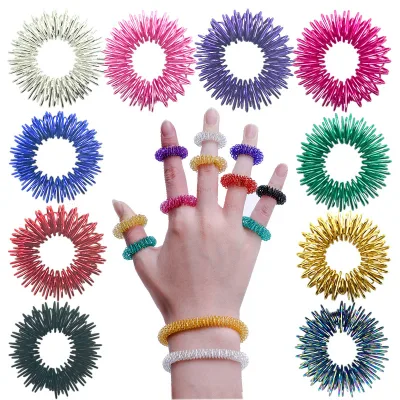
The current market signals indicate a wide variance in material composition, with suppliers offering options in metal, silicone rubber, and combinations of plastic and silicone. Buyers should expect to find products described with specific physical attributes like O-Ring shapes or cube shapes filled with maltose, alongside items featuring custom colors such as purple, pink, blue, or gold. These material choices directly influence the tactile experience and durability, requiring buyers to align their selection with the specific sensory or mechanical needs of their end users.
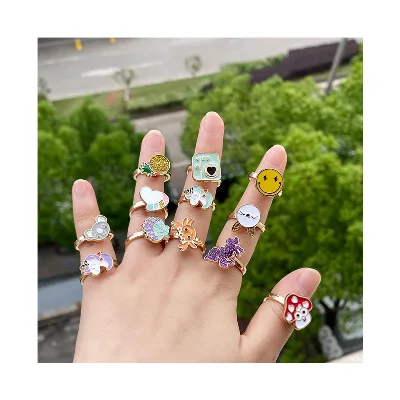
Packaging and customization options also vary significantly across the observed listings, ranging from simple OPP bags to transparent plastic boxes or PP bags combined with cartons. Some suppliers offer custom logos and colors with minimum order quantities of 500 pieces, while others provide mixed designs or standard packaging without printing. Procurement strategies must account for these logistical differences, as the choice between a single-item selling unit and bulk carton packaging will impact storage requirements and final retail presentation.
Technical Specifications to Verify
Technical verification must begin with precise dimensional analysis, as observed standards include measurements like 2.5cm, 4.2cm, and 7cm, alongside specific model numbers like HHP-861998949706. Buyers should confirm whether the product is a resizable ring or a fixed-size component, as the listed specifications include both standard and non-standard options. Ensuring the physical dimensions match the intended application is essential, particularly when dealing with age-specific products where fit and safety are paramount for the target demographic.
Material properties and functional characteristics require equally rigorous scrutiny, especially given the presence of items with hardness ratings like 70 Shore or features described as slow rebound and durable. Suppliers may list attributes such as mold compression types or specific filling materials like maltose, which define the product's performance under stress. Buyers must request detailed technical data sheets to validate that the hardness, rebound speed, and structural integrity meet the specific operational requirements of the intended use case.
Compliance and Safety Documentation
Safety compliance is a primary concern for products targeting children, with observed listings specifying age ranges from 6 years up to 13 years and beyond. Buyers must ensure that suppliers provide valid documentation for certifications such as FDA, RoHS, and ISO9001, which are critical for verifying that materials like silicone rubber are safe for prolonged skin contact. Without these certifications, the risk of non-compliance with international safety regulations increases, potentially leading to product recalls or legal liabilities in key markets.
For industrial applications, the focus shifts to verifying adherence to specific manufacturing standards and quality management systems. While some listings mention ISO14001 alongside ISO9001, buyers should confirm that these certifications apply to the specific production batch and facility. It is essential to request proof of compliance for the specific product model, as the standards for a sensory toy differ fundamentally from those required for a mechanical shaft seal, even if both share similar material compositions.
Cost Drivers and Commercial Terms
Pricing in this sector is heavily influenced by material costs and customization levels, with observed ranges spanning from $0.07 to $7.71 per unit. The decision to add custom logos, specific colors, or unique packaging often triggers minimum order quantity requirements, such as the 500-piece threshold noted for custom color options. Buyers must balance the desire for personalized branding against the economic impact of higher MOQs, as these commercial terms can significantly alter the total landed cost of the procurement.
Lead times and shipping methods are additional cost drivers that vary based on the supplier's location and the complexity of the order. Suppliers in regions like Shanxi and Fujian, China, may offer different shipping options including sea, air, or express delivery, depending on customer requests. Procurement planners should factor in these logistical variables when calculating the total cost of ownership, as expedited shipping or complex packaging requirements can add substantial expenses to the base unit price.
Supplier Qualification and Quality Control
Supplier qualification should prioritize manufacturers with a proven track record in producing the specific type of fidget ring or seal required. Buyers must verify the supplier's ability to handle the specific production processes mentioned, such as mold compression or the creation of slow-rebound silicone items. A supplier's capacity to maintain consistent quality across large batches is essential, especially when dealing with products that have strict dimensional tolerances or specific material hardness requirements.
Quality control protocols must be established to ensure that every unit meets the defined specifications before shipment. Buyers should request pre-shipment inspection reports that verify critical attributes like color accuracy, logo placement, and material integrity. Given the variation in packaging from simple bags to complex cartons, it is also vital to confirm that the supplier has robust procedures to prevent damage during transit and to ensure that the final product arrives in the condition specified in the purchase order.
Long-Term Procurement Checks
Sustaining a successful supply chain requires regular audits of supplier performance against the initial quality and compliance benchmarks. Buyers should establish a schedule for re-verifying certifications like FDA and RoHS, as these documents may expire or require renewal based on changes in manufacturing processes. Continuous monitoring ensures that the supplier remains compliant with evolving international standards and maintains the safety and quality levels required for the specific age groups or industrial applications.
Strategic planning for future orders should include assessing the supplier's flexibility in adapting to design changes or volume fluctuations. The market data shows a wide range of customization options, from mixed designs to specific model numbers, indicating that a capable supplier should be able to scale production or modify designs as market demands shift. Building a long-term relationship with a qualified partner allows for better negotiation on pricing and lead times, ensuring a stable supply of stress relief fidget rings that consistently meet buyer expectations.
FAQs
What materials are used for stress relief fidget rings?
Stress relief fidget rings are commonly made from metal, silicone rubber, or plastic and silicone combinations. Some models feature specific shapes like O-rings or cubes filled with maltose for slow rebound effects. These materials ensure durability and provide the necessary sensory feedback for users seeking stress relief.
Can I customize the logo and color of the rings?
Yes, customization is available for both logos and colors. Buyers can request custom colors with a minimum order quantity of 500 pieces. Customized logos are also supported, allowing brands to personalize the product. This flexibility helps businesses create unique offerings that match their specific market requirements.
Which age groups are suitable for these sensory rings?
These sensory rings are designed for various age groups, including children aged 6 to 13 years and teenagers aged 14 years and up. The products cater to different developmental stages by offering appropriate sizes and textures. This wide age range ensures suitability for schools, therapy centers, and general consumer markets.
How are the products packaged for shipping?
Packaging options include OPP bags, transparent plastic boxes, PP bags with cartons, or standard carton boxes. The specific packaging depends on the product model and customer requirements. Some items are shipped via sea, air, or express methods based on the buyer's request, ensuring safe delivery.
What certifications do the manufacturers hold?
Manufacturers often hold certifications such as FDA, RoHS, ISO9001, and ISO14001. These standards ensure product safety and quality management systems are in place. Buyers can verify these credentials to confirm compliance with international regulations before placing large orders for stress relief fidget rings.
What is the typical minimum order quantity for custom orders?
The minimum order quantity varies by product, ranging from 2 pieces for standard items to 2000 pieces for bulk orders. Custom color requests typically require a minimum of 500 pieces. This range allows small businesses and large enterprises to source products according to their specific volume needs and budget constraints.
Where are these products manufactured?
Products are manufactured in various locations within China, including Shanxi and Fujian provinces. Some listings indicate a general origin of China without specifying a province. Buyers can select suppliers based on their preferred manufacturing region to optimize logistics and supply chain efficiency.