Source Street Sweeper Brush for Road, Street, and Airport Cleaning
Find 30 verified Street Sweeper Brush options for road, street, and airport cleaning applications. Compare specifications including diameter, filament material, and customization features from suppliers in China to match your industrial cleaning needs.
Key considerations
Products List


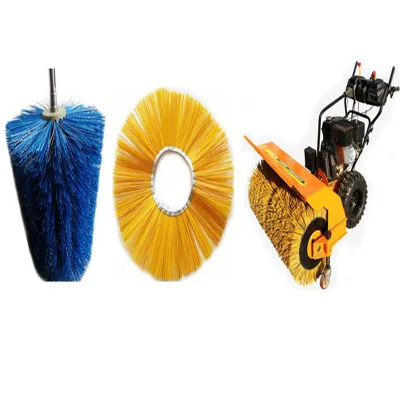


High Efficiency Cleaning Street, Road, Ground, Run Round Type Road Sweeper Brush
$7.23 - $10.92
MOQ: 10 Pieces


High-Performance Industrial PP Street Sweeping Road Sweeper Side Broom Brush
$3.35 - $15.00
MOQ: 10 Pieces


Comprehensive Sourcing Guide
Strategic Sourcing Guide for Street Sweeper Brushes
Understanding Technical Specifications and Customization Parameters
When sourcing street sweeper brushes, buyers must first navigate a complex landscape of technical specifications that vary significantly between product lines. The core product category encompasses various brush types designed for specific cleaning mechanisms, ranging from center brooms to side brushes and roller configurations. A critical observation in the current market is the prevalence of customizable dimensions. While some standard units are listed with specific lengths such as 1280mm or 1030mm, the majority of suppliers emphasize that length and diameter are often customizable to fit unique machinery requirements. For instance, diameter specifications can range widely, with observed values including 650mm, 290mm, and sizes falling within the 60-80 cm range, yet these figures should be treated as examples rather than universal standards.
The filament material is another decisive technical factor. The market features brushes constructed from Polypropylene (PP) and Nylon, each offering distinct performance characteristics. Nylon is frequently cited for its durability in heavy-duty applications, while PP offers cost-effective alternatives for lighter tasks. The filament diameter is another precise metric, with 1mm being a documented standard for certain industrial models, though this may vary based on the desired stiffness and sweeping width. Buyers should verify the specific filament diameter required for their operational environment, as this directly impacts the brush's ability to penetrate debris and clean pavement surfaces effectively.
Shape and color are also significant customization variables. Oval shapes are common in specific industrial brush designs, while color options typically include black, grey, yellow, or fully customizable hues to match fleet branding. The application scope is equally diverse, covering environmental protection, dust control, and specific use cases such as road, street, and airport sweeping. Some products are explicitly designed for municipal vehicles like the Dulevo 5000 and 6000 Street Sweepers, while others are universal cleaning brushes suitable for general road maintenance. Understanding these technical nuances is essential before engaging with suppliers, as the "one-size-fits-all" approach rarely yields optimal results in industrial sweeping.
Compliance, Certification, and Standard Verification
In the B2B procurement of industrial cleaning equipment, verifying compliance and adherence to standards is paramount, yet the market data presents a nuanced picture regarding certifications. Many suppliers list their products as "Customized" regarding their production standards, indicating that the final product may not adhere to a single, pre-existing international standard but rather meets the specific requirements of the buyer's machinery. Observed documentation includes references to specific dimensional standards such as 255813mm, 162560mm, 205660mm, 165610mm, and 130*508mm. These figures likely represent standard packaging or product footprint dimensions rather than performance benchmarks.
Buyers must exercise caution when interpreting "Customized" labels. While this term suggests flexibility, it also implies that the supplier may not have a pre-certified product ready for immediate deployment without a specific validation process. The absence of explicit certification names in the provided data means that buyers cannot assume a product meets ISO, CE, or other specific regulatory requirements without direct verification. The focus should shift to the supplier's ability to provide test results or documentation that validates the brush's performance against the buyer's specific operational criteria.
Furthermore, the origin of the product plays a role in compliance expectations. A significant portion of the supply chain originates from China, with specific mentions of Anhui as a production hub. While this does not inherently imply non-compliance, it necessitates a rigorous due diligence process to ensure that the manufacturing practices align with the buyer's corporate social responsibility policies and safety regulations. Buyers should request proof of material safety, particularly regarding the filament materials used, to ensure they do not contain hazardous substances that could violate environmental regulations in the destination market. The "Eco-Friendly" attribute observed in some listings should be substantiated with third-party testing data rather than accepted as a marketing claim.
Cost Drivers and Pricing Dynamics
The pricing structure for street sweeper brushes is influenced by a variety of factors, creating a wide range of observed costs. The market data indicates a price range spanning from $0.35 to $160 USD. This substantial variance is not merely a reflection of brand premium but is driven by the complexity of the product, the materials used, and the level of customization required. The lower end of the spectrum likely corresponds to standard, off-the-shelf brushes with minimal customization, while the higher end reflects specialized units with custom diameters, unique filament compositions, or complex assembly requirements.
Material costs are a primary driver in this pricing model. Brushes utilizing Nylon filaments generally command a higher price point compared to those made from Polypropylene due to the inherent durability and performance characteristics of Nylon. Additionally, the diameter and length of the brush directly impact the amount of raw material required, which in turn affects the unit cost. Customization adds another layer of cost; requests for specific colors, shapes, or non-standard dimensions often incur setup fees or higher per-unit costs due to the need for specialized tooling or production runs.
The Minimum Order Quantity (MOQ) also significantly influences the effective cost per unit. The observed MOQ range spans from 1 to 3000 units. Suppliers with high MOQs, such as 3000 units, may offer lower per-unit prices due to economies of scale, whereas suppliers accommodating low MOQs of just 1 unit typically charge a premium to cover the overhead of small-batch production. Buyers must balance their inventory needs with their budget constraints. For instance, a buyer requiring a single replacement part may face a higher unit cost but lower total capital outlay, while a fleet manager restocking an entire city's equipment might benefit from negotiating a lower price through a larger volume commitment.
Typical Applications and Operational Context
Street sweeper brushes are engineered for a diverse array of applications, and selecting the right product requires a clear understanding of the operational environment. The data highlights several key use cases, including environmental protection, dust control, and specific vehicle applications. Municipalities often utilize these brushes for general road and street sweeping, where the primary goal is the removal of loose debris, dust, and litter. In these scenarios, the brush must be robust enough to handle varying surface conditions while maintaining a consistent cleaning width.
Airports represent another critical application sector. The requirement for "Road, Street and Airport Sweeping" suggests that certain brushes are designed to meet the stringent safety and cleanliness standards of aviation environments. In these settings, the brush must not only clean effectively but also minimize the risk of Foreign Object Debris (FOD) generation. The "Long Life Low Cost" feature observed in some product listings is particularly relevant here, as airports operate on tight schedules and cannot afford frequent brush replacements that would disrupt flight operations.
Specific vehicle compatibility is another vital consideration. Some brushes are explicitly designed for models such as the Dulevo 5000 and 6000 Street Sweepers. This specificity underscores the importance of matching the brush geometry and mounting interface to the existing machinery. Using a brush that is not perfectly compatible can lead to inefficient cleaning, increased wear on the vehicle, and potential safety hazards. Buyers must ensure that the brush they procure is not only compatible with their fleet but also optimized for the specific type of debris and surface conditions they encounter daily.
Supplier Evaluation and Sourcing Strategy
Evaluating suppliers in the Street Sweeper Brush market requires a multifaceted approach that goes beyond simple price comparison. The data indicates a high degree of customization availability, with many suppliers offering "Customized" conditions and "OEM" (Original Equipment Manufacturer) services. This suggests that buyers should prioritize suppliers who demonstrate flexibility and a willingness to collaborate on product development. A supplier's ability to provide custom solutions is often a strong indicator of their technical capability and commitment to customer satisfaction.
The origin of the product is another factor to consider. With a significant number of products originating from China, specifically Anhui, buyers should be aware of the logistical implications. While this region is a major manufacturing hub, it is essential to verify the supplier's reputation and track record. Buyers should look for evidence of consistent quality and reliable delivery performance. The "Service: OEM" attribute indicates that some suppliers are capable of producing branded products, which can be beneficial for buyers looking to maintain a consistent brand identity across their fleet.
Lead times are a critical component of supplier evaluation. The data shows a delivery time of 30-40 days for certain products. This lead time can vary significantly based on the level of customization and the current production load of the supplier. Buyers should factor this into their procurement planning to avoid stockouts or operational disruptions. It is advisable to establish clear communication channels with suppliers to monitor production progress and ensure that the delivery timeline is met. Additionally, the payment terms, such as "TT" (Telegraphic Transfer), should be reviewed to ensure they align with the buyer's financial policies and risk management strategies.
Quality Control and Long-Term Procurement Considerations
Ensuring the quality of street sweeper brushes is essential for maintaining operational efficiency and minimizing downtime. The observed attributes such as "Rust / Corrosion Proof" and "Long Life Low Cost" highlight the importance of durability in product selection. However, these claims should be treated as observations rather than guaranteed performance metrics. Buyers must implement a robust quality control process that includes material verification, dimensional inspection, and performance testing. The use of specific materials like Nylon and PP should be confirmed through material certificates to ensure they meet the required specifications.
Packaging is another aspect of quality control that should not be overlooked. The data mentions various packaging options, including "Carton," "Carton Boxes," "Wooden Boxes," and "Pallets." The choice of packaging can impact the condition of the product during transit. For example, brushes shipped on iron pallets may offer better protection for heavy-duty units, while cartons might be suitable for smaller, lighter items. Buyers should specify their packaging requirements to ensure that the products arrive in optimal condition, ready for immediate installation.
Long-term procurement considerations involve building a sustainable relationship with suppliers. The "Customization: Available" and "Customized" attributes suggest that buyers have the opportunity to work with suppliers to develop products that evolve with their changing needs. This collaborative approach can lead to cost savings and improved performance over time. Buyers should also consider the total cost of ownership, which includes not only the purchase price but also the maintenance, replacement frequency, and operational efficiency of the brushes. By focusing on quality and durability, buyers can reduce the long-term costs associated with frequent replacements and downtime.
| Feature | Observation | Buyer Verification Action |
|---|---|---|
| Filament Material | PP, Nylon | Request material certificates and test reports. |
| Dimensions | 1280mm, 1030mm, 650mm, 290mm, etc. | Confirm exact dimensions against machine specs. |
| Customization | Available, Customized | Define specific requirements in the purchase order. |
| Origin | China, Anhui | Verify supplier credentials and factory audits. |
| Lead Time | 30-40 days | Align with inventory planning and delivery schedules. |
| Packaging | Carton, Pallet, Wooden Box | Specify packaging to prevent transit damage. |
| Application | Road, Airport, Dust Control | Match brush type to specific operational environment. |
By adhering to these guidelines and maintaining a disciplined approach to sourcing, buyers can secure high-quality street sweeper brushes that meet their operational needs while managing costs and risks effectively. The key lies in balancing the desire for customization with the need for reliability, ensuring that every procurement decision contributes to the overall efficiency of the cleaning fleet.
FAQs
What filament materials are available for street sweeper brushes?
Street sweeper brushes are available with Polypropylene or Nylon filaments. Nylon offers higher durability for heavy-duty applications, while Polypropylene provides a cost-effective solution for lighter tasks. Buyers should verify the specific material required for their operational environment to ensure effective debris penetration.
Can the dimensions of street sweeper brushes be customized?
Yes, dimensions such as length and diameter are often customizable to fit unique machinery requirements. Observed standard lengths include 1280mm and 1030mm, while diameters range from 290mm to 650mm. Buyers must verify specific needs as one-size-fits-all solutions rarely yield optimal results in industrial sweeping.
Which applications are suitable for these industrial cleaning brushes?
These brushes are designed for road, street, and airport sweeping, as well as environmental protection and dust control. Specific models are compatible with vehicles like the Dulevo 5000 and 6000 Street Sweepers. Selecting the right product requires understanding the specific debris and surface conditions encountered daily.
How does the minimum order quantity affect the unit price?
The minimum order quantity significantly influences the effective cost per unit, ranging from 1 to 3000 units. Suppliers with high MOQs often offer lower prices due to economies of scale, while low MOQs typically incur a premium. Buyers must balance inventory needs with budget constraints when negotiating.
What is the typical delivery time for these products from China?
The typical delivery time for these products is 30 to 40 days. This lead time can vary based on the level of customization and the supplier's current production load. Buyers should factor this into procurement planning to avoid operational disruptions and establish clear communication channels.
Are these brushes rust and corrosion proof?
Yes, the products are observed to be rust and corrosion proof, ensuring durability in various environments. This feature contributes to a long life and low cost of ownership. However, buyers should request material certificates to substantiate these claims and ensure compliance with safety regulations.
What packaging options are available for shipping street sweeper brushes?
Packaging options include cartons, wooden boxes, and pallets depending on the supplier and order size. Some listings specify iron pallets for larger shipments while others use standard carton boxes. Proper packaging is essential for quality control and preventing damage during transit from the manufacturing hub.