Source Stretched Motorcycle Saddlebags for Hiking, Camping, and Travel
Explore 30 listings for Stretched Motorcycle Saddlebags suitable for outdoor sports, hiking, and camping. Buyers can compare materials like Oxford and PVC, sizes, and capacities to find the right gear for their needs.
Key considerations
Products List
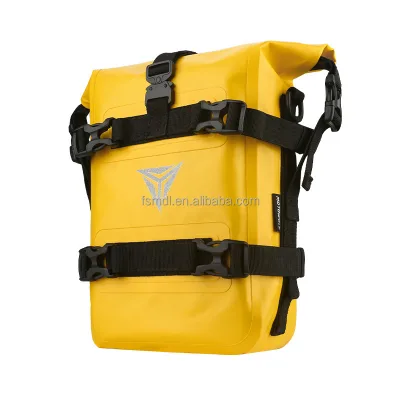
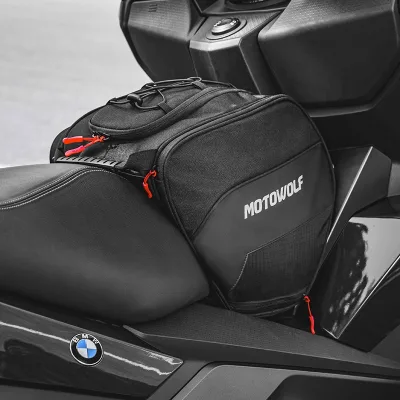


Custom Motorcycle Tail Saddle Motor Bag Dual Use Motorcycle Rear Seat Bag
$7.99 - $10.99
MOQ: 500 Pieces


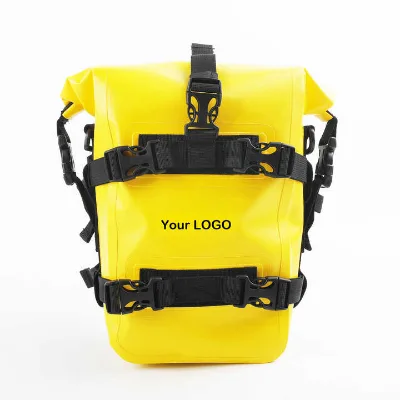

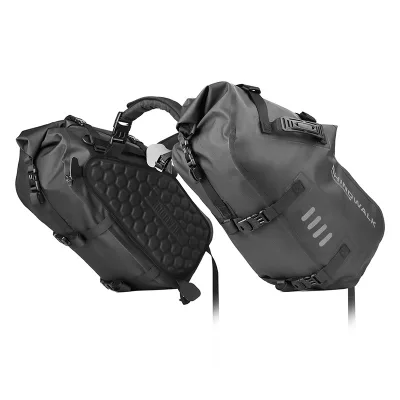
Motorcycle Saddle Bag 70L (35L*2) Motorcycle Equipment Cycling Rear Seat Bag
$17.50 - $18.50
MOQ: 500 Pieces

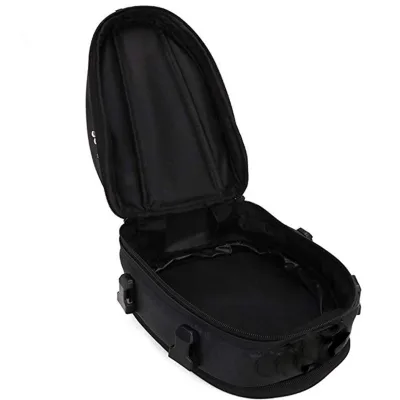




Comprehensive Sourcing Guide
Strategic Sourcing Guide for Stretched Motorcycle Saddlebags
The global demand for specialized motorcycle accessories has driven a significant expansion in the market for Stretched Motorcycle Saddlebags. These products are engineered to provide expanded storage capacity while maintaining the aerodynamic profile required for high-speed travel. For B2B procurement professionals, sourcing these items requires a nuanced understanding of material science, logistical constraints, and supplier verification protocols. The following guide synthesizes available market data and industry standards to assist buyers in navigating the procurement landscape effectively.
Technical Specifications and Material Composition
When evaluating Stretched Motorcycle Saddlebags, the primary technical differentiator lies in the material composition and dimensional specifications. The market presents a variety of materials, ranging from durable Oxford cloth to high-strength PVC and Polyester. Each material offers distinct advantages regarding water resistance, abrasion resistance, and weight. For instance, products utilizing Oxford material are often selected for their balance of durability and flexibility, while PVC variants are frequently chosen for superior waterproofing capabilities in adverse weather conditions.
Dimensional consistency is critical for ensuring a proper fit on various motorcycle models. Sourcing data indicates that single package sizes can vary significantly, with observed dimensions ranging from compact units measuring approximately 45x35x30 cm to larger configurations reaching 67x41x39 cm. The internal capacity is another vital specification; buyers should verify if the product meets specific volume requirements, such as the observed 15-liter capacity in certain models, or if "Big Capacity" designations are used to denote larger storage solutions.
Weight is a decisive factor for motorcycle performance. The gross weight of individual units can range from lightweight options around 0.5 kg to heavier, more robust models weighing up to 4.0 kg. Procurement teams must align these weight specifications with the intended application. For example, a bag designed for "Motorcross Traveling" may require a higher bearing capacity, potentially exceeding 10 kg, whereas a bag intended for "Leg Bag Motorcycle" usage might prioritize lower weight and portability. The structural hardness also varies, with some products offering "Partial Hard" construction to protect contents while others remain fully flexible.
Compliance, Certification, and Safety Standards
In the B2B sector, compliance with safety and quality standards is non-negotiable, yet specific certification data for individual products is often not publicly listed without direct supplier verification. Buyers must approach compliance with a verification mindset rather than assuming universal adherence to international standards. The absence of explicit certification labels in product listings necessitates a rigorous due diligence process.
Procurement professionals should request documentation regarding material safety and fire resistance, particularly for products used in "Outdoor Sport Hiking Camping Walking" environments. While specific test results are not universally available in general catalogs, buyers should demand evidence of compliance with relevant regional safety standards for textile and plastic products. This includes verifying that materials like PVC or Polyester do not contain harmful substances that could degrade over time or pose risks during transport.
Furthermore, the "Warranty" period serves as an indirect indicator of manufacturer confidence. Observed warranty terms, such as a one-month coverage period, should be scrutinized against the product's intended lifespan. A short warranty may indicate a focus on low-cost, high-volume sales, whereas a longer warranty might suggest higher quality control standards. Buyers must clarify if the warranty covers manufacturing defects, material degradation, or stitching failures, as these distinctions impact long-term liability and replacement costs.
Cost Drivers and Pricing Dynamics
The pricing structure for Stretched Motorcycle Saddlebags is influenced by a complex interplay of material costs, manufacturing complexity, and order volume. The observed price range in the market spans from approximately $2.80 to $177.80 USD, reflecting the vast diversity in product quality and feature sets. This wide disparity underscores the importance of defining clear requirements before engaging with suppliers.
Material selection is a primary cost driver. Products utilizing premium Oxford or specialized PVC composites will inherently cost more than those made from generic "other" materials or standard Polyester. Additionally, the complexity of the design, such as the inclusion of "Latest fashion" styling or specialized compartments for "Hardware Tools / Hand Tools," adds to the manufacturing overhead.
Minimum Order Quantity (MOQ) is another critical factor affecting the unit cost. The market exhibits a broad MOQ range, from as low as 2 pieces for sample orders or niche items to 1000 pieces for bulk industrial procurement. A specific observation notes an MOQ of 10 pieces for certain models, while others require 500 pieces. Buyers must balance their inventory needs against the per-unit price reduction offered by higher volume orders. It is essential to calculate the total landed cost, including shipping and potential customs duties, rather than focusing solely on the ex-works price.
Typical Applications and Usage Scenarios
Understanding the specific application of the saddlebag is essential for matching the right product to the end-user. The market data reveals a segmentation of products based on usage scenarios. One distinct category includes bags designed for "Leg Bag Motorcycle" applications, which are typically compact and intended for short-distance commuting or urban riding. These often feature "Fashionable Hand Bag" styling to appeal to riders who prioritize aesthetics alongside functionality.
Another significant segment is dedicated to "Motorcross Traveling" and "Outdoor Sport Hiking Camping Walking." These products are engineered for rugged environments and often feature "Waterproof" capabilities to protect gear from the elements. The "Function" attributes, such as "Running Walking Cycling," suggest versatility, allowing the bags to be used for multi-sport activities beyond just motorcycle riding.
For professional or industrial users, there are specific solutions designed "For Hardware Tools / Hand Tools." These bags often feature "Partial Hard" construction and high bearing capacities to ensure that heavy equipment remains secure during transport. The "Usage" field explicitly mentions compatibility with "Scooter motor/Cub motorcycle," indicating that sizing and mounting systems must be tailored to specific vehicle types. Buyers must ensure that the selected product's mounting mechanism and dimensions align with the target motorcycle models to prevent installation issues.
Supplier Evaluation and Verification Protocols
Selecting a reliable supplier is the cornerstone of a successful procurement strategy. The geographic concentration of manufacturers is a key observation, with "Guangdong, China" identified as a primary hub for production. This region offers a mature supply chain ecosystem, but buyers must still conduct thorough due diligence.
Supplier evaluation should begin with a review of their "Service" capabilities. Attributes such as "24 Hours Online" support indicate a commitment to customer service and responsiveness, which is crucial for resolving technical queries or handling post-sales issues. Additionally, the availability of "Customization" services allows buyers to tailor products to specific brand requirements, such as adding logos or modifying dimensions.
Buyers should also assess the supplier's production capacity and lead times. While specific lead time data is not universally provided, the "Sample Time" attribute suggests that the ability to produce samples quickly is a standard expectation. A supplier's ability to meet "Sample Time" requirements often correlates with their overall production efficiency. Furthermore, the "Packaging Details" provide insight into the supplier's logistical competence. For instance, a specification noting a "Quantity per unit: 30pcs" with a specific outer case weight of 7.5KG demonstrates an understanding of bulk shipping optimization.
Quality Control and Inspection Procedures
Implementing a robust quality control (QC) regime is vital to mitigate the risks associated with sourcing from international markets. Given the variability in materials and construction, buyers should establish clear acceptance criteria before production begins. Key areas of focus include material integrity, stitching quality, and the durability of zippers and fasteners.
For products claiming "Waterproof" functionality, buyers should request specific test protocols or evidence of water resistance ratings. Visual inspection of the "Single gross weight" can also serve as a proxy for material density; significant deviations from the stated weight may indicate the use of substandard materials. The "Hardness" attribute, particularly for "Box /Case" type saddlebags, should be verified to ensure the product can withstand the "Bearing Capacity" requirements without deforming.
Inspection should also cover the "Packaging" quality. Products listed with "No" packaging may require additional handling to prevent damage during transit, whereas those with detailed "Packaging Details" suggest a more standardized approach. Buyers should consider third-party inspection services to verify that the final shipment matches the approved sample in terms of color, size, and material composition.
Long-Term Procurement Considerations
Sourcing Stretched Motorcycle Saddlebags is not merely a transactional exercise but a strategic partnership that impacts long-term business operations. Buyers must consider the scalability of their supply chain. The "Selling Units" attribute, often listed as "Single item," indicates that the supplier is capable of handling both small and large orders, but buyers should confirm their ability to scale production during peak seasons.
The "Season" attribute, noted as "All Seasons," suggests that these products have year-round demand, reducing the risk of inventory obsolescence. However, buyers should monitor market trends regarding "Latest fashion" styles to ensure their inventory remains relevant. The "Brand Name" associated with the product, such as "MOTOWOLF," may influence the perceived value and marketability of the final goods.
Finally, buyers should establish clear communication channels for feedback and continuous improvement. The "Service" attributes, including online support, should be leveraged to address any quality issues promptly. By maintaining a proactive approach to supplier management and quality assurance, buyers can ensure a steady supply of high-quality Stretched Motorcycle Saddlebags that meet the evolving needs of their customers.
FAQs
What materials are used for Stretched Motorcycle Saddlebags?
Common materials include Oxford, PVC, and Polyester, each offering distinct durability and water resistance. Oxford provides a balance of flexibility and strength, while PVC variants are often selected for superior waterproofing in adverse weather conditions.
Which MOQ values are typical for these motorcycle bags?
Minimum Order Quantities range widely from 2 pieces for niche items to 1000 pieces for bulk procurement. Specific models may require 10 or 500 pieces, so buyers must balance inventory needs against per-unit price reductions offered by higher volume orders.
How much does a single package typically weigh?
Single gross weights vary from approximately 0.5 kg to 4.0 kg depending on the model and construction. Lightweight options suit portable applications, while heavier models with higher bearing capacities are designed for transporting tools or rugged travel gear.
Can buyers find customized options for these saddlebags?
Yes, customization is available for specific brand requirements like adding logos or modifying dimensions. Buyers should verify if the supplier offers these services and clarify the lead time and costs associated with customizing the product specifications.
What is the warranty period for these motorcycle accessories?
Observed warranty terms can be as short as one month, indicating a focus on high-volume sales. Buyers must clarify if this covers manufacturing defects or material degradation to understand long-term liability and potential replacement costs.
Where are the manufacturers of these bags located?
Production is concentrated in Guangdong, China, which offers a mature supply chain ecosystem. Buyers should conduct due diligence on suppliers in this region to ensure they meet quality standards and can handle specific logistical requirements.
What capacity options are available for storage needs?
Capacity options range from compact units to big capacity designs, with some models offering about 15 liters. Buyers should verify if the internal volume meets specific storage requirements before selecting a product for their intended application.