Source Sublimation Laminated MDF Boards for furniture, cabinetry, and display
Compare 30 listings of Sublimation Laminated MDF Boards with varying thicknesses, finishes, and certifications. Buyers can evaluate specifications like density, formaldehyde emission standards, and packing options to find suitable materials for indoor and outdoor applications.
Key considerations
Products List


$200.00 - $260.00
MOQ: 20 Cubic Meter


Fast Delivery Standard Size Laminated MDF Sheets Colours MDF Board for Decoration
$8.00 - $16.50
MOQ: 600 Pieces


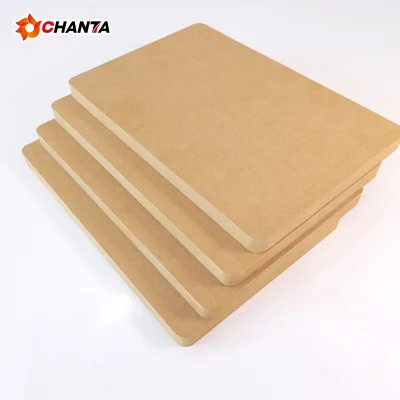
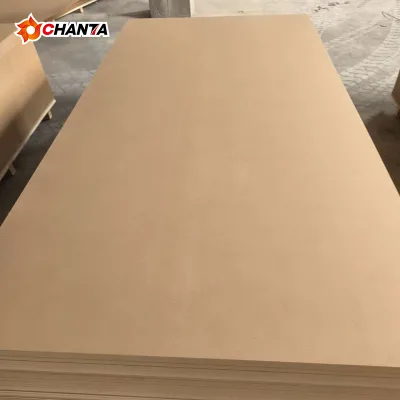
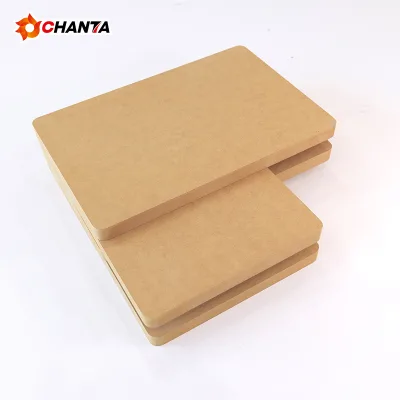
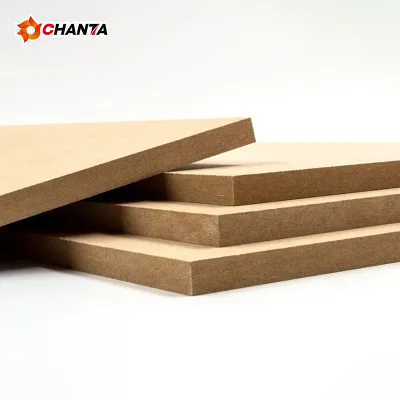

Comprehensive Sourcing Guide
Strategic Sourcing Guide for Sublimation Laminated MDF Boards
The global market for engineered wood products has seen a significant surge in demand for versatile substrates that can support advanced printing technologies. Among these, Sublimation Laminated MDF Boards have emerged as a critical component for signage, interior design, and custom furniture manufacturing. Sourcing these materials requires a nuanced understanding of their technical composition, the specific manufacturing processes involved, and the rigorous compliance standards that govern their trade. This guide provides a comprehensive framework for procurement professionals to evaluate suppliers, verify product attributes, and mitigate supply chain risks associated with sublimation-ready MDF.
Technical Specifications and Material Composition
Understanding the physical and chemical properties of the substrate is the first step in any successful procurement strategy. The core material for these boards is typically wood fiber, processed into a dense, uniform panel. In the observed market data, the standard dimensions for these panels are frequently listed as 1220mm by 2440mm, with thicknesses varying to meet specific application needs, such as 18mm or 3mm. The density of the board is a critical factor for sublimation performance; observed specifications indicate a density range of 750-840kg/M3. This density ensures the board can withstand the heat and pressure required during the sublimation process without warping or degrading.
The classification of the board is equally important. While often referred to as MDF (Medium Density Fiberboard), the market also presents variants labeled as HDF (High Density Fiberboard) or semi-hardboards. The distinction lies in the manufacturing process; some products utilize a dry process, while others employ a semi-dry process. The finish applied to these boards is often a melamine impregnated paper or a specific decoration material board coating designed to accept sublimation inks. Buyers must verify if the board is intended for indoor use only or if it possesses the necessary moisture resistance for outdoor applications, as some specifications list both indoor and outdoor usage capabilities. The grain structure is typically straight, providing a consistent surface for printing, though some variants may feature side grooves or standard grooves for specific assembly requirements.
Compliance, Certification, and Environmental Standards
In the B2B sector, compliance is not merely a formality but a prerequisite for market access and brand safety. The sourcing of Sublimation Laminated MDF Boards involves navigating a complex landscape of international and regional standards. The most frequently cited certification in the current market data includes ISO, CE, and CARB (California Air Resources Board). The presence of FSC (Forest Stewardship Council) certification is also a significant indicator of sustainable sourcing practices, ensuring that the wood fiber originates from responsibly managed forests.
Formaldehyde emission standards are a primary concern for both regulatory compliance and indoor air quality. The data indicates that boards are often categorized under E1 or E2 standards, with some high-grade products claiming "Excellent Grade" emission levels. The formaldehyde emission standards are directly linked to the type of glue used in the production process. Buyers must explicitly verify the glue type and the resulting emission class, as these vary significantly between suppliers. Additionally, the production origin, often cited as China or specific regions like Shouguang, influences the regulatory framework applicable to the product. For instance, boards destined for the European market must strictly adhere to CE marking requirements, while those for the North American market must meet CARB Phase 2 standards.
Cost Drivers and Pricing Dynamics
The pricing of Sublimation Laminated MDF Boards is influenced by a confluence of factors, including raw material costs, processing complexity, and logistics. The observed price range in the market spans from $0.37 to $300 per unit, reflecting the vast difference between basic raw panels and fully finished, high-specification products. This wide variance underscores the importance of defining the exact scope of the purchase. A board priced at the lower end of the spectrum may be a raw MDF panel requiring further processing, while the higher end likely includes the sublimation coating, specific thickness, and premium certifications.
The Minimum Order Quantity (MOQ) is another critical cost driver. Market observations show MOQs ranging from a single unit to as high as 3000 units, with some suppliers requiring a full 40HC container for certain grades. This variability suggests that smaller buyers may face higher per-unit costs or limited access to premium grades. Furthermore, the packing method significantly impacts the final landed cost. Standard export pallets, strong marine packing, and plywood-reinforced packaging are common, but the specific requirement for steel reinforcement (e.g., 4*8 steel) adds to the material and handling costs. Buyers should calculate the total cost of ownership, including packaging and potential damage risks, rather than focusing solely on the unit price.
Typical Applications and Usage Scenarios
The versatility of Sublimation Laminated MDF Boards allows for a broad spectrum of applications, primarily driven by the ability to print high-resolution, full-color images directly onto the surface. The primary use case is in the signage and advertising industry, where the boards serve as durable, lightweight alternatives to metal or plastic for display stands, exhibition graphics, and retail displays. The "Indoor" classification is prevalent, making these boards ideal for office partitions, decorative wall panels, and custom furniture components where aesthetic appeal is paramount.
However, the market also presents products suitable for "Outdoor" usage, provided they possess the necessary moisture resistance and durability features. These boards are often used for outdoor signage, garden furniture, and exterior cladding. The specific finish, such as melamine impregnated paper, plays a crucial role in determining the board's resistance to UV radiation and moisture. For applications requiring structural integrity, the density and thickness of the board become critical; for example, 18mm boards are preferred for furniture that must support weight, while 3mm boards are suitable for lightweight signage. The "Monisture Proof" feature, as noted in some specifications, is particularly valuable for humid environments or outdoor installations.
Supplier Evaluation and Production Capabilities
Evaluating a supplier for Sublimation Laminated MDF Boards requires a deep dive into their production capabilities and quality assurance protocols. The production process, whether dry or semi-dry, directly affects the consistency of the board's density and the uniformity of the coating. Suppliers who can demonstrate a "Semi-Dry Process" or advanced "Dry Process" capabilities often produce boards with superior dimensional stability. Buyers should request detailed information on the production line's capacity and the specific machinery used to ensure the board meets the required density and thickness tolerances.
The origin of the product is a key indicator of supply chain reliability. With a significant portion of the market originating from China, specifically regions like Shouguang, buyers must assess the logistical infrastructure of these areas. The ability to provide "Strong Marine Packing" and "Standard Exporting Pallets" is essential for preventing damage during long-haul shipping. Additionally, the supplier's ability to offer customization is a major differentiator. The availability of customization options allows buyers to tailor the board's size, thickness, and finish to their specific project requirements. However, buyers must verify that the customization does not compromise the board's structural integrity or its ability to accept sublimation inks.
Quality Control and Long-Term Procurement Considerations
Establishing a robust quality control (QC) framework is essential for maintaining product consistency over time. Key QC checkpoints include verifying the formaldehyde emission levels, checking the bonding strength (often listed as Ⅱ(Ns)), and ensuring the color consistency across batches. The "Straight Grain" and specific color options, such as green or brown, must be matched against the buyer's specifications to avoid aesthetic discrepancies. For long-term procurement, buyers should consider the lead times and shipment capabilities of their suppliers. Observed lead times can vary, with some suppliers offering shipment within 20 days, while others may have longer cycles depending on order volume and production scheduling.
The packaging strategy is also a critical component of long-term procurement. The use of "Exporting Pallets" and "Around Is Plywood" reinforcement ensures that the boards arrive in pristine condition. Buyers should insist on detailed packing lists and visual inspections upon delivery to identify any signs of moisture damage or physical stress. Furthermore, the certification status should be re-verified periodically, as standards and regulations can evolve. Maintaining a relationship with suppliers who can provide updated certification documents and test results is vital for ensuring ongoing compliance.
Comparative Analysis of Product Attributes
To facilitate informed decision-making, it is helpful to compare the key attributes of available Sublimation Laminated MDF Boards. The following table summarizes the critical specifications observed in the market, highlighting the variations that buyers must consider.
| Attribute | Observation A | Observation B | Observation C |
|---|---|---|---|
| Material | Wood Fiber | Wood Fiber | Wood Fiber |
| Type | MDF / Semi-hardboards | HDF | MR MDF |
| Thickness | 18mm | 3mm | 15mm |
| Dimensions | 1220*2440mm | 1220x2440mm | 1220m2440m15mm |
| Density | 750-840kg/M3 | N/A | N/A |
| Certification | ISO, CE, ISO, CARB | ISO, CARB, FSC | ISO |
| Formaldehyde | E1, E2 | EMaterial:Wood Fiber | EGrade:Excellent Grade |
| Usage | Indoor | Indoor, Outdoor | Indoor |
| Finish | Melamine Impregnated Paper | Decoration Material Board | Without Decoration |
| Packing | Strong Marine Packing | Exporting Pallet | Pallet Packing |
| Origin | China | Shouguang, China | China |
This comparison illustrates that while the core material remains consistent, the variations in thickness, certification, and finish are significant. Buyers must align these attributes with their specific project requirements to ensure the selected product meets both functional and regulatory needs.
Conclusion
Sourcing Sublimation Laminated MDF Boards is a complex process that demands a thorough understanding of technical specifications, compliance standards, and supplier capabilities. By carefully evaluating the density, thickness, and finish of the boards, verifying certifications like ISO, CE, and CARB, and assessing the supplier's production and packaging capabilities, buyers can secure high-quality materials that meet their project demands. The wide range of available options, from basic raw panels to fully finished, moisture-proof boards, offers flexibility but also requires diligence in selection. Ultimately, a strategic approach that prioritizes quality control, compliance, and long-term supplier relationships will yield the best results in the competitive landscape of engineered wood products.
FAQs
What certifications do Sublimation Laminated MDF Boards typically have?
These boards typically hold ISO, CE, CARB, and FSC certifications. Buyers should verify specific compliance like E1 or E2 formaldehyde standards and ensure the product meets regional safety requirements before purchase.
How thick are standard Sublimation Laminated MDF Boards?
Standard thicknesses include 18mm, 3mm, and 15mm panels. The 18mm variant is common for furniture, while thinner options suit signage, all maintaining dimensions of 1220mm by 2440mm.
Can these boards be used for outdoor applications?
Yes, some variants are suitable for both indoor and outdoor use. Buyers must check for moisture-proof features and specific finishes like melamine impregnated paper to ensure durability in humid environments.
What is the typical density of Sublimation Laminated MDF Boards?
The density typically ranges from 750 to 840kg per cubic meter. This density ensures the board withstands heat and pressure during sublimation without warping or degrading under stress.
Which glue types are used in Sublimation Laminated MDF Boards?
Manufacturers commonly use E1 or E2 grade glue for bonding. The choice of glue directly impacts formaldehyde emission levels, so buyers should request specific emission standard documentation for compliance.
How are Sublimation Laminated MDF Boards packaged for export?
They are usually packed on standard exporting pallets with strong marine packing. Some options include plywood reinforcement or steel strengthening to prevent damage during long-haul shipping.
What is the minimum order quantity for these boards?
MOQs vary from single units up to 3000 units or full 40HC containers. Buyers should confirm specific supplier requirements as some grades demand a full container load for cost efficiency.