Source Sublimation Heat Press Calender for Garments, Mouse Pads, and T-shirts
Explore 30 available Sublimation Heat Press Calender units with varying drum sizes, plate types, and automation grades. Buyers can compare specifications for relief, lithography, and gravure printing applications to find the right machinery for garment shops and industrial parts.
Key considerations
Products List


Heat Press Sublimation Transfer Machine 420X1700mm Full Oil Calender
$9514.00 - $10712.00
MOQ: 1 Pieces


420mmx1700mm Full Oil Roll Heat Press Sublimation Transfer Machine Calender
$9514.00 - $10712.00
MOQ: 1 Pieces


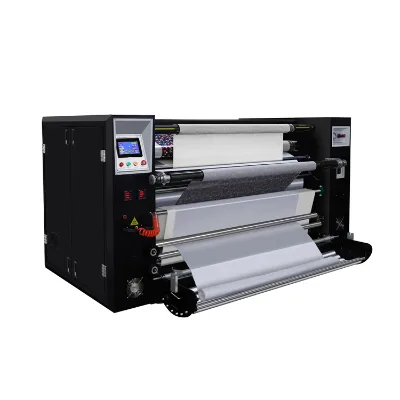
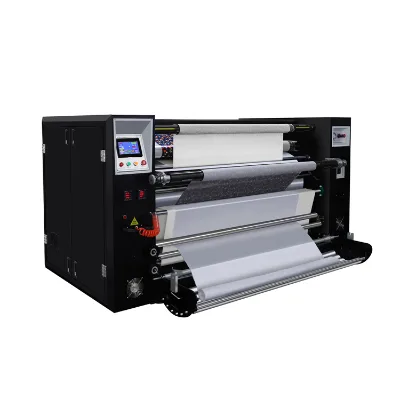


Heat Calendar Transfer Press Machine for High Precision Sublimation Printing
$6000.00 - $12000.00
MOQ: 1 set


Comprehensive Sourcing Guide
Strategic Sourcing Guide for Sublimation Heat Press Calender Systems
Understanding Technical Specifications and Configuration Variants
When sourcing a Sublimation Heat Press Calender, the primary objective is to align machine specifications with the specific production volume and substrate requirements of the buyer. The market presents a diverse array of configurations, ranging from single-layer drum systems to more complex multi-stage units. A critical observation in the current supply landscape is the variance in drum dimensions, which directly dictates the width of the material that can be processed. For instance, specific models are engineered with a single-layer drum diameter of 420mm, paired with a standard processing width of 1700mm. Conversely, other configurations feature a larger drum diameter of 610mm, also maintaining a 1700mm width, while some specifications indicate a potential width expansion to 1900mm. Buyers must verify the exact drum diameter and width combination required for their specific textile or substrate inventory, as a mismatch can lead to significant inefficiencies in material usage and throughput.
The driving mechanism and automation level are equally pivotal factors in the selection process. The supply chain offers machines categorized by their automatic grade, with distinct options available for both automatic and manual operations. The choice between a pneumatic driven type and a manual system often depends on the operator's skill level and the desired consistency of the heat transfer process. Furthermore, the plate type utilized in the calendering process varies significantly across different models. The market includes units designed for Relief Printing, Lithography Printing, and Gravure Printing, alongside those specifically configured for roll print applications. This variation suggests that the machine is not merely a heat press but a specialized printing and pressing integration tool. Buyers must ensure that the plate type selected matches the intended printing technology to avoid compatibility issues during the sublimation transfer.
The physical attributes of the machinery, including weight and color, also play a role in logistical planning and facility integration. Observed data indicates a substantial range in machine weight, with some units weighing approximately 2,800kg while others reach up to 30,000kg. This disparity highlights the difference between smaller, potentially mobile units and heavy-duty industrial calenders that may require reinforced flooring and specialized rigging for installation. The color of the equipment, ranging from green to multi-color finishes, is often a secondary aesthetic consideration but may be relevant for branding or safety color-coding within a factory setting. Additionally, the inclusion of a conveyor belt system is a notable feature in certain models, facilitating continuous processing and reducing manual handling time, which is essential for high-volume garment production environments.
Compliance, Certification, and Safety Standards
Navigating the regulatory landscape is a non-negotiable aspect of sourcing industrial machinery, particularly when dealing with electrical components and high-temperature operations. The presence of CE certification is a documented attribute for several units in the current market, indicating compliance with European health, safety, and environmental protection standards. While this certification is a strong indicator of quality, buyers must verify that the specific model they intend to purchase carries valid and current certification documentation, as standards can vary by region and manufacturing batch. The electrical specifications are another critical area for compliance verification. Observed voltage ratings include 220V and 380V, which necessitates a thorough assessment of the buyer's local power infrastructure. Mismatches between the machine's voltage requirements and the facility's power supply can lead to equipment failure or safety hazards.
Safety standards extend beyond electrical compliance to include the operational environment and the materials used in construction. The condition of the machinery is typically listed as "New," which implies adherence to current manufacturing safety protocols. However, buyers should also inquire about the specific safety features integrated into the design, such as emergency stop mechanisms, thermal overload protection, and guarding around moving parts like the drum and conveyor belt. The origin of the machinery, often cited as Guangdong, China, or Dongguan, China, provides context for the manufacturing ecosystem but does not automatically guarantee compliance with local regulations in the buyer's country. Therefore, it is imperative to request a full compliance dossier, including user manuals, safety data sheets, and proof of certification, before finalizing any procurement decision.
Cost Drivers and Pricing Structure Analysis
The pricing structure for sublimation heat press calenders is influenced by a complex interplay of factors, including machine size, automation level, and the complexity of the printing technology integrated. The observed price range in the market spans from approximately 76 USD to 28,500 USD, reflecting the vast difference between entry-level manual units and fully automated industrial systems. The lower end of this spectrum likely corresponds to smaller, manual, or semi-automatic units with basic features, while the upper end represents heavy-duty, fully automatic machines with advanced controls, larger drums, and integrated conveyor systems. Buyers should be wary of prices that seem anomalously low, as they may indicate compromised quality, outdated technology, or the absence of critical safety features.
Packaging and logistics represent significant cost drivers that are often overlooked in the initial price comparison. The supply data indicates that machines are shipped in various forms, including wooden cartons, wooden boxes, and wooden cases. The choice of packaging is directly related to the weight and fragility of the machine; heavier units, such as those weighing 30,000kg, almost certainly require robust wooden case packaging to prevent damage during transit. These packaging requirements add to the overall landed cost, including freight charges and potential customs duties. Additionally, the departure port, typically listed as Shenzhen or Guangzhou, influences the shipping timeline and cost. Buyers should factor in the total cost of ownership, which includes not only the purchase price but also the expenses associated with transportation, insurance, and installation.
The Minimum Order Quantity (MOQ) is another critical financial consideration. The market shows an MOQ range of 1 to 5 units, suggesting flexibility for small businesses and startups that may only require a single unit for pilot testing or low-volume production. However, buyers should be aware that ordering a single unit may come with a higher per-unit cost compared to bulk orders. Furthermore, the customization availability is a key differentiator in pricing. Machines that offer custom dimensions, colors, or specific functional modifications will inevitably command a premium over standard off-the-shelf models. Buyers must clearly define their customization needs early in the sourcing process to avoid unexpected cost overruns.
Typical Applications and Industry Use Cases
The versatility of sublimation heat press calenders is evident in their diverse applications across various industries. The primary application domain identified is the garment industry, where these machines are used for printing and pressing designs onto textiles. Specific use cases include the production of T-shirts and mouse pads, indicating the machine's capability to handle both fabric and rigid or semi-rigid substrates. The "Application" field often lists "Garment Industry Machinery Parts," suggesting that these units are integral components of larger garment production lines. The ability to handle sublimation paper and the specific usage on T-shirts and mouse pads highlights the machine's role in the custom apparel and promotional product sectors.
Beyond the garment industry, the specifications suggest potential applications in other sectors requiring high-quality printing and heat transfer. The inclusion of different plate types, such as Relief, Lithography, and Gravure printing, implies that these machines can be adapted for various printing techniques, potentially extending their utility to packaging, signage, and decorative arts. The "Applicable Industries" field explicitly mentions "Garment Shops," reinforcing the primary market focus. However, the advanced features, such as pneumatic driving and conveyor belts, suggest that these machines are also suitable for high-volume commercial printing environments where speed and consistency are paramount. Buyers should evaluate their specific production needs against the machine's capabilities to ensure it can handle the full range of products they intend to manufacture.
The condition of the machine, typically listed as "New," and the warranty period of one year are also relevant to the application context. For businesses operating in high-stress environments, a one-year warranty provides a baseline of protection against manufacturing defects. The availability of after-warranty service, specifically online support, is crucial for maintaining operational continuity. Buyers should consider the availability of local service locations, which are listed as the United States, Mexico, and Malaysia, to ensure that technical support and spare parts are accessible when needed. This geographic distribution of service centers is a significant factor for international buyers who require reliable after-sales support.
Supplier Evaluation and Quality Assurance Protocols
Evaluating suppliers for sublimation heat press calenders requires a rigorous approach that goes beyond price comparison. The origin of the products, consistently cited as China, specifically Guangdong or Dongguan, indicates a concentration of manufacturing capabilities in this region. While this region is known for its robust manufacturing infrastructure, buyers must conduct thorough due diligence to ensure that the supplier adheres to high-quality standards. The presence of certifications like CE is a positive indicator, but it should be verified against the specific model and batch. Buyers should request detailed product documentation, including test reports, material specifications, and assembly quality checks, to validate the supplier's claims.
Quality control should be an integral part of the procurement process. Buyers should establish clear acceptance criteria based on the observed specifications, such as drum diameter, weight, and voltage. For instance, if a machine is specified to have a 420mm drum, the buyer must verify this dimension upon delivery. The weight of the machine is another critical quality indicator; discrepancies between the specified weight (e.g., 2,800kg vs. 30,000kg) and the actual delivered weight could indicate missing components or structural weaknesses. Additionally, the condition of the machine upon arrival should be inspected for any signs of damage, particularly given the heavy nature of these units and the reliance on wooden packaging for protection.
The supplier's ability to provide customization is another key evaluation metric. The market data indicates that customization is available, but the extent and quality of this customization vary. Buyers should assess the supplier's track record in delivering customized solutions, including their ability to meet specific requirements for drum size, plate type, and color. The availability of online support after the warranty period is also a critical factor in supplier evaluation. A supplier that offers comprehensive after-sales support, including troubleshooting and spare parts availability, adds significant value to the procurement decision. Buyers should also consider the supplier's reputation in the market, looking for reviews and references from other clients who have purchased similar equipment.
Long-Term Procurement and Operational Sustainability
Sourcing a Sublimation Heat Press Calender is not merely a one-time transaction but a strategic decision that impacts long-term operational efficiency and sustainability. The choice of machine should be aligned with the buyer's growth trajectory and production goals. For businesses planning to expand, investing in a machine with higher automation levels, such as those with conveyor belts and pneumatic drives, can provide the scalability needed to meet increasing demand. The availability of customization options also allows for future adaptability, enabling the buyer to modify the machine as production requirements evolve.
Maintenance and operational costs are critical considerations for long-term sustainability. The warranty period of one year provides a baseline for initial peace of mind, but buyers should plan for ongoing maintenance costs beyond this period. The availability of online support and local service locations in regions like the United States, Mexico, and Malaysia is essential for minimizing downtime and ensuring rapid resolution of any technical issues. Buyers should also consider the energy efficiency of the machine, particularly given the high power requirements indicated by the 220/380V voltage ratings. Selecting a machine that optimizes energy usage can lead to significant cost savings over the lifespan of the equipment.
Finally, the total cost of ownership should be carefully calculated, taking into account not only the purchase price but also the costs of installation, maintenance, energy consumption, and potential downtime. The observed price range of 76 to 28,500 USD underscores the importance of making an informed decision based on a comprehensive analysis of all cost factors. By prioritizing quality, reliability, and long-term support, buyers can ensure that their investment in a Sublimation Heat Press Calender delivers maximum value and supports their business objectives for years to come.
FAQs
What printing types are available for sublimation heat press calenders?
These machines support Relief, Lithography, Gravure, and roll print types. Buyers must verify the specific plate type matches their intended printing technology to ensure compatibility and avoid operational issues during the sublimation transfer process.
Can I find sublimation heat press calenders with CE certification?
Yes, CE certification is a documented attribute for several units in the current market. Buyers should verify that the specific model carries valid and current certification documentation before finalizing any procurement decision.
What is the minimum order quantity for these machines?
The minimum order quantity ranges from 1 to 5 units depending on the supplier. Ordering a single unit may come with a higher per-unit cost compared to bulk orders, offering flexibility for small businesses.
Which drum sizes are available for sublimation heat press calenders?
Available drum diameters include 420mm and 610mm, with processing widths of 1700mm or 1900mm. Buyers must verify the exact drum diameter and width combination required for their specific textile or substrate inventory.
How much do sublimation heat press calenders typically cost?
The observed price range spans from 76 USD to 28,500 USD based on specifications. Lower prices likely correspond to smaller manual units, while higher prices represent heavy-duty automated systems with advanced controls.
Where are these machines manufactured and shipped from?
Products originate from Dongguan or Guangdong, China, and depart from Shenzhen or Guangzhou ports. Buyers should factor in the total cost of ownership including transportation and insurance from these specific departure points.
What warranty and support options are available for these machines?
A one-year warranty is standard, with after-warranty service provided via online support. Local service locations are available in the United States, Mexico, and Malaysia to ensure technical support is accessible when needed.