Source Submersible LNG Pump for Port, wharf, and bus station
Find and compare 30 Submersible LNG Pump for Port applications including wharf and bus station operations. Evaluate models like SMC-1500 and QDX series with pneumatic or electric power options, centrifugal or gear structures, and various flow rates to match clarified water or sewage needs.
Key considerations
Products List

LNG Pumps LNG Submerged Pump Skid LNG Pump LNG Lcng Gas Gasification Station
$100000.00 - $200000.00
MOQ: 1 Sets






Comprehensive Sourcing Guide
Submersible LNG Pump for Port Sourcing Guide
Procuring submersible pumps for port infrastructure requires a nuanced understanding of the specific hydraulic and environmental demands inherent to marine and industrial settings. While the core keyword suggests a focus on liquefied natural gas (LNG) applications, the available market data indicates a broader spectrum of submersible and industrial pump solutions tailored for port, wharf, and bus station environments. Buyers must carefully distinguish between pumps designed for cryogenic LNG transfer and those intended for general port utilities such as clarified water, sewage, or slurry management. The distinction is critical because the material compatibility, sealing technology, and safety certifications for LNG service differ significantly from those required for standard wastewater or cooling water applications.
The observed product landscape reveals a diverse array of submersible and industrial pump models, ranging from small electric units to heavy-duty gear and jet pumps. Many listings highlight applications in clarified water, sewage, and chemical transfer, which are common in port operations but distinct from cryogenic LNG handling. Consequently, sourcing guides must emphasize the verification of media compatibility. A pump suitable for a port’s drainage system may not withstand the extreme temperatures or flammability risks associated with LNG infrastructure. Therefore, the initial step in procurement is to clearly define the fluid medium, operating temperature range, and pressure requirements to filter out irrelevant product categories and focus on suppliers capable of delivering the specific engineering solutions required for your port’s unique operational needs.
Product Scope and Observed Listing Signals
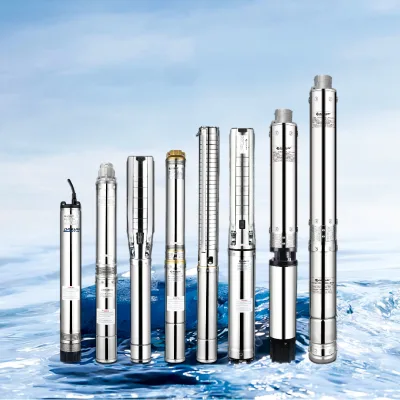
The current market signals indicate a wide variety of submersible and industrial pump configurations available from manufacturers, primarily originating from regions like Taizhou, China. Observed models include the QDX series, which are often electric submersible pumps with aluminum shells, and other models like the SMC-1500, which may be associated with larger industrial applications. The power sources vary, with electric motors being prominent, alongside pneumatic and hydraulic options for specific industrial contexts. Buyers should note that the term "submersible" in this context often refers to pumps designed for liquid transfer in wet environments, such as sewage or clarified water, rather than exclusively for cryogenic LNG. Understanding this scope helps in aligning procurement expectations with the actual capabilities of the listed products.
Packing and delivery metrics provide additional context for logistical planning. Products are frequently packed in standard cartons or 40-foot containers, suggesting scalability for bulk procurement. The observed delivery times are approximately 90 days, which is a standard lead time for custom-manufactured industrial equipment. This timeline should be factored into port maintenance schedules and capital expenditure planning. Furthermore, the presence of customization options indicates that suppliers are willing to adapt standard designs to specific port requirements, such as varying inlet/outlet sizes or motor voltages. Buyers should leverage this flexibility to request tailored solutions that match their existing port infrastructure, rather than forcing their operations to adapt to off-the-shelf limitations.
Technical Specifications to Verify
When evaluating submersible pumps for port use, the motor specifications and power requirements are paramount. The observed data highlights motors operating at 12/24V for certain models, while others may require higher voltage industrial power supplies. It is essential to verify the voltage compatibility with your port’s electrical grid to avoid costly retrofits or the need for additional transformers. Additionally, the power range of 0.25kw to 1.1kw is noted for specific submersible models, which may be suitable for smaller drainage or circulation tasks. For larger port applications, such as bulk water transfer or sewage handling, higher power ratings and different pump structures, such as gear or jet pumps, may be necessary. Buyers must match the pump’s hydraulic performance to the specific flow rate and head requirements of their port facilities.
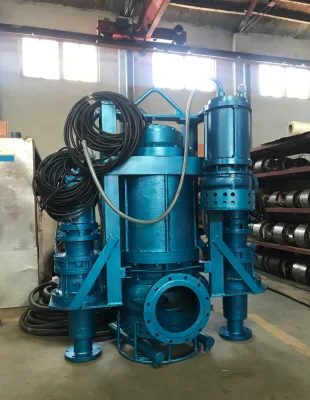
The structural design and material composition of the pump also require rigorous verification. Observed materials include aluminum shells for smaller submersible units and cast iron for more robust industrial applications. The choice of material impacts durability, corrosion resistance, and weight, all of which are critical in a marine environment. For instance, cast iron pumps may offer greater durability for heavy-duty sewage or slurry applications, while aluminum units might be preferred for lighter, clarified water tasks. Furthermore, the outlet size, ranging from 1 inch to 2 inches in some models, must align with the existing piping infrastructure. Buyers should request detailed technical drawings and material certificates to ensure that the pump’s construction can withstand the specific chemical and physical stresses of the port environment.
Compliance and Safety Documentation
Safety and regulatory compliance are non-negotiable when sourcing equipment for port infrastructure, especially if the pumps are intended for use in hazardous areas or for handling flammable liquids. The observed certifications include ISO, CE, SGS, TUV, and ISO9001, which indicate a baseline level of quality management and safety adherence. However, for LNG or other hazardous fluid applications, additional certifications such as ATEX or UL may be required to ensure the equipment is explosion-proof and suitable for explosive atmospheres. Buyers must explicitly confirm whether the listed certifications cover the specific hazards associated with their port operations. Relying solely on general industrial certifications may leave critical safety gaps in LNG or chemical handling scenarios.
Documentation verification should extend beyond simple certification labels to include comprehensive test reports and performance data. Suppliers should provide evidence that the pumps have undergone rigorous testing for pressure integrity, electrical safety, and material compatibility. For submersible pumps, this might include waterproofing tests and insulation resistance checks. In the context of port operations, where downtime can be costly, verifying the reliability of these tests is crucial. Buyers should request detailed documentation that outlines the testing standards used and the results obtained, ensuring that the equipment meets or exceeds the safety standards mandated by local port authorities and international maritime regulations.
Cost Drivers and Commercial Terms
The cost of submersible pumps is influenced by several factors, including the material of construction, motor power, and the level of customization required. The observed price range of 10 to 20,000 USD reflects the diversity of products available, from small, basic units to large, specialized industrial pumps. Buyers should understand that higher costs are often associated with advanced materials, such as stainless steel or specialized alloys, and higher power motors capable of handling demanding port applications. Additionally, the availability of customization can impact pricing, as tailored solutions require additional engineering and manufacturing resources. Understanding these cost drivers allows buyers to make informed decisions about where to invest in higher-quality components and where standard models may suffice.
Commercial terms, including minimum order quantities (MOQ) and payment conditions, also play a significant role in the procurement process. The observed MOQ range of 1 to 100 units suggests flexibility for both single-unit replacements and bulk procurement projects. Buyers should negotiate terms that align with their inventory management strategies and cash flow requirements. Furthermore, the 90-day delivery time should be considered in the context of total cost of ownership, as delays can impact port operations. Clear communication regarding shipping terms, insurance, and warranty coverage is essential to mitigate risks associated with international procurement. Buyers should ensure that all commercial terms are explicitly stated in the contract to avoid disputes and ensure a smooth transaction process.
Supplier Qualification and Quality Control
Selecting a reliable supplier is critical for ensuring the long-term performance and safety of submersible pumps in port environments. Buyers should prioritize suppliers who demonstrate a strong track record in manufacturing industrial pumps and who have established quality control processes. The presence of certifications such as ISO9001 is a positive indicator, but buyers should also verify the supplier’s ability to provide consistent quality across batches. This may involve requesting references from other port or industrial clients and reviewing their quality assurance documentation. Additionally, suppliers who offer customization should have the engineering expertise to adapt standard designs to specific requirements without compromising safety or performance.
Quality control measures should extend to the pre-shipment inspection phase. Buyers should consider implementing third-party inspection services to verify that the delivered pumps meet the agreed-upon specifications and quality standards. This includes checking for physical defects, verifying electrical connections, and ensuring that all documentation is complete and accurate. For port applications, where equipment failure can have significant operational and safety implications, rigorous quality control is essential. Buyers should establish clear acceptance criteria and communication channels with the supplier to address any issues that arise during the inspection process, ensuring that only compliant and high-quality equipment is deployed in their port facilities.
Long-Term Procurement Checks
Long-term procurement success depends on establishing a sustainable relationship with suppliers who can provide ongoing support and maintenance services. Buyers should inquire about the availability of spare parts and technical support for the pumps they purchase. In a port environment, where equipment is subject to continuous use and harsh conditions, having access to replacement parts and expert troubleshooting assistance is crucial for minimizing downtime. Suppliers who offer comprehensive after-sales service packages can provide significant value, ensuring that the pumps remain operational and efficient throughout their lifecycle. This proactive approach to maintenance can reduce total cost of ownership and enhance the reliability of port operations.
Furthermore, buyers should regularly review their procurement strategies to adapt to changing operational needs and technological advancements. This includes staying informed about new pump technologies, materials, and safety standards that may offer improved performance or efficiency. Engaging with suppliers for periodic reviews of pump performance and maintenance records can provide valuable insights into potential upgrades or replacements. By maintaining a dynamic and informed procurement process, buyers can ensure that their port infrastructure remains equipped with the most suitable and reliable submersible pumps, supporting the efficient and safe operation of port activities for years to come.
FAQs
What is the typical lead time for Submersible LNG Pump for Port orders
The typical lead time for these pumps is 90 days. This duration accounts for manufacturing, quality control, and preparation for shipment. Buyers should factor this into their project schedules to ensure timely delivery to the port site.
What certifications are available for Submersible LNG Pump for Port products
Available certifications include CE, SGS, TUV, and ISO9001. These standards verify product safety and quality management systems. Selecting a supplier with these certifications helps ensure compliance with international port infrastructure requirements.
What is the standard packaging for Submersible LNG Pump for Port shipments
Standard packaging often involves 40-foot containers or standard carton cases. This packaging method protects the pump during transit and facilitates efficient loading. Buyers should confirm specific packing details with the supplier to match their logistics needs.
Can Submersible LNG Pump for Port units be customized for specific applications
Yes, customization is available for these pumps. Suppliers can adjust specifications to meet specific port or wharf requirements. This flexibility allows buyers to tailor the pump's performance and structure to their operational needs.
What is the origin of Submersible LNG Pump for Port suppliers
The primary origin for these products is China, with specific manufacturing hubs in Taizhou. Sourcing from these regions often provides competitive pricing and established supply chains. Buyers should verify the specific factory location to assess logistics and quality control.
What power options are available for Submersible LNG Pump for Port systems
Power options include electric, pneumatic, and hydraulic systems. Electric pumps are common for standard applications, while pneumatic or hydraulic options may suit specific industrial environments. The choice depends on the available power infrastructure at the port.
What is the typical MOQ for Submersible LNG Pump for Port orders
The observed MOQ range is 1 to 100 units. This low minimum order quantity allows for flexible procurement strategies. Buyers can start with small trial orders or scale up to bulk purchases based on their project requirements.