Source Sulfate Free Anti-Dandruff Disposable Soap for Body, Face, Hand
Find 30 listings for Sulfate Free Anti-Dandruff Disposable Soap suitable for body, face, and hand care. Buyers can compare customization options, packaging types, and net weights across various models from Jiangsu and Hebei suppliers.
Key considerations
Products List


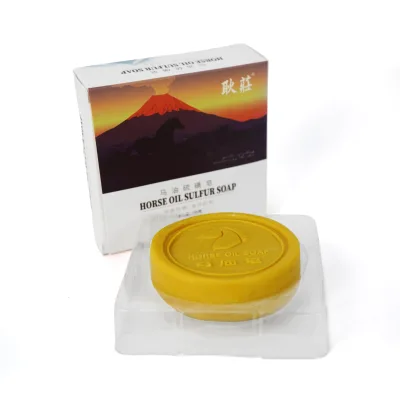




Comprehensive Sourcing Guide
Strategic Sourcing Guide for Sulfate-Free Anti-Dandruff Disposable Soap Solutions
The global B2B procurement landscape for personal care items has shifted significantly toward specialized formulations that address specific dermatological needs while adhering to sustainability mandates. Buyers searching for "sulfate-free anti-dandruff disposable soap" are navigating a complex market where functional efficacy must be balanced with supply chain reliability and regulatory compliance. This guide provides a disciplined framework for evaluating potential suppliers and products, grounded in observed market data and established industry practices. The focus remains on identifying viable sourcing channels for specialized hygiene products without relying on unverified claims or speculative data.
Technical Specifications and Formulation Verification
When sourcing specialized soaps, the technical definition of the product is paramount. The term "disposable soap" often refers to single-use formats, such as small bars, sheets, or liquid packets, designed for travel, hospitality, or specific medical applications. However, the core keyword also implies a specific chemical profile: sulfate-free and anti-dandruff. In the context of the available product data, we observe a distinct separation between general toilet soaps and specialized laundry or functional soaps.
Buyers must verify that the "sulfate-free" claim aligns with the actual ingredient list, as sulfates (like SLS or SLES) are common surfactants that can cause irritation. The absence of these compounds is a critical differentiator for "all skin types" and sensitive scalp applications. Furthermore, the "anti-dandruff" attribute requires specific active ingredients, such as zinc pyrithione, selenium sulfide, or natural antifungal agents, which are not present in standard "Toilet Soap" or "General Laundry Soap" formulations found in general catalogs.
The observed product attributes indicate a market dominated by solid forms with customizable net weights and colors. For a specialized anti-dandruff product, the buyer must ensure the supplier can deviate from standard "White, Pink, Green" palettes to include specific functional additives without compromising the "Solid" form factor. The "Non-Medicated" attribute observed in general toilet soap listings suggests that many standard suppliers may not offer true therapeutic anti-dandruff properties unless explicitly specified as a custom formulation. Therefore, the technical specification phase must prioritize confirming the presence of active anti-dandruff agents and the complete absence of sulfate-based surfactants.
Compliance, Certification, and Regulatory Standards
Navigating the regulatory landscape for personal care products requires rigorous due diligence. While the provided data mentions "Eco-Friendly" and "Natural&Herbal" advantages for certain laundry soaps, these terms do not automatically confer compliance with personal care regulations. Buyers must verify that the supplier adheres to relevant standards for the destination market, such as the US FDA guidelines, the EU Cosmetics Regulation (EC) No 1223/2009, or local health authority approvals.
The "Shelf Life" of 3 years observed in general soap listings is a standard benchmark, but for specialized functional soaps, stability testing is crucial. The presence of active anti-dandruff ingredients often requires specific preservation systems to prevent microbial growth without introducing sulfates. Buyers should request Certificates of Analysis (CoA) that detail the chemical composition, specifically confirming the sulfate-free status and the concentration of active ingredients.
Additionally, the "Eco-Friendly" and "Natural Fragrance" attributes found in some listings suggest a potential alignment with green chemistry principles. However, "Natural Fragrance" does not guarantee the absence of allergens or irritants. Suppliers should be asked to provide safety data sheets (SDS) and evidence of compliance with any specific regional bans on certain preservatives or fragrances. The "Standard Specifications" or "Customized" nature of the products implies that the buyer has the opportunity to define the regulatory compliance requirements during the customization phase, ensuring the final product meets the strictest applicable standards.
Cost Drivers and Pricing Structures
The cost of sourcing specialized soap is influenced by several variables, including raw material costs, customization levels, and order volume. The observed price range of 0.01 to 620 USD indicates a vast disparity, likely reflecting the difference between bulk raw materials and finished, branded, or highly customized units. For a "sulfate-free anti-dandruff" product, the cost will be driven primarily by the price of specialized surfactants and active anti-dandruff agents, which are typically more expensive than standard soap bases.
The Minimum Order Quantity (MOQ) is a significant cost driver. The observed MOQ range of 2 to 30,000 units suggests that suppliers cater to both small-batch customizers and large-scale distributors. However, for specialized formulations, the MOQ may be higher due to the need for dedicated production runs to avoid cross-contamination with standard sulfate-based products. The "Customized" net weight and "Customer Logo Printing" options add to the unit cost. Buyers should anticipate that lower MOQs will result in higher per-unit costs, while larger volumes may offer economies of scale but require significant upfront capital.
It is essential to distinguish between the cost of the raw soap base and the cost of the finished, packaged product. The "Standard Packaging" or "Customized" options, such as "PP Bag with Paper Card" or "Box," will impact the final landed cost. Buyers must also consider the "Lead Time," which is not explicitly provided in the data but is a critical factor in budgeting. Custom formulations often require longer lead times for formulation development, testing, and production setup compared to off-the-shelf items.
Typical Applications and Market Segmentation
Understanding the application of the product is vital for selecting the right supplier. The "Sulfate-Free Anti-Dandruff Disposable Soap" is primarily targeted at the healthcare, hospitality, and travel sectors. In the medical field, it may be used for patients with seborrheic dermatitis or sensitive scalps. In the hospitality industry, disposable soaps are often provided in hotels and resorts, where the "Sulfate-Free" attribute appeals to eco-conscious travelers and those with skin sensitivities.
The "Application" attributes observed in the data, such as "Body, Face, Hand," indicate versatility. However, for anti-dandruff soaps, the primary application is the scalp, which requires a different formulation than standard body wash. The "Disposable" aspect suggests single-use scenarios where convenience and hygiene are prioritized over long-term storage. This makes the product suitable for gyms, hospitals, cruise ships, and emergency relief kits.
Buyers should also consider the "Skin Type" requirement. The data notes "All Skin Types" for general soaps, but for anti-dandruff products, the target demographic is specifically those with dandruff-prone or oily scalps. The "Unscented" or "Natural Fragrance" options observed in the data are particularly relevant here, as strong fragrances can sometimes irritate sensitive scalps. The "Square" shape and "Solid" form are standard for disposable bars, but the buyer must ensure the texture and lather are suitable for scalp application.
Supplier Evaluation and Vetting Process
Evaluating suppliers for specialized products requires a multi-faceted approach. The "Location" data points to manufacturers in Jiangsu and Hebei, China, which are major hubs for soap and chemical production. Buyers should verify the supplier's capacity to handle custom formulations, as indicated by the "Customization: Available" attribute. This involves assessing their R&D capabilities, specifically their ability to formulate sulfate-free, anti-dandruff solutions.
The "Brand Name" and "Logo" options suggest that many suppliers offer OEM (Original Equipment Manufacturer) services. Buyers should evaluate the supplier's experience with similar specialized products. While the data mentions "Aoshen" as a brand for laundry soap, this does not imply they produce personal care anti-dandruff soaps. Buyers must request case studies or references from other clients who have sourced similar specialized formulations.
Quality control capabilities are another critical factor. The "Feature: Eco-Friendly, Stain Removal" for laundry soaps indicates a focus on performance, but for personal care, the focus shifts to safety and efficacy. Buyers should inquire about the supplier's quality control protocols, including in-process testing and final product verification. The "Shelf Life" of 3 years is a standard claim, but the supplier should provide data on how they ensure product stability over this period, especially for active ingredients.
Quality Control and Performance Testing
Ensuring the quality of the final product is the responsibility of the buyer, supported by the supplier's data. The "Net Weight: Customized" and "Color: White, Pink, Green, or Customized" attributes highlight the need for precise manufacturing controls. For anti-dandruff soaps, the concentration of active ingredients must be consistent across batches. Buyers should require batch-specific Certificates of Analysis that verify the sulfate-free status and the potency of the anti-dandruff agent.
Performance testing is essential to validate the "Anti-Dandruff" claim. This may involve clinical trials or in-vitro testing to demonstrate efficacy against dandruff-causing fungi. The "Feature: Refreshing, Whitening" observed in some laundry soaps suggests that suppliers may have experience with functional additives, but these must be adapted for personal care. Buyers should request test results from independent laboratories to confirm the product's safety and effectiveness.
The "Washing mode: household" attribute for laundry soaps indicates a different usage context, but the principles of cleaning and safety apply. For disposable soaps, the dissolution rate and lather quality are also critical quality metrics. The "Solid" form must be stable and not prone to crumbling or melting during storage and transport. Buyers should specify these performance criteria in their technical specifications to ensure the supplier meets the required standards.
Long-Term Procurement Considerations
Sourcing specialized soaps is not a one-time transaction but a long-term partnership. The "Customized" nature of the products implies a need for ongoing collaboration between the buyer and the supplier. Buyers should consider the scalability of the supply chain, ensuring the supplier can meet increasing demand without compromising quality. The "MOQ" and "Lead Time" factors must be balanced against the buyer's inventory management strategy.
Sustainability is a growing concern in the personal care industry. The "Eco-Friendly" and "Natural&Herbal" attributes observed in the data suggest a market trend toward greener products. Buyers should evaluate the supplier's commitment to sustainability, including the sourcing of raw materials, packaging waste reduction, and energy efficiency in production. The "Standard Packaging" or "Customized" options should align with the buyer's sustainability goals.
Finally, regulatory changes and market dynamics can impact the supply chain. Buyers should maintain a flexible relationship with their supplier to adapt to new regulations or shifts in consumer preferences. The "Customized" form factor and "Logo" options provide opportunities for brand differentiation, but the core product must remain compliant and effective. By focusing on these long-term considerations, buyers can build a resilient supply chain for specialized personal care products.
FAQs
Can I customize the net weight and color of the soap?
Yes, customization is available for net weight and color. The product offers customized net weights and allows colors like white, pink, green, or custom options to match your brand requirements.
What is the shelf life of the solid soap bars?
The shelf life is three years for the solid form. This duration applies to the standard and customized toilet soap bars produced in Jiangsu, China, ensuring stability during storage.
Which skin types are suitable for this toilet soap?
This soap is suitable for all skin types. It is formulated as a non-medicated solid bar designed for use on the body, face, and hands without causing irritation.
How is the product packaged for shipment?
Packaging options include standard packaging or customized solutions. Specific listings show PP bags with paper cards or boxes, with carton dimensions varying by model specification.
Can I add my own logo to the soap bars?
Yes, customer logo printing is available on the product. Suppliers offer OEM services allowing you to brand the soap with your specific logo or graphic design via heat-transfer printing.
What is the minimum order quantity for this soap?
The minimum order quantity ranges from 2 to 30,000 units depending on the supplier. Some listings specify an MOQ of 2 tons for specific bulk orders, while others start at 2 units.
Where are these soap products manufactured?
Products originate from Jiangsu, China, and Hebei, China. These locations serve as the primary production hubs for the solid toilet soaps and laundry soaps listed in the catalog.