Source Sulphuric Acid Plant Wet Scrubber for Chemical, Industrial, and Exhaust Gas Applications
Find 30 available Sulphuric Acid Plant Wet Scrubber units for chemical treatment and industrial exhaust gas purification. Compare specifications including automatic operation, stainless steel or PP materials, and customized sizes to identify suitable solutions for your facility.
Key considerations
Products List


Acid Mist Purification Air Pollution Control Devices Industrial Wet Scrubber
$699.00 - $2999.00
MOQ: 1 Pieces


Organic Absorption Industrial Waste Gas Treatment Wet Scrubber Purification
$5000.00 - $20000.00
MOQ: 1 Sets
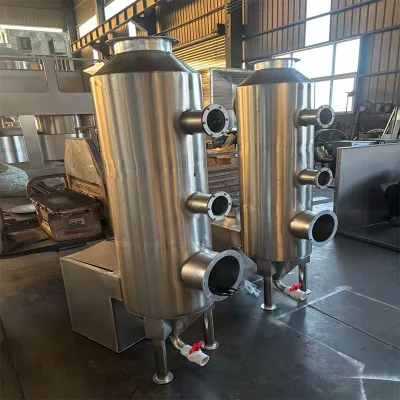
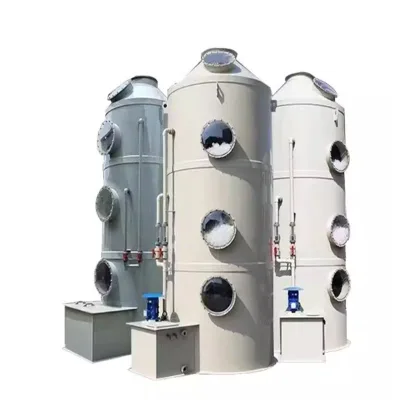


Advanced Industrial Wet Scrubber for Superior Gas Filtration Solutions
$3000.00 - $7000.00
MOQ: 1 Pieces


Advanced Industrial Wet Scrubber for Effective Air Pollution Control
$3000.00 - $7000.00
MOQ: 1 Pieces
Comprehensive Sourcing Guide
Sulphuric Acid Plant Wet Scrubber Sourcing Guide
The procurement of wet scrubbers for sulphuric acid plants requires a precise understanding of the equipment's role in neutralizing corrosive exhaust gases and meeting stringent environmental standards. These systems are specifically engineered for industrial applications where active operating principles are necessary to achieve high purification rates, often targeting efficiencies around 98% for harmful emissions. Buyers must recognize that the core function involves treating chemical byproducts through wet scrubbing methods, which distinguishes them from dry filtration systems or simple cyclone separators.
Selecting the right unit involves balancing the specific air volume requirements of the plant against the physical constraints of the installation site. The observed market data indicates a wide range of configurations, from semi-automatic to fully automatic systems, with air volumes varying significantly based on the specific industrial process. A buyer must determine whether a vertical installation method is feasible for their facility or if a horizontal layout is required, as this decision impacts the structural integrity and maintenance accessibility of the entire treatment line.
Product Scope and Observed Listing Signals
The product landscape for sulphuric acid treatment units reveals a diverse array of configurations, including models with multi-screw mechanisms and those utilizing twin-screw designs for enhanced mixing and reaction efficiency. Some listings specify a "Non" screw configuration, indicating simpler mechanical designs that may rely on different fluid dynamics for gas-liquid contact. Buyers should carefully distinguish between these mechanical variations, as the choice of screw type directly influences the system's ability to handle the specific viscosity and particulate load of sulphuric acid plant exhaust.
Material selection is a critical signal of durability, with observed listings featuring both Polypropylene (PP) and Stainless Steel constructions. The choice between these materials often depends on the specific chemical concentration and temperature of the exhaust stream, as the operating temperature for many units is specified to remain below 85°C. Additionally, the presence of features like anti-corrosion coatings and the inclusion of clapboards suggests a focus on longevity in harsh chemical environments, which is essential for maintaining operational continuity in sulphuric acid production facilities.
Technical Specifications to Verify
When evaluating technical specifications, the purification rate is a primary metric, with observed data suggesting a capability of 98% for effective gas cleaning. However, buyers must verify that this rate is maintained under the specific load conditions of their plant, as the actual performance can fluctuate based on the air volume, which ranges from standard industrial sizes to custom configurations like DN800-DN3000. It is imperative to confirm that the core components, such as the cyclone spray systems, are compatible with the specific chemical properties of the waste gas to ensure consistent high-efficiency operation.
The physical dimensions and standardization of the unit are equally critical, with observed standards ranging from specific model numbers like XC-01 and XC-1 to custom dimensions such as 4200820820. Buyers must ensure that the selected model's size and standard align with the existing infrastructure of the sulphuric acid plant, particularly regarding the installation method and the required air volume capacity. The working temperature limit of below 85°C must be strictly adhered to, and the service life, often cited as 8-10 years, should be validated against the expected operational intensity of the specific facility.
Compliance and Safety Documentation
Compliance with international and regional safety standards is non-negotiable for equipment used in sulphuric acid plants, where the handling of corrosive and toxic gases is routine. Observed certifications include CE, ISO, and RoHS, which indicate adherence to specific safety and environmental directives. Buyers must request and verify the validity of these certificates for the specific batch of equipment being purchased, ensuring that the manufacturer has undergone the necessary audits to confirm that the wet scrubber meets the required safety protocols for industrial gas treatment.
In addition to general certifications, specific documentation regarding the treatment process and material safety must be reviewed. The use of chemical treatments and the potential for pyrolysis in certain configurations require detailed safety data sheets and operational manuals. Buyers should verify that the supplier provides comprehensive documentation on the "Active" operating principle and the specific chemical interactions within the scrubber, ensuring that the equipment can be operated safely by the plant's technical staff without risking exposure to hazardous substances.
Cost Drivers and Commercial Terms
The cost of a Sulphuric Acid Plant Wet Scrubber is heavily influenced by the level of automation and the complexity of the mechanical design. Observed price ranges span from 80 to 20,000 USD, reflecting the vast difference between basic manual units and sophisticated automatic systems with advanced control features. Buyers must analyze whether the higher cost of an automatic system justifies the long-term savings in labor and the improved consistency of the purification process, or if a semi-automatic or non-automatic unit suffices for their specific operational needs.
Commercial terms such as Minimum Order Quantity (MOQ) and packaging requirements also play a significant role in the total cost of ownership. The observed MOQ ranges from 1 to 24 units, offering flexibility for smaller projects or larger industrial deployments. Packaging options vary from wood cartons and wooden boxes to bare packing or containerized shipping, each impacting the logistics cost and the risk of damage during transit. Buyers should negotiate these terms carefully, ensuring that the chosen packaging method protects the anti-corrosion features and delicate internal components during the shipping process.
Supplier Qualification and Quality Control
Supplier qualification extends beyond the basic provision of equipment to include robust after-sales support and quality assurance processes. The availability of video-based after-sales maintenance and video outgoing-inspection services indicates a supplier's commitment to transparency and remote troubleshooting capabilities. Buyers should prioritize suppliers who offer these digital support tools, as they can significantly reduce downtime and ensure that any operational issues are addressed promptly without the need for immediate physical site visits.
Quality control measures must be verified through the supplier's adherence to standardized production processes and material specifications. The observation of customized standards and the availability of customization services suggest that suppliers are capable of tailoring units to specific plant requirements. However, buyers must confirm that the customization process includes rigorous testing and validation to ensure that the modified units still meet the core performance metrics, such as the 98% purification rate and the 8-10 year service life, before finalizing the procurement agreement.
Long-Term Procurement Checks
Long-term procurement success depends on the reliability of the warranty and the availability of spare parts over the equipment's service life. A standard one-year warranty is observed in the market, but buyers should negotiate extended coverage options that align with the expected 8-10 year service life of the wet scrubber. Ensuring that the supplier guarantees the availability of critical components, such as the cyclone spray systems and screw mechanisms, is essential for maintaining the system's efficiency and preventing costly operational interruptions.
Finally, buyers must establish a clear protocol for ongoing performance monitoring and maintenance to maximize the return on investment. The "Easy to Install and Operate" feature observed in some listings should be validated through hands-on training and detailed operational guides provided by the supplier. Regular checks on the working temperature, air volume, and purification rate are necessary to detect any degradation in performance early, allowing for timely interventions that preserve the integrity of the sulphuric acid plant's environmental compliance and operational safety.
FAQs
What certifications are available for sulphuric acid plant wet scrubbers?
Available certifications include CE, QS, GMA, ISO, and RoHS. These documents verify compliance with international safety and quality standards. Buyers should verify specific certification requirements with the supplier before ordering to ensure regulatory alignment for their local jurisdiction and operational needs.
Can the Sulphuric Acid Plant Wet Scrubber be customized?
Yes, customization is available for models and standards. The product standard can be customized, and the size is also listed as customizable. This allows buyers to tailor the equipment to specific exhaust gas volumes or facility layouts, ensuring optimal integration into existing industrial infrastructure.
What is the purification rate for this wet scrubber?
The purification rate is 98%. This high efficiency ensures effective removal of pollutants from exhaust gas. The system operates on an active principle with a working temperature below 85 degrees Celsius, making it suitable for various industrial chemical treatment applications requiring reliable gas purification.
What materials are used in the construction of the scrubber?
Materials include PP and Stainless Steel. The medium material is Chemical Synthetic Fiber. These durable materials provide anti-corrosion features, which are essential for handling sulphuric acid and other harsh chemical environments, ensuring a service life of 8-10 years under normal operating conditions.
What is the warranty period for the equipment?
The warranty period is 1 Year. After-sales service includes video provides after-sales maintenance. Buyers receive support for troubleshooting and operational guidance. This warranty covers manufacturing defects and ensures that technical assistance is available to maintain system performance during the initial operational phase.
How is the wet scrubber packed for shipping?
Packing options include Wood Carton, Container, and Bare Packing/Wooden Box. The choice depends on the specific model and shipping requirements. Proper packaging protects the equipment during transit, ensuring that components like the cyclone spray core and stainless steel parts arrive in new condition without damage.