Source Sugar-Free Vegan Magnesium Gummies for Adults, Kids, and OEM
Find 30 listings for Sugar-Free Vegan Magnesium Gummies tailored for adult and child supplementation. Compare OEM health supplement capsules and pectin-based options with features like sugar-free, low-fat, and vitamin-enriched profiles from certified manufacturers in China; compare the available evidence and request quotations based on your requirements.
Key considerations
Products List


OEM. Soft Candy Magnesium Glycinate - Glycerin Soft Candy. Health Supplements
$2.00 - $3.50
MOQ: 500 Pieces


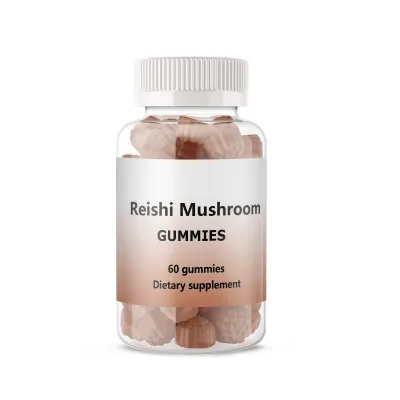
Customized Free Sugar Gummies Supplements Organic Reishi Mushroom Gummies
$1.40 - $2.50
MOQ: 500 pieces


Comprehensive Sourcing Guide
Sugar-Free Vegan Magnesium Gummies Sourcing Guide
Procurement teams must first distinguish between gelatin-based and pectin-based formulations when sourcing sugar-free vegan magnesium gummies, as the material choice directly impacts texture and dietary compliance. The observed product data confirms that pectin is a verified material option for these gummies, offering a plant-based alternative suitable for strict vegan and vegetarian markets. Buyers should explicitly request material declarations to ensure no animal-derived gelatin is present, as some listings indicate "Gelatin/Pectin Available," which creates ambiguity if not clarified in the purchase order.
Beyond the base ingredient, the sugar-free attribute requires rigorous verification of the sweetening agents used, such as erythritol or stevia, to ensure they align with the specific health claims and regulatory requirements of the target market. The observed listings highlight features like "Sugar-Free" and "Vitamins," suggesting a focus on functional nutrition, yet the exact formulation of the magnesium source and the absence of added sugars must be confirmed through batch-specific analysis. This distinction is critical for brands targeting health-conscious consumers who scrutinize ingredient labels for hidden caloric or glycemic impacts.
Product Scope and Observed Listing Signals
The market for these supplements displays a wide range of product configurations, from standard 60-capsule formats to specialized gummy shapes like bears, drops, and heart forms. Observed data indicates that customization is a standard capability, allowing buyers to tailor flavors such as lemon, blueberry, or orange, and to select specific shapes that resonate with their brand identity. This flexibility extends to packaging, with options ranging from individual bottles to bulk bags and cartons, enabling suppliers to meet diverse distribution needs from retail shelves to wholesale channels.
Buyers should note that while many listings offer "in-stock" availability with rapid delivery times of 1-3 days, others specify longer lead times of 20-30 days for custom orders. This variance suggests that immediate procurement is possible for standard SKUs, but personalized formulations involving specific magnesium blends or unique flavor profiles may require a production cycle. Understanding this distinction helps procurement teams manage inventory levels and launch timelines effectively, ensuring that stock decisions align with the actual production capabilities of the selected supplier.
Technical Specifications to Verify
Technical due diligence must focus on the precise magnesium content per serving and the bioavailability of the mineral source used in the gummy matrix. While the observed specifications mention "Active Ingredients: Vitamins, Minerals," the exact dosage of magnesium and the type of compound, such as magnesium citrate or glycinate, are not universally standardized in the provided data. Buyers must request detailed nutritional facts sheets to confirm that the product delivers the intended therapeutic dose without exceeding safe upper limits, particularly for adult and pediatric populations.
The physical properties of the gummy, including texture, coating, and shelf stability, are equally critical for product performance and consumer satisfaction. The data notes an "Oil Coating" process and a "Shelf Life" of 24 months, which are key indicators of quality control in the manufacturing process. Procurement teams should verify that the coating method prevents stickiness and ensures uniform distribution of the active ingredients, while also confirming that the storage conditions required to maintain the 24-month shelf life are feasible for the intended supply chain logistics.
Compliance and Safety Documentation
Regulatory compliance is paramount, and the observed certifications such as GMP, ISO, and HACCP provide a baseline for manufacturing quality and food safety management systems. These certifications indicate that the facility adheres to recognized standards for hygiene and production control, which is essential for importing health supplements into regulated markets like the US, EU, or Asia. However, buyers must verify that these certifications are current and specifically cover the production lines used for the sugar-free vegan magnesium gummies, as certifications can sometimes be facility-wide rather than product-specific.
For markets with strict dietary labeling laws, additional documentation such as Kosher certification or specific allergen statements may be required to ensure full market access. The observed data includes "KOSHER" as a potential certification, which is a significant differentiator for certain consumer segments. Procurement teams should mandate that suppliers provide valid certificates of analysis (COA) and proof of certification for every batch, ensuring that the product meets all local regulatory requirements regarding ingredient safety, labeling accuracy, and manufacturing practices before shipment.
Cost Drivers and Commercial Terms
Pricing for sugar-free vegan magnesium gummies is influenced by the complexity of the formulation, the choice of sweeteners, and the scale of the order, with observed minimum order quantities (MOQ) ranging from 50 to 100,000 units. The wide MOQ range suggests that suppliers are willing to accommodate both small startups and large enterprises, but the unit cost will likely decrease significantly as order volume increases. Buyers should negotiate based on their specific volume requirements, understanding that lower MOQs may carry a premium price per unit due to the setup costs for custom molds and formulations.
Payment terms and delivery logistics also play a crucial role in the total cost of ownership, with observed options including TT, Bank transfers, Alipay, and WeChat. The lead time variability, ranging from 1-3 days for stock items to 20-30 days for custom production, directly impacts cash flow and inventory planning. Procurement teams must factor in these timelines when calculating the total landed cost, ensuring that payment schedules align with production milestones and that shipping arrangements are optimized to minimize delays and storage expenses.
Supplier Qualification and Quality Control
Supplier qualification should extend beyond basic certification checks to include a thorough assessment of their R&D capabilities and customization flexibility. The observed data confirms that OEM and ODM services are acceptable, and that logo printing and flavor customization are available, indicating a supplier's ability to adapt to brand-specific needs. Buyers should evaluate the supplier's track record in handling complex formulations, particularly those involving vegan ingredients and sugar-free sweeteners, to ensure they can consistently deliver high-quality products that meet strict brand standards.
Quality control protocols must be clearly defined in the contract, including requirements for third-party testing and batch release procedures. Given the health supplement nature of the product, buyers should insist on regular quality audits and the ability to conduct pre-shipment inspections. The supplier's willingness to provide samples and their responsiveness to quality inquiries are strong indicators of their reliability. Establishing a robust quality assurance framework ensures that the final product maintains its integrity from the manufacturing floor to the consumer's hands.
Long-Term Procurement Checks
Sustaining a successful supply chain relationship requires regular performance reviews and continuous monitoring of product consistency over time. Buyers should establish key performance indicators (KPIs) related to on-time delivery, defect rates, and responsiveness to quality issues, ensuring that the supplier maintains the high standards observed during the initial qualification phase. Regular audits and feedback loops help identify potential areas for improvement and prevent minor issues from escalating into major supply chain disruptions.
As market trends evolve, the procurement strategy must remain flexible to accommodate changes in consumer preferences and regulatory landscapes. The ability of the supplier to innovate with new flavors, shapes, or functional ingredients is a valuable asset for long-term growth. Buyers should maintain open communication channels with their suppliers to stay informed about new developments in the sugar-free and vegan supplement sectors, ensuring that their product offerings remain competitive and aligned with the latest health and wellness trends.
FAQs
Can I customize the shape and flavor of Sugar-Free Vegan Magnesium Gummies?
Yes, customization is available for both shape and flavor. You can choose from options like bear, heart, or drop shapes, and select flavors such as lemon, orange, or mango. The manufacturer accepts OEM and ODM requests, allowing you to tailor the product to your specific brand requirements and target audience preferences.
What certifications do the Sugar-Free Vegan Magnesium Gummies have?
The products hold GMP, ISO, and HACCP certifications. Some variants also feature KOSHER certification. These credentials ensure that the manufacturing processes meet international quality and safety standards. This compliance is essential for B2B buyers who need to verify regulatory adherence for their specific regional markets and distribution channels.
What is the minimum order quantity for these magnesium gummies?
The minimum order quantity ranges from 50 to 100,000 units depending on the specific product model. Some listings indicate a MOQ of 10 bottles, while others may require higher volumes. Buyers should confirm the exact MOQ with the supplier based on their chosen packaging format, whether it is bottle, sachet, or bulk.
How long is the delivery time for bulk orders?
Delivery times vary between 1-3 days for stock items and 20-30 days for customized or bulk production runs. The manufacturer maintains stock for certain models, enabling faster turnaround. For OEM orders requiring specific packaging or formulations, the lead time extends to accommodate the manufacturing and quality control processes.
Are the gummies suitable for children and adults?
Yes, the adaptation population includes both adults and kids. The products are designed as unisex food supplements suitable for various age groups. Specific models like Vitamin C gummies are explicitly noted for children, while others target adults. This versatility allows buyers to source a single product line for diverse consumer demographics.
What packaging options are available for the magnesium gummies?
Packaging options include bottles, sachets, bags, and bulk formats. Standard packaging details often list 60 pieces per bottle and 24 bottles per carton. The manufacturer also offers carton packaging for shipping. Buyers can select the packaging type that best fits their retail strategy, whether for individual sale or wholesale distribution.