Source Super Absorbent Potassium Polyacrylate for Agriculture
Find and compare 30 listings for Super Absorbent Potassium Polyacrylate suitable for agriculture, forestry, and soil improvement. Evaluate specifications including absorption capacity, purity, and packaging options to identify the right supplier for your bulk needs.
Key considerations
Products List


Agricultural Chemical Super Absorbent Resin Polymer Sodium Potassium Polyacrylate
$2600.00 - $2680.00
MOQ: 1 Tons

Super Absorbent Polymer Sap Potassium Polyacrylate for Indoor Potted Plant Care
$2580.00 - $2680.00
MOQ: 1 Tons




Comprehensive Sourcing Guide
Super Absorbent Potassium Polyacrylate Sourcing Guide
Procuring Super Absorbent Potassium Polyacrylate requires a disciplined approach to verifying chemical composition, physical form, and intended application grade. This material, often identified by its CAS number 25608-12-2 and EINECS number 232-475-7, serves as a critical component in agricultural and forestry moisture management systems. Buyers must distinguish between generic synthetic resin classifications and specialized hydrogel formulations designed for soil amendment. The core value proposition lies in the polymer’s ability to absorb and retain significant volumes of water, releasing it slowly to plant roots while improving soil structure over a service life of three to five years.
Sourcing decisions should be driven by the specific functional requirements of the end-use environment, whether for agriculture grade or forestry grade applications. The observed market offers variations in appearance, ranging from fine powders to distinct granules, each with different handling and dispersion characteristics. Buyers must align their procurement specifications with the molecular principal chain type, noting that some listings describe an element organic polymer structure while others specify a carbon chain polymer. This distinction impacts the chemical neutrality and long-term stability of the product in varying soil pH conditions, typically observed between 6.0 and 7.5.
Product Scope and Observed Listing Signals
The current market landscape for Super Absorbent Potassium Polyacrylate presents a wide spectrum of product models and physical attributes. Listings frequently identify the product under various names, including sap, super absorbent polymer, and water retaining agent, which can complicate direct comparison. Buyers should expect to encounter models such as RH AGR, RH 200-900, SAP-K, and the LD series, each potentially tailored to different absorption capacities or release rates. The observed price range spans from low-cost entry points to premium specialized grades, reflecting differences in purity levels, which are often cited as 99.98% or 100%, and the complexity of the manufacturing process.
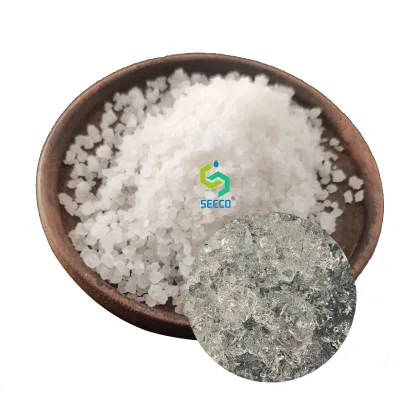
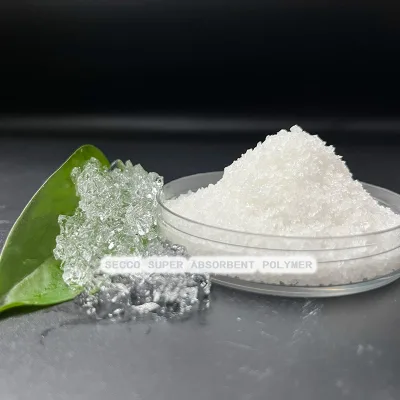
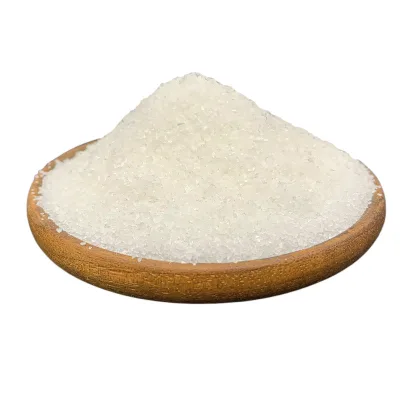
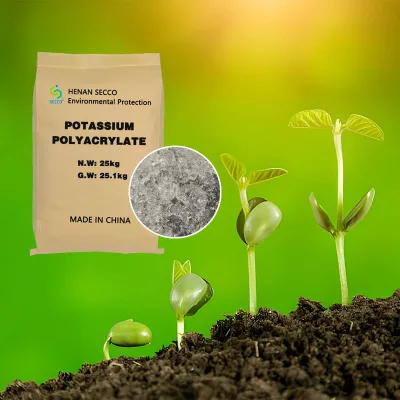
Physical presentation is a key differentiator, with suppliers offering the material in powder, granule, or granular forms. Packing options vary significantly, with standard 25kg bags being common, alongside paper bags, PP bags, or custom packaging requests. The absorption capacity is a critical performance indicator, with observed ranges extending from 320 to 620, though buyers must verify if these figures refer to water absorption under specific pressure or free swelling conditions. The material is generally described as non-toxic, harmless, and non-polluting, positioning it as an eco-friendly polymer solution for sustainable agriculture, but these claims require validation against local environmental regulations.
Technical Specifications to Verify
Verification of the molecular formula and structural integrity is essential to ensure the polymer performs as expected in soil environments. The chemical formula (C3H6O2)n.(C3H5KO2)m indicates a copolymer structure that balances hydrophilic groups for water retention with cross-linking for structural stability. Buyers must confirm whether the product is a synthetic resin and plastics category item or a specialized agricultural hydrogel, as this affects regulatory handling and end-use compatibility. The pH stability of the product, typically maintained between 6.0 and 7.5, ensures that it does not alter soil acidity significantly, which is crucial for maintaining crop health and nutrient availability.
Absorption efficiency and release kinetics are the primary technical metrics that define the utility of potassium polyacrylate in farming and forestry. The product’s advantage lies in its slow water release mechanism, which reduces irrigation frequency and enhances fertilizer efficiency by keeping nutrients within the root zone. Buyers should request detailed test data on absorption capacity under load, as this determines the polymer’s effectiveness in preventing waterlogging while maintaining moisture during dry spells. The long service life of three to five years suggests that the polymer degrades slowly, but buyers must verify the degradation products to ensure they do not accumulate as microplastics or harmful residues in the soil.
Compliance and Safety Documentation
Safety and regulatory compliance are non-negotiable aspects of sourcing chemical polymers for environmental application. Suppliers typically provide certifications such as ISO, TUV, and MSDS (Material Safety Data Sheet) to demonstrate adherence to international quality and safety standards. The MSDS is particularly critical for handling, storage, and emergency response procedures, outlining the chemical neutral nature of the product and its non-toxic profile. Buyers must ensure that the provided documentation is current and matches the specific batch or model number being procured, as variations in manufacturing processes can alter safety data.
Environmental certifications and eco-friendly claims require careful scrutiny to avoid greenwashing. While the product is marketed as an eco-friendly polymer, buyers should verify if there are specific biodegradability certifications or environmental impact assessments available. The absence of toxic substances is a key selling point, but this must be backed by laboratory test results rather than just supplier assertions. Additionally, buyers should check for any regional restrictions or approvals required for importing agricultural chemicals, ensuring that the product meets the specific regulatory framework of the destination country.
Cost Drivers and Commercial Terms
The cost of Super Absorbent Potassium Polyacrylate is influenced by several factors, including purity, absorption capacity, and packaging requirements. Higher purity levels, such as 99.98% or 100%, typically command a premium price due to the more rigorous purification processes involved. The physical form also affects cost, with granular forms often being more expensive than powders due to additional processing steps. Buyers should consider the total cost of ownership, including shipping and handling, as the product is often sourced from China, with origins in regions like Henan and Anhui, which may impact logistics costs and lead times.
Commercial terms such as MOQ (Minimum Order Quantity) and sample availability play a significant role in the procurement strategy. Observed MOQs range from 1 to 800 units, offering flexibility for both small-scale testing and large-scale industrial purchases. Many suppliers offer free samples for testing, allowing buyers to evaluate the product’s performance before committing to a larger order. Payment terms and delivery schedules should be clearly defined in the contract, with attention to any potential delays due to raw material shortages or production bottlenecks. Buyers should also negotiate for bulk discounts if the procurement volume justifies it, leveraging the competitive nature of the market to secure better pricing.
Supplier Qualification and Quality Control
Supplier qualification is a critical step in ensuring the reliability and consistency of the Super Absorbent Potassium Polyacrylate supply. Buyers should verify the supplier’s manufacturing capabilities, including their production capacity and quality control processes. The presence of ISO certification is a good indicator of a structured quality management system, but buyers should also inquire about internal testing protocols for each batch. Suppliers that offer customization services may have more flexible production lines, but this should not come at the expense of quality consistency.
Quality control measures should include regular audits of the supplier’s facilities and review of their batch-to-batch consistency. Buyers should request certificates of analysis (COA) for each shipment to verify that the product meets the specified purity, absorption capacity, and physical properties. The ability to provide traceability from raw material sourcing to finished product is a strong indicator of a reputable supplier. Additionally, buyers should assess the supplier’s responsiveness to technical queries and their willingness to collaborate on product development or customization, which can be valuable for long-term partnerships.
Long-Term Procurement Checks
Long-term procurement success depends on continuous monitoring of product performance and supplier reliability. Buyers should establish a feedback loop with end-users, such as farmers or forestry managers, to gather data on the product’s effectiveness in real-world conditions. This field data can inform future purchasing decisions and help identify any issues with product degradation or performance drift over time. Regular reviews of supplier performance, including delivery times, product quality, and customer service, are essential for maintaining a robust supply chain.
As regulations and environmental standards evolve, buyers must stay informed about any changes that may impact the use or import of super absorbent polymers. This includes monitoring for new restrictions on microplastics or changes in agricultural chemical regulations. Building a diversified supplier base can mitigate risks associated with single-source dependencies, ensuring continuity of supply even if one supplier faces production or logistical challenges. Finally, buyers should consider the environmental impact of the product’s end-of-life, exploring options for responsible disposal or recycling if the polymer does not fully biodegrade within its intended service life.
FAQs
What is the purity level of Super Absorbent Potassium Polyacrylate?
The product purity is 99.98% or 100% depending on the specific model. This high purity ensures the material is non-toxic and harmless for agricultural applications while maintaining exceptional water absorption capabilities.
How is the product packed for shipment?
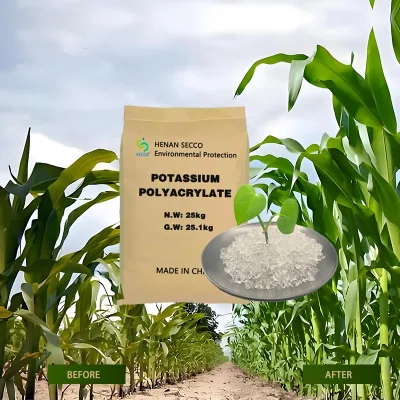
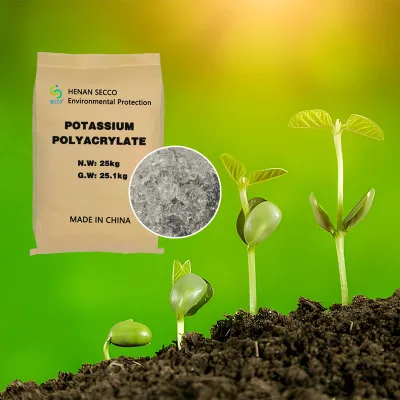
The product is typically packed in 25kg bags, paper bags, or PP bags. Customized packaging is available according to customer requests to ensure safe transport and storage of the granular or powder form.
Can I get a free sample for testing before bulk order?
Yes, a free sample is available for testing purposes. This allows buyers to verify the absorption capacity and physical properties before committing to a larger purchase order from the manufacturer.
What certifications does the manufacturer hold for this product?
The product holds ISO, TUV, and MSDS certifications. These documents verify that the chemical meets international safety and quality standards for use in agriculture and forestry sectors globally.
Which specifications are available for agricultural use?
Available models include RH AGR, RH 200-900, and SAP-K designed for agriculture and forestry. These specifications ensure the polymer effectively retains water and improves soil structure for plant growth.
What is the expected service life of the water retaining agent?
The product offers a long service life of 3 to 5 years. This durability ensures sustained water retention and fertilizer efficiency in the soil without frequent reapplication by the farmer.