Source Super Absorbent Cotton Sanitary Pad for Daily, Night, and External Use
Find and compare 30 listings for Super Absorbent Cotton Sanitary Pad options tailored for day and night use. Evaluate features like winged designs, breathable PE films, and OEM customization to match your specific hygiene product requirements.
Key considerations
Products List


Super Absorbent Cotton Disposable Napkin Towel Pad Premium Sanitary Pads
$0.02 - $0.03
MOQ: 10000 Pieces

Super Absorbent Ultra Thin Organic Cotton Sanitary Pads Woman Pad Sanitary Napkin
$0.02 - $0.03
MOQ: 100000 Pieces


OEM Non Woven Sanitary Pad Super Absorbency Breathable Sanitary Towel Napkin
$0.02 - $0.03
MOQ: 100000 Pieces
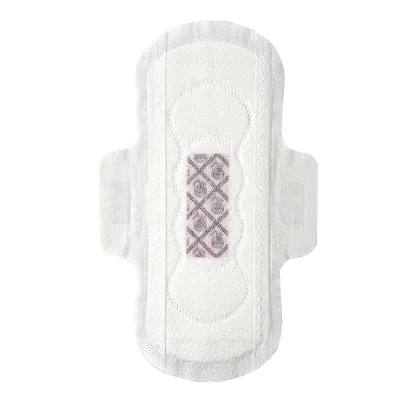


Comprehensive Sourcing Guide
Super Absorbent Cotton Sanitary Pad Sourcing Guide
The global market for super absorbent cotton sanitary pads is defined by a convergence of material innovation and consumer demand for comfort, with suppliers primarily originating from manufacturing hubs in China. Procurement strategies must account for the specific material composition observed in listings, where non-woven backsheets and cotton cores are standard, often paired with breathable PE film to ensure user comfort during extended wear. Buyers should recognize that while the core keyword emphasizes cotton, the actual product construction frequently involves a blend of non-woven materials for the outer layers, with cotton specifically utilized in the absorbent core or top sheet to enhance skin feel and reduce irritation.
Sourcing decisions for this category require a nuanced understanding of the diverse product variations available, ranging from ultra-thin designs to regular types with side-gather features. The observed market signals indicate a strong emphasis on customization, with suppliers offering OEM and ODM services to tailor product dimensions, packaging, and branding to specific regional needs. Buyers must navigate a landscape where product attributes such as winged shapes, specific lengths between 150mm and 400mm, and varying absorbency levels are standard, necessitating a clear definition of requirements before engaging with potential vendors to ensure the selected product aligns with the intended usage profile, whether for day or night.
Product Scope and Observed Listing Signals
The product scope for super absorbent cotton sanitary pads encompasses a wide array of configurations designed to meet varying flow needs and user preferences, with observed listings highlighting distinct features like fan-shapes, odor control, and side-gather wings. Buyers should note that the market offers products with and without flavor, as well as variations in color, including pink and white options, which often serve as differentiators in competitive markets. The presence of specific attributes such as "super absorbent" and "breathable" in product descriptions indicates a focus on performance, yet these claims must be validated against the actual material specifications provided by the supplier, as the term "cotton" may refer to the core material rather than the entire pad composition.
Listing signals reveal a significant degree of customization availability, with suppliers frequently offering samples freely to facilitate product evaluation before bulk commitment. The observed data suggests that packaging formats vary from individual polybags to cartons containing 48 bags, with some suppliers offering box or OPP bag options to suit different retail or distribution channels. Procurement teams must carefully review the listed product models, such as JC245 or generic OEM designations, to understand the specific configuration being offered, as these identifiers often correlate with distinct absorbency ratings, such as the 100ml capacity noted in some listings, and specific length ranges that dictate the product's suitability for different usage scenarios.
Technical Specifications to Verify
Verification of technical specifications is critical when sourcing super absorbent cotton sanitary pads, particularly regarding the core material and absorbency capacity which directly impact product performance. Buyers should confirm whether the cotton core is paired with high-quality SAP (Super Absorbent Polymer) from reputable sources, such as Japan Sumitimo, to ensure the claimed super absorbent properties are met. The length of the pad is another vital specification, with observed ranges spanning from 150mm to 400mm, requiring buyers to select dimensions that match the target demographic's needs, whether for regular day use or extended night protection, while also verifying the top sheet material to ensure it is indeed cotton or a cotton-blend for optimal skin contact.
The structural design and physical attributes of the pad must be scrutinized to ensure they align with the intended application, including the shape, folding method, and the presence of wings for secure placement. Specifications such as the backsheet material, typically a breathable PE film, are essential for maintaining hygiene and preventing leaks, while the overall type, whether ultra-thin or regular, influences the user experience and discretion. Buyers should also verify the standard packaging configurations, such as 10 pieces per bag or 48 bags per carton, to ensure logistical compatibility with their distribution channels, and confirm that the product is designed for external use on adults, as these parameters define the functional boundaries of the supply.
Compliance and Safety Documentation
Compliance and safety documentation form the backbone of a reliable procurement strategy, with ISO certification being a frequently observed standard among suppliers in this sector. While specific certifications like GOTS or ISO9001:2015 are mentioned in background contexts, buyers must request and verify current, valid certificates directly from the supplier to ensure the manufacturing facility adheres to recognized quality management systems. The presence of an ISO certificate suggests a baseline level of operational discipline, but it does not automatically guarantee that every batch of sanitary pads meets specific safety thresholds, necessitating a request for batch-specific test reports that validate the product's safety and material integrity.
Safety verification extends beyond general certifications to include specific material safety data and the absence of harmful substances, which is particularly important for products in direct contact with sensitive skin. Buyers should ensure that the supplier can provide documentation confirming the use of safe adhesives, breathable materials, and non-toxic SAPs, especially given the "super absorbent" and "cotton" claims that imply a focus on user health. The warranty period of three years observed in some listings is an unusual metric for disposable hygiene products and should be treated with caution, requiring clarification on what specific aspect of the product or service this warranty covers, as it may refer to the durability of the packaging or the supplier's service commitment rather than the product's shelf life.
Cost Drivers and Commercial Terms
Cost drivers in the Super Absorbent Cotton Sanitary Pad market are heavily influenced by material selection, customization levels, and the complexity of the supply chain, with prices observed in the range of $0.01 to $0.69 per unit. The use of premium materials such as cotton cores and Japanese SAPs typically commands a higher price point compared to standard non-woven alternatives, while the extent of customization, including unique shapes, colors, and packaging designs, adds further cost variables. Buyers must analyze the trade-off between unit price and the value added by features like odor control, side-gather wings, and eco-friendly claims, ensuring that the selected product offers a competitive advantage in their target market without compromising on essential quality standards.
Commercial terms and payment structures are equally critical, with observed terms often requiring a 30% deposit followed by a 70% balance upon completion or shipment. The minimum order quantity (MOQ) is a significant factor, with ranges observed from 1,000 to 500,000 units, meaning that smaller buyers may face higher per-unit costs or need to consolidate orders to meet supplier thresholds. Lead times are typically around 30 days, which buyers must factor into their inventory planning and supply chain scheduling, and the availability of free samples should be leveraged to validate the product before committing to large-scale orders, thereby mitigating the financial risk associated with high MOQs and long lead times.
Supplier Qualification and Quality Control
Supplier qualification for super absorbent cotton sanitary pads requires a rigorous assessment of manufacturing capabilities, with a focus on facilities located in key production regions such as Fujian and Quanzhou in China. Buyers should verify the supplier's capacity to handle the observed order volumes and their ability to maintain consistent quality across large production runs, as the market is characterized by a high number of suppliers offering similar products with varying degrees of reliability. The presence of OEM and ODM services indicates that the supplier has the flexibility to adapt to specific buyer requirements, but this capability must be backed by a proven track record of delivering customized products that meet strict technical and safety specifications.
Quality control processes must be transparent and robust, with suppliers expected to implement strict in-line inspections and final product testing to ensure consistency. Buyers should inquire about the supplier's internal quality assurance protocols, including how they manage the variability inherent in natural materials like cotton and how they ensure the uniformity of the super absorbent core. The observation of specific product standards, such as 290 or 10 pieces per bag, suggests that suppliers have established internal benchmarks, but external validation through third-party testing or on-site audits is recommended to confirm that these standards are consistently met and that the final product matches the samples provided.
Long-Term Procurement Checks
Long-term procurement checks for super absorbent cotton sanitary pads involve establishing a framework for continuous performance monitoring and relationship management with suppliers. Buyers should implement regular review cycles to assess the supplier's ability to maintain quality, adhere to lead times, and respond to market changes, ensuring that the partnership remains viable as product requirements evolve. The initial sample evaluation and subsequent bulk order performance should be tracked against key performance indicators, such as defect rates, delivery punctuality, and customer feedback, to identify any potential issues early and mitigate risks associated with supply chain disruptions.
Sustainability and adaptability are becoming increasingly important in long-term procurement strategies, with buyers needing to monitor the supplier's commitment to eco-friendly practices and their ability to innovate in response to shifting consumer preferences. The observed trend toward eco-friendly features and the availability of customized solutions suggest that the market is dynamic, requiring buyers to maintain a flexible approach to their sourcing strategy. Regular communication with the supplier regarding future product developments, material availability, and potential regulatory changes will help ensure that the procurement of super absorbent cotton sanitary pads remains aligned with the buyer's strategic goals and market demands over the long term.
FAQs
What materials are used for the core and top sheet?
The product features a cotton core and a cotton top sheet for comfort. Some variants also include a breathable PE film backsheet to ensure dryness during use.
Can I request custom designs and packaging for this pad?
Yes, customization is available for this sanitary pad product. Buyers can request specific patterns, colors, and packaging options like bags or cartons to meet brand needs.
What is the lead time for orders of these pads?
The standard lead time for production is 30 days. This duration applies to orders meeting the minimum quantity requirements and specifications provided by the supplier.
Which certifications does the manufacturer hold for these pads?
The product is certified under ISO standards. This certification ensures that the manufacturing process meets specific quality and safety requirements for disposable hygiene products.
How much is the minimum order quantity for these pads?
The minimum order quantity ranges from 1000 to 500000 units depending on the specific product configuration. Buyers should confirm the exact MOQ based on their selected model and customization needs.
What are the available lengths for these sanitary pads?
Available lengths range from 150mm to 400mm to suit different flow needs. Specific models offer lengths like 260mm to 400mm for night use or 150mm to 250mm for day use.
Are samples available for testing before placing a large order?
Samples are freely offered to potential buyers for evaluation. This allows clients to verify the quality, absorbency, and material composition before committing to a bulk purchase.