Source Supercharged Four-Stroke Marine Diesel Engine for Ships, Boats, and Yachts
Find 30 Supercharged Four-Stroke Marine Diesel Engine options from verified Chinese suppliers. Compare models like NTA855 and KTA19 with varying cylinder counts and cooling types to match your marine vessel requirements.
Key considerations
Products List


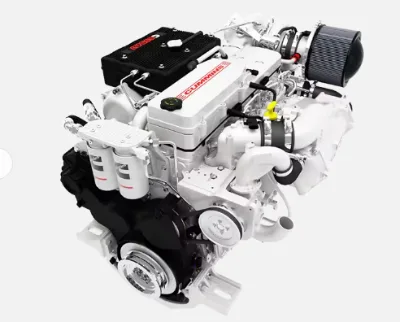

Marine Engine 6 Cylinder in-Line Supercharged Diesel Engine Inboard Engine
$6800.00 - $9800.00
MOQ: 1 Pieces


Powerful Marine Diesel Engine with High Performance and Reliability Features
$18000.00 - $20000.00
MOQ: 1 Pieces

Advanced Marine Diesel Engine Diesel Marine Engine Supporting Biofuel and Diesel
$26000.00 - $28000.00
MOQ: 20 GP

High Quality Efficient Diesel Marine Engine Advanced Marine Diesel Engine
$26000.00 - $28000.00
MOQ: 20 GP


Comprehensive Sourcing Guide
Strategic Sourcing Guide for Supercharged Four-Stroke Marine Diesel Engines
Understanding the Technical Architecture of Marine Diesel Power Units
The procurement of a supercharged four-stroke marine diesel engine requires a precise understanding of the underlying mechanical architecture and combustion characteristics. Based on the available product data, the target category encompasses engines that utilize a compression-ignition mode, distinguishing them from spark-ignition units. These units are fundamentally designed with a reciprocating piston movement, where the intake pressure impulse is explicitly identified as supercharged in specific configurations, though naturally aspirated variants also exist within the broader market spectrum. The cylinder arrangement often follows an "L" form, a configuration that can offer specific advantages in space utilization for inboard marine installations.
The combustion process in these engines is characterized by direct injection, a method that enhances fuel efficiency and power density. The aspiration system is a critical differentiator; while the core keyword specifies "supercharged," the observed data indicates a mix of turbocharged and naturally aspirated options. Buyers must verify the specific aspiration method for their intended application, as supercharging and turbocharging, while related, involve distinct mechanical implementations. The engine capacity for these units is typically observed to be greater than 6 liters, suggesting they are designed for medium to heavy-duty marine applications rather than small recreational craft. The fuel type is consistently diesel, aligning with the compression-ignition requirement.
The physical configuration of the engine block is often vertical with in-liner construction, a design choice that facilitates maintenance and cylinder replacement. The number of cylinders varies, with specific models noted as four-cylinder units, while others in the product range may support different configurations. The speed characteristics are diverse, with calibration speeds ranging from 1500rpm to 3000rpm, covering both low-speed and high-speed operational profiles. This variability allows buyers to select an engine that matches the specific RPM requirements of their marine vessel's propulsion system or auxiliary power needs. The ignition mode is primarily compression-ignition, though some entries note electric ignition systems, likely referring to the starting mechanism rather than the combustion cycle itself.
Compliance Standards and Certification Verification
Navigating the regulatory landscape is essential for marine equipment procurement, particularly when sourcing from international origins. The supplied product information indicates that manufacturers in this sector often adhere to ISO standards, with some listings explicitly mentioning CE certification. These certifications are critical indicators of a manufacturer's commitment to quality management and safety compliance. The ISO standard mentioned in the data serves as a baseline for quality assurance, while CE marking suggests conformity with health, safety, and environmental protection standards for products sold within the European Economic Area, which is often a proxy for global quality expectations.
When evaluating suppliers, buyers should verify the specific standard codes associated with the engine model. The data references a standard dimension of 2453x1235x1951mm and another of 950750980, which likely represent packaging or footprint specifications rather than performance standards. It is crucial to distinguish between physical dimensions and regulatory standards. Buyers must request documentation confirming that the engine meets the specific marine classification society requirements for the vessel's flag state and intended operational area. The presence of "iso" and "CE" in the product attributes suggests a baseline level of compliance, but specific marine certifications, such as those from ABS, DNV, or Lloyd's Register, are not explicitly confirmed in the provided text and must be independently verified.
The origin of the products is noted as China, with specific mentions of Shandong Weifang as a production hub. This geographical context is important for understanding the supply chain dynamics and the typical manufacturing capabilities of the region. Buyers should ensure that the supplier can provide valid certificates of origin and that the products have undergone the necessary testing protocols required for marine environments. The condition of the engines is listed as "New," which simplifies the initial quality assessment but does not replace the need for a thorough inspection of the manufacturing records and test reports.
Cost Drivers and Pricing Dynamics in the Market
The pricing structure for supercharged four-stroke marine diesel engines is influenced by a complex interplay of factors, including engine capacity, model complexity, and customization options. The observed price range in the market spans from 760 USD to 28,000 USD, a significant variance that reflects the diversity of the product portfolio. Lower-priced units likely correspond to smaller displacement engines or basic configurations, while the upper end of the range suggests high-performance models with advanced features, larger capacities, or specialized marine-grade components.
The minimum order quantity (MOQ) for these engines ranges from 1 to 20 units, offering flexibility for both individual vessel owners and commercial fleet operators. This range indicates that suppliers are willing to accommodate single-unit purchases, which is beneficial for small-scale procurement, while also supporting bulk orders for larger projects. The cost is further driven by the customization availability; the product data confirms that customization is available, which can impact the final price depending on the extent of the modifications required. Customization may include specific mounting configurations, exhaust systems, or integration with existing vessel electrical systems.
Additional cost factors include the packaging requirements. The data lists various packaging types, including plywood packages, original packing, wooden packages, and wooden cases. While these are primarily for protection during transit, the choice of packaging can influence shipping costs and insurance premiums. Furthermore, the weight of the engines, observed in the data as 230kg and 260kg for certain models, affects freight logistics. Heavier engines may require specialized handling equipment and incur higher shipping fees. Buyers should consider the total landed cost, including freight, insurance, and customs duties, rather than focusing solely on the unit price.
Typical Applications and Operational Environments
The primary application for these engines is in the marine sector, as explicitly stated in the product attributes. The "Use Place" is identified as Marine, and the engine position is noted as inboard, which is the standard configuration for most commercial and recreational vessels. The engines are designed to handle the demanding conditions of marine environments, including exposure to saltwater, humidity, and constant vibration. The fuel type, diesel, and the direct injection combustion system make these units suitable for a wide range of marine duties, from propulsion to auxiliary power generation.
The specific models mentioned, such as the NTA855, KTA19, KTA38, 4BT, 6BT, 6CT, and ZH490C, suggest a broad spectrum of applications. The NTA and KTA series are often associated with heavy-duty applications, while the 4BT and 6BT series are commonly used in smaller to medium-sized vessels. The W series and 6CTA8.3-M models indicate further specialization, potentially for specific vessel types or power requirements. The calibration speeds of 1500rpm to 3000rpm allow these engines to be used in various propulsion systems, including direct drive, reduction gear, or generator sets.
The "Marine Parts" attribute, listing "Engine/Motor," suggests that these units may be sold as complete power packs or as components for larger marine systems. The electric motor type mentioned in the data may refer to the starting system or auxiliary power units integrated with the diesel engine. Buyers should assess the specific operational profile of their vessel to determine the most suitable engine model. Factors such as the vessel's size, intended speed, and duty cycle will influence the choice between low-speed and high-speed calibration options.
Supplier Evaluation and Product Selection Criteria
Selecting the right supplier for marine diesel engines requires a rigorous evaluation process that goes beyond the basic product specifications. The data indicates that the brand "Scdc" is associated with some of the products, but buyers should not rely solely on brand recognition. Instead, they should focus on the supplier's ability to provide technical support, warranty coverage, and after-sales service. The availability of customization is a key differentiator, and suppliers who offer flexible customization options are better positioned to meet the unique needs of marine applications.
The origin of the products, specifically China and Shandong Weifang, provides insight into the manufacturing base. Buyers should verify the supplier's relationship with the manufacturing facility to ensure direct access to the production line and quality control processes. The condition of the engines being "New" is a positive indicator, but buyers should request detailed inspection reports and test data to confirm the quality of the units. The packaging standards, including wooden cases and plywood packages, should be evaluated to ensure they meet the requirements for long-distance shipping and storage.
When comparing suppliers, buyers should look for those who can provide comprehensive documentation, including technical manuals, installation guides, and maintenance schedules. The presence of ISO and CE certifications is a positive sign, but buyers should verify the validity and scope of these certifications. The MOQ range of 1 to 20 units suggests that suppliers are flexible, but buyers should negotiate terms that align with their procurement strategy. The price range of 760 to 28,000 USD indicates a wide market, and buyers should seek quotes that offer the best value for their specific requirements, considering the total cost of ownership rather than just the initial purchase price.
Quality Control and Long-Term Procurement Considerations
Ensuring the quality of marine diesel engines is paramount for the safety and reliability of marine vessels. The product data highlights several quality indicators, such as the "New" condition, specific packaging standards, and adherence to ISO and CE standards. However, buyers must implement their own quality control measures to verify these claims. This includes requesting third-party inspection reports, conducting pre-shipment inspections, and verifying the engine's performance through load testing.
The long-term procurement considerations for marine diesel engines involve planning for maintenance, spare parts availability, and lifecycle management. The engine models listed, such as the NTA855 and KTA38, are well-known in the industry, which suggests a robust supply chain for spare parts. Buyers should ensure that the supplier has a reliable inventory of critical components and can provide timely support for repairs and maintenance. The calibration speeds and cylinder configurations should be matched with the vessel's operational requirements to minimize wear and tear.
The weight of the engines, ranging from 230kg to 260kg, and the packaging requirements must be factored into the logistics plan. Proper packaging is essential to prevent damage during transit, and buyers should verify that the supplier uses appropriate materials and methods. The lead time and delivery terms should be clearly defined in the procurement contract to avoid delays. Buyers should also consider the environmental impact of the engines, ensuring they meet the latest emission standards and fuel efficiency requirements.
In conclusion, sourcing a supercharged four-stroke marine diesel engine requires a comprehensive approach that balances technical specifications, regulatory compliance, cost considerations, and supplier reliability. By carefully evaluating the available data and conducting thorough due diligence, buyers can make informed decisions that ensure the long-term success and safety of their marine operations. The diversity of the product range, from the NTA855 to the ZH490C, offers numerous options for different applications, but the key to successful procurement lies in matching the engine's capabilities with the specific needs of the vessel and the operational environment.
FAQs
What ignition mode do these marine diesel engines use?
These engines primarily use compression-ignition mode, distinguishing them from spark-ignition units. Some listings also note electric ignition systems, which likely refer to the starting mechanism rather than the combustion cycle itself.
Which cylinder arrangements are available for these engines?
The cylinder arrangement often follows an L form, which offers specific advantages in space utilization for inboard marine installations. Specific models are also noted as having four-cylinder configurations.
Can buyers request customization for these marine engines?
Yes, customization is available for these engines to meet specific vessel requirements. Buyers should discuss modifications such as mounting configurations or exhaust systems with the supplier to determine the impact on the final price.
What packaging types are used for shipping these engines?
The engines are shipped in various packaging types including plywood packages, original packing, wooden packages, and wooden cases. These choices are primarily for protection during transit but can influence shipping costs.
Which certifications do these engines typically adhere to?
Manufacturers often adhere to ISO standards, with some listings explicitly mentioning CE certification. These certifications indicate a baseline commitment to quality management and safety compliance for international markets.
What is the observed price range for these engines?
The observed price range spans from 760 USD to 28,000 USD. This variance reflects differences in engine capacity, model complexity, and whether the unit includes advanced features or specialized marine-grade components.
Where are these engines manufactured and what is the origin?
The products originate from China, with specific mentions of Shandong Weifang as a production hub. Buyers should verify the supplier's relationship with this manufacturing facility to ensure direct access to quality control.