Source Surface Grinding PCD Bars for Granite, Marble, and Floor Coating Removal
Find and compare 30 Surface Grinding PCD Bars designed for granite, marble, and floor coating removal. Evaluate models like PCD-H963 and DMY-856, noting variations in grit, bond hardness, and segment configuration to select the right tool for your specific industrial application.
Key considerations
Products List


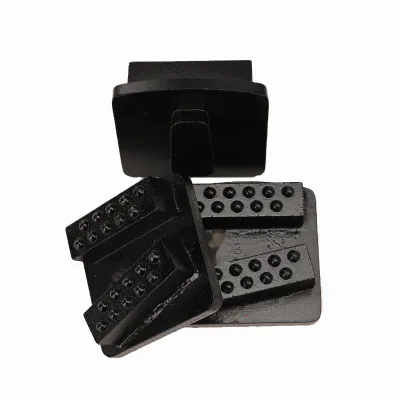
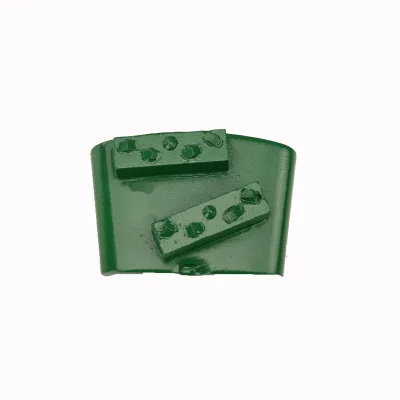
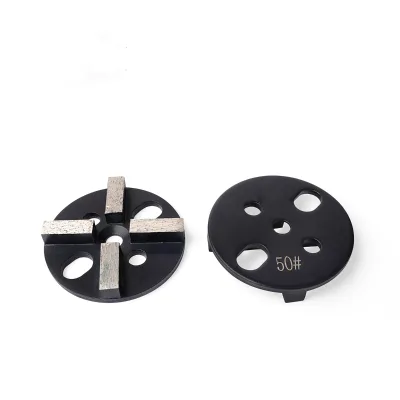


Comprehensive Sourcing Guide
Surface Grinding PCD Bars Sourcing Guide
Procuring Surface Grinding PCD Bars requires a nuanced understanding of superabrasive tooling, where the balance between bond hardness, grit size, and segment geometry dictates performance on specific substrates. These tools are engineered for high-efficiency material removal, particularly in applications involving granite, marble, and floor coating removal. Buyers must navigate a market where product attributes vary significantly, from crushed PCD configurations to specific segment designs like single bars or half bars. The sourcing process demands rigorous verification of technical specifications to ensure the selected tooling aligns with the mechanical properties of the workpiece and the capabilities of the grinding machinery.
This guide provides a structured approach to evaluating suppliers and products based on observed market signals and trusted industry knowledge. It focuses on critical decision points such as material composition, standard compliance, and commercial terms. By adhering to evidence-based verification steps, procurement professionals can mitigate risks associated with tool failure, inconsistent performance, and non-compliant supply chains. The following sections detail the essential parameters for sourcing these specialized grinding tools effectively.
Product Scope and Observed Listing Signals
The current market for Surface Grinding PCD Bars encompasses a diverse range of configurations tailored to specific grinding tasks. Observed listings indicate a product count of approximately 30 distinct items, with prices ranging from $1 to $800 USD and minimum order quantities (MOQs) varying between 1 and 100 units. This wide price and volume range suggests a market segmented by both specialized industrial applications and smaller-scale operational needs. Products are frequently described with attributes such as "Block Color," "Onfloor Single Bar," and "Half Bar," indicating variations in segment shape and intended use case, such as paint removal versus stone polishing.
Key product attributes observed in listings include the use of diamond as the primary abrasive material, classified under both normal abrasive and superabrasive categories depending on the specific PCD configuration. Models such as PCD-H963, PCD-23, and DMY-856 represent different design iterations, with some featuring crushed PCD bars and others utilizing specific segment counts like "One" or "1 Bar." The condition is consistently listed as new, and origins are predominantly traced to China, with specific mentions of Xiamen as a production hub. Buyers should note that while "Extra Sharp" is listed as a drill brand attribute in some contexts, it may also reflect the general sharpness characteristic of the PCD grit rather than a specific manufacturer brand.
Technical Specifications to Verify
Verifying the technical specifications of PCD grinding bars is critical for ensuring compatibility with grinding machines and desired surface finishes. Key parameters to confirm include the bond hardness, which can range from soft to medium to hard, affecting the tool's self-sharpening ability and lifespan. Grit sizes typically span from 30 to 400#, allowing for coarse material removal or fine finishing depending on the application. Additionally, the circular degree and cylindricity of the tool must be verified, as deviations can lead to uneven grinding and machine vibration. The segment design, whether it is a single bar, half bar, or crushed PCD configuration, must match the tool holder's specifications, such as M6 threads or 9mm smooth holes.
The physical dimensions and mounting standards of the PCD bars also require strict verification. Listings indicate standards such as "25253" and "4'' Round Plate with 1 Pin," which define the footprint and attachment method. Buyers must ensure that the PCD direction, available as left or right, aligns with the rotation direction of the grinding machine to prevent tool damage and ensure efficient cutting. Furthermore, the classification of the tool, such as "Grinding PCD Tools" or "Surface Grinding Wheel," should be cross-referenced with the machine's operational requirements. Confirming these details prevents mismatches that could result in poor surface quality or premature tool failure.
Compliance and Safety Documentation
Compliance with international standards is a fundamental requirement for sourcing industrial grinding tools. Many suppliers list certifications such as SGS, CE, and ISO9001, which indicate adherence to quality management and safety protocols. Buyers should request valid certificates for each product batch to ensure that the tools meet the regulatory requirements of their operating region. The presence of these certifications suggests that the manufacturer has undergone rigorous testing for material integrity and performance consistency. However, buyers must verify the authenticity and scope of these certifications, as they may not cover all product variations or specific model numbers.
Safety documentation should also include detailed instructions for handling and operating the PCD bars. Given the superabrasive nature of diamond tools, proper handling procedures are essential to prevent injury and tool breakage. Buyers should ensure that suppliers provide clear guidelines on mounting, speed limits, and cooling requirements. Additionally, the packaging, often described as carton boxes or paper boxes, should be inspected for damage upon receipt to ensure the tools arrive in pristine condition. Proper packaging is crucial for maintaining the integrity of the delicate PCD segments during transit.
Cost Drivers and Commercial Terms
The cost of Surface Grinding PCD Bars is influenced by several factors, including the type of PCD used, the complexity of the segment design, and the volume of the order. Crushed PCD bars and specialized configurations like half bars or single bars may command higher prices due to their specialized manufacturing processes. The observed price range of $1 to $800 USD reflects this variability, with higher-end models likely featuring superior diamond quality or more complex geometries. Buyers should analyze the cost per unit against the expected tool life and performance to determine the true value of the investment.
Commercial terms such as delivery time and payment conditions also play a significant role in the procurement process. Listings indicate delivery times ranging from 7 to 12 days, which is relatively fast for custom industrial tooling. However, buyers should confirm these lead times with the supplier, especially for larger orders or customized requirements. Packaging options, including carton boxes or customer-specific requirements, may also affect shipping costs and handling procedures. Understanding these commercial terms helps in planning inventory levels and managing cash flow effectively.
Supplier Qualification and Quality Control
Qualifying suppliers of Surface Grinding PCD Bars involves assessing their manufacturing capabilities, quality control processes, and market reputation. Suppliers originating from regions like Xiamen, China, often have established supply chains for diamond tools, but buyers should verify their production capacity and consistency. Requesting samples before placing bulk orders is a prudent step to evaluate the tool's performance and build quality. Buyers should also inquire about the supplier's ability to provide custom packaging or specific product configurations, as indicated by attributes like "Customers Requirement" in packing descriptions.
Quality control measures should include regular inspections of the PCD segments for defects, such as chipping or uneven bonding. Suppliers with ISO9001 certification typically have structured quality management systems in place, but buyers should still conduct their own incoming quality checks. Testing the tools on actual workpieces can provide valuable insights into their performance and durability. Additionally, maintaining open communication with the supplier regarding any issues or feedback can help in building a long-term partnership and ensuring consistent supply of high-quality tools.
Long-Term Procurement Checks
Establishing long-term procurement relationships with PCD bar suppliers requires ongoing monitoring of performance and compliance. Buyers should track the performance of the tools over time, noting any changes in grinding efficiency, surface finish quality, or tool lifespan. This data can be used to negotiate better terms or switch suppliers if performance declines. Regular audits of the supplier's quality control processes and certification status can help ensure that the tools continue to meet required standards. Maintaining a record of supplier interactions and performance metrics is essential for making informed procurement decisions.
Furthermore, buyers should stay updated on industry trends and technological advancements in PCD tooling. New configurations or materials may offer improved performance or cost savings. Engaging with suppliers to discuss potential innovations or custom solutions can lead to better tooling options for specific applications. By proactively managing the procurement process and maintaining strong supplier relationships, buyers can ensure a steady supply of high-quality Surface Grinding PCD Bars that meet their operational needs.
FAQs
What materials are used for Surface Grinding PCD Bars?
The products utilize diamond as the primary material with crushed PCD or PCD bars. These tools are classified as superabrasive or normal abrasive depending on the specific model. They are designed for new condition applications in granite, marble, and coating removal.
Which certifications do the grinding tools meet?
Many items meet SGS standards, while some models also comply with CE and ISO9001 standards. The specific standard varies by product model, such as PCD-HR2 or PCD-13212. Buyers should verify the standard listed for each specific item before purchase.
How long is the delivery time for these tools?
The delivery time is typically 7 to 12 days for standard orders. This timeframe applies to the global market shipments originating from China. Specific lead times may vary based on the selected model and packaging requirements.
Can I request custom packaging for the grinding bars?
Yes, customization is available for packaging requirements. Options include carton boxes, paper boxes, or specific customer requirements. Some items are packed individually in carton boxes while others use international express shipping methods.
What is the minimum order quantity for these products?
The minimum order quantity ranges from 1 to 100 units depending on the specific product. This flexibility allows buyers to source small batches or larger quantities. The exact MOQ should be confirmed for the selected model like PCD-H963 or DMY-856.
Where are these surface grinding tools manufactured?
The products originate from China, with specific manufacturing locations including Xiamen. They are distributed to the global market. Buyers can expect consistent quality standards such as SGS or ISO9001 from these Chinese sources.