Source Waterproof Shockproof Eva Gadget Organizer for Travel Storage Outdoor
Compare 30 listings of Waterproof Shockproof Eva Gadget Organizer from verified suppliers in Guangdong. Review specifications, pricing, and customization options for travel, outdoor, and storage applications.
Key considerations
Products List
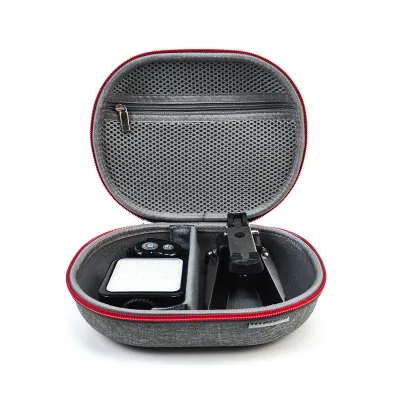
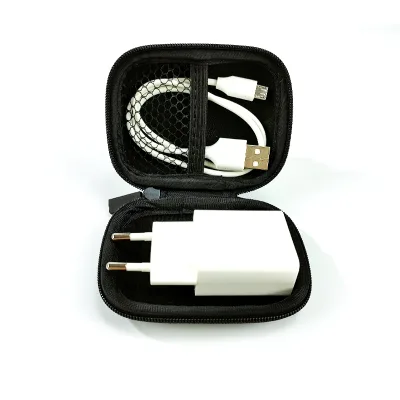
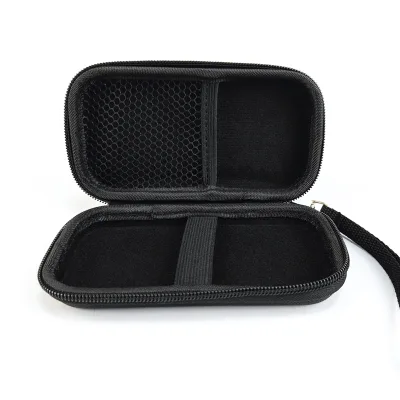
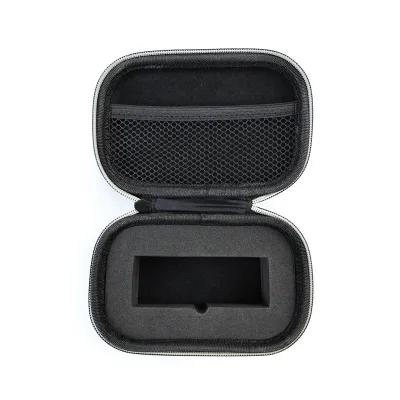
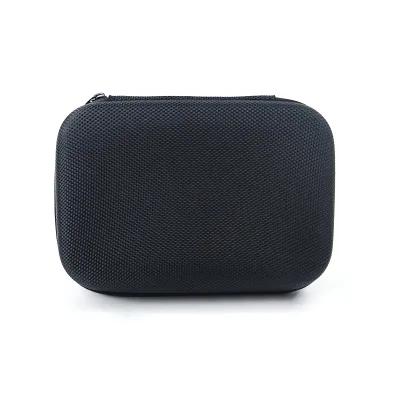
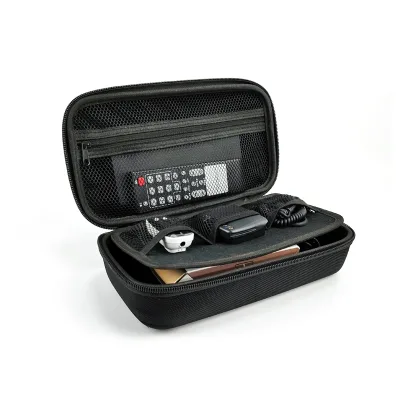

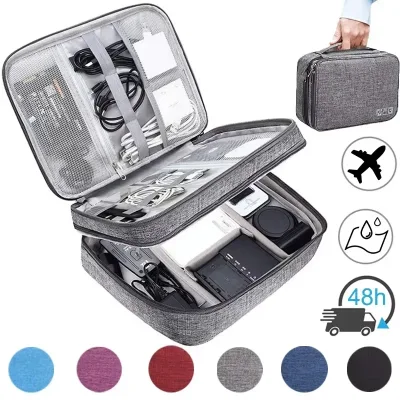
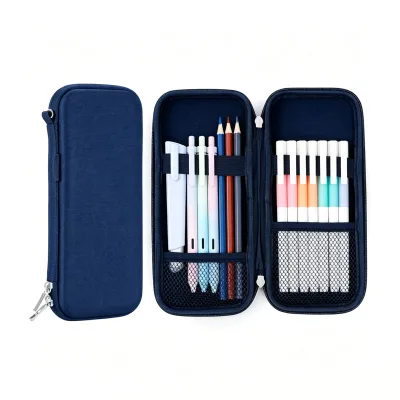
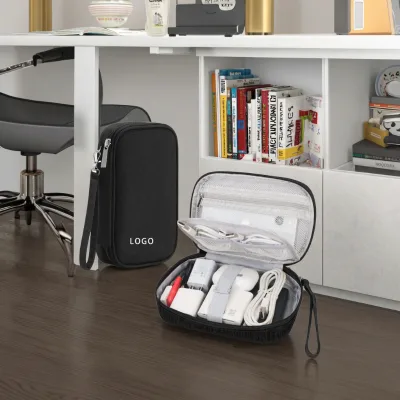

Customizable EVA Storage Box for Gadget Organization and Protection
$0.24 - $36.75
MOQ: 50 Square Meters
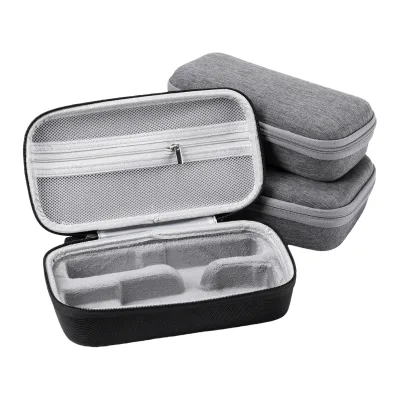
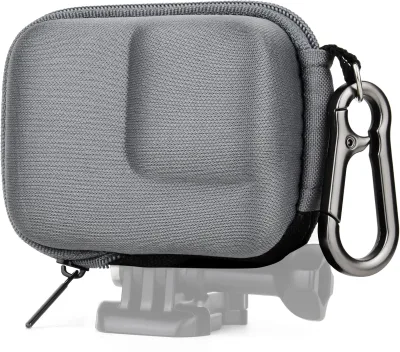


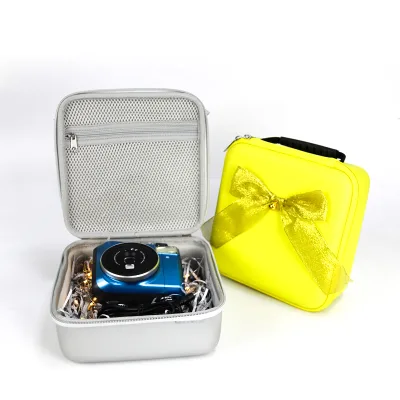


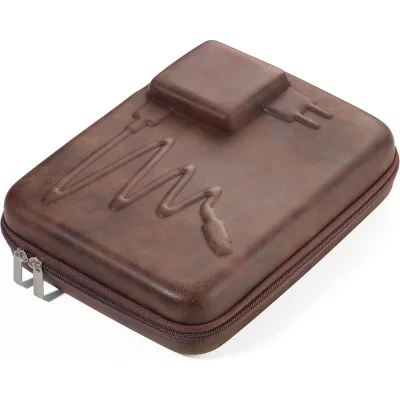
Electronic Organizer Bag Portable Storage Gadget Travel Organizer Ci13963
$3.45 - $4.14
MOQ: 100 Pieces

Comprehensive Sourcing Guide
Strategic Sourcing Guide for Waterproof Shockproof EVA Gadget Organizers
Understanding the Core Product Category and Material Science
The procurement of waterproof shockproof EVA gadget organizers requires a precise understanding of the material properties and the specific construction methods that define this category. Ethylene-Vinyl Acetate (EVA) is the primary material utilized in this sector, chosen for its unique balance of flexibility, durability, and protective capabilities. In the context of modern supply chains, the material is often enhanced with Polyurethane (PU) to create composite structures that offer superior abrasion resistance and a more premium tactile finish. The fundamental value proposition of these organizers lies in their ability to shield sensitive electronic gadgets, tools, and travel essentials from environmental hazards.
When evaluating product listings, buyers must distinguish between pure EVA constructions and composite variants. The presence of a PU layer typically indicates a higher-grade finish, often found in cases designed for daily use or professional tool storage. The material composition directly influences the product's ability to meet the "waterproof, shockproof, and dustproof" criteria. These attributes are not merely marketing terms but are functional requirements derived from the closed-cell structure of the foam, which prevents water ingress and absorbs impact energy. Buyers should verify that the supplier explicitly states the material composition, as the distinction between standard EVA and EVA+PU can significantly affect the unit cost and the longevity of the product in harsh environments.
Technical Specifications and Dimensional Variability
A critical aspect of sourcing these organizers is the variability in technical specifications, particularly regarding size and packaging dimensions. The market offers a wide range of configurations to suit different gadget sizes, from compact storage solutions to larger tool cases. Specifications observed in the current market include dimensions such as 19.8 x 15.5 x 7.5 cm, 9 x 6.5 x 3 cm, and 15.2 x 8.2 x 3.3 cm. Additionally, some larger units may reach sizes like 135mm x 85mm x 60mm or even accommodate items up to 7 inches in length.
The following table summarizes the observed dimensional and weight variations across different product models to illustrate the scope of customization available:
| Model Identifier | Dimensions (Approx.) | Single Gross Weight | Package Type |
|---|---|---|---|
| NS-1256 | 19.8 x 15.5 x 7.5 cm | 0.500 kg | 1 Pc/PE bag |
| NS-837 | 9 x 6.5 x 3 cm | 1.5 kg | 1pc/poly Bag + Carton |
| 1263 | 15.2 x 8.2 x 3.3 cm | 0.235 kg | 1pc/Pe Bag |
| NS1131 | 135mm x 85mm x 60mm | Variable | 1pc/Pe Bag |
Buyers must pay close attention to the "Single Package Size" versus the "Product Size." The packaging dimensions often include the necessary protective materials like PE bags or cartons, which are essential for shipping but add to the volumetric weight. The gross weight is another critical metric for logistics planning; for instance, a model weighing 1.5 kg will incur significantly higher shipping costs than a 0.235 kg unit. Furthermore, the closure type is a standard feature, with zippers being the predominant mechanism. The quality of the zipper, often a YKK or equivalent heavy-duty variant, is a key determinant of the organizer's waterproof integrity. A compromised zipper seal can render the entire shockproof and dustproof rating ineffective.
Compliance, Certification, and Regulatory Verification
In the B2B procurement landscape, verifying compliance and certifications is non-negotiable, especially for products intended for international markets. The supply chain for EVA organizers often involves manufacturers who hold specific quality management and environmental certifications. Commonly observed certifications in this sector include ISO9001, ROHS, and BSCI. ISO9001 indicates that the manufacturer adheres to a standardized quality management system, ensuring consistent production processes. ROHS compliance is vital for electronic accessory manufacturers, as it restricts the use of specific hazardous materials, ensuring the product is safe for consumers and compliant with regulations in regions like the European Union.
BSCI (Business Social Compliance Initiative) certification reflects the supplier's commitment to ethical labor practices, which is increasingly important for corporate social responsibility (CSR) reporting. While some listings may mention standards like OEKO-TEX or CE, buyers must exercise caution and request valid, up-to-date certificates rather than relying on unverified claims. The presence of these certifications should be confirmed through direct documentation from the supplier. It is also essential to verify that the "Accept Customized Logo" and "OEM/ODM" capabilities do not compromise the integrity of these certifications. Customization processes, such as screen printing or laser engraving, must be performed in a manner that does not introduce non-compliant materials or processes.
Cost Drivers and Pricing Structure Analysis
The pricing of waterproof shockproof EVA gadget organizers is influenced by a complex interplay of factors, including material costs, customization levels, and order volume. The observed price range in the market spans from approximately $0.24 to $36.75 USD. This wide variance is primarily driven by the complexity of the design, the thickness of the EVA material, and the inclusion of additional features like custom foam inserts or reinforced handles.
Minimum Order Quantity (MOQ) is a significant cost driver. Suppliers typically enforce MOQs ranging from 50 to 1,000 pieces, with a common threshold observed at 300 or 500 pieces. Ordering below the standard MOQ often results in a higher unit price or the imposition of a setup fee. The payment terms also play a role in the financial structure of the deal. Standard industry practice involves a 30% deposit followed by a 70% balance payment upon completion or before shipment. This structure protects both the buyer and the supplier, ensuring that the supplier has the capital to procure materials while the buyer retains leverage until the goods are ready.
Buyers should also consider the "Sample time" and "Delivery time" as indirect cost factors. A sample time of 5-7 days or 7-10 working days allows for quality verification before mass production, preventing costly errors. However, the lead time for bulk production, typically observed between 31 and 35 days, must be factored into the overall supply chain timeline. Delays in this window can impact inventory levels and sales cycles, potentially leading to stockouts or the need for expedited shipping, which adds to the total cost of ownership.
Supplier Evaluation and Operational Capabilities
Selecting the right supplier requires a thorough evaluation of their operational capabilities, specifically regarding their location, production capacity, and flexibility. The majority of manufacturers in this sector are located in Guangdong, China, a region known for its robust manufacturing ecosystem and supply chain efficiency. This location offers advantages in terms of raw material availability and logistical infrastructure, but it also necessitates a clear understanding of the time zone and communication protocols.
When evaluating potential partners, buyers should prioritize suppliers who explicitly welcome OEM/ODM services. This indicates a willingness to customize the product to specific brand requirements, including color variations (such as black, green, or custom options) and logo placement. The ability to accept customized logos is a standard feature, but the quality of the application method must be verified. Additionally, the "Style" of the product, whether simple, fashionable, modern, or classic, should align with the target market's aesthetic preferences.
Suppliers should also demonstrate a clear understanding of the product's application. Whether the organizer is intended for travel, outdoor activities, camping, or daily tool storage, the design must reflect these use cases. For example, a case designed for outdoor use should prioritize ruggedness and waterproofing, while a travel case might focus on compactness and organization. Buyers should request detailed product descriptions that link the specifications to the intended application, ensuring that the supplier understands the end-user's needs.
Quality Control and Long-Term Procurement Strategy
Implementing a robust quality control (QC) strategy is essential for maintaining the integrity of the waterproof shockproof EVA gadget organizers. Given the functional nature of these products, any failure in the zipper, seam, or material integrity can lead to product failure and customer dissatisfaction. Buyers should establish a clear QC protocol that includes pre-production sample approval, in-process inspections, and final random inspections before shipment. The "Single gross weight" and "Single package size" should be strictly monitored to ensure consistency across the production batch.
For long-term procurement, building a strategic relationship with the supplier is more beneficial than transactional purchasing. This involves negotiating favorable payment terms, securing consistent lead times, and establishing clear communication channels for addressing any issues that arise. The ability to customize the product continuously, such as updating the logo or changing the color scheme, allows the buyer to adapt to market trends without changing suppliers. Furthermore, maintaining a buffer stock of critical components or finished goods can mitigate the risks associated with the 31-35 day delivery time.
In conclusion, sourcing waterproof shockproof EVA gadget organizers requires a meticulous approach that balances technical specifications, compliance requirements, and cost considerations. By focusing on the material quality, verifying certifications, and selecting suppliers with strong OEM/ODM capabilities, buyers can secure a reliable supply chain that meets the demands of the global market. The key to success lies in detailed due diligence, clear communication, and a commitment to maintaining high standards of quality and performance throughout the procurement lifecycle.
FAQs
What is the typical MOQ for Waterproof Shockproof Eva Gadget Organizer orders?
The typical minimum order quantity is 300 pieces, though some listings require 500 pieces. Buyers should verify the specific MOQ for their chosen model, as it directly impacts unit pricing and production scheduling.
How long does sample production take for these EVA organizers?
Sample production typically takes between 5 to 10 working days depending on the supplier. This timeframe allows for quality verification before committing to mass production, ensuring the design meets your specifications.
Which certifications are commonly available for Waterproof Shockproof Eva Gadget Organizer manufacturers?
Common certifications include ISO9001, ROHS, and BSCI, which verify quality management and environmental compliance. Buyers should request valid certificates to ensure the supplier adheres to international standards for hazardous materials and ethical labor.
Can suppliers accept customized logos and OEM orders for these organizers?
Yes, suppliers warmly welcome customized logos and OEM or ODM services. This allows buyers to brand the product with their own identity while maintaining the core waterproof and shockproof features required for travel and outdoor use.
What is the standard delivery time for bulk orders of these organizers?
The standard delivery time for bulk orders ranges from 31 to 35 days. This lead time accounts for production, quality control, and logistics, so buyers must plan their inventory accordingly to avoid stockouts.
Which payment terms are standard for purchasing waterproof shockproof eva gadget organizers?
Standard payment terms require a 30% deposit followed by a 70% balance payment. This structure protects both parties by securing materials for the supplier while ensuring the buyer retains leverage until the goods are ready for shipment.
What materials are used to construct waterproof shockproof eva gadget organizers?
These organizers are primarily constructed from EVA, with some variants using an EVA and PU composite. The material choice ensures flexibility, durability, and effective protection against water, shock, and dust for various gadget sizes.
Where are the manufacturers of these organizers typically located?
Most manufacturers are located in Guangdong, China, a region known for its robust manufacturing ecosystem. This location offers advantages in raw material availability and logistics, though buyers must account for time zone differences in communication.