Source Suspension Control Arm for Toyota, Kia, and BMW Vehicles
Find 30 Suspension Control Arm options for front and rear axle applications. Compare stainless steel and steel models from China and Korea suppliers. Review OEM specifications and negotiate MOQs for your automotive parts sourcing needs.
Key considerations
Products List




Comprehensive Sourcing Guide
Suspension Control Arm Sourcing Guide
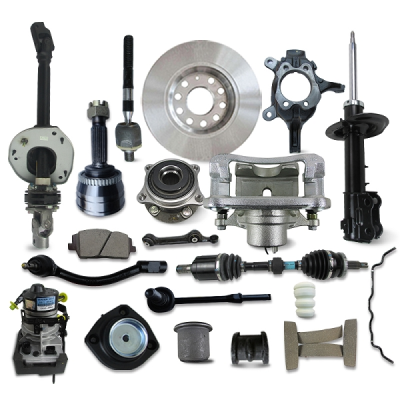
The Suspension Control Arm is a critical structural component that connects the wheel hub to the vehicle chassis, managing wheel alignment and absorbing road shocks. In the current market, these parts are available for a wide spectrum of vehicle manufacturers, including Toyota, Kia, Mazda, Volvo, Audi, and Volkswagen, indicating a broad compatibility range for global fleets. Buyers must recognize that while the core function remains consistent, the specific geometry and mounting points vary significantly between front and rear axle applications, requiring precise matching to the vehicle's make and model.
Sourcing decisions for this component hinge on distinguishing between OEM specifications and aftermarket customization options. The market data reveals a mix of standardized models and custom-fabricated units, with some suppliers offering parts based on specific drawings or custom standards. This variability means that procurement strategies must prioritize verifying the exact product model number, such as RK622161 or 2043307411, against the vehicle's service manual to ensure structural integrity and proper fitment before placing any order.
Product Scope and Observed Listing Signals
The observed product listings demonstrate a diverse range of configurations, from stainless steel and steel-aluminum-rubber composites to pure steel constructions. Buyers will encounter listings specifically labeled for front wheel axles, rear axles, and shock absorber suspension systems, each requiring distinct verification of the "Position" attribute to avoid installation errors. The presence of multiple product names, such as "Rear Axle Suspension Control Arm" and "Suspension Front Lower Control Arm," signals that suppliers often categorize inventory by vehicle location rather than a single universal part number.
Commercial signals in the listings indicate a flexible approach to order volume and packaging, with MOQs ranging from a single piece to 1,000 units depending on the supplier. Packaging methods vary from wooden packages and plywood boxes to palletized shipments, which directly impacts logistics planning and cost calculations for international buyers. The availability of customization services suggests that buyers can request specific surface finishes or material compositions, though the default offerings often include standard steel or stainless steel options without specialized surface treatments.
Technical Specifications to Verify
Verifying the material composition is the first step in ensuring the longevity and performance of the control arm, as listings show variations between stainless steel, steel, and composite materials like steel plus aluminum and rubber. The inclusion of rubber bushings is a critical specification, as these components absorb vibration and allow for controlled movement, and their quality directly influences the ride comfort and handling characteristics of the vehicle. Buyers should explicitly confirm the material grade and the specific type of bushing used, as the "prod_model" field often contains the specific part number that correlates to these material properties.
Dimensional accuracy and model compatibility are equally vital, with specific model numbers like 090505, NJF120, and RK622161 serving as unique identifiers for different vehicle applications. The "Standard" attribute often lists "Customization" or "As Drawing," which implies that the physical dimensions may not be off-the-shelf but tailored to specific chassis requirements. Procurement teams must cross-reference these model numbers with the vehicle's chassis data to ensure that the control arm's mounting points, length, and angle align perfectly with the suspension geometry of the target vehicle.
Compliance and Safety Documentation
Certification status is a primary indicator of a supplier's adherence to international quality management systems, with observed listings citing ISO and CE certifications. The presence of ISO certification suggests that the manufacturing process follows standardized quality control protocols, while CE marking indicates compliance with European health, safety, and environmental protection standards. Buyers should request valid certification documents for each batch of goods, as the "Certification" attribute in listings can vary between different suppliers and may not apply to every single product variant within a catalog.
Safety documentation must also include proof of material traceability and adherence to automotive industry standards, particularly for components that bear significant structural loads. While some listings mention "Customized" standards, this does not replace the need for formal compliance with recognized automotive safety regulations. Procurement officers should verify that the supplier can provide test reports or quality assurance certificates that confirm the control arm meets the necessary stress and fatigue requirements for the specific vehicle class, ensuring that the part will not fail under normal operating conditions.
Cost Drivers and Commercial Terms
The price range for suspension control arms in the current market spans from $1 to $275, reflecting the significant impact of material costs, manufacturing complexity, and order volume on the final price. Stainless steel and composite materials typically command higher prices than standard steel due to their superior corrosion resistance and weight characteristics, while custom-fabricated units may incur additional costs for tooling and design work. Buyers should analyze the unit price in the context of the total order value, as the observed MOQ flexibility allows for smaller initial orders but may result in higher per-unit costs compared to bulk purchases.
Payment and shipping terms are critical variables that influence the total cost of ownership, with common payment methods including TT and LC, and shipping options ranging from sea freight to air express. The delivery time is a key cost driver, with observed lead times varying between 15 and 30 days, which can affect inventory planning and production schedules for automotive assemblers. Buyers must negotiate clear terms regarding who bears the cost of shipping and insurance, as the choice between sea, air, or express delivery will significantly alter the timeline and expense of the procurement cycle.
Supplier Qualification and Quality Control
Supplier qualification should focus on verifying the origin of the product, as listings indicate origins in Ningbo, China, and Korea, each with different manufacturing capabilities and quality reputations. The "Place of Origin" field is a crucial data point for assessing the supply chain's stability and the potential for logistical delays, especially when sourcing from regions with varying infrastructure capabilities. Buyers should prioritize suppliers who can demonstrate a consistent track record of delivering parts that match the specified model numbers and material requirements without deviation.
Quality control processes must be rigorously evaluated, particularly regarding the "Surface Finish" and "Packing" attributes, which can indicate the level of care taken during manufacturing and shipping. Some listings note a lack of surface finish, which may require additional buyer-side processing or indicate a raw material state, while others specify wooden or plywood packaging to prevent damage during transit. Procurement teams should implement incoming quality inspections to verify that the received parts match the agreed-upon specifications, ensuring that the rubber bushings and metal components are free from defects before installation.
Long-Term Procurement Checks
Establishing a long-term relationship with a supplier requires regular audits of their ability to maintain consistent quality and delivery performance over time. The "Service" attribute, which mentions 24-hour service availability, suggests that suppliers should be responsive to technical queries and issue resolution, a factor that becomes increasingly important as the volume of orders grows. Buyers should monitor the supplier's ability to meet the agreed-upon delivery times, as fluctuations in lead times can disrupt production schedules and increase inventory holding costs.
Continuous verification of product specifications is essential to ensure that the control arms remain compatible with evolving vehicle models and regulatory changes. As the market offers a wide range of car makes, from Geely to BMW, buyers must stay updated on any changes in part numbers or material standards that could affect the compatibility of existing stock. Regular communication with the supplier regarding updates in their product line and any new certifications they have obtained will help maintain a robust and reliable supply chain for suspension control arms.
FAQs
What materials are used for suspension control arms?
Suspension control arms are typically constructed from stainless steel, steel, or a combination of steel, aluminum, and rubber. The specific material choice depends on the required strength, weight, and durability for the vehicle application. Buyers should verify the material composition to ensure compatibility with their vehicle's suspension system requirements.
Can I customize suspension control arms for specific car brands?
Yes, customization is available for suspension control arms to fit various car brands including Toyota, Kia, BMW, and Volkswagen. Manufacturers can produce parts based on specific drawings or OEM specifications. This allows buyers to source exact replacements or modified components tailored to their target vehicle models and performance needs.
What is the typical delivery time for these parts?
The typical delivery time for suspension control arms ranges from 15 days to 30 days. This lead time can vary based on order volume and customization requirements. Buyers should confirm the exact timeline with the supplier before placing orders to ensure timely receipt of goods for their inventory or project schedules.
What certifications do these suspension control arms have?
These suspension control arms hold certifications such as ISO and CE. These certifications indicate compliance with international quality and safety standards. Buyers can rely on these credentials to ensure the products meet regulatory requirements for automotive parts in various global markets, providing assurance of consistent manufacturing quality.
What are the packaging options for shipping control arms?
Packaging options include pallets, wooden packages, plywood boxes, and wooden packing. These methods are designed to protect the parts during transit by sea, air, or express courier. Buyers should specify their preferred packaging to ensure safe delivery and to meet any specific logistical or storage requirements at their destination.
What is the minimum order quantity for these parts?
The minimum order quantity can be as low as 1 piece or up to 1000 pieces, depending on the supplier. MOQs are often negotiable for bulk purchases. Buyers can start with small sample orders to test quality before committing to larger volumes, making it flexible for both small and large procurement needs.