Source Sustainable Antibacterial Pet Eye Wipes for Dogs, Cats, and Birds
Find and compare 30 listings for Sustainable Antibacterial Pet Eye Wipes designed for dogs, cats, and birds. These non-woven fabric wipes offer manual operation, OEM/ODM customization, and eco-friendly features for effective pet eye cleaning and grooming needs.
Key considerations
Products List


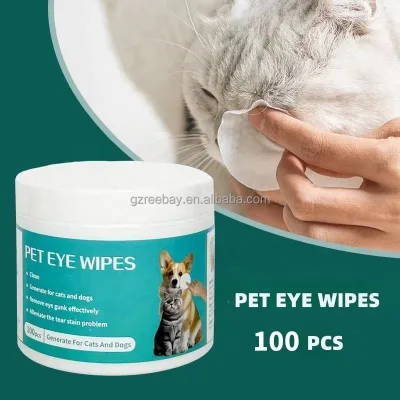
Organic Cotton Eye Wipes Fragrance-Free Pet Wipes Antibacterial Pet Wipes
$0.46 - $0.73
MOQ: 500 Pieces




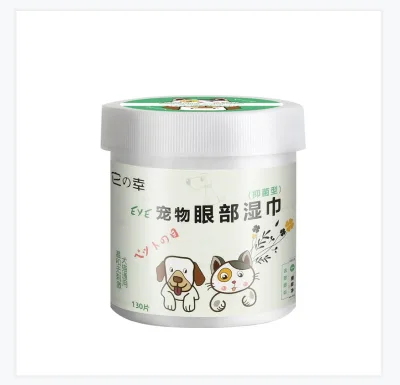

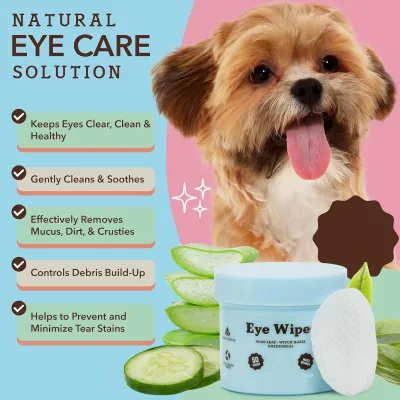
Biokleen Custom Pet Wipes for Cats Hypoallergenic Pet Eye Wipes Pet Wipes
$0.43 - $0.65
MOQ: 10000 Bags


Comprehensive Sourcing Guide
Sustainable Antibacterial Pet Eye Wipes Sourcing Guide
Sourcing Sustainable Antibacterial Pet Eye Wipes requires a careful balance between environmental responsibility and the specific hygiene needs of animals. The market offers products designed for the delicate eye area of cats, dogs, and small animals, often utilizing non-woven fabrics that are marketed as eco-friendly or sustainable. Buyers must distinguish between general cleaning wipes and those specifically formulated for ocular safety, ensuring the product is tasteless and safe for accidental ingestion during grooming. The presence of antibacterial properties is a critical differentiator, yet it must be verified against the actual ingredient list to ensure it does not irritate sensitive pet eyes.
Procurement decisions should be grounded in the observed product attributes, such as the availability of customization and OEM/ODM services, which allow brands to tailor the packaging and formula to their specific market needs. While some listings indicate a "sustainable" feature, buyers must verify the specific materials, such as non-woven fabric, and confirm if the antibacterial agents are derived from natural sources or synthetic compounds. The distinction between "waterproof" and "not waterproof" attributes in the supply chain also impacts the product's intended use, as eye wipes generally require a wet cleaning mechanism rather than a water-resistant barrier.
Product Scope and Observed Listing Signals
The product scope for pet eye wipes encompasses a variety of formats, ranging from single-use disposable towels to pre-moistened wipes packaged in bags or boxes. Observed listings indicate a wide range of sizes, including small, medium, and large options, as well as customizable dimensions to fit different packaging requirements. The application scope is broad, covering cats, dogs, and birds, with specific suitability noted for small animals. Buyers should note that while some products are labeled as "tasteless," others may have specific fragrance profiles, and the primary usage is consistently defined as cleaning the eye area to remove discharge and debris.
Listing signals reveal significant variability in packaging standards, with some suppliers offering 100 pieces per bag or box, while others provide customizable packing solutions like PP bags. The observed price range of 0.1 to 1.23 USD suggests a highly competitive market with diverse pricing tiers based on volume and customization. Buyers must be cautious of conflicting attributes, such as products listed as both "waterproof" and "not waterproof," which may indicate different product lines or inconsistent data entry. Understanding these signals helps in filtering suppliers who can meet specific volume requirements, as the observed MOQ ranges from as low as 2 pieces to 20,000 units.
Technical Specifications to Verify
Technical verification begins with the material composition, where non-woven fabric is a common specification, but the specific type and density must be confirmed to ensure softness and absorbency. The size specifications vary significantly, with some models listed at 5.5cm or 9x9x9 cm, while others offer fully customizable dimensions. Buyers must verify the weight per unit, as some listings specify 120g per bottle or 0.36 kg single gross weight, which impacts shipping costs and inventory planning. The operation type is consistently manual, meaning the product is designed for hand application by pet owners or groomers, requiring a texture that is easy to handle without tearing.
The model numbers, such as xm0102-9, xm0102-28, and Re1804, serve as unique identifiers for specific product configurations, but buyers should not rely on these codes alone without verifying the associated physical attributes. It is essential to confirm the "applicable parts" specification, ensuring the product is explicitly designed for the eye area and not just general face cleaning. The antibacterial claim requires specific verification of the active ingredients, as the term "antibacterial" is not universally standardized in the pet care sector. Additionally, the "sustainable" and "eco-friendly" features must be backed by material certifications or specific manufacturing processes rather than being generic marketing terms.
Compliance and Safety Documentation
Safety documentation is paramount when sourcing products intended for the sensitive eye area of pets, as the ingredients must be non-irritating and safe for accidental ingestion. While the supplied facts mention a "tasteless" attribute, buyers must request detailed ingredient lists to confirm the absence of harsh chemicals, alcohols, or artificial dyes that could cause ocular irritation. The "sustainable" and "eco-friendly" claims should be supported by verifiable data regarding the biodegradability of the non-woven fabric and the sourcing of raw materials. Buyers should be aware that while FSC certification is mentioned in background knowledge, it should not be assumed as a standard for all listed products without explicit confirmation from the supplier.
Compliance with regional pet care regulations is another critical area, as different markets may have specific requirements for animal hygiene products. The "OEM/ODM" acceptance indicates that suppliers are willing to adapt formulations, but this process requires rigorous testing to ensure the new formula meets safety standards. Buyers must verify that the product meets the "prod_standard" of 100 pieces per bag or any other agreed-upon standard, ensuring consistency in the final package. Documentation should also cover the "place of origin," specifically Guangdong, China, to understand the regulatory environment and potential export compliance requirements for the destination market.
Cost Drivers and Commercial Terms
Cost drivers in this category are heavily influenced by the level of customization, including packaging design, formula adjustments, and the specific material composition of the wipes. The observed MOQ range of 1 to 20,000 units allows for flexibility, but higher customization levels typically require higher minimum order quantities to justify the setup costs. The price range of 0.1 to 1.23 USD reflects these variables, with lower prices often associated with standard, non-customized products and higher prices for specialized, eco-friendly, or antibacterial formulations. Buyers should analyze the cost per unit relative to the packaging type, such as box versus bag, as this affects both the retail presentation and the logistics cost.
Commercial terms regarding delivery time and payment conditions are critical for supply chain stability. The observed delivery time of 7-15 days suggests a relatively quick turnaround for standard orders, but this may extend for customized products or larger volumes. Buyers must clarify the "selling units" and whether the price is per single item or per bulk package, as this impacts the total landed cost. The "custom made" and "OEM/ODM" capabilities imply that lead times may vary based on the complexity of the branding and formula changes. Clear agreements on these terms prevent delays and ensure that the procurement schedule aligns with market demand.
Supplier Qualification and Quality Control
Supplier qualification should focus on their ability to maintain consistent quality across different production runs, especially when dealing with customizable products. The presence of multiple model numbers and varying specifications indicates that suppliers may have diverse production lines, and buyers must verify which line produces the specific antibacterial and sustainable wipes they require. Quality control measures should include testing for the "tasteless" attribute and ensuring the "non-woven fabric" does not shed fibers that could irritate the pet's eyes. Buyers should request samples to verify the physical texture, absorbency, and the effectiveness of the antibacterial properties before committing to a large order.
The "Brand Name" and "Product Name" variations, such as "Reebay" or "Pet Eye Wipes Pet Eye Grooming Wipes Wet Cleaning," highlight the importance of verifying the supplier's ability to produce under the buyer's own brand. Since the supplier accepts OEM/ODM, the quality control process must include checks on the branding accuracy and the integrity of the packaging. Buyers should also assess the supplier's capacity to handle the "customizable" nature of the product, ensuring they can meet specific size and weight requirements without compromising the product's safety. Establishing a clear communication channel for quality issues is essential, given the sensitive nature of the product application.
Long-Term Procurement Checks
Long-term procurement checks involve monitoring the consistency of the product's performance and the supplier's ability to scale production without quality degradation. Buyers should regularly review the "sustainable" and "eco-friendly" claims to ensure they remain valid as the supply chain evolves or as raw material sources change. The "application" scope, which includes cats, dogs, and birds, should be periodically re-evaluated to ensure the product remains effective for all intended species as market trends shift. Continuous feedback from end-users regarding the "clean pet eye" efficacy and any reported sensitivities is crucial for maintaining product reputation.
Supply chain resilience is another key factor, particularly regarding the "place of origin" and potential geopolitical or logistical disruptions. Buyers should maintain a diversified supplier base to mitigate risks associated with the "delivery time" fluctuations that may occur during peak seasons. The "customization" capabilities should be reviewed annually to ensure the supplier can still meet evolving packaging and formula requirements. Finally, maintaining a record of all compliance documentation and test results ensures that the procurement process remains transparent and that the product continues to meet the safety standards required for pet care products.
FAQs
What material are these pet eye wipes made from?
These wipes are crafted from non-woven fabric, providing a soft and durable surface for gentle cleaning. The material is designed to be effective for removing debris around the eye area without causing irritation. This composition supports the product's sustainable and eco-friendly attributes, ensuring a safe experience for pets during daily grooming routines.
Can I customize the packaging for these pet eye wipes?
Yes, customization is available for both OEM and ODM requirements. Buyers can specify packaging details such as box or PP bag formats to suit their brand needs. The standard packing often involves 100 pieces per box or bag, but flexible options exist to align with specific distribution channels and retail presentation strategies.
What is the typical lead time for ordering these wipes?
The delivery time typically ranges from 7 to 15 days after order confirmation. This timeframe allows for efficient production and quality checks before shipment. Buyers should account for this period when planning inventory, especially for bulk orders that may require additional processing time to meet specific customization or volume requirements.
Are these wipes suitable for cleaning bird eyes as well?
Yes, the product is applicable for birds, cats, and dogs. It is designed for general pet eye cleaning across various small animals. The gentle formulation ensures safety for sensitive areas, making it a versatile choice for multi-pet households or professional groomers handling different species that require regular eye hygiene maintenance.
What is the minimum order quantity for these pet eye wipes?
The minimum order quantity starts at 2 pieces, allowing for small trial orders. This low entry point facilitates testing the product quality before committing to larger volumes. For bulk procurement, quantities can scale up to 20,000 pieces, accommodating both small retailers and large distributors seeking flexible sourcing options.
How are these pet eye wipes packaged for shipping?
The wipes are packaged in boxes or PP bags, depending on the selected option. Each box typically contains 100 pieces, ensuring organized storage and easy distribution. The packaging is designed to protect the wipes from moisture and contamination, maintaining their hygiene and effectiveness until they are ready for use by pet owners.