Source Sushi Roll Making Machine for Sushi Bars, Cafes, and Catering
Explore 30 listings for the Sushi Roll Making Machine, comparing features like automatic grade, material, and voltage. Buyers can evaluate options from factories in China with CE certification and customizable dimensions for various production needs.
Key considerations
Products List


Automatic Sushi Production Line Industrial Sushi Roll Making Machine
$16600.00 - $18000.00
MOQ: 1 Pieces

Automatic Sushi Making Machine Commercial Rice Roll Forming Machine
$16600.00 - $18000.00
MOQ: 1 Pieces

Stainless Steel Commercial Sushi Roll Forming Machine for Factories
$16000.00 - $18000.00
MOQ: 1 Pieces

Large Capacity Sushi Production Line Restaurant Sushi Forming Machine
$16600.00 - $18000.00
MOQ: 1 Pieces

High Efficiency Automatic Sushi Roll Forming Machine for Restaurants
$16000.00 - $18000.00
MOQ: 1 Pieces

Full Automatic Sushi Roll Production Line Stainless Steel Food Machine
$16600.00 - $18000.00
MOQ: 1 Pieces
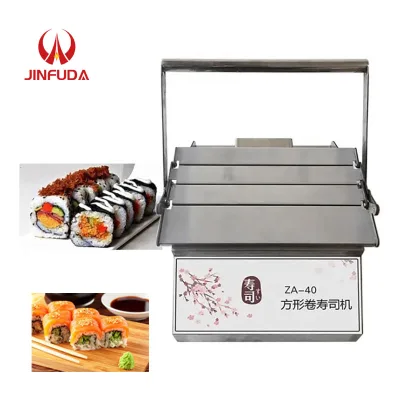
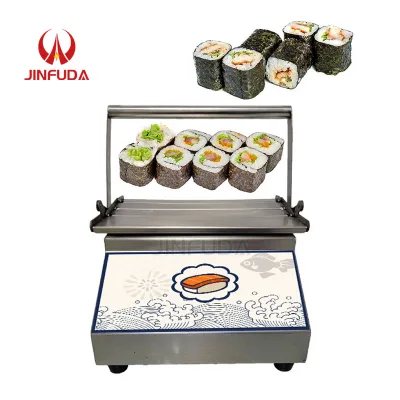
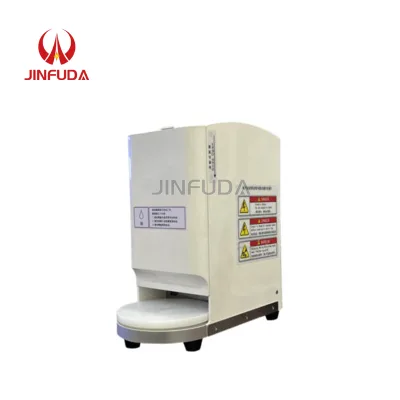
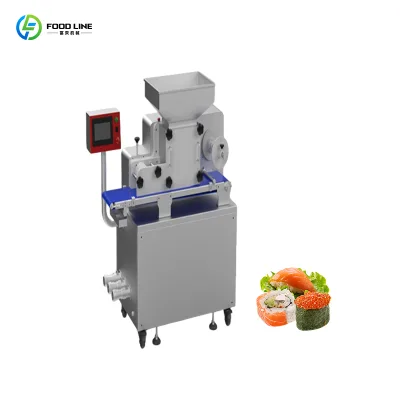
Sushi Machine for Sale Commercial Sushi Roll Machine Commercial Sushi Making Machine
$15200.00 - $22000.00
MOQ: 1 units

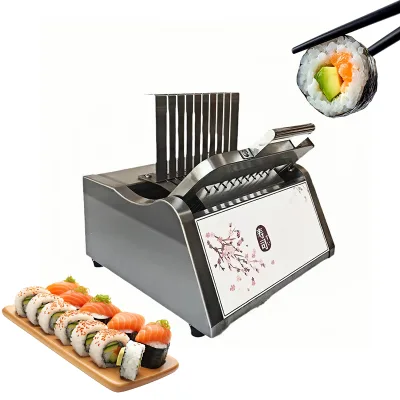


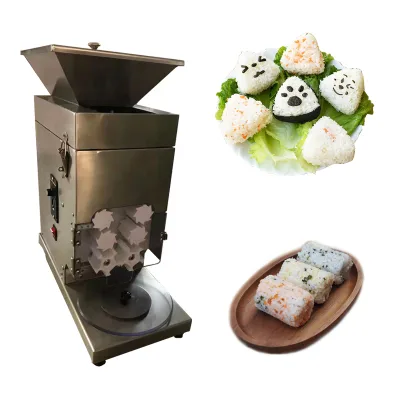
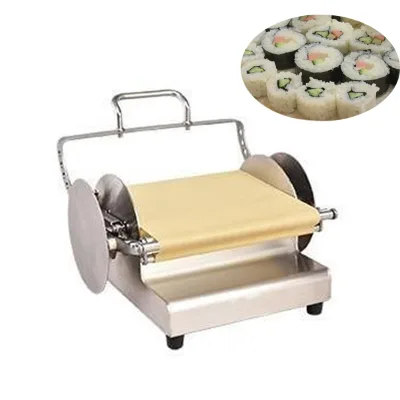
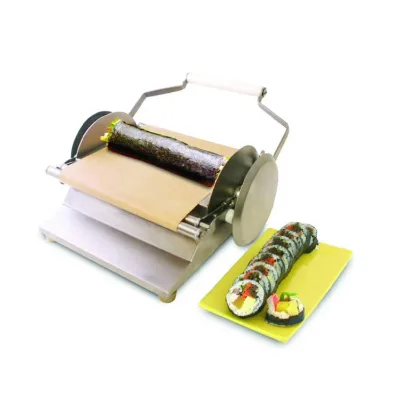
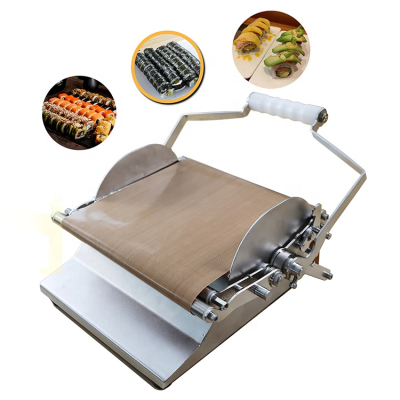
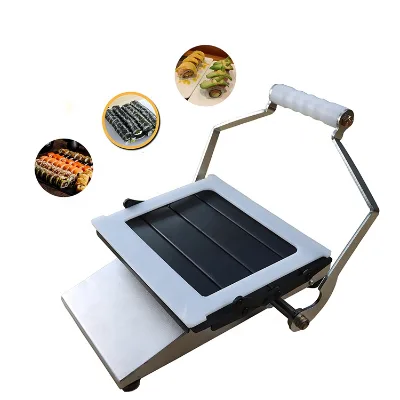
Sushi Roll Making Machine/Bamboo Sushi Mat Machine/manual Maki Roll Maker
$534.58 - $580.54
MOQ: 1 sets

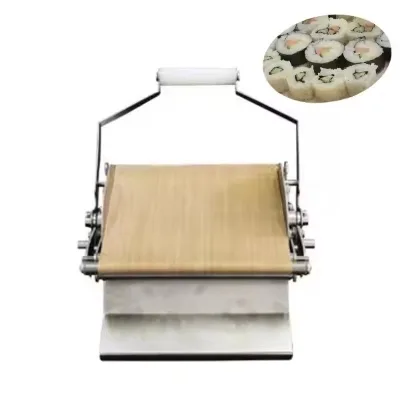
Comprehensive Sourcing Guide
Strategic Sourcing Guide for Sushi Roll Making Machines
The global demand for automated food processing equipment has driven significant innovation in the sushi manufacturing sector. For procurement professionals and business owners seeking to integrate a Sushi Roll Making Machine into their production lines, the market presents a diverse array of options ranging from compact, portable units to large-scale automatic processing systems. This guide provides a structured approach to evaluating these machines, focusing on technical specifications, compliance verification, cost analysis, and supplier reliability. By adhering to evidence-based criteria and understanding the nuances of the supply chain, buyers can make informed decisions that align with their operational capacity and quality standards.
Technical Specifications and Operational Capabilities
When evaluating a Sushi Roll Making Machine, the primary focus must be on the machine's operational grade, material composition, and dimensional constraints. The market offers units with varying levels of automation. Some models are classified as "Automatic Grade," indicating a high degree of mechanization suitable for continuous production, while others may be described with a "Manual" grade, suggesting a need for more direct operator intervention. The distinction is critical for throughput planning.
Material selection is paramount in food processing environments due to hygiene and durability requirements. The majority of reliable units in this category are constructed from Stainless Steel, specifically grades such as SUS 304 or Stainless Steel 304. This material choice ensures resistance to corrosion and facilitates easy cleaning, which is essential for maintaining food safety standards. The physical footprint of the machine is another key specification. Dimensions vary significantly based on the model; for instance, specific models like the MR800 are documented with dimensions of 510400530mm, whereas larger industrial lines may feature customizable dimensions or standard sizes like 54006001500mm. Buyers must verify the exact footprint against their facility's floor plan.
Power requirements are another technical variable. Most electric-powered units operate on standard voltages such as 220V, but this must be confirmed against local grid standards. The processing speed is a vital metric for efficiency. Some high-efficiency models claim a capacity of less than 5 seconds per unit, which is a significant operational advantage for high-volume facilities. Conversely, other units may prioritize versatility over speed. The weight of the machine also impacts installation logistics; observed weights range from approximately 5kg for compact models to 45kg for heavier industrial units. Additionally, specific components, such as 45mm molds, may have their own weight specifications, such as 3.75kg, which affects the overall handling and maintenance requirements.
Compliance, Certification, and Safety Standards
Ensuring that a Sushi Roll Making Machine meets international safety and quality standards is a non-negotiable aspect of the procurement process. Certification acts as a third-party validation of the machine's safety and performance. The CE mark is a frequently observed certification in the supply data, indicating conformity with health, safety, and environmental protection standards for products sold within the European Economic Area. Some suppliers may also provide ISO certifications, which further validate the manufacturer's quality management systems.
Buyers must verify the authenticity of these certifications rather than accepting them as generic claims. The presence of a CE mark should be accompanied by valid documentation that can be audited. Furthermore, the "Automatic Grade" or "Manual" classification of the machine often correlates with specific safety protocols. Automatic machines typically require more rigorous safety interlocks and emergency stop mechanisms. The material grade, such as SUS 304, also plays a role in compliance, as it must meet food-grade standards to prevent contamination.
In addition to product certifications, the supplier's operational standards are relevant. The "Factory Directly Supply" attribute suggests a direct line of communication, which can be beneficial for verifying compliance claims. However, buyers should remain vigilant and request specific test reports or compliance certificates relevant to their local jurisdiction. The absence of specific certification data in a listing should not be assumed to be a lack of compliance, but rather a gap in information that requires direct inquiry.
Cost Drivers and Pricing Structure
The pricing of sushi roll making machines is influenced by a complex interplay of factors, including automation level, material quality, and production capacity. The observed price range in the market spans from approximately $326.15 to $22,000. This wide disparity reflects the difference between entry-level, possibly manual or semi-automatic units, and high-end, fully automatic industrial systems.
Several specific cost drivers influence the final price. First, the material grade is a primary determinant; machines constructed from high-grade Stainless Steel 304 or SUS 304 will generally command a higher price than those using lower-grade materials. Second, the level of automation directly impacts cost. Models labeled as "Automatic" with high efficiency and low cycle times (e.g., less than 5 seconds) are typically more expensive than manual or semi-automatic alternatives. Third, customization options add to the cost. While customization is listed as "Available," bespoke solutions involving specific dimensions, custom molds, or specialized features will incur additional charges.
The Minimum Order Quantity (MOQ) is another factor affecting the total cost of acquisition. The observed MOQ range is between 1 and 2 sets, indicating that many suppliers are willing to sell single units, which is favorable for small businesses or pilot projects. However, buyers should be aware that purchasing in larger quantities might yield better unit economics, although specific volume discounts are not explicitly defined in the general data. The "Factory Offer" and "Best Price for First Cooperation" attributes suggest that pricing may be negotiable, particularly for initial orders. Buyers should factor in the total cost of ownership, which includes shipping, installation, and potential maintenance, rather than focusing solely on the unit price.
Typical Applications and Production Scenarios
Sushi roll making machines are designed to serve a variety of production scenarios, from small-scale artisanal kitchens to large-scale industrial food processing plants. The specific application depends on the machine's capacity, automation level, and feature set.
For small to medium-sized enterprises, portable and easy-to-operate models are ideal. Features such as "Easy Operation" and "Portable" design make these units suitable for environments with limited floor space or where flexibility is required. These machines often come in compact dimensions, such as 283222cm or 313921cm, and are packaged in standard export cartons or wooden boxes for protection during transit. They are particularly useful for businesses that produce a variety of sushi rolls and need to switch between different molds or configurations frequently.
In contrast, large-scale industrial applications require high-efficiency, fully automatic machines. These units, often with dimensions exceeding 5 meters in length, are designed for continuous production lines. They are capable of handling high volumes with minimal operator intervention, making them essential for factories supplying supermarkets, restaurants, or export markets. The "Snack Processing" capability indicates that some machines may be versatile enough to handle related food products beyond just sushi rolls. The "High Efficiency" and "High Efficiency, Easy Operation" features are critical for these environments, where throughput and consistency are paramount.
Supplier Evaluation and Service Reliability
Selecting the right supplier is as important as selecting the right machine. The supply data highlights several key attributes that buyers should use to evaluate potential partners. The "Factory Directly Supply" status is a significant indicator of reliability, as it suggests the buyer is dealing directly with the manufacturer, potentially reducing costs and improving communication. Suppliers who can provide "Video Technical Support" and "Online Support" demonstrate a commitment to after-sales service, which is crucial for troubleshooting operational issues.
The "After Warranty Service" options, such as video support and online assistance, are vital for maintaining machine uptime. Buyers should verify the scope of these services, including whether they cover remote diagnostics or if physical visits are required. The "Door to Door Service Available" attribute indicates that the supplier can handle logistics, simplifying the import process for international buyers. However, the lead time for delivery is a critical factor. Estimated arrival times vary, with air freight taking 8-12 days and sea freight taking 30-60 days. These timelines should be factored into production planning and inventory management.
When evaluating suppliers, buyers should also look for evidence of a professional product and service team. The "Why Choose Us" section often highlights the professionalism of the team, but buyers should seek concrete examples of their experience, such as case studies or references from other clients. The "Advantage" of being a factory directly supplying the product often translates to better pricing and more control over quality, but it must be balanced against the supplier's ability to provide consistent support and spare parts.
Quality Control and Long-Term Procurement Considerations
Ensuring long-term success with a Sushi Roll Making Machine requires a robust quality control strategy and a clear understanding of maintenance requirements. The "Standard Export Carton" and "Carton Case" packaging indicate that the machines are prepared for international shipping, but buyers should inspect the packaging upon arrival to ensure no damage occurred during transit. The "Customized" nature of some units means that quality control checks must be specific to the agreed-upon specifications, such as the exact dimensions or mold sizes.
Maintenance is a key consideration for long-term procurement. Machines with "Easy to Operate" features are generally easier to maintain, but the complexity of the internal mechanisms in automatic models may require specialized training. The availability of spare parts, such as specific molds, is essential for minimizing downtime. Buyers should inquire about the lead time for spare parts and the cost of replacement components. The "Weight of 45mm mould" being 3.75kg is a specific detail that buyers should note for inventory planning and handling procedures.
Furthermore, the "Customizable" dimension feature suggests that buyers can tailor the machine to their specific needs, but this also introduces complexity in the quality assurance process. Any customizations must be rigorously tested before final acceptance. The "High Efficiency" and "High Efficiency, Easy Operation" claims should be validated through performance testing, ideally with a trial run using actual raw materials. Finally, the "After Warranty Service" provisions should be clearly defined in the contract, outlining the response times and scope of support to ensure that the investment remains productive over the long term.
Comparative Analysis of Machine Attributes
To assist in decision-making, the following table summarizes the key attributes observed in the market for sushi roll making machines. This comparison highlights the diversity in specifications and helps buyers identify the features most relevant to their specific needs.
| Attribute Category | Specific Observation | Relevance to Buyer |
|---|---|---|
| Material | Stainless Steel, SUS 304, Stainless Steel 304 | Determines hygiene, durability, and corrosion resistance. |
| Automation | Automatic, Manual | Impacts labor requirements, throughput, and cost. |
| Dimensions | 510400530mm, 54006001500mm, Customizable | Critical for facility layout and space planning. |
| Weight | 5kg, 6kg, 10kg, 45kg, 3.75kg (mold) | Affects shipping costs and installation logistics. |
| Certification | CE, ISO | Validates safety and compliance with international standards. |
| Power Source | Electric, 220V | Must match local electrical infrastructure. |
| MOQ | 1 Set, 2 Sets | Determines minimum investment and entry barrier. |
| Support | Video Technical Support, Online Support | Essential for troubleshooting and maintenance. |
| Origin | Henan, China, China | Influences shipping routes and lead times. |
By carefully analyzing these attributes and cross-referencing them with the specific requirements of their production environment, buyers can navigate the complex market of sushi roll making machines with confidence. The goal is to select a solution that balances cost, efficiency, and reliability, ensuring a sustainable and profitable operation.
FAQs
What certifications do sushi roll making machines typically have?
Most machines carry CE certification, and some models include ISO certification as well. Buyers should verify these documents directly with the factory to ensure compliance with local safety standards before purchasing.
Which material is used for the main body of these machines?
The primary construction material is Stainless Steel 304 or SUS 304. This grade ensures corrosion resistance and meets food safety hygiene requirements for continuous processing operations.
How fast can an automatic Sushi Roll Making Machine produce rolls?
High-efficiency models can produce a roll in less than 5 seconds. This capacity supports high-volume production lines, though manual or semi-automatic units may operate at slower speeds.
Can buyers request custom dimensions for the machine?
Yes, customization is available for specific dimensional requirements. Buyers should confirm the exact footprint, such as 510*400*530mm or larger industrial sizes, with the manufacturer before finalizing the order.
What is the typical lead time for delivery by sea?
Sea freight delivery typically takes between 30 to 60 days from the origin in China. Air freight is faster, usually arriving within 8 to 12 days, depending on the destination.
What is the minimum order quantity for purchasing one unit?
The minimum order quantity is often 1 set, allowing for single-unit purchases. Some suppliers may list an MOQ of 2 sets, so buyers should check specific factory terms for their first cooperation.
What after-sales support is provided for these machines?
Suppliers typically offer video technical support and online assistance for troubleshooting. This service helps maintain operations without requiring immediate physical visits from the manufacturer.