Find Swift Stabilizer Link for Buick, Kia, and Mazda
Source 30 Swift Stabilizer Link options from verified manufacturers. Buyers can compare OEM numbers, materials, and customization features for Buick, Kia, Mazda, and other vehicle models.
Key considerations
Products List


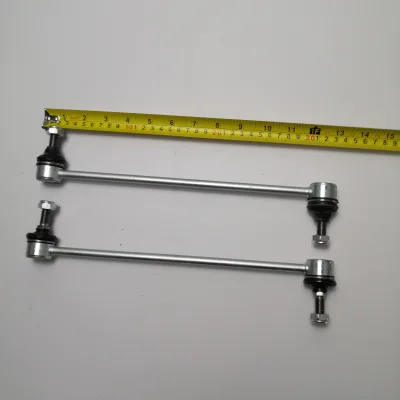


High Quality Car Parts Stabilizer Connecting Rod Stabilizer Link Sway Bar
$5.00 - $100.00
MOQ: 50 Pieces


Comprehensive Sourcing Guide
Strategic Sourcing Guide for Swift Stabilizer Links
Understanding the Technical Profile of Stabilizer Links
The core component in this procurement category is the stabilizer link, a critical suspension element designed to connect the stabilizer bar to the vehicle's strut or control arm. Based on observed market data, these components are frequently categorized under suspension, chassis, and steering tie rod joints. The primary function of a stabilizer link is to reduce body roll during cornering, thereby enhancing vehicle stability and handling. In the current supply landscape, these parts are predominantly observed as "New" condition items, ensuring they meet the immediate replacement needs of fleet operators and aftermarket retailers.
A critical technical observation is the diversity in model specifications available in the market. Buyers will encounter specific part numbers such as 8-97235-922-0, 52321-SNA-003, and 96403099 8500 21608. These identifiers are essential for cross-referencing compatibility. The physical attributes of these links vary; for instance, some units are specified with a single weight of 0.4kg, while others may be listed with a standard of 0.55kg. The material composition is a key differentiator, with stainless steel and general steel being the most common materials cited in product descriptions. The color options typically range between black and silver, which often correlates with the protective coating applied to prevent corrosion.
The fitting position is another vital specification. Data indicates that the majority of these stabilizer links are designed for the front axle or front position. This aligns with the standard suspension architecture where the front stabilizer bar requires direct linkage to the strut assembly. However, buyers must verify the specific "Car Make" compatibility, as the supply chain lists a vast array of manufacturers including Buick, Kia, Mazda, Volvo, Lexus, Peugeot, Audi, Roewe, Geely, Cadillac, Chevrolet, Chery, Ford, Nissan, Jeep, Toyota, Honda, Hyundai, BMW, Benz, WuLing, and Volkswagen. This broad compatibility suggests that while the core component is a stabilizer link, the specific geometry and thread specifications must be matched precisely to the vehicle model, such as the Chevrolet Epica (Kl1_) [2005-] or Mazda variants.
Compliance, Certification, and Quality Verification
In the B2B automotive parts sector, compliance is not merely a formality but a prerequisite for market entry and liability protection. When sourcing stabilizer links, buyers must rigorously verify the certification status of potential suppliers. The observed market data highlights several certification standards, including ISO, ISO9001, and Ts16949. Some listings specifically mention ISO/TS OEM compliance, while others reference ISO/TSGMP and BSCI. These certifications indicate that the manufacturing facility adheres to international quality management systems and social compliance standards.
The presence of an "OE" (Original Equipment) designation is a significant indicator of quality alignment. Many suppliers list their products as "OEM: Yes" or provide specific OE numbers such as 96639904, Kga2a34170A, Gd1e34170, L20634170A, F15134170, 4242065j00, and 51321SLA003. This suggests that the stabilizer links are manufactured to match the exact specifications of the original equipment manufacturer. However, buyers should treat these claims as observations that require validation through documentation rather than assuming every listed product satisfies the OEM standard without proof.
Quality assurance is further emphasized by the claim that products are "100% Tested." This implies that the manufacturing process includes a final inspection stage to ensure the stabilizer links meet performance criteria before packaging. The material quality, specifically the use of stainless steel or high-grade steel, is a direct contributor to the durability and corrosion resistance of the part. Buyers should request test reports or quality certificates that corroborate the material composition and the testing protocols used. The "Standard" designation found in product attributes often refers to industry norms, but the specific dimensions, such as the packing standard of 40.527.519.5cm or 1pcs per box, must be confirmed to ensure logistical compatibility.
Cost Drivers and Pricing Dynamics
The pricing structure for stabilizer links in the current market exhibits a wide range, observed between $0.96 and $100 USD. This significant variance is driven by several factors, including the complexity of the design, the material grade, the brand reputation, and the specific vehicle application. Lower-priced units often correspond to standard steel compositions and generic packaging, while higher-priced items may feature stainless steel, specialized coatings, or custom branding.
The Minimum Order Quantity (MOQ) is a primary cost driver in this sector. The observed MOQ range spans from 1 to 300 units, with specific listings indicating MOQs of 100PCS or 200PCS. Buyers must align their order volume with these thresholds to secure the most favorable unit pricing. For instance, an order of 100 units might be priced differently than an order of 300 units, reflecting economies of scale in manufacturing and logistics. Additionally, the "Business Pattern" of "Manufacturing & Selling Integration" suggests that some suppliers offer direct factory pricing, which can reduce costs compared to intermediaries.
Customization is another factor influencing cost. The market data confirms that customization is available, including options for customized design engraving and customized packaging. These value-added services typically incur additional charges and may extend the lead time. The payment terms, commonly cited as T/T (Telegraphic Transfer), also play a role in the financial planning of the procurement process. Buyers should negotiate payment schedules that balance cash flow needs with supplier requirements, ensuring that the total cost of ownership, including shipping and potential duties, is accurately calculated.
Typical Applications and Vehicle Compatibility
Stabilizer links are integral to the suspension systems of a vast array of passenger vehicles. The observed data lists compatibility with numerous car makes, indicating that these components are universal in their application across the global automotive market. Specific models mentioned include the Chevrolet Epica (Kl1_) [2005-], Mazda variants, and various models from Kia, Volvo, Lexus, and other major manufacturers. The "Car Model" specification is crucial for ensuring that the stabilizer link fits the specific mounting points and load requirements of the vehicle.
The application extends beyond simple replacement; these links are essential for maintaining the dynamic balance of the vehicle. When a stabilizer link fails, it can lead to excessive body roll, uneven tire wear, and compromised handling safety. Therefore, the procurement of these parts is often driven by maintenance schedules, accident repairs, or fleet upgrades. The "Related" category of Suspension/Chassis/Steering Tie Rod Joint highlights that stabilizer links are often purchased as part of a broader suspension overhaul. Buyers should consider the compatibility of the stabilizer link with other suspension components to ensure a cohesive repair.
The "Fitting Position" being the "Front Axle" or "Front" indicates that these links are primarily used in the front suspension setup. However, buyers must verify if the specific vehicle requires rear stabilizer links as well, as the specifications may differ. The "OE Number" serves as the primary reference for compatibility, allowing buyers to cross-reference the part number with the vehicle's service manual or online databases. This ensures that the procured stabilizer link will function correctly within the specific suspension geometry of the target vehicle.
Supplier Evaluation and Operational Logistics
Selecting the right supplier is critical for ensuring the reliability and consistency of the stabilizer link supply chain. The observed data indicates that suppliers are located in various origins, with "CZ" (Czech Republic) and "China" being prominent locations. The "Business Pattern" of "Manufacturing & Selling Integration" suggests that some suppliers are direct manufacturers, which can offer advantages in quality control and pricing. Buyers should evaluate suppliers based on their ability to provide consistent quality, adherence to certifications, and responsiveness to customization requests.
Logistics and delivery timelines are significant operational considerations. The observed "Deliver Time" ranges from 30 to 45 days, with some specific listings indicating a 30-day lead time. This timeframe includes manufacturing, quality inspection, and shipping preparation. Buyers must factor in these lead times when planning inventory levels to avoid stockouts. The shipping methods available include "by Sea, by Express, by Air," offering flexibility based on urgency and budget. Sea freight is typically the most cost-effective for large volumes, while air express is suitable for urgent, smaller orders.
Packaging is another aspect of supplier evaluation. The data shows variations in packaging, ranging from "Jld" and "Carton" to "Neutral Packaging or Customized Packaging" and "Package of Box." The standard of "1pcs per box" is common, but custom packaging options are available for branding purposes. Buyers should assess the durability of the packaging to ensure the stabilizer links arrive in pristine condition, free from damage during transit. The "Single Weight" of 0.4kg or 0.55kg is also relevant for calculating shipping costs and storage requirements.
Long-Term Procurement and Quality Assurance Strategies
Sourcing stabilizer links is not a one-time transaction but a long-term relationship that requires continuous quality assurance. The "Quality: 100% Tested" claim underscores the importance of maintaining high standards throughout the supply chain. Buyers should implement a robust quality control process that includes incoming inspection of the stabilizer links to verify dimensions, material composition, and finish. Regular audits of the supplier's manufacturing facilities can help ensure ongoing compliance with ISO and other relevant standards.
The availability of samples is a valuable resource for buyers. The data indicates that samples are "Avaiable," allowing procurement teams to evaluate the product quality before committing to a large order. This step is crucial for verifying that the stabilizer link meets the specific performance requirements of the target vehicles. Buyers should also consider the "Customization" aspect, which includes options for customized design engraving and packaging. These features can enhance brand visibility and product differentiation in the market.
Long-term procurement strategies should also focus on building a resilient supply chain. Diversifying suppliers across different locations, such as China and CZ, can mitigate risks associated with geopolitical issues or supply disruptions. Maintaining open communication with suppliers regarding production schedules and quality metrics is essential for managing lead times and ensuring timely delivery. By adhering to strict quality standards and fostering strong supplier relationships, buyers can secure a reliable supply of high-quality stabilizer links that meet the demands of the automotive aftermarket.
Comparative Analysis of Product Attributes
To facilitate informed decision-making, the following table summarizes key product attributes observed in the market for stabilizer links. This comparison highlights the variability in specifications, certifications, and logistical parameters that buyers must consider.
| Attribute Category | Observed Values | Notes for Verification |
|---|---|---|
| Product Type | Stabilizer Link | Confirm fitment for specific vehicle model. |
| Material | Steel, Stainless Steel | Verify material grade for corrosion resistance. |
| Condition | New | Ensure no refurbished or used items are mixed. |
| Certification | ISO, ISO9001, Ts16949, BSCI | Request valid certificates for all batches. |
| OE Status | Yes (with specific OE numbers) | Cross-reference OE numbers with vehicle manuals. |
| MOQ | 1 - 300 (Common: 100, 200) | Negotiate based on volume and pricing tiers. |
| Lead Time | 30 - 45 Days | Plan inventory accordingly to avoid delays. |
| Origin | CZ, China | Consider logistics costs and import regulations. |
| Packaging | Carton, Box, Neutral, Custom | Verify packaging durability for shipping. |
| Customization | Available (Design, Packaging) | Clarify costs and lead time for custom orders. |
This structured approach to sourcing ensures that buyers can navigate the complexities of the stabilizer link market with confidence, focusing on quality, compliance, and operational efficiency.
FAQs
What certifications do Swift Stabilizer Link manufacturers hold?
Manufacturers hold ISO, ISO9001, and Ts16949 certifications. Some listings also reference ISO/TS OEM compliance, ISO/TSGMP, and BSCI standards to ensure quality management and social compliance.
Which car makes are compatible with these stabilizer links?
These links fit Buick, Kia, Mazda, Volvo, Lexus, Peugeot, Audi, Roewe, Geely, Cadillac, Chevrolet, Chery, Ford, Nissan, Jeep, Toyota, Honda, Hyundai, BMW, Benz, WuLing, and Volkswagen.
How long is the delivery time for bulk orders?
The standard delivery time ranges from 30 to 45 days. Specific listings indicate a 30-day lead time for manufacturing and shipping preparation before the goods reach the buyer.
Can I request custom packaging for these parts?
Yes, customized packaging is available for orders. Options include neutral packaging, customized design engraving, or specific box configurations like 1pcs per box depending on supplier capabilities.
What is the minimum order quantity for stabilizer links?
The minimum order quantity ranges from 1 to 300 units. Specific listings often require 100PCS or 200PCS as the baseline for placing an order with the supplier.
Are samples available for quality verification before bulk purchase?
Samples are available for buyers to evaluate product quality. This allows procurement teams to verify dimensions, material composition, and finish before committing to a larger order volume.