Source Swim Cap Rack Options for Pool, Gym, and Spa Use
Explore 30 Swim Cap Rack listings to find durable storage solutions for pools, gyms, and spas. Compare features like material, capacity, and mounting style to select the ideal rack for your facility's needs; compare the available evidence and request quotations based on your requirements.
Key considerations
Products List


Swimming Cap, Swimcap, Swim Cap, Swimmingcap, Bath Cap, Nylon Swimming Cap
$0.41 - $0.51
MOQ: 4000 Pieces

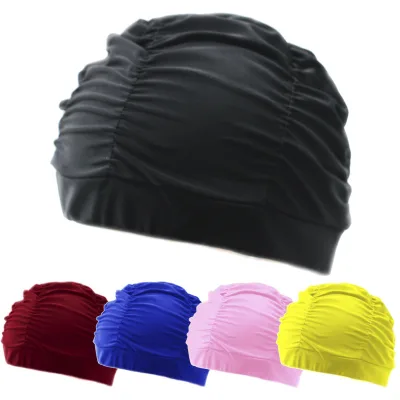

Premium Metal Swimsuit Rack Bikini Hanger Women's Bikini Rack Clothing Store
$2.31 - $2.66
MOQ: 10 pieces

Swimwear Hangers Bikini Underwear Bra Display Rack Swim Suit Metal Hanger
$1.87 - $2.24
MOQ: 100 pieces
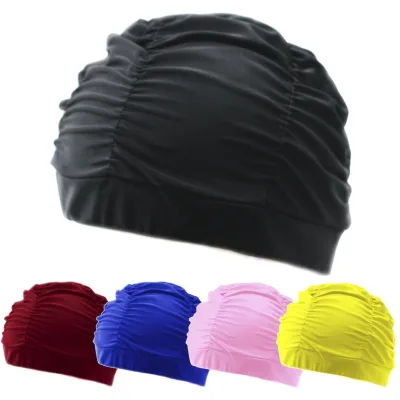

Environmentally Friendly Customized Swimming Cap Quick Delivery Available
$0.52 - $0.95
MOQ: 10 Pieces


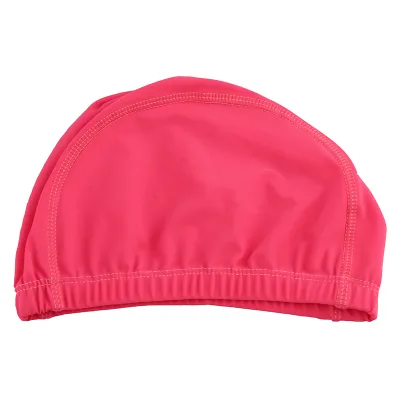


Comprehensive Sourcing Guide
Swim Cap Rack Sourcing Guide
Sourcing swim caps requires navigating a diverse market of materials, from silicone to synthetic blends, each offering distinct performance characteristics for different user demographics. Buyers must first distinguish between the caps themselves and the necessary storage infrastructure, such as racks, which are critical for maintaining hygiene and product longevity in retail or facility settings. The observed product landscape includes items ranging from basic fabric blends to specialized silicone designs, indicating a broad spectrum of quality tiers and price points available to international purchasers.
Understanding the specific material composition is the first step in defining procurement requirements. The market features silicone options noted for their durability and temperature resistance, alongside fabric caps constructed from spandex and polyester or nylon blends. These material differences directly impact the cap’s fit, breathability, and suitability for various water activities, from casual swimming to professional diving. Procurement teams should align their material selection with the end-user’s specific needs, ensuring that the chosen caps meet both functional expectations and comfort standards.
Product Scope and Observed Listing Signals
The current market signals indicate a wide range of customization options, with many suppliers offering OEM services and customizable logos. This flexibility allows brands to create unique product identities, but it also introduces complexity in verifying consistency across large orders. Buyers should note that while some products offer custom sizes and shapes, others adhere to standard youth or adult sizing, which affects inventory management and sizing charts. The presence of customizable packaging, such as OPP bags or cartons, further highlights the importance of defining logistical requirements early in the sourcing process.
Observed listing details reveal significant variation in fabric weights and compositions, ranging from lightweight blends to heavier, more durable materials. For instance, some caps utilize an 85% polyester and 15% spandex mix, while others feature higher nylon content for enhanced stretch and recovery. These variations influence the cap’s breathability, windproof qualities, and overall lifespan. Procurement specialists must carefully review these technical attributes to ensure that the selected products align with the intended usage environment, whether for high-frequency commercial use or occasional recreational swimming.
Technical Specifications to Verify
Verifying technical specifications is crucial for ensuring product performance and safety. Buyers should confirm the exact material composition, such as the percentage of spandex, polyester, or nylon, as these ratios determine the cap’s elasticity and fit. Additionally, fabric weight, measured in GSM, serves as a key indicator of durability and thickness. Thicker fabrics may offer better insulation and longevity, while lighter options provide greater comfort and breathability. It is essential to request detailed material certificates to validate these claims and prevent discrepancies between samples and bulk production.
Temperature resistance and special features are also critical technical aspects to evaluate. Some silicone caps are rated for a wide temperature range, indicating robustness against environmental stressors. Features such as windproofing, water resistance, and quick-drying capabilities enhance the user experience, particularly for athletes or frequent swimmers. Buyers should verify these claims through sample testing or third-party lab reports, ensuring that the caps perform as advertised under real-world conditions. This due diligence helps mitigate the risk of product failures and customer dissatisfaction.
Compliance and Safety Documentation
Compliance with safety standards is non-negotiable for swim caps, especially those intended for children or sensitive skin. Buyers must ensure that all products are free from harmful substances such as BPA, which is often highlighted as a key advantage in silicone products. Documentation should include material safety data sheets and compliance certificates that verify the absence of toxic chemicals. This is particularly important for caps used in public facilities or by young children, where health risks must be minimized through rigorous material selection and manufacturing practices.
Labeling and packaging compliance are equally important for international trade. Buyers should verify that all products meet the labeling requirements of their target markets, including fiber content, care instructions, and country of origin. Customizable logos and labels must be applied in a manner that does not compromise the integrity of the material or cause skin irritation. Ensuring that packaging is durable and informative helps protect the product during transit and provides clear guidance to end-users, enhancing the overall brand perception and customer satisfaction.
Cost Drivers and Commercial Terms
Cost drivers in swim cap procurement are influenced by material quality, customization complexity, and order volume. Silicone caps, with their superior durability and temperature resistance, typically command higher prices than fabric blends. Customization options, such as unique logos, sizes, and packaging, add to the production cost but can enhance brand value. Buyers should negotiate clear pricing structures that account for these variables, ensuring that the final cost aligns with their budget and margin targets. Understanding these drivers helps in making informed decisions about product selection and supplier partnerships.
Commercial terms, including lead times and payment conditions, play a significant role in the procurement process. Sample times can range from eight to ten days, while production times may extend to fifteen days or more, depending on order quantity. Buyers should plan their inventory accordingly to avoid stockouts or excess inventory. Additionally, shipping methods, whether by sea, air, or express, impact both cost and delivery speed. Establishing clear communication channels and agreeing on realistic timelines helps streamline the procurement process and reduces the risk of delays.
Supplier Qualification and Quality Control
Supplier qualification is a critical step in ensuring consistent product quality and reliable service. Buyers should assess suppliers based on their manufacturing capabilities, quality control processes, and track record. Factories located in established manufacturing hubs, such as Guangdong or Xiamen, often have access to skilled labor and advanced production technologies. However, location alone does not guarantee quality; buyers must verify the supplier’s ability to maintain consistency across large production runs. Requesting references and conducting factory audits can provide valuable insights into the supplier’s operational standards.
Quality control measures should be integrated into the procurement process from the outset. Buyers should define clear quality standards and inspection criteria, including checks for material defects, stitching quality, and logo accuracy. Implementing a robust quality control plan, which may include pre-production samples, in-line inspections, and final random inspections, helps identify and rectify issues before shipment. Collaborating with suppliers to establish a continuous improvement mindset ensures that any deviations from standards are addressed promptly, maintaining high levels of product quality and customer satisfaction.
Long-Term Procurement Checks
Long-term procurement success depends on establishing strong, collaborative relationships with suppliers. Regular communication and feedback loops help align expectations and address any emerging issues proactively. Buyers should schedule periodic reviews to assess supplier performance, including on-time delivery, product quality, and responsiveness to inquiries. Building a partnership based on mutual trust and transparency fosters a more resilient supply chain, capable of adapting to market changes and customer demands. This approach also encourages suppliers to prioritize the buyer’s needs, leading to better service and competitive pricing.
Continuous monitoring of market trends and technological advancements is essential for staying competitive. Buyers should stay informed about new materials, designs, and manufacturing techniques that could enhance product performance or reduce costs. Engaging with industry networks and attending trade shows can provide valuable insights into emerging opportunities and best practices. By remaining agile and proactive, procurement teams can leverage these insights to optimize their sourcing strategies, ensuring that their swim cap offerings remain relevant and appealing to end-users in a dynamic market.
FAQs
Can I get a custom logo on the swim cap?
Yes, a customizable logo is available for the silicone swimming cap. You can also request custom sizes and shapes to meet your specific requirements. The factory in Guangdong offers design assistance before production begins to ensure the final product matches your brand needs.
What is the sample time for a new order?
The sample time is typically 8 to 10 days for production. This duration allows the factory to prepare the specific design and material requirements. Once samples are approved, the full production time ranges from 10 to 15 days depending on the order quantity.
Which materials are used for the swimming caps?
The swimming caps are made from Spandex, Polyester, and Nylon blends. Specific fabric compositions include 85% Polyester with 15% Spandex or 80% Polyamide with 20% Spandex. These materials ensure the caps are breathable, nontoxic, and suitable for various water activities like diving and surfing.
How is the product packed for shipment?
Products are packed in OPP bags with carton boxes for bulk shipping. Specific packing options include 1 piece per OPP bag with 400 or 500 pieces per carton. This packaging method protects the caps during transit while keeping them organized for easy distribution to retailers.
What is the delivery time for bulk orders?
The delivery time is 2 to 5 weeks, depending on your quantity. This lead time covers production and shipping arrangements via sea, air, or express methods. Buyers should plan their inventory accordingly as the timeline varies based on the specific order volume and selected shipping route.
Can the swim cap be customized for different sizes?
Yes, the swim cap supports custom sizes and shapes for various users. It is suitable for unisex, women, men, girls, and babies. The factory provides customization services to ensure the cap fits different head sizes while maintaining high quality and comfort for all age groups.
What are the temperature limits for the silicone cap?
The silicone swimming cap has a temperature range of -55 to 250 degrees Celsius. This wide range ensures durability and performance in extreme conditions. The material is also non-stick and BPA free, making it safe for repeated use in swimming pools and water parks.