Source Swine Ultrasound Scanners for Breeding, Pregnancy, and Health
Source 30 Swine Ultrasound scanners designed for bovine and swine imaging applications. Compare models like the BW560V and BW580V-PRO, featuring rugged handcarry cases, waterproof probes, and rechargeable battery options for veterinary and agricultural use; compare the available evidence and request quotations based on your requirements.
Updated
Key considerations
Products List

Veterinary Ultrasound Veterinary Sonography Equine Ultrasound Swine Ultrasound
$1.00 - $2800.00
MOQ: 1 Pieces


Bxl-S301 Swine Diagnostic Ultrasound Machine Wireless Livestock Doppler Ultrasound
$10300.00 - $11600.00
MOQ: 1 Pieces
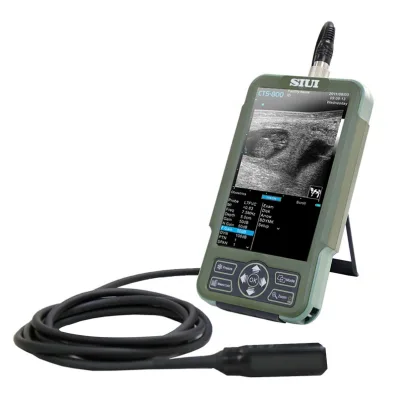
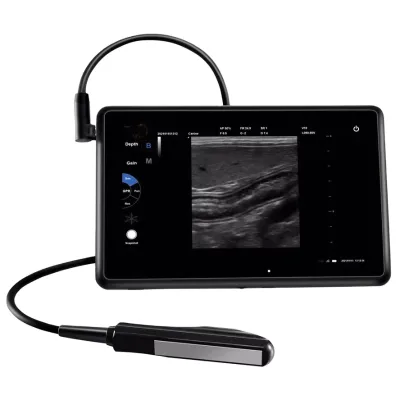
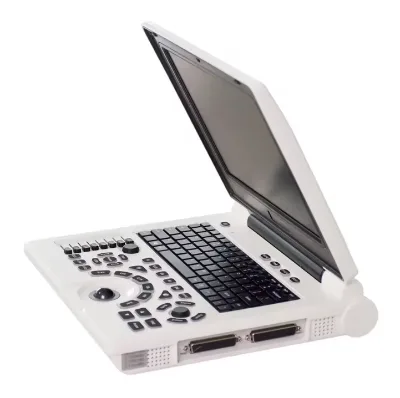
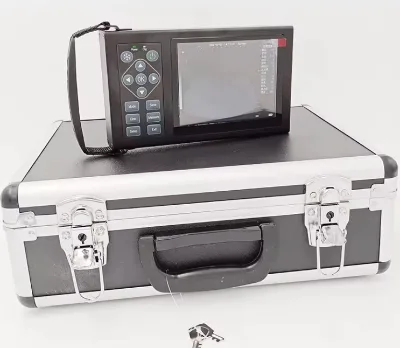
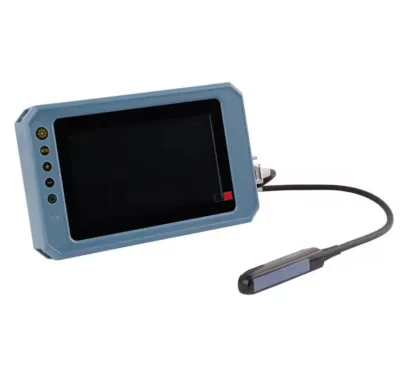


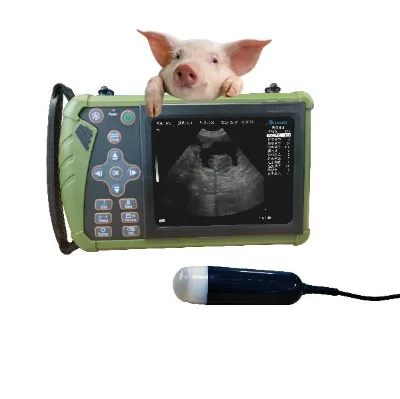
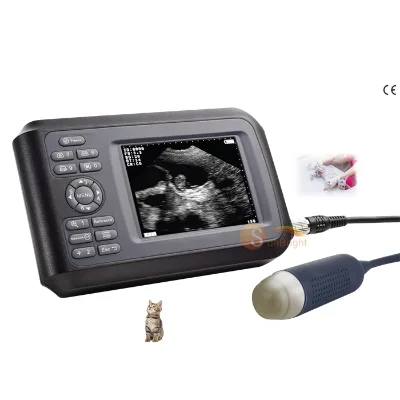
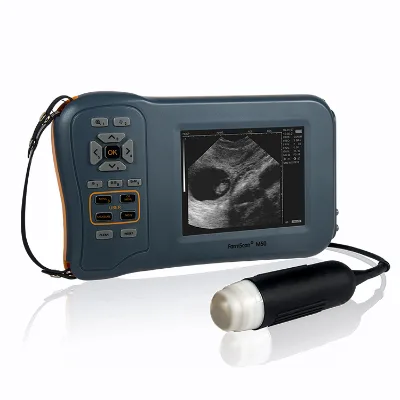
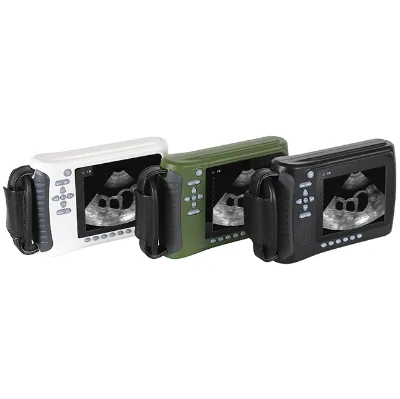

Veterinary Handheld Swine Ultrasound Scanner 6.5 MHz Ultrasound Transducer
$100.00 - $799.00
MOQ: 1 Pieces


Portable Ultrasound Handheld Machine Veterinary Ultrasound for Big Animals
$100.00 - $1000.00
MOQ: 1 Pieces

Veterinary Ultrasound Machine Handheld Scanner Machine Diagnostic System Vet Animal Ultrasound
$100.00 - $1000.00
MOQ: 1 Pieces

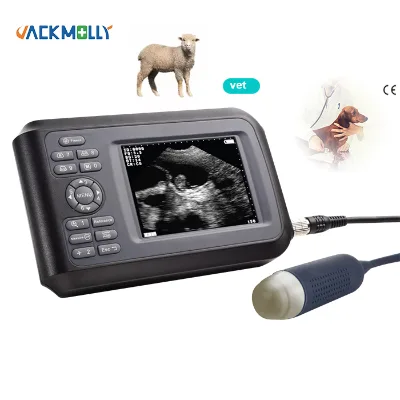
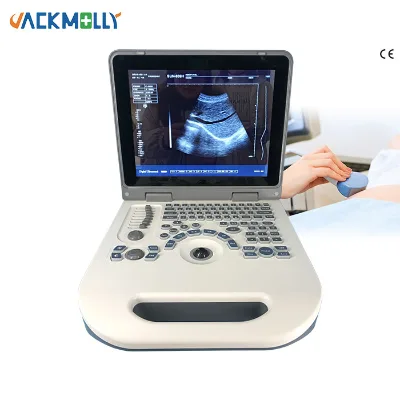
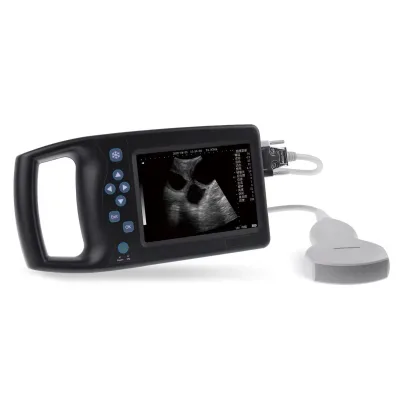
Comprehensive Sourcing Guide
Swine Ultrasound Sourcing Guide
Procuring Swine Ultrasound equipment requires a clear understanding of the specific imaging needs within modern livestock management. The available market data indicates a range of devices designed for scanning sheep, goats, pigs, and other animals, with models like the BW560V and BW580V-PRO appearing in listings. Buyers must distinguish between general veterinary tools and specialized units optimized for bovine and equine imaging, as some specifications explicitly mention suitability for equine and bovine applications rather than swine.
The commercial landscape for these devices shows a wide variance in pricing and minimum order quantities, with observed listings ranging from $1 to $11,600 and MOQs as low as one set. This disparity suggests that procurement strategies must align closely with the intended scale of operation, whether for a single farm or a large commercial facility. Understanding the specific model number and its associated features is critical before engaging with suppliers to ensure the selected hardware matches the operational requirements of the swine herd.
Product Scope and Observed Listing Signals
The product scope for Swine Ultrasound scanners includes portable units with rugged handcarry cases and rechargeable lithium battery power supplies, designed for field use in diverse environments. Listings highlight models with screen sizes ranging from 5.7 inches to 80 inches, though the latter appears to be a specialized display component rather than the main unit. Buyers should verify that the probe type is waterproof and multi-frequency, as these attributes are essential for maintaining hygiene and image clarity during animal examinations.
Observations of product attributes reveal a mix of customization options, with some units marked as non-customized while others offer available customization. The physical dimensions and weights vary significantly, with main unit weights noted at 1.1kg without accessories and net weights up to 1.6kg including the battery. Procurement teams must carefully review the packing standards, which range from standard export packing to specific carton configurations, to ensure the equipment arrives undamaged and ready for immediate deployment in swine facilities.
Technical Specifications to Verify
Technical verification must begin with the screen resolution and display technology, as some listings specify high-definition OLED screens with resolutions of 1024 by 768 pixels. It is crucial to confirm the actual screen size of the main unit, as discrepancies exist between 5.7-inch displays and larger 7-inch or 80-inch specifications found in different product entries. Buyers should prioritize models with a working time of above seven hours to ensure continuous operation during long scanning sessions without interruption.
Probe specifications are equally critical, with some units featuring 128-element rectal linear probes suitable for deep tissue imaging. The scanning depth capability, noted as above 27cm in certain listings, must be validated against the specific anatomical requirements of the swine being examined. Additionally, the image storage capacity, which can reach 420 permanent images in some models, should be assessed to determine if the device meets the data retention needs of the farm's record-keeping systems.
Compliance and Safety Documentation
Compliance verification requires checking for recognized quality management standards, with ISO13485 appearing as a documented standard for imaging diagnostic equipment in the supply chain. While some background context mentions CE and RoHS certifications, buyers must rely on the explicit documentation provided by the supplier to confirm that the specific unit meets these regulatory requirements for medical and veterinary use. The absence of explicit certification claims in the primary product facts necessitates a direct request for valid certificates before finalizing any purchase.
Safety documentation should also address the power supply mechanisms, ensuring that the AC and rechargeable lithium battery systems meet local electrical safety standards. The rugged handcarry cases and waterproof probes indicate a design focus on durability and hygiene, which are essential for maintaining safety protocols in a farm environment. Procurement teams must ensure that the supplier provides clear instructions on battery handling and probe maintenance to prevent operational hazards during routine use.
Cost Drivers and Commercial Terms
Cost drivers in the Swine Ultrasound market are heavily influenced by the complexity of the imaging technology, such as the inclusion of 2D/3D high-definition video glasses or advanced OLED screens. The observed price range of $1 to $11,600 suggests that features like RFID integration, high-definition transmission interfaces, and extended working times significantly impact the final cost. Buyers should analyze the feature set against their budget to determine if premium specifications like binocular 36-degree transmission light groups are necessary for their specific operational scale.
Commercial terms regarding delivery and minimum order quantities are equally important, with lead times observed as short as 3-5 working days and MOQs starting at one set. The standard export packing and manager packing options indicate that logistics costs may vary depending on the chosen packaging method. Procurement strategies should account for these variables, ensuring that the total cost of ownership includes shipping, potential customs duties, and the cost of any required accessories or spare parts.
Supplier Qualification and Quality Control
Supplier qualification should prioritize companies with a documented history of 17 years in the industry and a track record of selling products to 130 countries. This extensive market presence suggests a level of reliability and experience that can be beneficial for long-term support and parts availability. Buyers must verify that the supplier's quality control processes align with the ISO13485 standard mentioned in the product facts to ensure consistent manufacturing quality across all units.
Quality control checks should also focus on the specific model numbers and their associated specifications, as inconsistencies in product descriptions can indicate a lack of rigorous internal testing. The presence of multiple model numbers like BW540V, BW570V, and BW580V implies a diverse product line that requires careful verification to ensure the correct unit is delivered. Establishing a clear communication channel with the supplier for technical support and warranty claims is essential for maintaining operational continuity in swine management.
Long-Term Procurement Checks
Long-term procurement checks must include a review of the warranty terms, which are currently listed as 18 months for the observed products. This warranty period provides a baseline for expected product longevity, but buyers should negotiate terms that cover potential defects in the battery, screen, or probe components. Regular maintenance schedules should be established to ensure the waterproof probes and rechargeable batteries remain functional over the lifespan of the equipment.
Future-proofing the procurement strategy involves monitoring the evolution of imaging standards and the availability of software updates for the device's language and interface capabilities. With support for Chinese and English languages, the system should remain adaptable to changing operational needs. Buyers should also plan for the potential need to upgrade to newer models with enhanced features, such as improved image storage or higher resolution displays, to maintain competitive advantages in swine herd management.
FAQs
What models are available for Swine Ultrasound scanners?
The BW560V, BW540V, BW570V, and BW580V models are available for swine imaging. These units feature rugged handcarry cases and waterproof probes. They are designed for scanning sheep, goats, pigs, cats, and dogs. Each model offers different screen sizes and weights to suit various operational needs.
Can I customize the Swine Ultrasound equipment?
Customization is available for specific requirements. Some models are listed as non-customized, while others support tailored configurations. The equipment includes standard export packing and rugged cases. Buyers should verify customization options directly with suppliers to ensure the product meets their specific operational standards.
What is the delivery time for these scanners?
The standard delivery time is 3-5 working days. This rapid turnaround supports urgent procurement needs. The products originate from China and are packed in standard export packaging. Buyers can expect efficient logistics handling to ensure the ultrasound scanners arrive safely and promptly for immediate deployment.
What certifications do the ultrasound scanners hold?
The scanners are classified as imaging diagnostic equipment and adhere to ISO13485 standards. They are designed for veterinary applications including swine imaging. The equipment features rechargeable lithium batteries and high-resolution screens. Buyers should confirm specific certification documents with suppliers to ensure compliance with local regulatory requirements.
What is the minimum order quantity for these units?
The minimum order quantity is one set. This low MOQ allows for easy trial purchases and small-scale procurement. The equipment is suitable for various scales, including small and medium operations. Buyers can order single units without needing to meet large volume thresholds, facilitating flexible sourcing strategies.
How long does the battery last on these scanners?
The working time is above 7 hours on a single charge. The units use AC and rechargeable lithium batteries for power. This duration supports extended field use without frequent recharging. The battery life ensures reliable performance during long scanning sessions in veterinary clinics or farm settings.