Source Swivel Brake Caster Wheels for Chairs, Carts, and Racks
Compare 30 Swivel Brake Caster Wheels with options for nylon, PU, rubber, and hard rubber materials. Buyers can evaluate sizes from 1.5 to 8 inches, bearing types, and customization features to find the right fit for industrial or commercial applications.
Key considerations
Products List


Trolley Red PU Castors Wheel Swivel Industry Brake PVC PU Caster Wheels
$1.00 - $10.00
MOQ: 100 Pieces


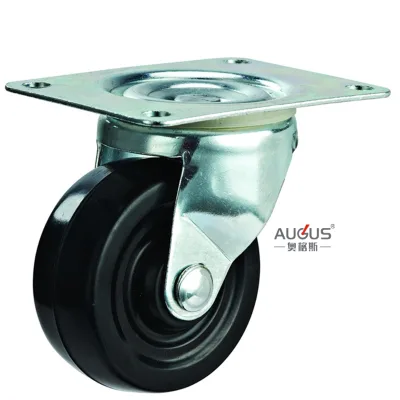
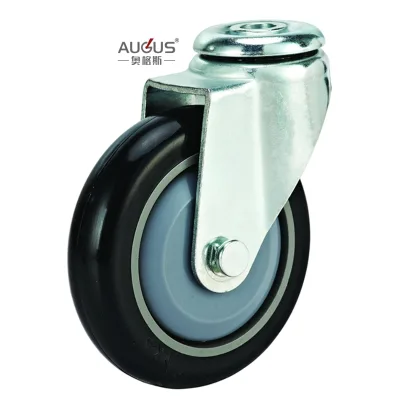

Forging Steel Fixed Swivel Front Brake Groove Single Double Caster Wheels
$58.00 - $68.00
MOQ: 50 Pieces


Comprehensive Sourcing Guide
Swivel Brake Caster Wheels Sourcing Guide
Selecting the right Swivel Brake Caster Wheels requires balancing mobility with precise load control in dynamic environments. Buyers must first define the operational context, whether it involves heavy industrial carts, medical equipment, or office furniture, as these applications dictate distinct performance thresholds. The presence of a braking mechanism is critical for safety, preventing unintended movement on inclines or during stationary tasks. Procurement teams should evaluate whether a full-lock brake, which immobilizes both the wheel and the swivel plate, or a partial-lock variant, which only stops the wheel rotation, best suits their specific workflow requirements.
Material selection is equally pivotal, as the wheel composition directly influences floor protection, noise levels, and load capacity. Common options observed in the market include polyurethane (PU), nylon, and hard rubber, each offering unique trade-offs between durability and surface compatibility. PU wheels are often favored for their smooth rolling and floor-friendly properties, while nylon provides superior resistance to abrasion and chemicals. Hard rubber variants offer a cost-effective solution for lighter loads but may wear faster under heavy stress. Understanding these material characteristics allows buyers to align product specifications with the physical demands of their facility’s flooring and operational intensity.
Product Scope and Observed Listing Signals
Market listings for Swivel Brake Caster Wheels reveal a diverse range of configurations, with wheel sizes typically spanning from 1.5 inches to 8 inches. This variety allows for tailored solutions based on the total weight capacity and maneuverability needs of the end application. Observations indicate that models are frequently categorized by their wheel material, such as PU, nylon, or hard rubber, and by their bearing type, including roller and ball bearings. Buyers should note that specifications often list multiple size options within a single product family, suggesting that customization is available to meet specific dimensional constraints.
Surface treatments and structural materials also play a significant role in product differentiation. Zinc plating is a common surface finish observed across various models, providing essential corrosion resistance for metal components like the swivel plate and stem. The underlying material for these structural parts is often specified as SPCC steel, which offers a balance of strength and formability. Additionally, some listings highlight CNC stamping as the machining method, indicating a focus on precision manufacturing. These signals suggest that buyers can expect a high degree of customization in terms of size, material, and finish, allowing for bespoke solutions that fit unique equipment designs.
Technical Specifications to Verify
When evaluating technical specifications, the bearing type is a primary determinant of rolling efficiency and load handling. Roller bearings are often preferred for heavy-duty applications due to their ability to support significant radial loads, while ball bearings offer smoother rotation for lighter, more agile tasks. Buyers must verify the specific bearing model, such as the 6204zz, to ensure compatibility with existing equipment and to assess the expected lifespan under continuous use. The hardness of the wheel material, often measured in Shore A scales like 75A, also impacts performance, influencing how the wheel interacts with uneven surfaces and absorbs shock.
Wheel size and thickness are critical dimensions that affect both the load capacity and the height of the mounted equipment. Standard sizes range from 2.5 inches to 8 inches, with thicknesses around 30mm being common for certain models. Buyers should confirm the exact wheel diameter and width to ensure proper fitment within the equipment’s frame and to maintain the desired ground clearance. Additionally, the standard of the caster, whether it adheres to specific regional standards like EN or GB, or is fully customized, should be clearly defined. This ensures that the product meets the mechanical requirements of the application and integrates seamlessly with the host machinery.
Compliance and Safety Documentation
Safety documentation is paramount when sourcing Swivel Brake Caster Wheels, particularly for applications involving human interaction or heavy loads. Buyers should request detailed technical data sheets that outline the load ratings for both static and dynamic conditions, ensuring the selected caster can safely handle the maximum expected weight. The braking mechanism’s effectiveness must be verified through manufacturer-provided test results or certification reports, confirming that the brake can reliably hold the rated load on specified inclines. This documentation serves as a critical reference for risk assessment and helps prevent accidents caused by caster failure or unintended movement.
Environmental and material compliance is another key area requiring attention. Buyers should inquire about the presence of hazardous substances in the wheel material, such as phthalates in PU or rubber compounds, to ensure adherence to regulations like REACH or RoHS, depending on the target market. While specific certifications may not be explicitly listed in all product descriptions, reputable suppliers should be able to provide material safety data sheets (MSDSDs) and compliance statements. Verifying these documents helps mitigate legal risks and ensures that the products meet the environmental standards required by the end-user’s industry or geographic region.
Cost Drivers and Commercial Terms
The cost of Swivel Brake Caster Wheels is influenced by several factors, including the wheel material, bearing type, and surface treatment. Polyurethane and nylon wheels typically command higher prices than hard rubber due to their superior durability and performance characteristics. Similarly, casters with roller bearings or specialized braking mechanisms may be priced higher than basic ball-bearing models. Surface treatments like zinc plating add to the cost but provide essential corrosion resistance, which can reduce long-term maintenance expenses. Buyers should consider the total cost of ownership, weighing initial purchase price against expected lifespan and maintenance requirements.
Commercial terms such as minimum order quantity (MOQ) and packaging details also impact the overall procurement strategy. MOQs can vary significantly, ranging from small quantities for prototyping to large volumes for mass production, with observed ranges extending up to 5000 units. Packaging methods, such as carton or plywood box, affect shipping costs and product protection during transit. Buyers should negotiate clear terms regarding lead times, payment conditions, and warranty coverage, which is often specified as three years for certain models. Understanding these commercial variables allows for more accurate budgeting and supply chain planning.
Supplier Qualification and Quality Control
Supplier qualification is essential to ensure consistent quality and reliable delivery of Swivel Brake Caster Wheels. Buyers should assess the supplier’s manufacturing capabilities, including their use of CNC stamping and other precision machining methods, to verify their ability to produce high-quality components. The origin of the products, often China for these types of industrial components, should be considered in the context of the supplier’s export experience and quality management systems. Requesting samples for physical inspection allows buyers to evaluate the build quality, finish, and functionality of the braking mechanism before committing to a larger order.
Quality control processes should be clearly defined and agreed upon prior to production. Buyers should inquire about the supplier’s inspection protocols, including incoming material checks, in-process quality control, and final random inspections. The condition of the products, typically new, should be verified, and any defects or deviations from specifications should be addressed through a clear non-conformance process. Establishing a robust quality assurance framework helps minimize the risk of receiving substandard products and ensures that the casters meet the required performance standards throughout their operational life.
Long-Term Procurement Checks
Long-term procurement success depends on establishing a sustainable relationship with suppliers who can support ongoing needs and adapt to changing requirements. Buyers should monitor supplier performance metrics, such as on-time delivery rates and defect frequencies, to identify potential issues early. Regular communication and feedback loops help maintain alignment on quality expectations and allow for continuous improvement in the supply chain. Additionally, staying informed about market trends and technological advancements in caster technology can help buyers make informed decisions about product upgrades or replacements.
Reviewing warranty claims and field performance data is crucial for assessing the long-term reliability of the selected casters. Buyers should track any failures or issues reported by end-users and share this information with the supplier to drive product improvements. The availability of spare parts and the supplier’s responsiveness to service requests are also key factors in maintaining operational continuity. By proactively managing these aspects, buyers can ensure that their Swivel Brake Caster Wheels continue to perform reliably, minimizing downtime and maximizing the value of their procurement investment over time.
FAQs
How do I choose between PU, rubber, nylon, and hard rubber Swivel Brake Caster Wheels?
Choose based on floor type, load, and environment. PU wheels roll quietly and protect hard floors, rubber absorbs shock well, hard rubber handles rougher surfaces, and nylon suits high loads. Sizes range from 1.5 to 8 inches, so match wheel diameter to the weight your equipment carries.
What wheel sizes are available for these Swivel Brake Caster Wheels?
Available sizes span 1.5 to 8 inches depending on wheel material. PU casters come in 4 to 8 inch and 1.5 to 3 inch ranges, hard rubber versions run 1.5 to 3 inches, nylon versions run 2.5 to 5 inches, and a 60mm chair caster is also offered.
Which Swivel Brake Caster Wheels are suitable for chairs and light furniture?
Smaller sizes from 1.5 to 3 inches work best for chairs and light furniture, and a 60mm model is designed specifically for chair usage. Light-duty PU or hard rubber wheels roll smoothly on indoor flooring, while ball bearings improve rotation.
Can I get these caster wheels with a brake or without one?
Both options are available. Brake versions let you lock the wheel to hold equipment in place on slight slopes or during loading, while non-brake versions suit equipment that moves freely. Confirm the brake style you need when requesting a quote.
Can these casters be customized for my application?
Customization is available. You can request specific wheel materials, sizes, bearing types, plating finishes, and mounting configurations to fit your equipment. For custom metal fabrication parts, production uses CNC stamping with SPCC material and zinc plating finish.
What materials and finishes are used in these caster wheels?
Wheels are made from PU, rubber, hard rubber, nylon, or TPU depending on the model. Brackets use steel and can be zinc plated for corrosion resistance. Bearing options include roller bearings and ball bearings, with some models using 6204zz bearings rated at 75A hardness.
How are the caster wheels packed for shipping?
Standard packing is cartons, which suits most wholesale orders and protects wheels during transit. For larger custom metal fabrication parts, plywood boxes are used for heavier protection. Confirm packing preferences and carton quantities when requesting quotes.