Source Syntholube PFPE Grease for industrial, automotive, and mining
Find 30 listings for Syntholube PFPE Grease suitable for industrial, automotive, and mining applications. Buyers can compare specifications, packaging options, and temperature ranges from verified suppliers in China.
Key considerations
Products List
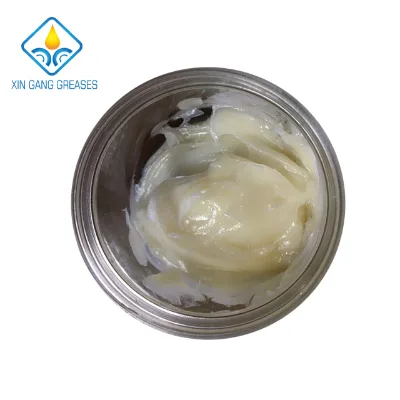
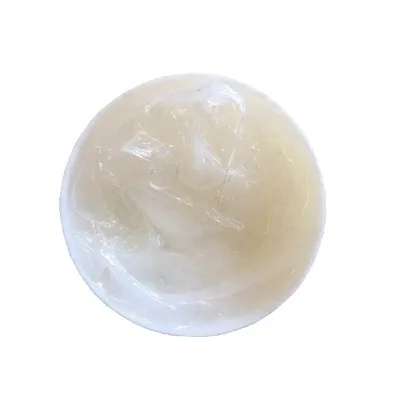
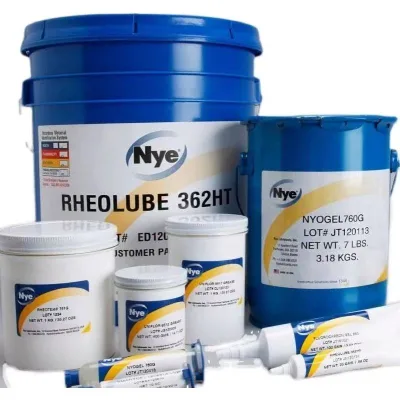
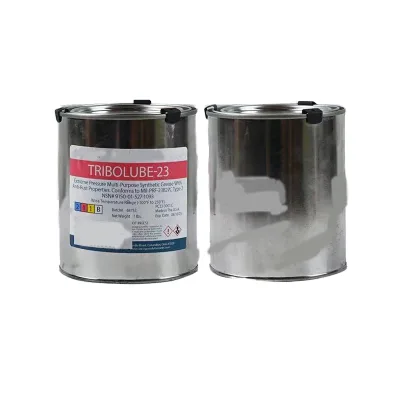


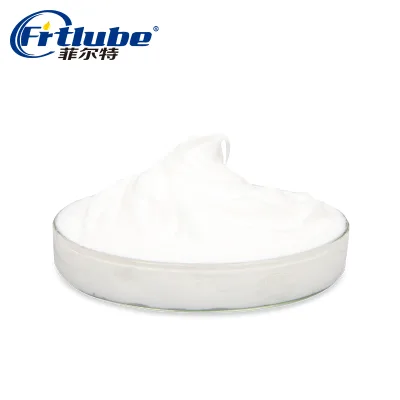
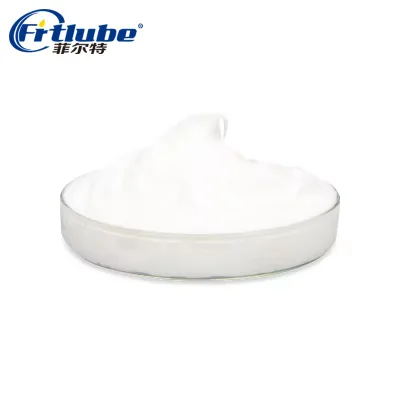
FRTLUBE High Temperature Corrosion-resistant Waterproof PTFE Grease
$248.00 - $258.00
MOQ: 1 kilograms
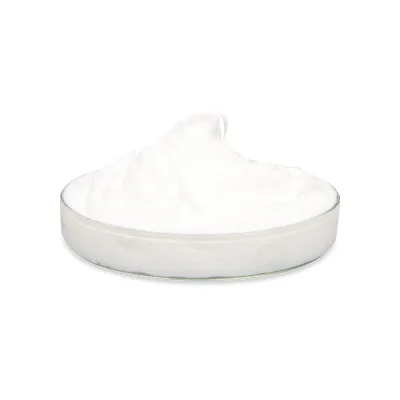
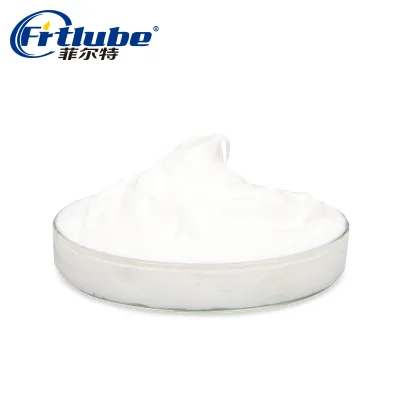
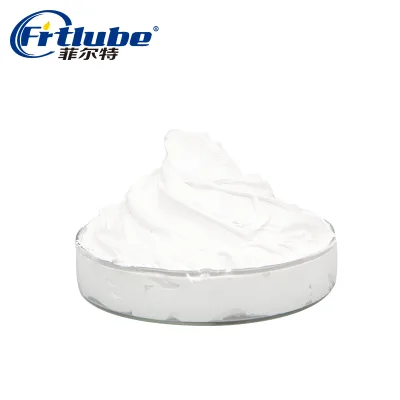
NLGI2 Manufacturer Price High Temp Multi Purpose PFPE Grease FLC115
$120.00 - $130.00
MOQ: 1 kilograms


Comprehensive Sourcing Guide
Strategic Sourcing Guide for Syntholube PFPE Grease
Understanding the Product Category and Technical Identity
Syntholube PFPE Grease represents a specialized segment within the industrial lubrication market, distinguished by its perfluoropolyether (PFPE) base oil composition. Unlike conventional mineral or synthetic hydrocarbon greases, PFPE-based products offer unique chemical stability, making them essential for extreme operating environments. The core keyword "Syntholube PFPE Grease" points to formulations where the thickener and base fluid are engineered to resist chemical degradation, high temperatures, and vacuum conditions. In the context of available market data, this category often includes products sourced from manufacturers in Zhejiang and Guangdong, China, where industrial lubricant production is concentrated.
The technical identity of these greases is defined by their base composition. Market observations indicate that the general composition is primarily BASE Oil, specifically categorized under sources like "Syntholube" or "Liquid Mineral Lubricants" in various listings, though the PFPE designation implies a fluorinated base. The physical state of these products varies; some are observed as "White Solid," while others are described as "Semi Solid" or possessing a "Buttery" texture. This variation in shape and texture is critical for application suitability. For instance, a "Buttery" texture often correlates with specific NLGI grades, such as NLGI Grade 2, which is a common consistency for general-purpose industrial greases. The appearance is frequently noted as "White" or "Smooth," which can serve as a visual quality indicator during initial inspection, though it does not guarantee chemical purity without laboratory verification.
Critical Technical Specifications and Performance Parameters
When evaluating Syntholube PFPE Grease for procurement, buyers must scrutinize specific technical parameters that define performance boundaries. The most significant factor is the operation temperature range. Available data highlights products capable of functioning within ranges such as -30°C to 300°C and -30°C to 200°C. This wide thermal window is a hallmark of PFPE technology, allowing the grease to remain stable in both cryogenic and high-heat scenarios where standard greases would either freeze or oxidize rapidly. Buyers should verify that the specific product's temperature rating aligns with their machinery's peak and minimum operating conditions.
Another vital specification is the NLGI (National Lubricating Grease Institute) grade. The provided context explicitly mentions NLGI Grade 2 for certain PFPE formulations. This grade indicates a semi-solid consistency that is generally suitable for ball and roller bearings, offering a balance between flowability and retention. However, the thickener system is equally important. Some listings specify PTFE (Polytetrafluoroethylene) as the thickener, which enhances the grease's dry-film properties and reduces friction. The presence of PTFE as a thickener suggests the product may be designed for high-load or low-speed applications where film strength is paramount.
The physical form and packaging also influence technical handling. Products are available in various formats, including 1kg plastic containers, 18kg pails, 180kg drums, and 25kg drums. The choice of packaging must align with the consumption rate and storage capabilities of the facility. Furthermore, the standard for particle size or micron rating is sometimes specified, with observations noting a standard of 5-8 microns for certain grades. This micron specification is crucial for applications involving tight tolerances or sensitive hydraulic systems where particulate contamination could cause premature wear.
Compliance, Certification, and Regulatory Verification
Navigating the compliance landscape for industrial lubricants requires a rigorous approach to certification verification. While some background information suggests the existence of ISO 9001, RoHS, and REACH standards, these should be treated as potential market norms rather than guaranteed attributes of every listed product. Buyers must not assume a supplier holds these certifications without requesting valid, current documentation. The primary certification explicitly observed in the context is SAE (Society of Automotive Engineers), which is relevant for automotive and heavy-duty industrial applications.
When sourcing Syntholube PFPE Grease, the buyer should prioritize verifying the product's compliance with industry-specific standards. For instance, if the application involves food processing, the grease must meet FDA or NSF requirements, which are not explicitly confirmed in the provided data but are a standard expectation for that sector. Similarly, for aerospace applications, specific military or aviation standards (such as MIL-PRF-81309) often apply, though the provided text only mentions "aerospace" as a brand name rather than a certification.
Buyers should also be aware of the "Standard" field in product listings, which sometimes indicates "decide by customers' requirements." This flexibility suggests that the supplier may offer custom formulations, but it also places the burden of specification definition on the buyer. In such cases, the buyer must clearly define the required chemical resistance, viscosity, and temperature limits in the purchase order to ensure the final product meets regulatory and safety standards. The absence of explicit certification claims for specific products in the data underscores the need for direct supplier engagement to confirm compliance status before placing an order.
Cost Drivers and Economic Factors in Procurement
The cost of Syntholube PFPE Grease is influenced by several distinct factors, primarily the raw material composition and the complexity of the formulation. PFPE base oils are significantly more expensive to produce than mineral or standard synthetic hydrocarbon oils due to the fluorination process. Consequently, the price range for these products is broad, observed from $0.22 to $2000 per unit. This wide variance reflects differences in brand positioning, concentration of active ingredients, packaging size, and the level of customization required.
The Minimum Order Quantity (MOQ) is another critical economic driver. Market data shows an MOQ range from 1 to 2000 units. For small-scale operations or prototyping, suppliers offering an MOQ of 1 or single-item selling units provide flexibility, though the unit price may be higher. Conversely, large industrial users can leverage economies of scale by ordering in multiples of 180kg drums or larger, potentially reducing the cost per kilogram. The "Selling Units" attribute, which varies between "Single item" and "Multiple of 1," further dictates the purchasing strategy. Buyers must calculate the total cost of ownership, including shipping and storage, rather than focusing solely on the unit price.
Customization is a significant cost variable. The data indicates that "Customization: Available" for certain products. Custom formulations, such as specific NLGI grades, unique thickener blends, or tailored packaging, will invariably increase the cost and potentially extend the lead time. Buyers should weigh the benefits of a custom solution against the premium price, ensuring that the specific performance gains justify the additional expenditure. Additionally, the "Source" of the product, whether "Liquid Mineral Lubricants" or "Syntholube," can impact pricing, as specialized synthetic sources typically command a higher price point than generic mineral-based alternatives.
Typical Applications and Industry Suitability
Syntholube PFPE Grease is engineered for demanding environments where standard lubricants fail. The observed applications span a diverse range of industries, including Mining, Marine, Industrial Machinery, Food Processing, Construction, Automotive, and Agriculture. This breadth of application highlights the versatility of PFPE technology in handling extreme conditions.
In the Mining and Marine sectors, the grease must withstand high loads, moisture, and corrosive elements. The high-temperature stability (up to 300°C) and protective lubricant properties make it suitable for heavy machinery operating in harsh conditions. For Food Processing, the grease's chemical inertness and potential for meeting food-grade standards are essential, although buyers must explicitly verify food-grade certification as it is not universally confirmed in the general data.
The Automotive and Aerospace sectors utilize these greases for high-speed bearings and components exposed to extreme thermal cycling. The "aerospace" brand name in the data suggests a specific niche for aviation-grade lubricants, which require rigorous performance validation. In Construction and Agriculture, the grease protects equipment from dust, dirt, and temperature fluctuations. The "Protective Lubricant" property is particularly relevant here, ensuring that moving parts remain shielded from wear and corrosion.
The following table summarizes the alignment between observed product attributes and potential industry applications:
| Industry Sector | Key Requirement | Relevant Product Attribute |
|---|---|---|
| Mining & Marine | Corrosion Resistance, High Load | Protective Lubricant, NLGI 2 |
| Food Processing | Chemical Inertness, Safety | White Appearance, Customization Available |
| Automotive & Aerospace | Thermal Stability, Low Friction | -30~300°C Range, PTFE Thickener |
| Industrial Machinery | Long Service Life, Versatility | High and Low Temperature Lubricating Oil |
| Construction | Dust Protection, Durability | Semi Solid Shape, White Solid |
Supplier Evaluation and Quality Control Protocols
Selecting a reliable supplier for Syntholube PFPE Grease requires a systematic evaluation process. The data indicates suppliers are located in Zhejiang and Guangdong, China, which are major hubs for chemical and lubricant manufacturing. Buyers should verify the "Place of Origin" to ensure the product comes from a region with established industrial infrastructure. The "Brand Name" varies from generic labels like "XIN GANG" to specialized brands like "NYE RHEOLUBE" and "KLUBER," each implying different levels of brand reputation and quality assurance.
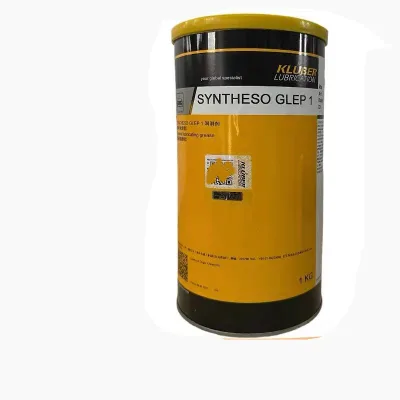
Quality control should begin with the verification of product specifications against the purchase order. Buyers must confirm the "Model Number" (e.g., XG-PFPE, 716A, SYNTHESO GLEP 1) to ensure the correct formulation is being supplied. The "Appearance" and "Shape" should match the agreed-upon standards, such as "White Solid" or "Smooth" texture. Any deviation could indicate contamination or formulation errors.
Furthermore, the "Standard" field, which may be "decide by customers' requirements" or specific values like "white" or "5-8micron," must be strictly adhered to. Buyers should request batch-specific test reports that verify the NLGI grade, thickener type, and temperature range. The presence of "Customization: Available" suggests that the supplier is capable of adapting to specific needs, but this also requires a robust quality assurance agreement to ensure the custom product meets the defined specifications.
Long-Term Procurement and Operational Considerations
Sourcing Syntholube PFPE Grease is not merely a transactional activity but a strategic decision that impacts long-term operational efficiency. The "Operation Temperature Range" and "Property" of the grease directly influence equipment lifespan and maintenance intervals. Using a grease with a temperature range that exceeds the application's requirements can lead to unnecessary costs, while under-specifying can result in equipment failure.
Buyers should consider the "Plastic Forming Method" and "Plastic Properties After Heated" if the grease is used in conjunction with plastic components or if the packaging materials are relevant to storage conditions. The observation of "Thermosetting Plastic" properties in some contexts suggests that the grease or its packaging may have specific thermal stability characteristics that need to be managed.
Finally, the "Selling Units" and "prod_packing" options (e.g., 1kg Plastic, 18kg Pail, 180kg Drum) affect inventory management and waste reduction. Larger packaging sizes are generally more cost-effective for high-volume users but require adequate storage space. Smaller units are better for low-volume or high-mix environments. Buyers should establish a long-term supply agreement that accounts for potential fluctuations in raw material costs, ensuring a stable supply chain for this critical industrial input. By focusing on verified specifications, robust supplier evaluation, and clear quality control protocols, buyers can secure a reliable supply of Syntholube PFPE Grease that meets their specific operational demands.
FAQs
What is the operating temperature range for Syntholube PFPE Grease?
The operating temperature range spans from -30 to 300 degrees Celsius. Some specific formulations are rated for -30 to 200 degrees Celsius, ensuring stability in extreme thermal conditions.
Which NLGI grade is commonly used for Syntholube PFPE Grease?
NLGI Grade 2 is a common consistency for these greases. This semi-solid texture offers a balance between flowability and retention suitable for various industrial bearings.
Can Syntholube PFPE Grease be customized for specific needs?
Yes, customization is available for many Syntholube PFPE Grease products. Buyers can request specific standards or formulations based on their unique operational requirements.
What packaging options are available for Syntholube PFPE Grease?
Packaging includes 1kg plastic containers, 18kg pails, 180kg drums, and 25kg drums. The choice depends on the consumption rate and storage capabilities of the facility.
Where are Syntholube PFPE Grease manufacturers primarily located?
Manufacturers are primarily located in Zhejiang and Guangdong, China. These regions are major hubs for industrial lubricant production and chemical manufacturing.
What certifications are relevant for Syntholube PFPE Grease?
SAE certification is explicitly observed for some products. Buyers should verify other potential standards like ISO 9001 directly with suppliers as they are not guaranteed.