Source Synthetic Shaving Brush for Men's Grooming and Travel
Find 30 options for Synthetic Shaving Brush products from China. Compare features like handle materials, bristle types, and customization options to select the right tool for personal care routines; compare the available evidence and request quotations based on your requirements.
Key considerations
Products List
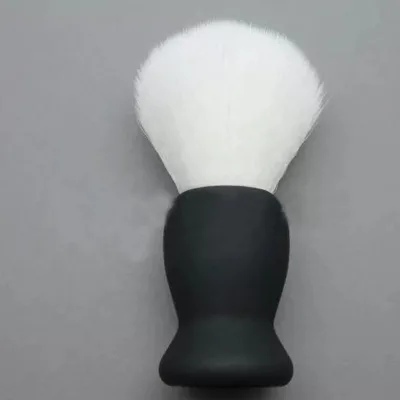
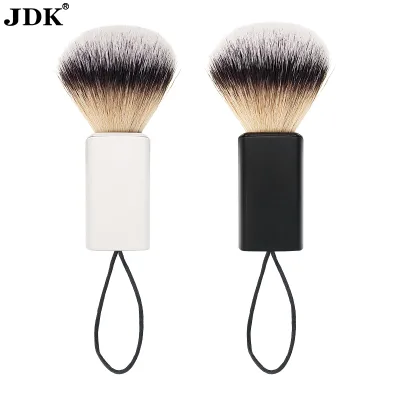
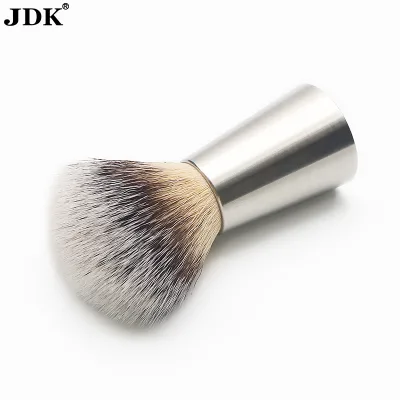
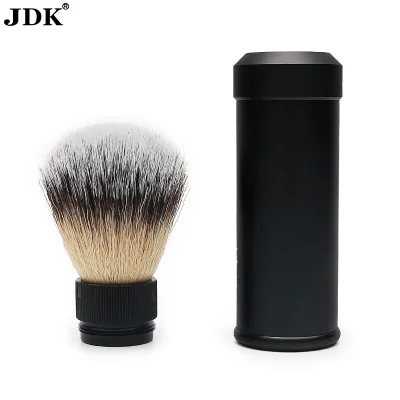
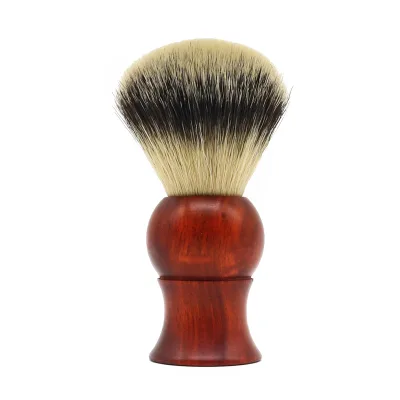
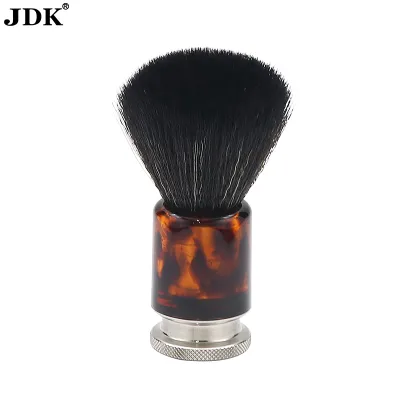
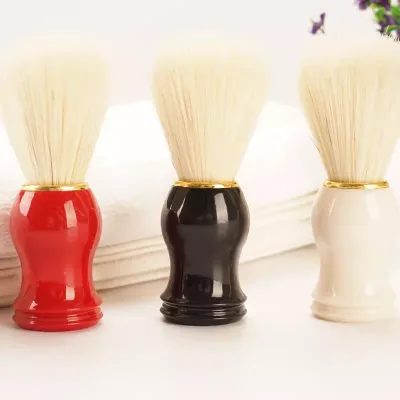


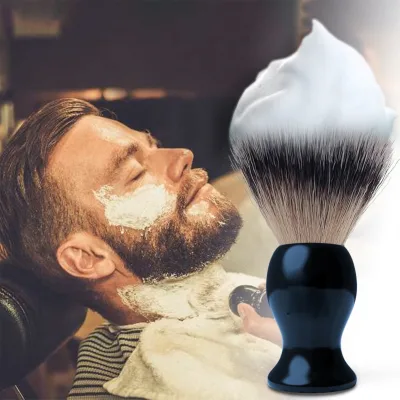
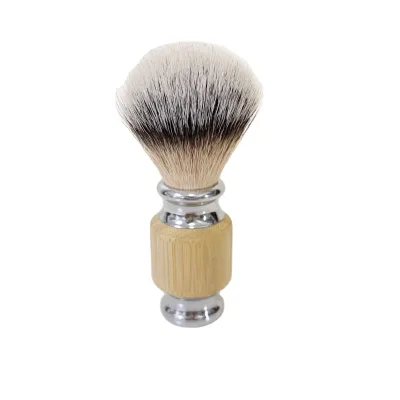
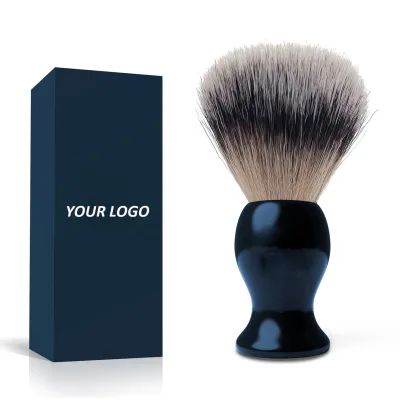
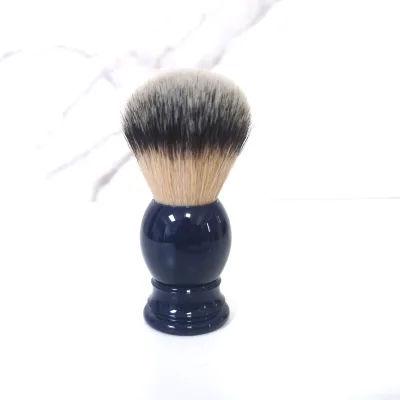
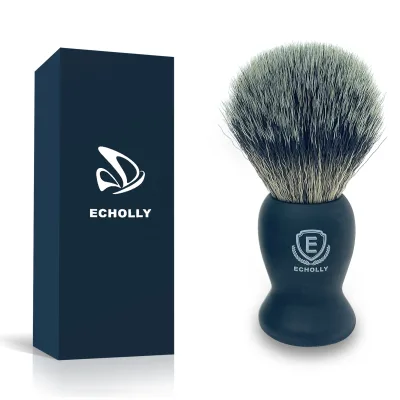
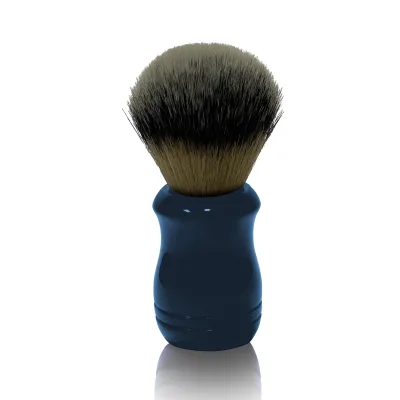
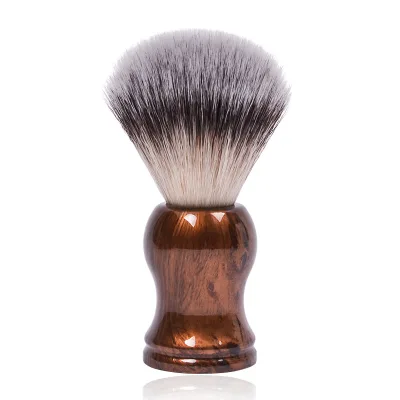
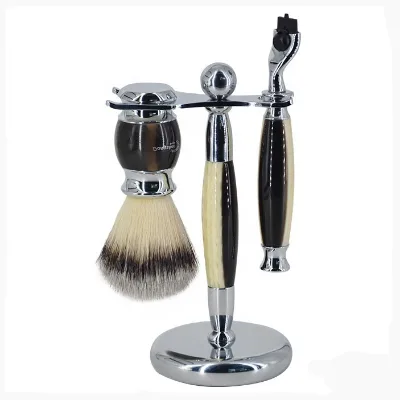
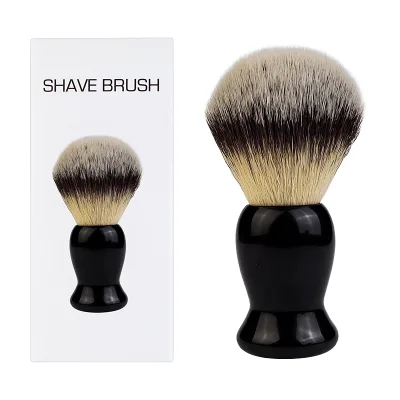
High Quality Synthetic Shaving Brush Set,wholesale Cheap Shaving Brush Kits
$14.29 - $16.36
MOQ: 100 pieces
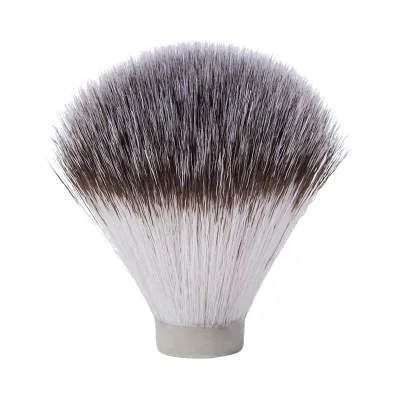
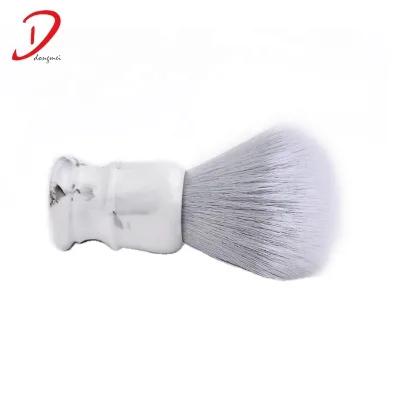
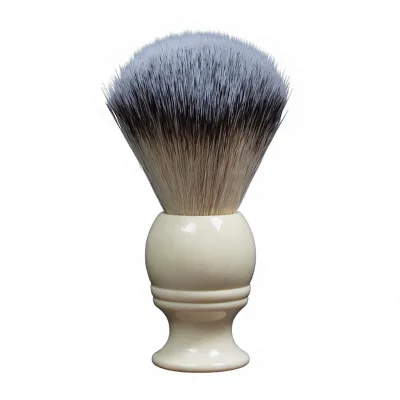
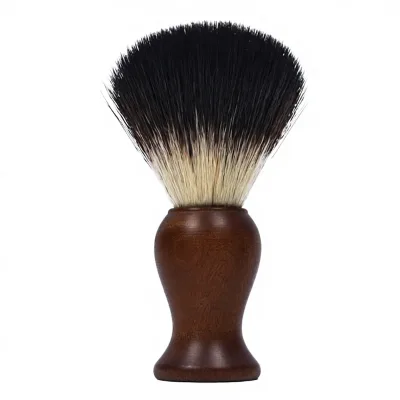


Hot Selling Grooming Synthetic Fiber Hair Resin Handle Soft Touch Shaving Brush
$3.50 - $4.00
MOQ: 10 Pieces
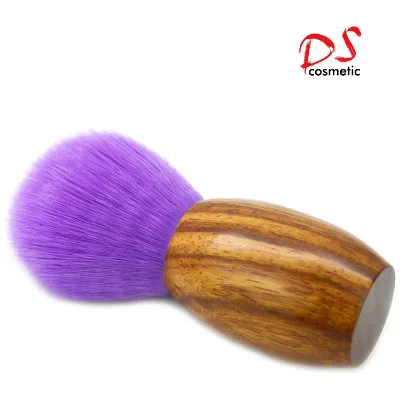


Comprehensive Sourcing Guide
Synthetic Shaving Brush Sourcing Guide
Sourcing synthetic shaving brushes requires a clear understanding of the material advantages and manufacturing origins that define this category. The observed market data indicates a strong concentration of supply from Guangdong, China, with additional sources in Hebei, reflecting distinct regional manufacturing capabilities. Buyers must recognize that "synthetic" encompasses various fiber types, including those marketed as synthetic badger or standard synthetic hair, which differ in texture, water retention, and durability. The core keyword, Synthetic Shaving Brush, points to products designed for men’s personal care and face grooming, offering a cruelty-free alternative to natural bristles while maintaining high performance.
Procurement decisions should be guided by the specific handle materials and branding options available, as these significantly impact the final product’s perceived value and utility. Listings reveal a variety of handle constructions, ranging from plastic and aluminum to amber and metal combinations, each offering different aesthetic and functional properties. The presence of OEM branding opportunities, such as custom logos and laser printing, suggests that many suppliers are equipped to support private label programs. Understanding these variations is essential for aligning product specifications with target market expectations, whether the goal is mass-market affordability or premium personal care positioning.
Product Scope and Observed Listing Signals
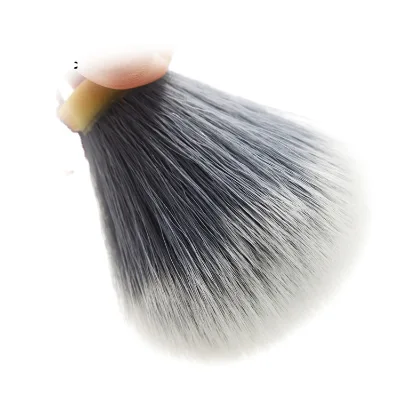
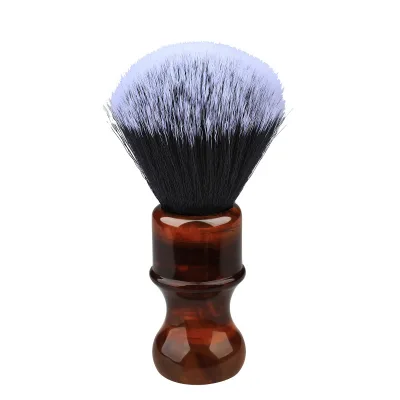
The current market landscape for synthetic shaving brushes displays a wide range of product configurations, primarily driven by handle material and bristle composition. Observed listings highlight products with plastic handles, aluminum handles, and unique combinations like amber with metal handles, indicating a diverse supply base catering to different design preferences. The bristles are consistently identified as synthetic, with some listings specifying "synthetic badger" or "synthetic hair," which may refer to the fiber cut or density rather than a distinct material class. Buyers should note that while the core function remains shaving, the intended use sometimes extends to general face and personal care, broadening the potential application scope for certain models.
Pricing and minimum order quantities (MOQs) vary significantly across suppliers, reflecting differences in material costs and production scales. The observed price range spans from approximately $0.20 to $16.36 USD, suggesting that budget-friendly options exist alongside premium, feature-rich models. MOQs are similarly flexible, ranging from as low as 100 pieces to 1000 pieces, which allows buyers to test the market with smaller initial orders or commit to larger volumes for better unit economics. Sample availability is frequently noted as a key service feature, enabling buyers to verify bristle softness, handle ergonomics, and overall build quality before committing to bulk production.
Technical Specifications to Verify
Verifying technical specifications is critical to ensuring that the Synthetic Shaving Brush meets functional and aesthetic requirements. Key attributes to confirm include the handle material, which can be plastic, aluminum, or amber-metal composites, as this affects weight, balance, and durability. The bristle type must be explicitly defined as synthetic, with attention to whether it is labeled as synthetic badger or standard synthetic hair, as this influences water retention and lather generation. Additionally, the model numbers provided, such as JDK-S3A05 or JDK132404191, serve as unique identifiers for specific configurations, so buyers should cross-reference these codes with detailed product datasheets to avoid mismatches in color, size, or packaging.
Packaging and dimensional specifications also play a vital role in logistics and retail readiness. Single package sizes observed range from 11x2x5.5 cm to 15x4x4 cm, which impacts shipping volume and storage efficiency. The gross weight of individual units varies from 0.050 kg to 0.200 kg, depending on the handle material and bristle density, which is crucial for calculating freight costs. Buyers should verify the packaging type, such as OPP bags, to ensure it provides adequate protection during transit while meeting any retail display requirements. Confirming these physical attributes early in the sourcing process helps prevent unexpected costs or logistical challenges downstream.
Compliance and Safety Documentation
While specific certification statuses are not explicitly detailed in the observed listings, buyers must proactively request compliance documentation to ensure market access and consumer safety. Synthetic shaving brushes, being personal care items, may need to comply with regional regulations regarding cosmetic tools and materials in contact with skin. Buyers should verify that the synthetic bristles and handle materials are free from harmful substances, such as heavy metals or toxic adhesives, particularly when dealing with aluminum or amber handles that may involve chemical treatments. Requesting material safety data sheets (MSDS) or general product safety declarations can provide assurance that the components meet basic health and safety standards.
Furthermore, branding and labeling compliance are essential, especially for private label orders. Suppliers offering custom logos and laser printing must ensure that the branding process does not compromise the structural integrity of the handle or bristles. Buyers should confirm that the printing methods used, such as laser engraving or ink printing, adhere to relevant standards for durability and non-toxicity. It is also important to verify that the product labeling accurately reflects the material composition, such as distinguishing between synthetic hair and synthetic badger, to avoid misleading claims. Engaging with suppliers who have experience in exporting to your target market can help navigate these regulatory nuances effectively.
Cost Drivers and Commercial Terms
The cost of synthetic shaving brushes is influenced by several key factors, including the handle material, bristle quality, and customization options. Aluminum and amber-metal handles typically command higher prices than standard plastic handles due to material costs and more complex manufacturing processes. Customization, such as adding a logo or selecting specific colors like black, white, or silver, can also impact the unit price, especially if it requires additional setup or specialized equipment. Buyers should consider the trade-off between aesthetic appeal and cost, as premium finishes may increase the price but enhance the product’s marketability.
Commercial terms, particularly MOQs and sample policies, significantly affect the overall procurement strategy. The observed MOQ range of 100 to 1000 pieces allows for flexibility, but buyers should negotiate based on their volume commitments and risk tolerance. Sample availability is a crucial commercial term, as it allows for quality verification before bulk production. Buyers should clarify whether samples are free or charged, and if charged, whether the cost is deductible from the bulk order. Understanding these terms helps in budgeting accurately and managing cash flow, ensuring that the sourcing process aligns with financial constraints and business goals.
Supplier Qualification and Quality Control
Qualifying suppliers for synthetic shaving brushes requires a thorough assessment of their manufacturing capabilities and quality control processes. Buyers should verify the supplier’s location, with Guangdong and Hebei being key hubs, and assess their experience in producing personal care tools. Requesting references or case studies can provide insight into the supplier’s reliability and consistency. Additionally, buyers should inquire about the supplier’s quality control protocols, including how they inspect bristle density, handle finish, and packaging integrity. A robust quality control system is essential to minimize defects and ensure that each unit meets the specified standards.
Communication and responsiveness are also critical indicators of supplier qualification. Buyers should evaluate how quickly and clearly suppliers respond to inquiries, particularly regarding technical specifications and customization options. Suppliers who provide detailed product information and are transparent about their processes are more likely to deliver a satisfactory outcome. It is also advisable to conduct a factory audit or request video tours to verify production capabilities firsthand. Building a strong relationship with a qualified supplier ensures better collaboration, faster issue resolution, and consistent product quality over time.
Long-Term Procurement Checks
Establishing long-term procurement checks is essential for maintaining product quality and supplier performance over time. Buyers should implement regular quality audits, both on-site and through third-party inspection services, to ensure that production standards are consistently met. Monitoring key performance indicators, such as defect rates, delivery times, and responsiveness to issues, helps identify potential problems early. Regular feedback loops with the supplier can facilitate continuous improvement, allowing for adjustments in materials or processes as needed to meet evolving market demands.
Additionally, buyers should stay informed about changes in regulations and market trends that may impact the Synthetic Shaving Brush category. This includes updates on material safety standards, sustainability requirements, and consumer preferences for eco-friendly or cruelty-free products. Maintaining a diversified supplier base can mitigate risks associated with single-source dependencies, ensuring continuity of supply. By proactively managing these long-term checks, buyers can build a resilient supply chain that supports their business growth and maintains high standards of product quality and compliance.
FAQs
What materials are used for Synthetic Shaving Brush handles?
Handles are typically made from plastic, aluminum, or amber combined with metal. These materials provide durability and a comfortable grip for daily use. The bristles are consistently synthetic hair, ensuring a soft lather without animal products. This combination supports both portable and standard shaving routines effectively.
Can I get a custom logo on these brushes?
Yes, custom logos are accepted for most models. Manufacturers offer laser logo engraving or printing options to brand the handle. This customization is ideal for private label projects. Buyers should confirm the specific logo method with the supplier before placing orders to ensure brand alignment and production feasibility.
What is the typical MOQ for synthetic shaving brushes?
The minimum order quantity varies by supplier and model. Some vendors accept orders as low as 100 pieces, while others require 1000 pieces. This range allows flexibility for small businesses and large retailers. Buyers should check the specific MOQ listed for each product model to plan their inventory and budget accurately.
Where are these brushes manufactured?
These brushes are primarily manufactured in Guangdong and Hebei, China. These regions are known for strong personal care product manufacturing capabilities. The origin ensures access to established supply chains for plastic, aluminum, and synthetic bristle materials. Buyers can verify the specific place of origin for each model during the sourcing process.
Are samples available for synthetic shaving brushes?
Samples are available for most product models. Buyers can request samples to evaluate bristle softness, handle balance, and overall build quality before committing to bulk orders. This step helps ensure the product meets specific market standards. Suppliers typically provide sample availability status directly on the product page or upon inquiry.
What packaging is used for these brushes?
Brushes are commonly packaged in OPP bags for individual protection. Some models may use single item packaging for retail readiness. The packaging is designed to protect the synthetic bristles during transit. Buyers should confirm the exact packaging type with the supplier to ensure it meets their retail or distribution requirements.