Source Taiwan Car Window Handle for Auto Repair, Parts Retail, and Fleet Maintenance
Compare 30 verified listings for the Taiwan Car Window Handle, covering OEM options, surface treatments like paint, and customization for logos or packaging. Buyers can evaluate models such as FL607 and YXAH-01 alongside delivery times and pricing details.
Key considerations
Products List




Comprehensive Sourcing Guide
Strategic Sourcing Guide for Taiwan Car Window Handle Procurement
Understanding the Global Supply Landscape for Automotive Window Hardware
When sourcing automotive window handles, particularly those associated with the "Taiwan Car Window Handle" keyword, buyers must first recognize that the primary manufacturing hub for these components is not limited to a single geographic entity. While the search term implies a specific regional origin, the actual supply chain for high-volume automotive hardware is heavily concentrated in mainland China, specifically within the Guangdong province. This region serves as a critical nexus for OEM and ODM suppliers who produce window handles, door locks, and related interior trim for various vehicle markets, including those served by Taiwanese automotive brands.
The distinction between "Taiwan" as a brand origin and "China" as a manufacturing origin is vital for procurement strategy. Many suppliers listed in global directories with origins in Guangdong, China, offer products that are compatible with vehicles manufactured in Taiwan or designed for the Taiwanese market. These suppliers often provide "Original brand" components or custom-manufactured parts that meet the specific engineering requirements of the target vehicle models. The supply base includes facilities capable of both standard production and rapid prototyping, utilizing processes such as SLA, Vacuum Forming, and CNC machining to create precise molds and samples.
Buyers should approach this market with the understanding that the term "Taiwan Car Window Handle" often refers to a functional specification rather than a strict country-of-origin label. The actual products available for procurement are frequently manufactured in China with a focus on export to global markets. The presence of suppliers in Guangdong, China, indicates a mature ecosystem for producing aluminum and plastic components that meet the rigorous demands of the automotive industry. This ecosystem supports a wide range of customization options, including logo application, color selection, and packaging modifications, which are essential for buyers looking to source private-label or OEM-specific parts.
Technical Specifications and Material Engineering Standards
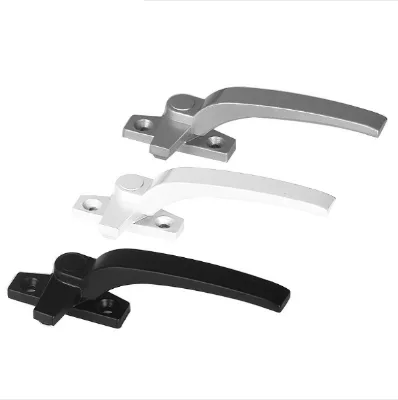
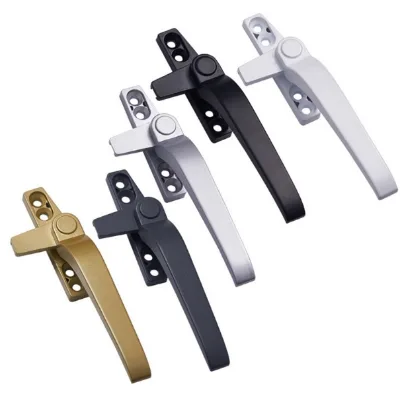
The technical integrity of a car window handle is determined by its material composition, surface treatment, and mechanical load capacity. Based on available product data, the primary material used for high-quality window handles is aluminum. This material choice offers an optimal balance of strength, weight reduction, and corrosion resistance, which are critical for automotive interior components exposed to varying environmental conditions. The surface treatment for these aluminum components typically involves painting, which not only enhances aesthetic appeal but also provides an additional layer of protection against wear and tear.
For buyers evaluating potential suppliers, it is essential to verify the specific mechanical specifications of the handles. Key attributes include the system load capacity, which can range significantly depending on the design. Some high-performance models are rated to support a system load of up to 130kg, ensuring durability under heavy usage. The installation type is another critical specification; most modern automotive window handles utilize surface installation methods, which simplify the retrofitting process and reduce the complexity of assembly lines.
The functional design of these handles often includes specific locking mechanisms. The market offers both "With Lock" and "Without Lock" variants, allowing buyers to select the configuration that matches their vehicle's security requirements. Additionally, the dimensions of the handles must align with the window size specifications of the target vehicle. For instance, compatible models are designed for windows with widths greater than 435mm and heights ranging between 620mm and 1800mm. These dimensional constraints ensure that the handles fit seamlessly into the vehicle's door panel architecture without requiring extensive modification.
| Specification Category | Common Attributes | Verification Requirement |
|---|---|---|
| Material | Aluminum, Plastic | Confirm alloy grade and plastic type for durability. |
| Surface Treatment | Paint, Powder Coat | Verify paint adhesion and color fastness standards. |
| Locking Mechanism | With Lock, Without Lock | Ensure compatibility with existing door latch systems. |
| Installation Type | Surface Installation | Check mounting hole patterns and bracket designs. |
| Load Capacity | Up to 130kg (System Load) | Validate load testing reports for safety compliance. |
| Window Compatibility | W>435mm, 620<H<1800mm | Cross-reference with specific vehicle model dimensions. |
Compliance, Certification, and Quality Assurance Protocols
In the automotive sector, compliance with international quality standards is non-negotiable. Buyers must prioritize suppliers who hold recognized certifications, such as ISO 9000 or ISO, which indicate a commitment to quality management systems. These certifications are not merely marketing tools; they represent a structured approach to manufacturing that minimizes defects and ensures consistency across production batches. The presence of an ISO certification suggests that the supplier adheres to rigorous internal controls for material sourcing, production processes, and final product inspection.
Beyond general quality management, specific product certifications may be required depending on the target market. While some background data mentions CE certification, buyers should treat this as a variable attribute rather than a universal standard. It is crucial to verify the specific certification status of the product lot being purchased, as compliance requirements can vary by region and vehicle type. For automotive components, the "OEM" standard is often the benchmark, indicating that the product is manufactured to the original equipment manufacturer's specifications.
Quality assurance also extends to the testing and validation of the handles. Buyers should request detailed test results regarding the system load, fatigue resistance, and environmental durability. The ability of a supplier to provide samples within 3-7 days allows for rapid validation of these specifications before committing to a large-scale order. Furthermore, the availability of "Custom Logo" and "Customized Logo" services implies that the supplier has the capability to apply branding without compromising the structural integrity of the component. This level of customization must be balanced with strict quality control measures to ensure that the added branding does not interfere with the handle's mechanical function.
Cost Drivers and Pricing Dynamics in Automotive Hardware
The pricing of automotive window handles is influenced by a complex interplay of factors, including material costs, production volume, and customization requirements. The observed price range for these components can vary significantly, from as low as $0.17 to as high as $18.50 per unit. This wide disparity is primarily driven by the level of customization and the complexity of the manufacturing process. Basic, unbranded handles with standard finishes will naturally fall at the lower end of the spectrum, while custom-designed handles with specialized coatings, locking mechanisms, and branding will command higher prices.
Minimum Order Quantity (MOQ) is another critical cost driver. The market shows an MOQ range from 1 unit to 5,000 units. For buyers seeking to test the market or fulfill small-scale replacement needs, suppliers with low MOQs are essential. However, for large-scale procurement, negotiating a lower unit price often requires meeting higher volume thresholds. The typical MOQ for automotive-grade handles can be around 500 pieces, which serves as a baseline for most manufacturers to cover setup and tooling costs.
Lead times also play a significant role in the total cost of ownership. Standard production lead times typically range from 10 to 20 days, while delivery times for international shipments can extend to 15-30 days. These timelines must be factored into the procurement budget, as expedited shipping or rush orders often incur additional costs. Buyers should also consider the cost of samples, which are generally available within 3-7 days, and the potential for rework if initial prototypes do not meet specifications.
Supplier Evaluation and Operational Capabilities
Selecting the right supplier requires a thorough evaluation of their operational capabilities and service offerings. The most reliable suppliers in this sector offer a comprehensive suite of services, including OEM, ODM, and OBM (Original Brand Manufacturing) solutions. This flexibility allows buyers to choose between sourcing standard parts, customizing existing designs, or developing entirely new products tailored to specific vehicle models. The availability of 3D design drawing services is particularly valuable for buyers looking to modify handle geometries or integrate new features.
When evaluating suppliers, buyers should assess their production capacity and process diversity. The ability to utilize multiple molding processes, such as injection molding for plastic components and CNC machining for metal parts, indicates a robust manufacturing infrastructure. This diversity ensures that the supplier can handle various material requirements and design complexities. Additionally, the location of the supplier, often in Guangdong, China, provides logistical advantages in terms of shipping efficiency and access to a mature supply chain for raw materials.
After-sales support is another critical factor in supplier selection. A reputable supplier should offer on-line technical support to assist with installation issues, troubleshooting, and quality concerns. A warranty period of 12 months is a common standard, providing buyers with a safety net against manufacturing defects. The availability of payment methods such as TT, LC, Western Union, and PayPal also indicates a level of financial flexibility that can facilitate smoother transactions.
Quality Control and Long-Term Procurement Strategy
Implementing a robust quality control strategy is essential for maintaining the integrity of the supply chain. Buyers should establish clear acceptance criteria based on the technical specifications provided, including material composition, surface finish, and mechanical load capacity. Regular audits of the supplier's production line and inspection of incoming goods are necessary to ensure compliance with these standards. The use of standardized packing methods, such as cartons, bulk packaging, or poly bags with carton boxes, helps prevent damage during transit and ensures that the products arrive in optimal condition.
For long-term procurement, building a strategic partnership with the supplier is more beneficial than transactional relationships. This approach allows for better negotiation of pricing, more consistent lead times, and priority access to new product developments. Buyers should also consider the scalability of the supplier's operations. As demand fluctuates, the ability to ramp up production or adjust order volumes without compromising quality is crucial. The availability of customization options, such as logo and color changes, should be leveraged to maintain brand consistency and product differentiation.
Finally, buyers must remain vigilant regarding changes in market conditions and regulatory requirements. The automotive industry is subject to evolving standards regarding safety, environmental impact, and material sustainability. Staying informed about these changes and maintaining open communication with suppliers will ensure that the procurement strategy remains aligned with industry best practices. By focusing on technical specifications, compliance, and supplier capabilities, buyers can secure a reliable supply of high-quality car window handles that meet the demands of the global market.
FAQs
How can I customize the logo and color for these handles?
You can customize the logo, color, packing, shape, and size for these handles. Suppliers offer OEM services that allow for specific branding and design modifications to meet your vehicle requirements.
What material is used for the aluminum window handles?
The primary material used for these window handles is aluminum. This material is typically finished with a paint surface treatment to ensure durability and aesthetic appeal for automotive applications.
Can I get samples before placing a large order?
Yes, samples are available with a typical production time of 3 to 7 days. This allows you to verify the quality and specifications before committing to a bulk purchase order.
Which certification do the manufacturers hold for quality assurance?
Manufacturers hold ISO and ISO9000 certifications to ensure quality management standards. These certifications indicate a structured approach to minimizing defects and maintaining consistency across production batches.
What is the lead time for standard production orders?
The standard lead time for production is between 10 and 20 days. Delivery times for international shipments may extend to 15 to 30 days depending on the logistics and shipping method selected.
How much is the minimum order quantity for these parts?
The minimum order quantity ranges from 1 to 5000 units depending on the supplier. A typical baseline for automotive-grade handles is often around 500 pieces to cover setup and tooling costs.
What is the system load capacity for the window handles?
Some high-performance models are rated to support a system load of up to 130kg. This ensures durability under heavy usage and meets the rigorous demands of automotive interior components.
Where are the manufacturers located for these automotive parts?
The manufacturers are primarily located in Guangdong, China. This region serves as a critical hub for producing aluminum and plastic components for various vehicle markets globally.