Source Taiwan Bulb Socket for Home, Office, and Hotel Use
Source Taiwan Bulb Socket options from 30 verified listings. Compare E27 and GU10 models with CE and RoHS certifications. Evaluate voltage ratings, materials, and customization features for indoor lighting projects; compare the available evidence and request quotations based on your requirements.
Key considerations
Products List

Bulb Socket Adapter Lighting Parts E27 Socket with Chain American Sockets
$0.30 - $1.00
MOQ: 500 pieces


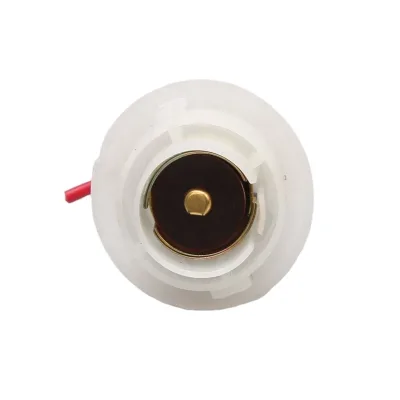


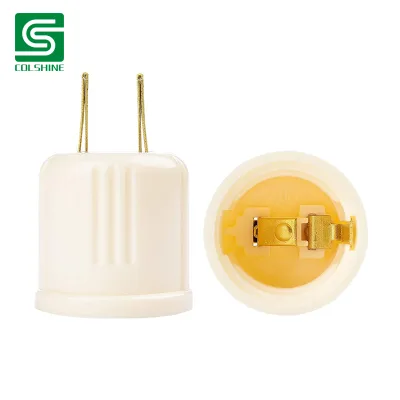


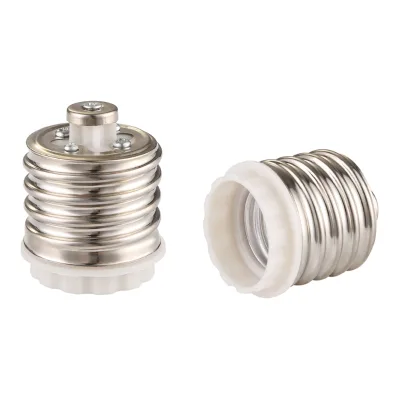
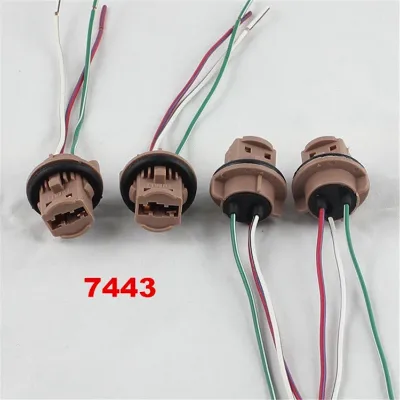


Comprehensive Sourcing Guide
Taiwan Bulb Socket Sourcing Guide
Sourcing bulb sockets from Taiwan and nearby manufacturing regions requires a disciplined approach that balances technical fit, compliance evidence, and commercial terms. Buyers typically encounter listings for E27 screw-cap holders, bayonet-base variants, GU10 and G4 models, adapter types, and versions with manual switches or remote control. Because these components sit directly in the live electrical path of a luminaire, the cost of a poor sourcing decision is measured in safety incidents, failed inspections, and warranty exposure rather than in unit price alone.
This guide organizes the procurement journey around decisions you must make in sequence: defining the product scope and reading listing signals correctly, verifying technical specifications against your luminaire design, demanding credible compliance documentation, understanding what drives cost, qualifying suppliers with structured quality control, and setting up long-term checks that protect your supply chain after the first order ships. Each section frames the decision at hand, the evidence you should request, and the pitfalls that commonly trap first-time buyers of lamp holders and lighting adapters.
Product Scope and Observed Listing Signals
The observed product range covers screw-cap holders in the E27 family, bayonet-base interfaces, GU10 and G4 socket models, lamp adapters, and holders styled for decorative and household use. Listed applications include home, indoor, decoration, and general lighting use, with some listings naming home, bar, hotel, and restaurant environments. A meaningful share of listings advertise customization options, and models appear with manual switch or remote-control functionality. Materials cited include plastic bodies with screw shells in copper, iron, or aluminum, and some holders combine iron, aluminum, or zinc alloy components.
Listing signals also reveal commercial patterns worth noting. Observed prices span roughly USD 0.03 to 3.43 per unit, and minimum order quantities range from as low as 5 pieces to 20,000 pieces, indicating a market that serves both small project buyers and high-volume luminaire manufacturers. Packing is commonly described as carton-based, with some listings specifying sea-worthy cartons, 50-piece boxes, or standard export corrugated boxes. Treat these attributes as observations from individual listings rather than guarantees: confirm which attributes apply to the exact model you intend to order before comparing quotations.
Technical Specifications to Verify
Begin with the electrical envelope. Listings in this category cite ratings of 4A at 250V, and you should confirm that the rated current and voltage of the specific holder match your luminaire's circuit, lamp type, and inrush characteristics. Rated power figures appearing across listings span a wide spread, from 9 watts up to 180 watts, covering values such as 18, 25, 27, 36, 40, 50, 60, 63, 72, and 120 watts; ensure the holder you select is rated for the maximum wattage of the lamps your customers may install, not merely the nominal lamp you ship with the fixture.
Beyond electrical ratings, verify the mechanical and interface details. Confirm the interface style—screw cap or bayonet base—matches the lamp standard in your target market, and check the bulb holder designation such as E27, GU10, or G4 against your lamp specification. For wired versions, review wire length options (10cm, 15cm, 20cm, or customized), wire material described as silicone or PTFE-based, and terminal quality. Request material datasheets for the plastic body to confirm insulation performance and heat resistance at the temperatures your luminaire generates in the socket region.
Compliance and Safety Documentation
Certification claims appear frequently in this category, with listings citing combinations such as ENEC, CE, RoHS, CQC, CCC, IEC, and VDE. Never accept a logo on a listing page as proof of compliance. Ask each shortlisted supplier for the actual certificate numbers, the name of the issuing body, the certificate's validity dates, and the scope description, then confirm that the scope covers your exact model—not a similar product in the same family. Certificates are issued per model or series; a CE mark on one E27 holder does not transfer to an adapter or a remote-controlled variant.
Request the underlying test reports, not just the certificate cover page, and check that the report photographs, model numbers, and ratings correspond to your purchase order. For holders entering markets with mandatory scheme requirements—such as CCC for China or VDE recognition in Europe—verify which marks the specific model holds rather than assuming regional coverage. Also ask for RoHS declarations covering the plastic body, metal shell, and any coating, since screw shells in copper, iron, or aluminum may involve platings subject to restricted-substance rules. Build certificate verification into your onboarding checklist before samples are approved.
Cost Drivers and Commercial Terms
Unit price in this category varies widely—observed listings range from USD 0.03 to 3.43—because several variables drive cost. Material choice is the largest factor: a plastic body with an iron shell sits at one end of the range, while copper or aluminum shells, zinc alloy components, and silicone or PTFE-insulated wiring push cost upward. Functionality adds cost as well: a plain screw-cap holder prices differently from a version with an integrated manual switch, a remote-control module, or an adapter design. Customization of wire length, terminals, or housing typically carries tooling or setup charges.
Commercial terms deserve equal attention. Minimum order quantities observed range from 5 to 20,000 pieces, so match your order size to the supplier's structure and ask whether lower quantities are available at a higher unit price or against a surcharge. Clarify what packing is included—carton, sea-worthy carton, or boxed quantities such as 50 pieces per box—and whether export-grade packaging is quoted. Confirm incoterms, payment terms, tooling ownership for customized parts, and the price validity period, since raw material swings in copper and plastic affect holder pricing materially.
Supplier Qualification and Quality Control
Qualify suppliers with a structured process rather than a single conversation. Start by verifying the business entity, manufacturing location—listed origins in this data include Zhejiang and Fuzhou in China—and the factory's own production capability versus trading intermediaries. Request evidence of in-house tooling, injection molding, and assembly capacity relevant to lamp holders, since customization claims in many listings imply factory-level capability. Ask for the factory's internal quality procedures covering incoming material inspection, in-process checks, and final inspection against the agreed specification.
Quality control on the product itself should combine documented checks with sampling. Define an inspection plan covering shell dimensional accuracy, screw-cap thread conformity to the stated holder standard, insulation resistance, terminal retention, switch or remote-control function where applicable, and visual defects in the plastic body. Conduct a pre-shipment inspection on a defined sampling basis, particularly for first orders and after any material or tooling change. Keep golden samples sealed and dated so later shipments can be compared against the approved reference, and document any deviation approvals in writing to avoid disputes.
Long-Term Procurement Checks
After the first successful order, procurement discipline shifts from onboarding to sustainment. Re-verify certificates periodically, because certification bodies update standards and certificates lapse; ask suppliers to notify you of any change in certification status, material sourcing, or shell metal supply. Track batch traceability so that a field failure can be traced to a production lot, and require the supplier to report any process or material change—such as a swap from copper to iron shell or a new plastic resin—before it ships. Renegotiate pricing annually against raw material indices rather than accepting open-ended validity.
Also monitor the product mix over time. Many listings in this category advertise customization, remote-control variants, and adapter formats, which means a qualified supplier may be able to consolidate adjacent SKUs and reduce vendor count. Use this to your advantage once reliability is proven, but resist consolidating before quality data exists. Maintain a documented supplier scorecard covering on-time delivery, inspection pass rates, certificate currency, and responsiveness to nonconformities, and review it at fixed intervals so weak signals—rising defect rates or delayed certificate renewals—trigger corrective action before they become customer-facing failures.
FAQs
What bulb socket types are available for Taiwan Bulb Socket products?
Listed products cover common lamp holder models including E27 screw cap, GU10, and G4 types, with interface styles such as screw cap and bayonet base. E27 is the most frequently listed standard, and some listings also state a rated current of 4A at 250V. Buyers should confirm the exact model, screw type, and voltage rating with each supplier before ordering, since specifications vary between individual listings.
Which certifications do Taiwan Bulb Socket listings typically carry?
Listed products reference several certification combinations, including CE, RoHS, VDE, ENEC, CQC, CCC, and IEC. CE and RoHS appear most often across the listings, while some bulb holder entries specifically cite VDE and CE together. Certification coverage is not uniform across all thirty products, so buyers should request valid certificate copies for the specific model and check which markings apply to the version they intend to purchase.
Can Taiwan Bulb Socket products be customized for specific projects?
Yes, customization is listed as available, and some entries state that wire length can be 10cm, 15cm, 20cm, or customized. Other flexible points include wire material, with silicon or teflon options noted, and screw shell materials such as copper, iron, or aluminum. Buyers should discuss minimum order quantities, tooling requirements, and sample approval with suppliers before committing to a customized bulb socket order.
What materials are used in Taiwan Bulb Socket manufacturing?
Listed products commonly use plastic bodies, with insulation noted as an advantage for safety and easy installation. Metal components are also referenced, including screw shells in copper, iron, or aluminum, and some listings mention iron, aluminum, or zinc alloy parts. The material mix affects insulation performance and durability, so buyers should confirm which parts are plastic and which are metal for the specific model they plan to source.
How are Taiwan Bulb Socket products packed for shipment?
Packing methods mentioned across listings include carton packing, sea-worthy carton, standard export corrugated boxes, and one entry specifying 50 pieces per box. Most options are designed for export shipping and protect holders during transit. Buyers should confirm the packing format, box quantity, and gross weight with the supplier, then verify that the chosen packing suits their destination port and handling conditions before placing a bulk order.
What voltage and power ratings apply to Taiwan Bulb Socket listings?
Listed holders are rated at 250V, with some entries specifying 4A at 250V as the standard. Rated power values span a wide range across listings, including 9W, 18W, 25W, 27W, 36W, 40W, 50W, 60W, 63W, 72W, 120W, and 180W. Because ratings differ by model, buyers should match the holder rating to their lamp wattage and confirm the applicable voltage standard for their destination market.