Source Taiwan Car Strut Tower Bar for Racing, Off-Road, and Daily Driving
Compare 30 listings for Taiwan Car Strut Tower Bar to find reinforced chassis solutions. Buyers can evaluate aluminum and steel options with varying load capacities and mounting types for racing, off-road, and daily driving applications.
Key considerations
Products List
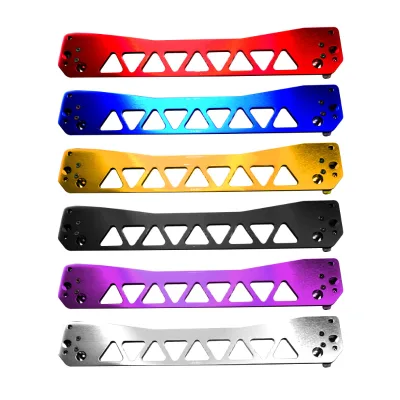


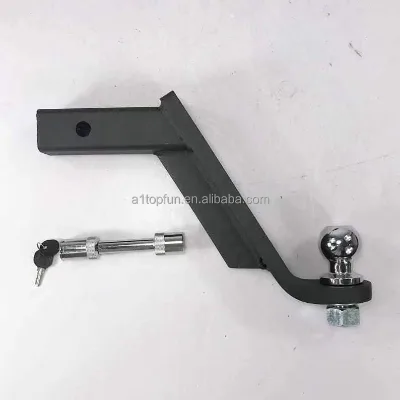
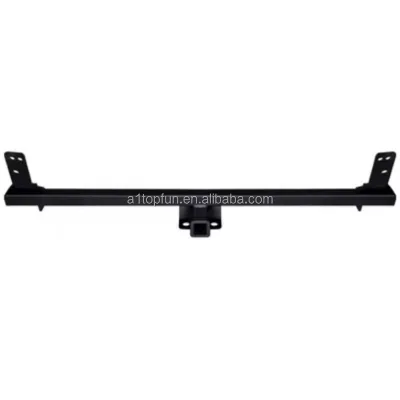
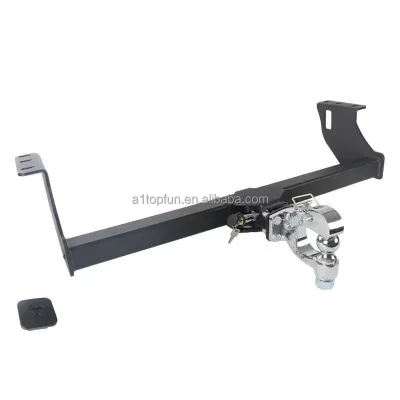
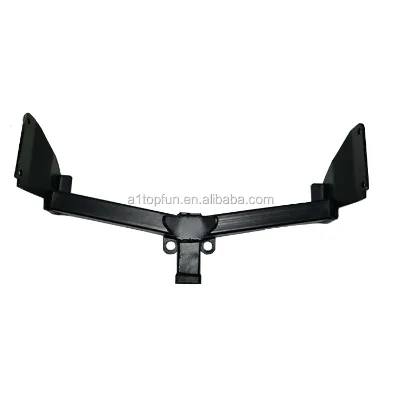
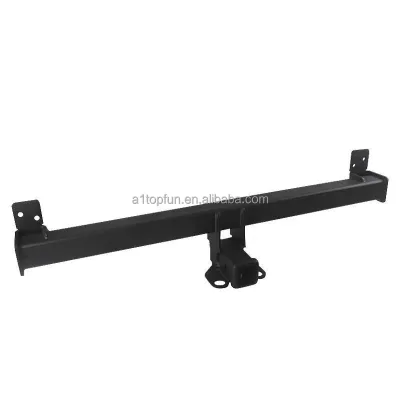
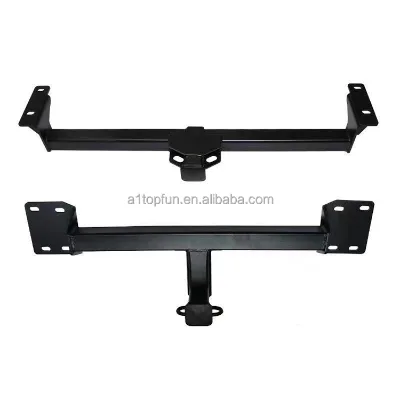


Comprehensive Sourcing Guide
Strategic Sourcing Guide for Automotive Strut Tower Bars
The automotive aftermarket sector in China offers a diverse array of suspension enhancement components, including strut tower bars, which are critical for improving chassis rigidity and handling precision. For buyers searching for "Taiwan Car Strut Tower Bar" solutions, it is essential to navigate the global supply chain with a focus on verified specifications and material integrity. While the specific origin of "Taiwan" is a common search term for high-quality automotive parts, the actual supply landscape often involves manufacturers in mainland China, such as those located in Guangdong and Hebei provinces, producing components that meet international performance standards. This guide provides a structured approach to evaluating suppliers, verifying technical attributes, and ensuring compliance without relying on unverified claims.
Technical Specifications and Material Composition
When sourcing strut tower bars, the primary technical differentiator lies in the material composition and structural design. The supplied product data indicates that high-performance variants are frequently constructed from Aluminium or Aluminum Alloy, materials chosen for their favorable strength-to-weight ratio. These materials are essential for reducing unsprung mass while maintaining the necessary torsional stiffness to minimize chassis flex during cornering. In contrast, heavy-duty applications, such as those found in trailer suspension or towing equipment, often utilize heavy duty Steel. For a strut tower bar intended for passenger vehicles, the material must be capable of withstanding high cyclic loads without permanent deformation.
The physical dimensions and packaging specifications are equally critical for logistics planning. Product listings reveal single package sizes ranging from 30X8X5 cm to 45X45X45 cm, with gross weights varying significantly from 1.0 kg to 20.0 kg depending on the component's density and design. Buyers must verify the Single package size and Single gross weight against their freight requirements to optimize shipping costs. Furthermore, the Color options observed in the market include red, blue, gold, black, purple, silver, and Silver Grey, allowing for aesthetic customization. However, the finish is often a Powder coating, which provides corrosion resistance and durability, a standard requirement for under-hood components exposed to varying environmental conditions.
Compliance, Certification, and Safety Standards
Verifying compliance is a non-negotiable step in B2B procurement. The supplied data highlights specific certifications such as TUV and GS, which are recognized standards for product safety and quality in the European market. Additionally, some listings reference a generic other certification category, which requires immediate clarification from the supplier to ensure the component meets the regulatory requirements of the target market. For automotive parts, adherence to international standards is paramount to prevent liability issues and ensure vehicle safety.
Buyers should explicitly request documentation confirming that the Certification status applies to the specific batch of goods being ordered. The presence of TUV or GS marks suggests that the manufacturing facility has undergone rigorous testing for structural integrity and material safety. However, the mere mention of these certifications in a product description does not guarantee that every unit in a large order possesses them. Procurement teams must verify that the Quality is defined as High-Quality through independent third-party testing reports. It is also important to note that while some products list OE NO. as "performance," this is a descriptive term rather than a specific part number, and buyers should cross-reference the prod_model (e.g., 801104, 801009) with the vehicle manufacturer's official parts database to ensure compatibility.
Cost Drivers and Pricing Dynamics
The pricing structure for automotive strut tower bars is influenced by material costs, manufacturing complexity, and order volume. The observed price range in the market spans from 0.88 USD to 1010 USD, a wide disparity that reflects the difference between basic aftermarket components and high-end, custom-engineered systems. The lower end of the spectrum typically corresponds to generic aluminum bars with standard finishes, while the higher end may include specialized alloys, custom branding, or complex mounting systems.
MOQ (Minimum Order Quantity) is a significant cost driver. The data shows an MOQ range from 1 pcs to 2000 pcs, with specific listings citing 5Pcs or 100PCS. For small-scale buyers or those testing the market, suppliers offering an MOQ of 1pcs or 5Pcs provide a low-risk entry point. However, larger orders often unlock better unit pricing. The Payment terms, including West Union, Paypal, and T/T, also impact the financial logistics of the transaction. Buyers should calculate the total landed cost, including shipping from ports like Shanghai or Ningbo, and factor in the Warranty period, which is listed as 1 year for many products. A longer warranty period often indicates higher confidence in the product's durability and can reduce long-term procurement risks.
Typical Applications and Vehicle Compatibility
Strut tower bars are primarily designed to enhance the handling characteristics of passenger vehicles, but the supplied data also references applications in Trailer Parts and Towing. The Car Roof Rack Type is listed as Single Deck, and the Car Roof Rack Mounting Type is described as Combined Type, suggesting that some suppliers offer integrated solutions for roof-mounted cargo. The Load Capacity for such structures is noted as ≥70kg, and the Capacity for storage units can range from 400-500L. These specifications are crucial for buyers sourcing components for utility vehicles or off-road modifications.
The Application field explicitly mentions Towing, with a Max Payload of 6000lbs for certain heavy-duty components. While a strut tower bar is not typically a load-bearing component for towing, its role in stabilizing the chassis during heavy loads is vital. The Parts category includes Trailer Suspension, indicating that some suppliers may offer a broader range of suspension components beyond just strut bars. Buyers must ensure that the Car Model compatibility is explicitly stated, as the prod_model numbers (e.g., 801104) may correspond to specific vehicle platforms. The Opening mechanism is described as Dual Side, which may refer to the installation method or the design of the mounting brackets.
Supplier Evaluation and Geographic Considerations
Geographic location plays a pivotal role in the supply chain efficiency. The supplied data identifies Guangdong, China and Hebei, China as primary places of origin. Guangdong is a major hub for automotive manufacturing and electronics, often associated with high-quality aluminum processing and precision engineering. Hebei, on the other hand, is known for its heavy industry and steel production, which may explain the presence of heavy duty Steel components in the listings.
When evaluating suppliers, buyers should look for those who offer Customization and OEM Logo acceptance. The ability to customize the product and apply a specific brand logo is a strong indicator of a supplier's flexibility and capacity to serve private-label clients. The Brand Name field lists entities such as youtai and a1topfun, but buyers should avoid relying solely on these names for quality assurance. Instead, they should verify the supplier's production capabilities, factory audits, and history of fulfilling orders. The Condition of the parts is consistently listed as New, which is a baseline requirement for all new procurement.
Quality Control and Long-Term Procurement
Ensuring consistent quality requires a robust quality control (QC) process. The Quality attribute is listed as High-Quality, but this is a self-reported claim. Buyers must implement their own QC protocols, including visual inspections for Powder finish consistency and dimensional checks against the Single package size specifications. The Packaging Details mention bag and Carton Box options, which must be sufficient to protect the components during transit. For heavy items like the 20kg steel components, robust Carton packaging is essential to prevent damage.
Long-term procurement considerations involve the Warranty and After-Sales support. A 1 year warranty is standard, but buyers should negotiate terms that cover manufacturing defects and material failures. The Selling Units are typically listed as Single item, which simplifies inventory management for small orders but may require consolidation for larger shipments. The Use case for these parts is diverse, ranging from Trailer Parts to general Towing applications. Buyers should maintain a clear record of the prod_model and OE NO. for each batch to facilitate future reordering and troubleshooting.
Final Procurement Checklist
To conclude the sourcing process, buyers should verify the following critical data points before finalizing any order. First, confirm the Material is Aluminium or Aluminum Alloy for performance applications, or heavy duty Steel for heavy-load scenarios. Second, ensure the Certification includes valid TUV or GS documentation. Third, validate the MOQ aligns with the buyer's inventory strategy, whether it is 1pcs for sampling or 100PCS for bulk. Fourth, check the Place of Origin to ensure it matches the expected manufacturing hub, such as Guangdong or Hebei. Finally, verify the Payment terms and Port of shipment, typically Shanghai or Ningbo, to ensure smooth logistics. By adhering to these evidence-based criteria, buyers can secure high-quality strut tower bars that meet their specific performance and safety requirements.
| Attribute Category | Key Verification Points | Observed Data Range/Values |
|---|---|---|
| Material | Alloy type, steel grade | Aluminium, Aluminum Alloy, heavy duty Steel |
| Certification | Valid safety marks | TUV, GS, other |
| MOQ | Minimum order quantity | 1 pcs, 5Pcs, 100PCS, up to 2000 |
| Origin | Manufacturing location | Guangdong, China; Hebei, China |
| Weight | Gross weight per unit | 1.0 kg, 20.0 kg |
| Dimensions | Package size | 30X8X5 cm, 45X45X45 cm |
| Finish | Surface treatment | Powder, Black Painted |
| Warranty | Coverage period | 1 year |
| Payment | Accepted methods | West Union, Paypal, T/T |
| Port | Shipping origin | Shanghai or Ningbo |
This structured approach ensures that procurement decisions are grounded in verified facts rather than marketing assertions, leading to more reliable supply chains and satisfied end-users.
FAQs
What materials are used for strut tower bars?
Strut tower bars are primarily constructed from Aluminium or Aluminum Alloy to reduce unsprung mass while maintaining torsional stiffness. Heavy-duty variants for towing applications may utilize heavy duty Steel. The specific material depends on the intended load capacity and vehicle application.
Which certifications are available for these automotive parts?
Verified products often carry TUV and GS certifications, which are recognized safety standards in the European market. Some listings may reference other generic certifications, requiring direct supplier clarification to ensure compliance with target market regulations before purchase.
Can buyers customize the product with their own logo?
Yes, customization is available, and suppliers typically accept OEM logo requests. This allows buyers to apply their branding to the product, provided they meet the specific Minimum Order Quantity requirements set by the manufacturer for custom runs.
How does the minimum order quantity vary for these items?
Minimum Order Quantities range from 1 piece for sampling up to 2000 pieces for bulk orders. Specific listings may require 5 pieces or 100 pieces, so buyers should verify the exact MOQ with the supplier before initiating a transaction.
Where are these automotive components typically manufactured?
Manufacturing origins are primarily located in Guangdong and Hebei provinces in China. Guangdong is a hub for aluminum processing, while Hebei is known for heavy industry and steel production, influencing the material composition of the final product.
What is the typical warranty period for these parts?
The standard warranty period listed for these products is 1 year. This coverage typically applies to manufacturing defects and material failures, offering buyers a baseline assurance of quality and durability for their procurement.