Source Telescopic Adjustable Phone Mount Stand for Car, Home, Office
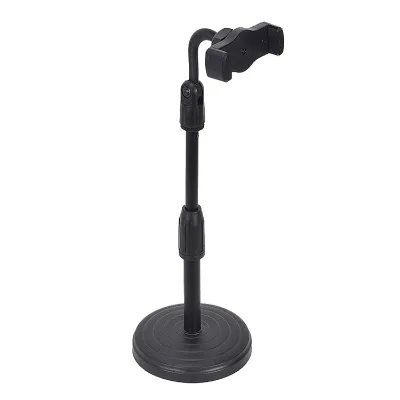
Explore 30 listings for a Telescopic Adjustable Phone Mount Stand designed for versatile use in cars, homes, and offices. Buyers can compare models made of metal or plastic, featuring 360-degree rotation, foldable designs, and adjustable angles to find the ideal holder for their needs.
Key considerations
Products List





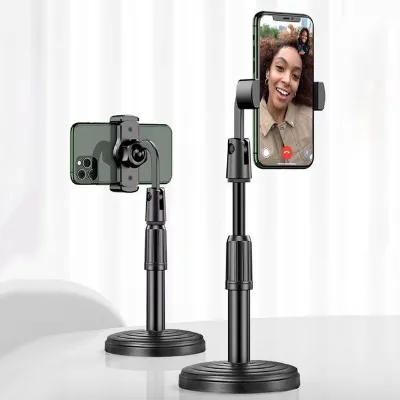
Adjustable Cell Phone Stand Desk Mount Holder Universal for iPhone/Tablet
$0.49 - $0.65
MOQ: 100 Pieces


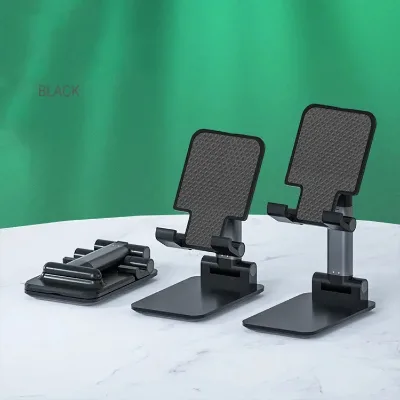
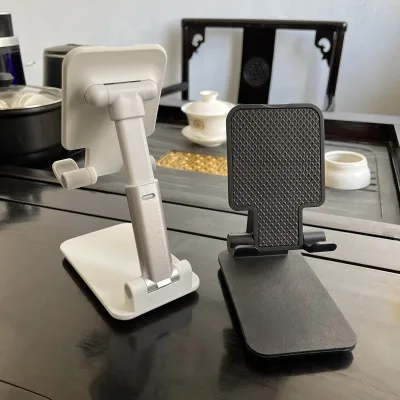
Adjustable Flat Folding Mobile Phone Stand Holder Portable Compact Universal
$0.19 - $0.29
MOQ: 100 Pieces




Comprehensive Sourcing Guide
Strategic Sourcing Guide for Telescopic Adjustable Phone Mount Stands
The global demand for mobile device accessories has driven significant innovation in mounting solutions, with the Telescopic Adjustable Phone Mount Stand emerging as a critical component for both automotive and desktop environments. For B2B procurement professionals, sourcing these items requires a nuanced understanding of mechanical design, material science, and supply chain logistics. This guide synthesizes available market data and technical specifications to provide a structured approach for evaluating suppliers and selecting products that meet rigorous commercial and functional requirements. The focus remains on evidence-based criteria derived from observed product attributes and industry standards, ensuring that procurement decisions are grounded in verifiable facts rather than speculative marketing claims.
Technical Specifications and Mechanical Design
The core functionality of a Telescopic Adjustable Phone Mount Stand relies on the precision of its mechanical joints and the durability of its structural materials. Observed product data indicates a diverse range of configurations, from compact folding units to robust desktop stands. A critical specification to verify is the material composition, as this directly influences weight, load-bearing capacity, and aesthetic finish. The market currently features products constructed from high-grade ABS plastic and aluminum alloy brackets. ABS plastic offers a lightweight solution suitable for portable applications, with specific models weighing as little as 15.2 grams. In contrast, metal constructions, particularly those utilizing aluminum alloy, provide enhanced stability for larger devices and are often preferred for premium desktop applications.
Adjustability is the defining feature of this category. Successful units must offer multi-axis movement, specifically 360-degree rotation and independent height and angle adjustments. Data from observed listings confirms that high-performance models support 360-degree adaptable rotation, allowing users to switch seamlessly between portrait and landscape orientations. Furthermore, the "telescopic" aspect implies an extendable mechanism, though some listings categorize foldable stands under similar functional umbrellas. Buyers must distinguish between simple folding hinges and true telescopic extension rails. The presence of non-slip features is also a mandatory technical requirement; observed products frequently list "Non-Slip" as a primary feature, often achieved through silicone pads or textured rubberized surfaces at contact points.
Installation methods vary significantly based on the intended application. For automotive use, snap-on mechanisms designed for windshields are common, whereas desktop units typically rely on a stable base design. The dimensions of the product are equally critical; observed specifications range from compact units measuring 38216mm to larger desktop stands with a footprint of 9cm*13.5cm. Procurement teams must ensure that the selected model's physical dimensions align with the target user's device size and the available mounting surface area.
Compliance, Certification, and Safety Standards
In the B2B sector, compliance is not merely a regulatory formality but a prerequisite for market access and liability protection. When sourcing telescopic phone mounts, buyers must verify that suppliers adhere to recognized international standards. While specific certification data in the current market observation includes references to SGS and TUV testing, these represent high-confidence indicators of quality assurance processes. The presence of such certifications suggests that the manufacturing facility has undergone third-party evaluation for material safety and product durability.
Buyers should explicitly request documentation regarding material safety, particularly for products intended for prolonged contact with skin or sensitive electronic devices. The use of raw materials like ABS and aluminum alloy must be verified against relevant chemical safety standards to ensure they are free from harmful substances such as phthalates or heavy metals. Although ISO 9001 is a widely recognized standard for quality management systems, it should be treated as a verification target rather than an automatic assumption. Procurement officers must ask suppliers to provide valid, current certificates for any claimed standards, ensuring that the documentation is not expired or generic.
Additionally, product standards regarding electrical safety are generally less relevant for passive mounts, but mechanical safety is paramount. The "360 Protection" feature observed in some listings implies a design that prevents the device from falling or slipping during adjustment. This mechanical integrity must be validated through load testing. Buyers should inquire about the maximum weight capacity of the mount and the testing protocols used to determine this limit. Ensuring that the product meets the safety expectations of the target market, whether it is the European Union or North America, is essential for avoiding returns and maintaining brand reputation.
Cost Drivers and Pricing Dynamics
Understanding the cost structure of telescopic phone mounts is vital for negotiating favorable terms and maintaining healthy profit margins. The observed price range in the market spans from $0.13 to $3.95 USD, a wide variance that reflects differences in material quality, manufacturing complexity, and branding. The primary cost driver is the material selection. Aluminum alloy models command a higher price point due to the cost of raw materials and the energy-intensive machining processes required to create precise brackets. Conversely, ABS plastic models are more economical, offering a cost-effective solution for high-volume, price-sensitive markets.
Packaging also significantly impacts the final cost. Products listed with "Gift Box" or "Retail Package" specifications often carry a higher unit price compared to those in bulk "Carton Box" packaging. The decision to include custom packaging or logo printing, a feature noted as available in the market, adds to the production cost but can enhance the perceived value of the product for end consumers. Buyers must balance the desire for premium packaging against the need to keep the unit cost low, especially when targeting volume sales.
Minimum Order Quantity (MOQ) is another critical financial factor. The observed MOQ range spans from 2 to 1000 units, indicating a flexible supply chain capable of accommodating both small试单 (trial orders) and large-scale production runs. Suppliers with lower MOQs may charge a premium per unit to cover setup costs, while those requiring higher volumes often offer tiered pricing structures. Buyers should analyze their inventory turnover rates and cash flow constraints to determine the optimal order size that minimizes holding costs without sacrificing unit price advantages.
Typical Applications and Market Segmentation
The versatility of telescopic adjustable phone mount stands allows them to serve multiple distinct market segments. The primary application categories identified are automotive, home, and office environments. In the automotive sector, these mounts are essential for navigation, hands-free calling, and media consumption while driving. The "Applicable Place in Car: Windshield" specification highlights a specific use case where stability and secure installation are non-negotiable. These units often feature snap-on mechanisms and robust non-slip grips to withstand vehicle vibrations and sudden stops.
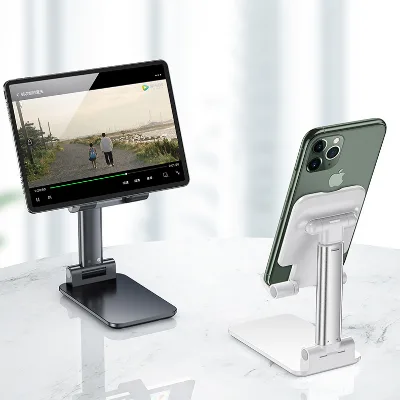
For home and office applications, the focus shifts to ergonomics and desk organization. Desktop stands are designed to keep devices at eye level, reducing neck strain during video conferences or content consumption. The "Function: Holder Only" and "Stand: Cell Phone Stand" attributes suggest that some models are designed purely for static placement, while others offer dynamic adjustment. The "Folding" and "Foldable" features are particularly valuable for users who need to save space or transport the stand between locations. These portable units often come in compact sizes, such as the 38216mm model, making them ideal for travel or small workspaces.
The "Superior Compatibility" attribute observed in the market indicates that these mounts are designed to work with a wide range of mobile phone sizes and brands. This universality is a key selling point for B2B buyers targeting general retail markets. However, buyers must verify that the specific model they select can accommodate the latest device sizes, including those with large screens or thick protective cases. The ability to adjust the angle and height ensures that the mount can be customized to fit various user preferences and device configurations.
Supplier Evaluation and Quality Control
Selecting the right supplier is a critical step in the procurement process. Buyers should evaluate potential partners based on their production capabilities, quality control systems, and responsiveness. The availability of customization options, such as logo printing and color variations (e.g., Brown, Black), indicates a supplier's flexibility and ability to meet specific branding requirements. A supplier that offers "Small Orders: Accepted" demonstrates a willingness to build relationships with new clients, which is beneficial for testing product quality before committing to large volumes.
Quality control should be a central part of the supplier evaluation. Buyers must inquire about the supplier's internal testing procedures for durability, specifically regarding the telescopic mechanism and the non-slip features. The "Gross Weight" and "Net Weight" specifications, such as 15.2g or 3.52 Ounces, can serve as a baseline for consistency checks. Deviations from these weights in received shipments may indicate material substitution or manufacturing defects. Additionally, the packaging standards, such as "100PCS in a Carton Box," should be verified to ensure that the products arrive in good condition and are ready for immediate distribution.
Suppliers located in manufacturing hubs like Shenzhen, China, often have established supply chains and access to a wide range of raw materials. However, buyers should not assume that all suppliers in these regions offer the same level of quality. It is essential to conduct site audits or request third-party inspection reports to verify the supplier's production environment and quality management systems. The presence of certifications like SGS and TUV is a positive indicator, but it should be accompanied by a review of the specific test reports to ensure they cover the relevant product attributes.
Long-Term Procurement Considerations
Sourcing telescopic adjustable phone mount stands is not a one-time transaction but a long-term strategic partnership. Buyers should consider the scalability of the supply chain and the supplier's ability to adapt to market changes. The availability of "Customization" suggests that suppliers can evolve their product offerings to meet emerging trends, such as new device sizes or changing aesthetic preferences. Maintaining a relationship with a supplier who can provide consistent quality and timely delivery is crucial for maintaining market competitiveness.
Inventory management is another long-term consideration. The wide range of MOQs allows buyers to adopt a flexible inventory strategy, ordering smaller quantities to test new markets or larger quantities to secure better pricing. However, buyers must be mindful of the lead times associated with custom orders, such as those involving logo printing. Planning ahead for seasonal demand spikes or promotional campaigns can prevent stockouts and ensure that the supply chain remains resilient.
Finally, buyers should monitor the product lifecycle and plan for potential obsolescence. As mobile device designs evolve, the compatibility of phone mounts may need to be updated. Suppliers who invest in R&D and stay abreast of industry trends will be better positioned to offer innovative solutions that extend the product's market life. By focusing on these long-term factors, B2B buyers can build a robust sourcing strategy that supports sustainable growth and customer satisfaction.
| Feature Category | Observed Specification | Procurement Verification Point |
|---|---|---|
| Material | ABS Plastic, Aluminum Alloy | Request material safety data sheets and tensile strength reports. |
| Adjustability | 360-Degree Rotation, Height & Angle | Verify range of motion and locking mechanism durability. |
| Installation | Snap-on, Windshield, Desktop | Confirm compatibility with target vehicle dashboards or desk surfaces. |
| Packaging | Gift Box, Retail Package, Carton Box | Check packaging integrity and labeling accuracy for compliance. |
| Certification | SGS, TUV | Validate current certificates and scope of testing. |
| Customization | Logo Printing, Color Options | Assess setup costs and minimums for custom runs. |
FAQs
Can I customize the logo on these phone mounts?
Yes, logo printing is available for customization. Suppliers offer this service for both plastic and metal models, allowing you to brand the product for your specific retail needs or corporate gifts.
What materials are used for these phone stands?
These stands are constructed from ABS plastic or aluminum alloy. Plastic models are lightweight at around 15.2 grams, while metal versions provide enhanced stability for desktop or automotive applications.
How do I install the car phone holder?
The car holder uses a snap-on installation method designed for windshields. This secure mechanism ensures the device stays in place during driving while allowing for easy removal when not needed.
What is the minimum order quantity for these items?
The minimum order quantity ranges from 2 to 1000 units depending on the supplier. Small orders are accepted, making it feasible to test product quality before committing to large-scale production runs.
Which certifications do these phone mounts hold?
High-confidence products feature SGS and TUV certifications. These standards verify material safety and product durability, ensuring the mounts meet rigorous quality assurance processes for international markets.
Can the phone holder rotate 360 degrees?
Yes, many models support 360-degree adaptable rotation. This feature allows users to switch seamlessly between portrait and landscape orientations for optimal viewing angles in both car and office settings.
Where are these phone mounts manufactured?
These products originate from Shenzhen, China. This manufacturing hub provides access to established supply chains and a wide range of raw materials for producing both plastic and metal mounting solutions.