Source Thermosetting Plastic Housing Enclosure for Electronics, Automotive, and Household
Find 30 verified options for Thermosetting Plastic Housing Enclosure tailored for electronics, automotive, and household applications. Compare specifications, certifications, and customization capabilities from multiple suppliers to identify the best fit for your project needs.
Key considerations
Products List


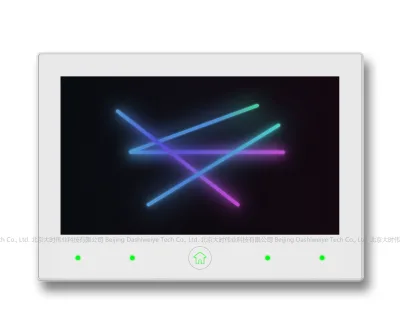
Plastic Enclosure Injection Moulded Plastic Mold Injection Moulding Plastic Mould
$500.00 - $800.00
MOQ: 1 Pieces




Comprehensive Sourcing Guide
Thermosetting Plastic Housing Enclosure Sourcing Guide
Sourcing thermosetting plastic housing enclosures requires a nuanced understanding of material properties, manufacturing processes, and supply chain dynamics. Unlike thermoplastics, which can be melted and reshaped, thermosetting plastics undergo an irreversible chemical change during curing, resulting in a rigid, heat-resistant, and dimensionally stable product. This guide synthesizes observed market signals and trusted industry knowledge to help procurement professionals navigate the complexities of sourcing these critical components. The focus is on verifying technical specifications, ensuring compliance, and managing commercial risks associated with custom molded parts.
The procurement landscape for these enclosures is diverse, ranging from standard off-the-shelf units to highly customized solutions tailored to specific electronic or automotive applications. Buyers must distinguish between generic housing types and specialized enclosures that require specific certifications, such as RoHS or CE, or adhere to strict industry standards like ISO or TS16949. This guide provides a structured approach to evaluating suppliers, interpreting product listings, and establishing quality control protocols that align with long-term operational goals.
Product Scope and Observed Listing Signals
The market for plastic enclosures includes a wide variety of product types, with waterproof junction boxes and custom plastic enclosures for thermostats being prominent examples. Observed listings indicate that materials such as ABS are commonly used, often combined with specific surface finishes like polishing to meet aesthetic and functional requirements. These enclosures are frequently designed for applications in electronics, automotive, household appliances, and medical devices, reflecting the versatility of thermosetting and thermoplastic materials in protecting sensitive components from environmental factors.
Customization is a key driver in this sector, with many suppliers offering tailored solutions based on customer drawings or samples. Product models such as HX-054, HX-053, and HX-857 suggest a standardized naming convention that may correspond to specific cavity configurations or mold designs. Buyers should note that while some listings mention "thermosetting" materials, others may refer to injection-molded ABS or other polymers. It is essential to verify the exact material composition, as the term "plastic housing" can encompass both thermosetting and thermoplastic variants, each with distinct thermal and mechanical properties.
Technical Specifications to Verify
When evaluating technical specifications, buyers must prioritize material compatibility, dimensional accuracy, and environmental resistance. The body material of enclosures can vary, with aluminum and various plastics being common choices. For plastic enclosures, it is crucial to verify the specific resin type, such as ABS, and its associated properties, including impact resistance and thermal stability. Surface finish processes, such as polishing, can affect both the aesthetic appeal and the ease of cleaning, which is particularly important for medical or food-grade applications.
Dimensional specifications are critical for ensuring proper fit and function within the final assembly. Listings may provide external sizes, such as 184.5129.523.5mm, which serve as a baseline for compatibility. However, buyers should request detailed CAD drawings or 3D models to verify internal cavity dimensions, mounting hole locations, and connector cutouts. Additionally, the molding method, typically injection molding, and the mold cavity configuration, such as multi-cavity designs, can influence production efficiency and part consistency. Verifying these details helps prevent assembly issues and ensures that the enclosures meet the precise requirements of the end product.
Compliance and Safety Documentation
Compliance with international standards is non-negotiable for many electronic and automotive applications. Certifications such as RoHS, CE, ISO, and TS16949 are frequently cited in product listings, indicating adherence to environmental, safety, and quality management standards. Buyers must verify that these certifications are current and applicable to the specific product variant being sourced. For instance, RoHS compliance ensures that the enclosure does not contain restricted hazardous substances, which is critical for electronics sold in regulated markets.
In addition to certifications, buyers should request test reports and material data sheets to validate performance claims. While some listings mention standards like UL 94 for flammability, these should be treated as background information rather than guaranteed attributes. It is the buyer’s responsibility to confirm that the supplier has conducted appropriate testing for heat resistance, electrical insulation, and mechanical durability. Documentation should also include information on the origin of materials and the manufacturing process, ensuring transparency and traceability throughout the supply chain.
Cost Drivers and Commercial Terms
The cost of plastic enclosures is influenced by several factors, including material costs, mold complexity, and production volume. Observed price ranges vary significantly, from low-cost standard items to high-priced custom solutions, reflecting the diversity of the market. Minimum Order Quantities (MOQs) also vary, with some suppliers requiring as few as one unit for prototypes and others demanding hundreds or thousands of units for production runs. Buyers should negotiate MOQs based on their forecasted demand and storage capabilities, balancing cost efficiency with inventory risk.
Packaging and shipping terms are additional cost drivers that should be carefully considered. Listings indicate various packaging options, such as pallets, PP bags, cartons, and plywood crates, each with different implications for protection and handling. The choice of courier, such as FedEx, UPS, or DHL, can also impact shipping costs and delivery times. Buyers should clarify Incoterms and ensure that the packaging is suitable for the product’s fragility and the destination’s handling conditions. Transparent communication about these terms helps avoid unexpected expenses and ensures timely delivery.
Supplier Qualification and Quality Control
Supplier qualification is a critical step in mitigating procurement risks. Buyers should assess suppliers based on their manufacturing capabilities, quality management systems, and track record. The use of advanced design software, such as UG, and processes like compound dies and hot runners, indicates a supplier’s technical proficiency. However, buyers should verify these capabilities through site audits or third-party inspections, rather than relying solely on marketing claims.
Quality control protocols should be established early in the sourcing process. This includes defining acceptance criteria for dimensional accuracy, surface finish, and material properties. Buyers should request samples for initial evaluation and conduct regular inspections during production. Statistical Process Control (SPC) data can provide insights into the consistency of the manufacturing process. Additionally, establishing a clear communication channel for addressing defects or deviations ensures that issues are resolved promptly, minimizing disruption to the supply chain.
Long-Term Procurement Checks
Long-term procurement success depends on continuous monitoring and relationship management. Buyers should regularly review supplier performance metrics, including on-time delivery, quality rates, and responsiveness to issues. Building a strong partnership with suppliers can lead to better pricing, priority production, and collaborative innovation. It is also important to stay informed about changes in regulations, material availability, and market trends that may impact sourcing strategies.
As technology evolves, buyers should remain open to adopting new materials or manufacturing processes that offer improved performance or cost efficiency. For example, the shift towards more sustainable materials or advanced molding techniques may present opportunities for optimization. Regularly updating procurement specifications and engaging with suppliers on future needs ensures that the sourcing strategy remains aligned with business objectives. By maintaining a proactive approach, buyers can secure a reliable supply of high-quality plastic enclosures that support their long-term growth and competitiveness.
FAQs
What certifications are available for these enclosures?
These enclosures are available with RoHS, CE, ISO, TS16949, and CCC certifications. Buyers can select specific compliance standards based on their regional regulatory requirements. The product line supports customized certification options to ensure alignment with international safety and environmental standards for electronic applications.
Can the product be customized according to drawings?
Yes, customization is available according to customer drawings or samples. The manufacturer uses UG design software to create precise molds. This service allows for tailored specifications, including specific models like HX-054 or HX-857, ensuring the final product meets exact engineering requirements for various industrial applications.
What is the typical MOQ for these items?
The minimum order quantity is typically 500 pieces. This threshold applies to standard production runs. Buyers requiring smaller quantities may need to discuss specific arrangements with the supplier. The MOQ ensures efficient production scheduling while maintaining cost-effectiveness for bulk orders of plastic enclosures and related components.
Which materials are used for the enclosure body?
The enclosure body is constructed from ABS plastic and aluminum. ABS provides durability and impact resistance for general electronic housing. Aluminum variants offer enhanced thermal management and structural strength. These material choices support diverse applications ranging from household appliances to automotive and medical electronics, ensuring long-term reliability.
How are the products packaged for shipping?
Products are packaged in cartons and plywood crates or using pallets and PP bags. Customized packaging options are available to protect items during transit. This flexible approach ensures safe delivery for various order sizes. The packaging method is selected based on the product dimensions and specific logistics requirements of the buyer.
What is the origin of these manufactured components?
These components originate from Beijing, China. The manufacturing facility leverages local supply chains for efficient production. Buyers can expect consistent quality standards aligned with international norms. The location supports reliable logistics and timely delivery for global markets, ensuring that sourcing from this region meets various operational timelines.