Source Bajaj Platina Motorcycle Parts for Repair, Maintenance, and Replacement
Find 30 listings for Bajaj Platina Motorcycle Parts including brake pads, chains, and clutch kits. Buyers can compare specifications, materials, and pricing from verified suppliers for workshop repair and daily maintenance needs.
Key considerations
Products List


Cylinder Kit for Bajaj Platina Motorcycle Engine Parts with Piston and Ring
$7.00 - $22.00
MOQ: 100 Pieces


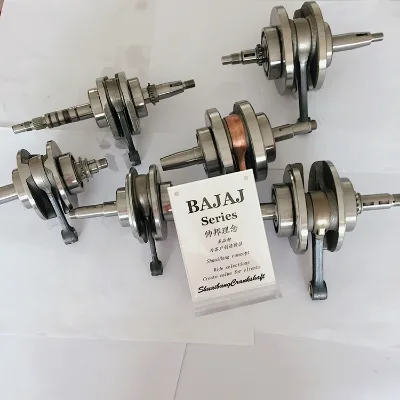


Bajaj CT100 Motorcycle Parts, Motorcycle Cylinder, Motorcycle Engine Parts
$5.50 - $9.50
MOQ: 300 Pieces


High Quality Motorcycle Part Motorcycle Clutch Plate for Bajaj Pulsar 200
$0.40 - $1.00
MOQ: 1000 Pieces
Comprehensive Sourcing Guide
Strategic Sourcing Guide for Bajaj Platina Motorcycle Parts
Understanding the Product Ecosystem and Compatibility
The global aftermarket for two-wheeler components is vast, yet specific compatibility remains the primary constraint for successful procurement. When sourcing parts for the Bajaj Platina, buyers must first recognize that this vehicle represents a specific segment of commuter and utility motorcycles designed for durability and fuel efficiency. The core product category falls under motorcycle spare parts, with a specialized focus on brake, drive, clutch, and engine components. The supply chain for these items is characterized by a mix of wholesale and mixed order capabilities, catering to importers, wholesalers, distributors, and repair market buyers.
A critical observation in the current market is the existence of multiple model designations that may appear similar but possess distinct mechanical requirements. While the primary focus is the Bajaj Platina 110, suppliers often list compatible models such as the Bajaj Wind 125 under similar product codes. This overlap necessitates rigorous verification before placing orders. The product range typically encompasses brake pads, brake shoes, chain sprocket kits, clutch plates, and cylinder kits. The material composition for these parts generally includes steel, aluminum, rubber, and plastic, selected to withstand the operational stresses of daily commuting and utility work.
Buyers must distinguish between the "Bajaj Platina" and "Bajaj Platina 110" designations, as the specifications for the 110cc variant are explicitly noted in many product listings. The standard for these parts is often defined simply as "For Bajaj Platina Motorcycle Parts," but the specific model positioning can vary between 110cc and 125cc commuter repairs. The application scope is broad, covering aftermarket replacement, workshop repair, and daily maintenance. However, the "Bajaj Wind 125" listing indicates that some suppliers may group these models together, requiring the buyer to confirm the exact engine displacement and mounting points. The product model codes, such as CP-BJ-MOTO-PLATINA or CP-BJ-MOTO-PLATINA110, serve as unique identifiers that should be cross-referenced with the physical vehicle to ensure fitment.
Technical Specifications and Component Breakdown
To procure the correct components, a buyer must understand the technical architecture of the Bajaj Platina and its associated parts. The vehicle is an air-cooled, four-stroke engine motorcycle, typically featuring a single-cylinder configuration. The engine operates on the compression stroke principle and supports both electric and kick-start mechanisms. Understanding these fundamental specifications is essential when sourcing engine parts like cylinder kits, piston kits, piston rings, and gaskets. The engine parts category also includes service items such as filters and electrical components, which are vital for maintaining the vehicle's operational integrity.
The drivetrain and braking systems are the most frequently replaced components in the aftermarket. For the drive system, the supply includes motorcycle chains, front and rear sprockets, and complete gear sets. These parts are critical for power transmission and must match the specific tooth count and pitch of the original equipment. The brake system is equally complex, involving brake pads, brake shoes, brake levers, brake master cylinders, and pumps. The material options for these components are diverse, ranging from steel for structural integrity to rubber for seals and plastic for housings.
Clutch parts are another significant category, comprising clutch plates, clutch kits, friction plates, steel plates, and clutch cables. The fitment of these parts is often verified by model, photo, size, or sample. The control parts category includes rearview mirrors, brake levers, clutch levers, and cables, which are essential for rider safety and vehicle control. The "Service Parts" category further expands the scope to include cables, rubber components, electrical parts, and filters. When evaluating a supplier's inventory, buyers should verify that the listed parts cover the full spectrum of these categories, ensuring that mixed orders can be fulfilled without compromising on the specific requirements of the Platina 110 or similar models.
Compliance, Certification, and Standard Verification
In the B2B procurement of motorcycle parts, compliance and certification are often the most misunderstood aspects. While some product listings mention certifications such as ISO9001, it is crucial to treat these as observations rather than universal guarantees for every listed product. The provided data indicates that ISO9001 is associated with specific product entries, but the presence of this certification does not automatically extend to all items in a supplier's catalog. Buyers must verify the certification status for the specific batch or product line they intend to purchase.
The standards for these parts are generally described as "For Bajaj Platina Motorcycle Parts" or "For Bajaj Platina 110 Motorcycle Parts." These descriptions serve as functional standards rather than formal international regulatory standards. Buyers should be aware that while some listings may reference CE certification, this information is categorized as low-confidence background data and should not be relied upon for concrete claims without direct verification from the supplier. The absence of a specific standard number in the general description implies that the parts are designed to meet the original equipment manufacturer (OEM) specifications for the Bajaj brand, but this does not equate to a formal certification of compliance with international safety or quality standards.
Furthermore, the origin of the products is a key factor in compliance. The supplied context indicates that the products originate from China, with specific mentions of Anhui as a production location. This geographic information is relevant for customs duties, import regulations, and supply chain logistics. Buyers must ensure that the supplier can provide the necessary documentation to prove the origin and compliance of the goods, especially when exporting to markets with strict import regulations. The "Cold Style: Air-Cooled" specification further highlights the thermal management requirements of the parts, which must be considered when evaluating the durability and performance of the components in different climatic conditions.
Cost Drivers and Pricing Dynamics
The pricing structure for Bajaj Platina Motorcycle Parts is influenced by several factors, including the complexity of the component, the material used, and the order volume. The observed price range in the market spans from $0.11 to $100 USD, reflecting the vast difference between small consumables like rubber gaskets and larger assemblies like cylinder kits or complete clutch systems. This wide range underscores the importance of defining the specific parts required before engaging in price negotiations.
The minimum order quantity (MOQ) is another significant cost driver. The observed MOQ range varies from 1 to 1000 units, indicating that suppliers offer flexibility for small-scale buyers while incentivizing bulk purchases for larger distributors. For importers and wholesalers, the ability to place mixed motorcycle parts orders is a critical advantage, as it allows for the consolidation of different components into a single shipment, reducing logistics costs. The supply type is described as "Wholesale / Mixed Order / Export," suggesting that suppliers are equipped to handle large-scale transactions.
Customization is a key feature that can impact pricing. The availability of customization options allows buyers to request specific packaging, such as neutral packing, customized packing, or export cartons. While neutral packing is often the most cost-effective option, customized branding or specific export requirements may incur additional costs. Buyers should factor these customization fees into their total cost of ownership calculations. Additionally, the material options—steel, aluminum, rubber, and plastic—will influence the final price, with higher-grade materials typically commanding a premium.
Supplier Evaluation and Fitment Verification
Selecting the right supplier requires a rigorous evaluation process that goes beyond simple price comparisons. The target buyer profile for these parts includes importers, wholesalers, distributors, and repair market buyers. A reliable supplier should demonstrate a clear understanding of the specific models they support, such as the Bajaj Platina 110 and Bajaj Wind 125. The fitment check process is a critical indicator of a supplier's reliability. Buyers should verify that the supplier offers fitment checks based on model, photo, size, or sample. This capability ensures that the parts ordered will physically fit the intended vehicle, reducing the risk of returns and disputes.
When evaluating a supplier, buyers should look for evidence of their ability to handle mixed orders. The support for "Mixed Motorcycle Parts Order" suggests that the supplier can consolidate various components, which is essential for maintaining a diverse inventory without excessive storage costs. The packing options, including neutral, customized, and export cartons, should be clearly communicated to ensure that the goods arrive in a condition suitable for the target market. The origin of the products, specifically from China or Anhui, should be transparently disclosed to facilitate accurate logistics planning.
Buyers must also assess the supplier's responsiveness to technical queries. Given the complexity of the engine and drivetrain components, a supplier who can provide detailed technical specifications and support fitment verification is invaluable. The presence of specific product model codes, such as CP-BJ-MOTO-PLATINA, indicates a level of organization and cataloging that is beneficial for procurement. However, buyers should remain cautious of suppliers who list multiple, potentially incompatible models under the same product code without clear differentiation.
Quality Control and Long-Term Procurement Strategy
Quality control is paramount in the motorcycle parts industry, where failure can lead to safety hazards and reputational damage. While specific test results are not provided in the general product data, buyers should implement their own quality assurance protocols. This includes requesting samples for initial testing, verifying material composition, and checking for consistency in manufacturing. The use of high-quality materials like steel and aluminum is a positive indicator, but the actual performance of these materials in the final product must be validated.
For long-term procurement, building a strategic relationship with suppliers is essential. Buyers should focus on suppliers who offer consistent quality, reliable lead times, and flexible order options. The ability to source parts for both the Bajaj Platina and similar models like the Bajaj Wind 125 provides a buffer against market fluctuations and model obsolescence. Buyers should also consider the after-sales support provided by the supplier, including the handling of defective parts and the availability of replacement components.
The market use of these parts is primarily for aftermarket replacement and workshop repair, which implies a high demand for reliability and durability. Buyers should prioritize suppliers who understand the specific needs of the repair market, such as the availability of common wear-and-tear items like brake pads and chains. By maintaining a diverse inventory and establishing strong relationships with reliable suppliers, buyers can ensure a steady supply of high-quality parts for the Bajaj Platina and related models, ultimately supporting the long-term success of their business in the motorcycle aftermarket sector.
Comparative Analysis of Key Product Attributes
To facilitate a clearer understanding of the available options, the following table summarizes the key attributes observed in the product listings. This comparison highlights the variations in model compatibility, material options, and packaging that buyers should consider during the sourcing process.
| Attribute Category | Specific Observation | Relevance to Buyer |
|---|---|---|
| Compatible Models | Bajaj Platina, Bajaj Platina 110, Bajaj Wind 125 | Critical for ensuring fitment; requires model verification. |
| Product Origin | China (specifically Anhui mentioned) | Impacts logistics, customs, and supply chain planning. |
| Material Options | Steel, Aluminum, Rubber, Plastic | Determines durability and cost; affects part selection. |
| Packing Options | Neutral, Customized, Export Carton | Influences branding and shipping costs; affects MOQ. |
| Order Flexibility | Mixed Order Supported, Wholesale | Enables consolidation of parts; reduces shipping complexity. |
| Certification Status | ISO9001 (observed on specific items) | Must be verified per batch; not guaranteed for all items. |
| Engine Type | Air-Cooled, 4-Stroke, 1 Cylinder | Essential for sourcing engine-specific components. |
| Target Application | Aftermarket, Workshop Repair, Daily Maintenance | Defines the end-user market and performance requirements. |
This structured approach to sourcing ensures that buyers can navigate the complexities of the Bajaj Platina parts market with confidence, focusing on verified facts and practical procurement strategies.
FAQs
What parts are available for the Bajaj Platina 110?
Available parts include brake pads, brake shoes, chain sprocket kits, clutch plates, and cylinder kits. These components cover the main categories of drive, brake, clutch, and engine systems for repair and replacement.
Can I order mixed motorcycle parts for this model?
Yes, mixed motorcycle parts orders are supported for the Bajaj Platina. This allows buyers to consolidate various components like brake levers and clutch cables into a single shipment for efficiency.
Which packaging options are available for these parts?
Buyers can choose neutral packing, customized packing, or export cartons. These options accommodate different branding needs and ensure safe transport for wholesale and export shipments.
How is fitment verified for these motorcycle spare parts?
Fitment is verified by model, photo, size, or sample before purchase. This process ensures the parts match the specific Bajaj Platina 110 or Bajaj Wind 125 requirements accurately.
What is the origin of these motorcycle parts?
The products originate from China, with specific production noted in Anhui. This location information is essential for logistics planning and understanding the supply chain for these aftermarket components.
Which materials are used for these spare parts?
Materials include steel, aluminum, rubber, and plastic depending on the component. These materials are selected to ensure durability for daily commuting and utility work on the motorcycle.